











An Unknown And Exotic Privet
Privet. What comes to mind at first mention – a clipped hedge or an unremarkable thicket? Almost every plant genus includes species grown purely for their practical value, and these are often the ones we stop noticing in the landscape. At the same time, within each genus there are true gems – plants that offer far more and can be regarded as aesthetically or even collector worthy.
Ligustrum, commonly known as privet, is no exception. Perhaps surprisingly, it belongs to a family where you might not expect to find it – the olive family. This is a remarkably diverse group, including not only exotic olives and true jasmine, but also lilacs and ashes. This time, I would like to introduce two unusual and still rarely grown privet species, which will take us on a journey halfway around the globe – to Japan and China.
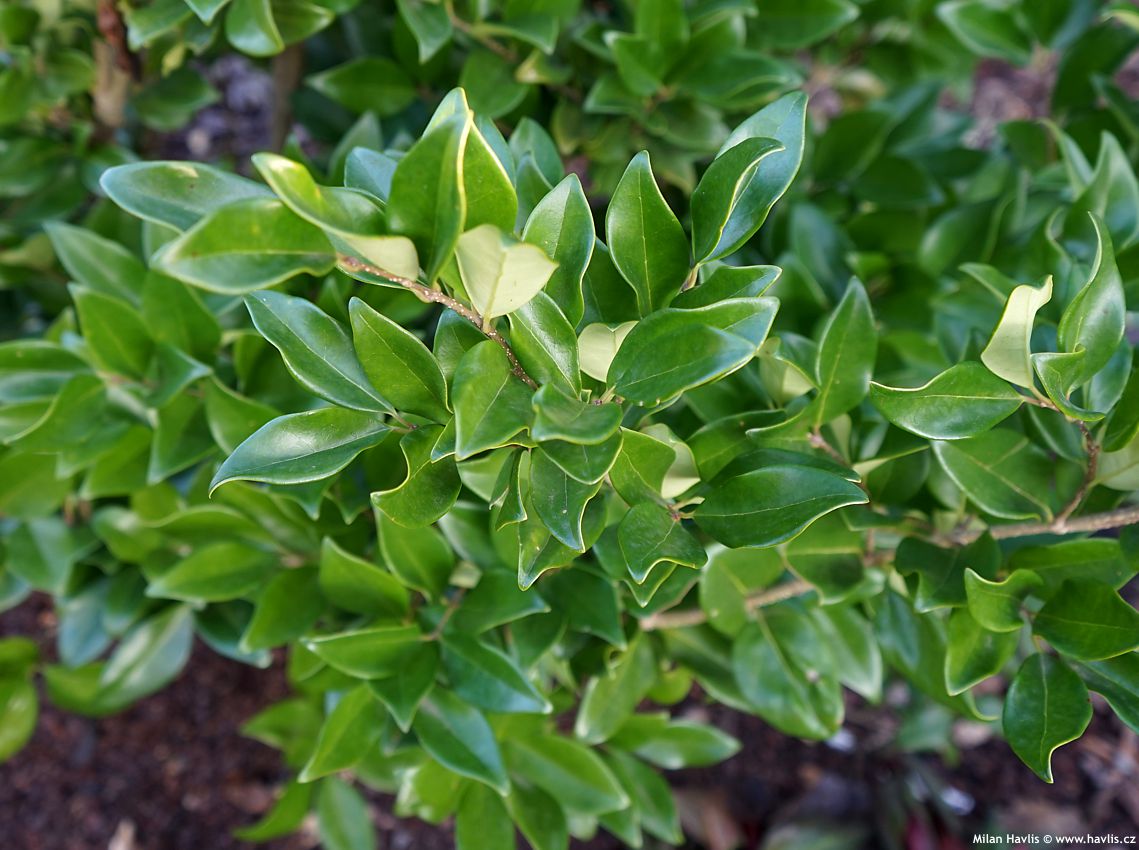
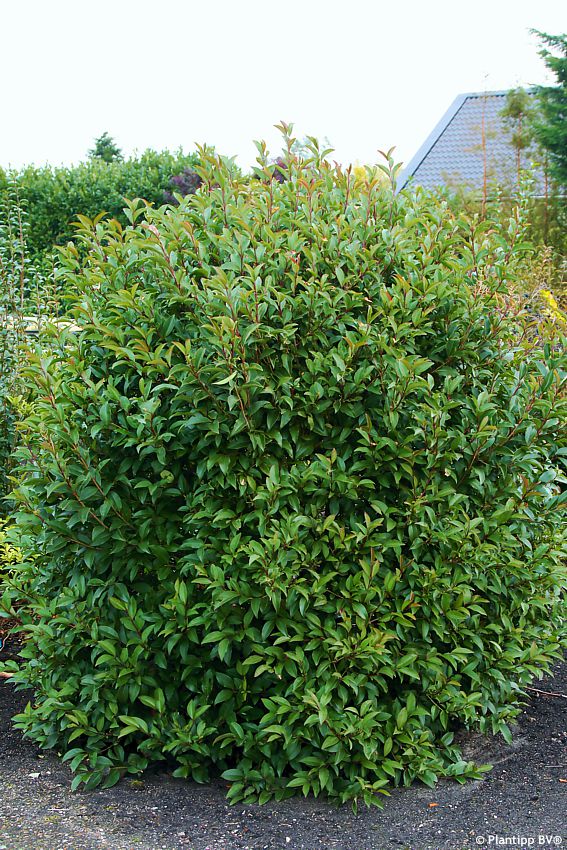
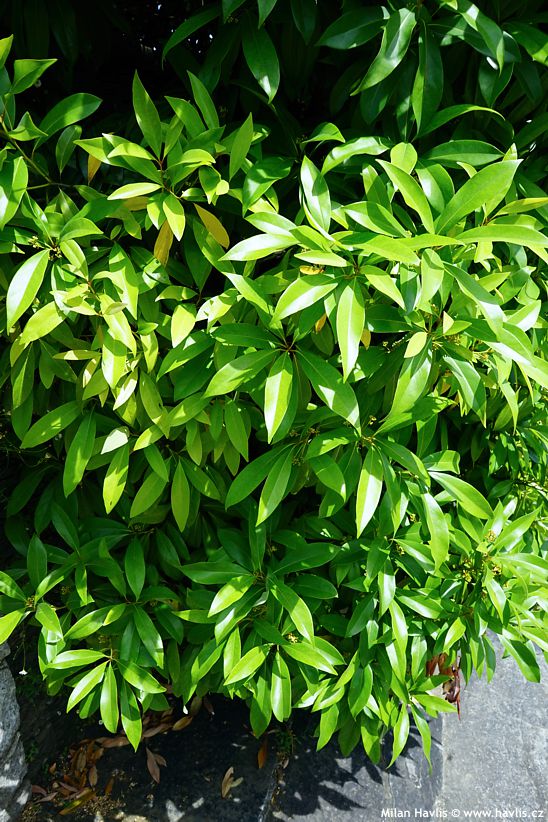
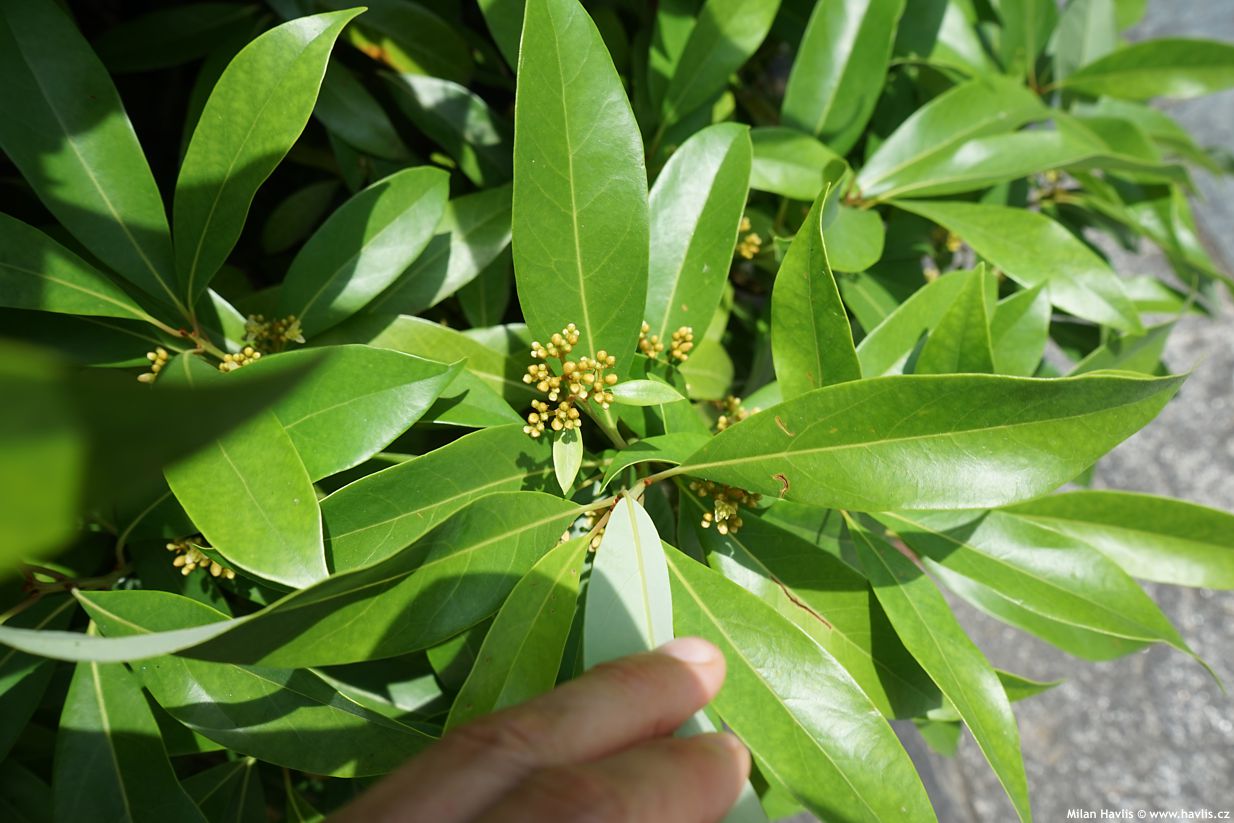
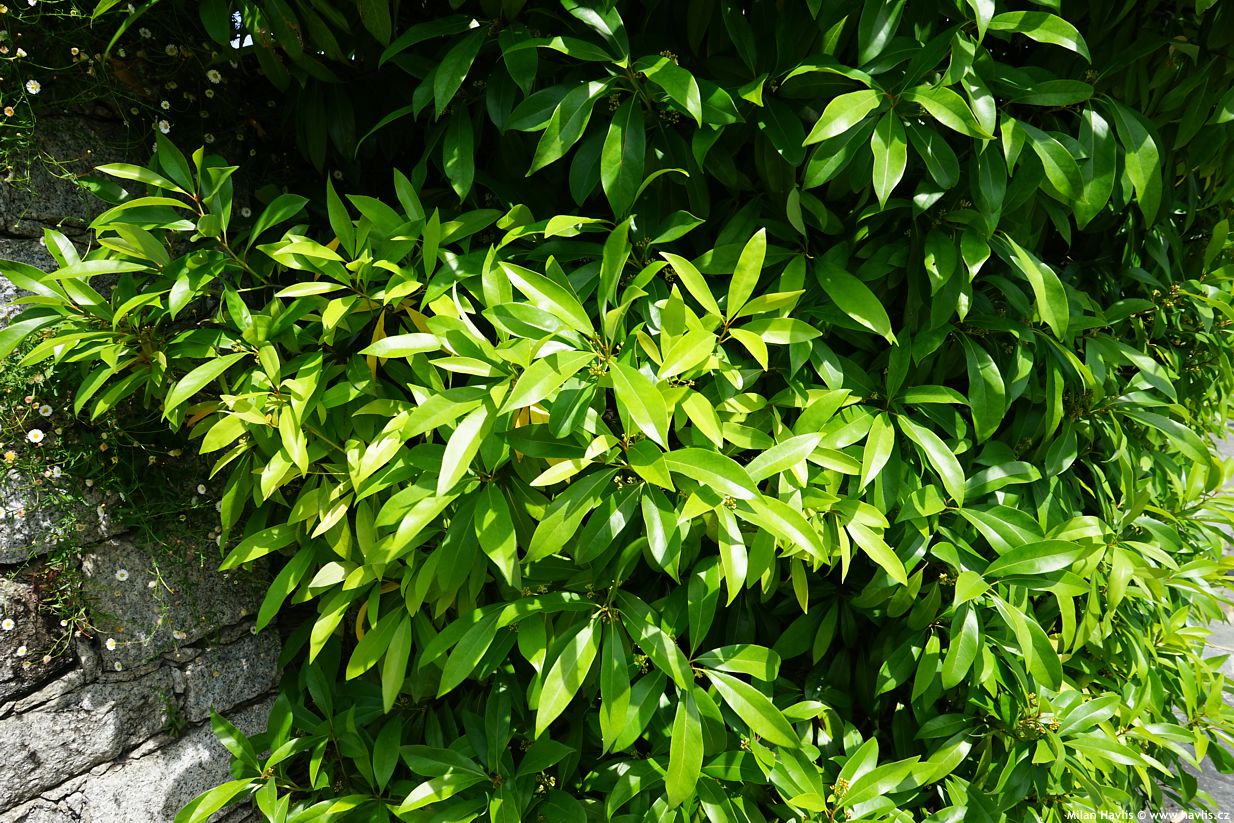
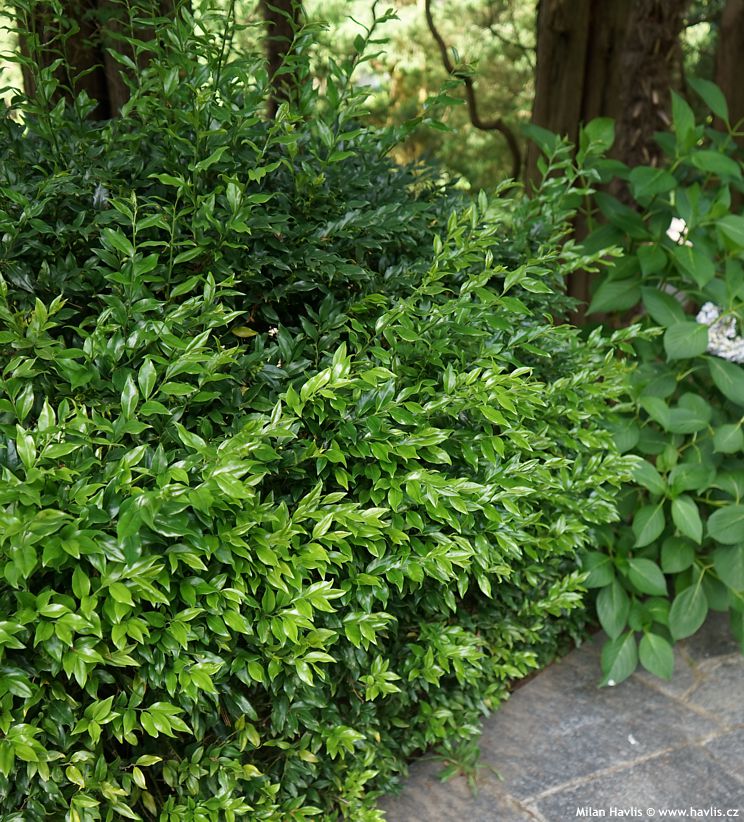
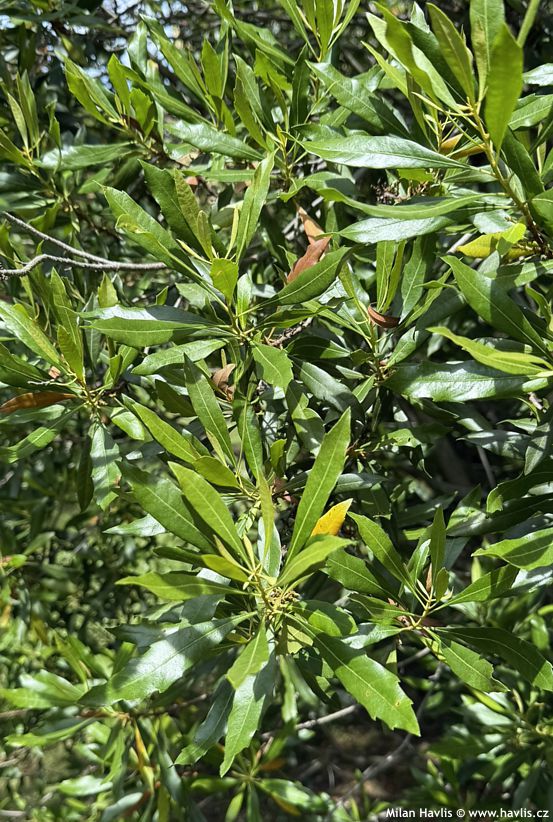
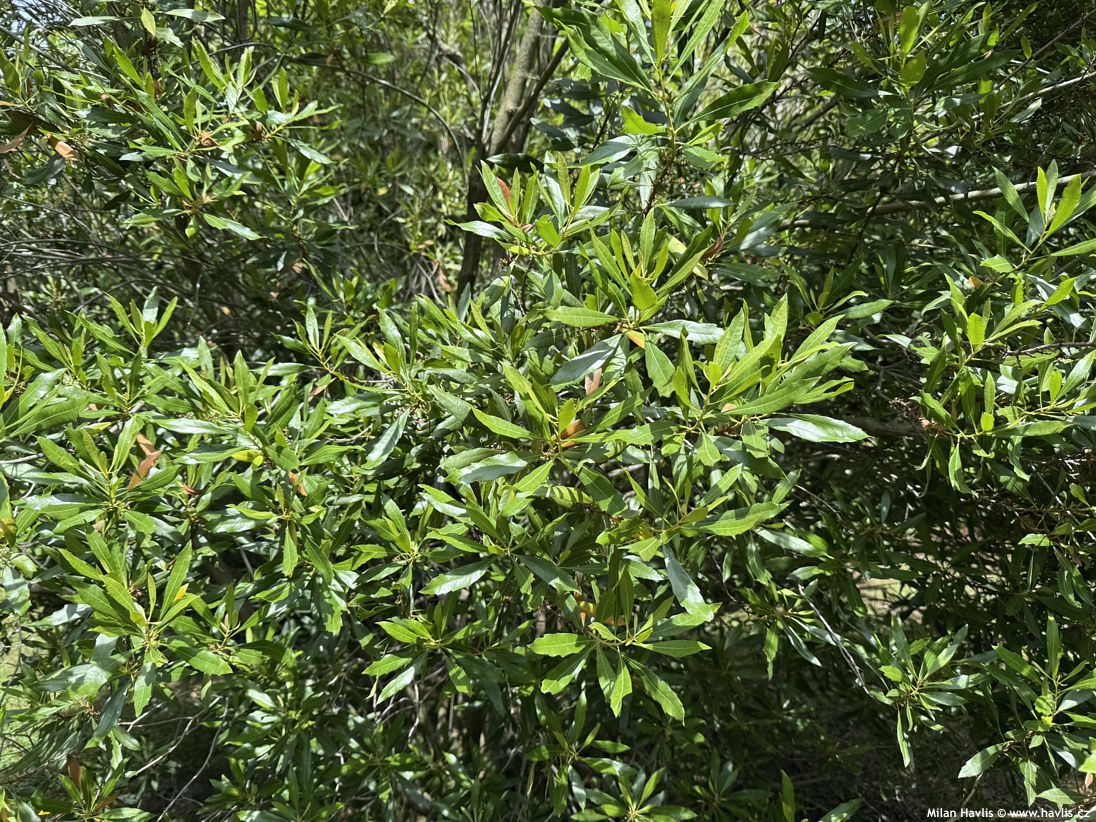
Japanese privet (Ligustrum japonicum) is an evergreen shrub or small tree native to central and southern Japan and Korea. It is a valued ornamental plant: smaller and dwarf cultivars are often trained as bonsai, while the wild botanical form is allowed to grow freely into extensive thickets and woodland margins, where it serves as a green barrier and provides shelter for birds and wildlife.
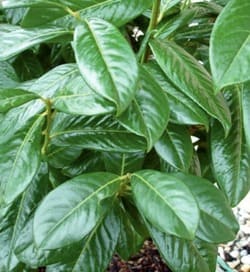
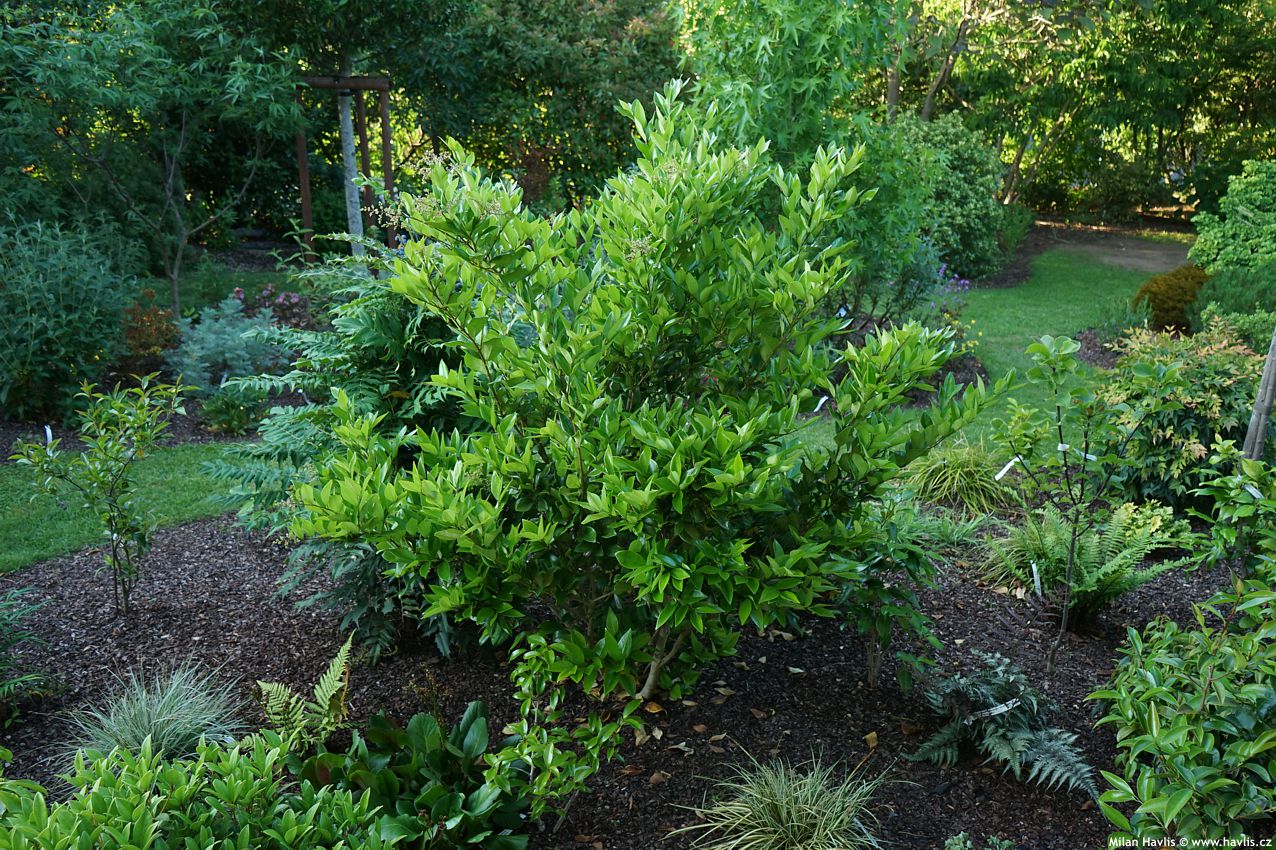
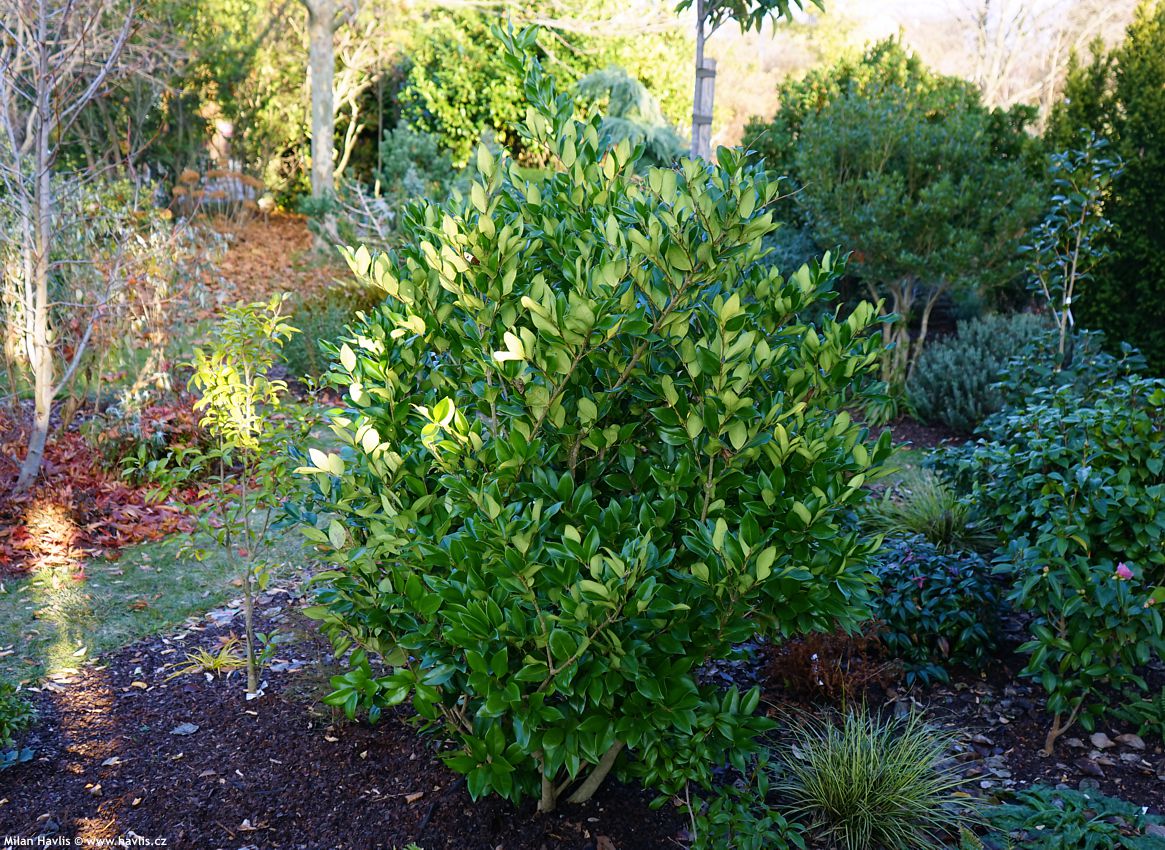
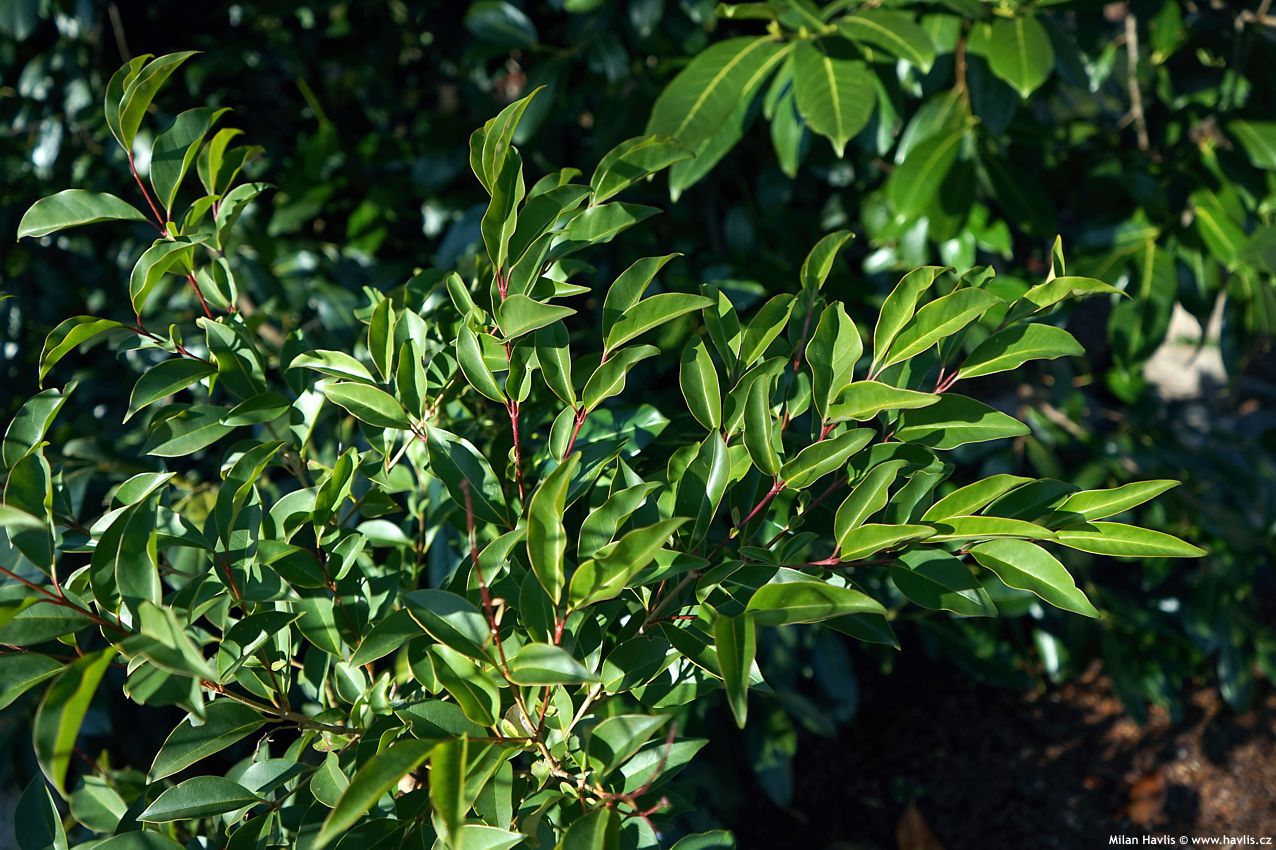
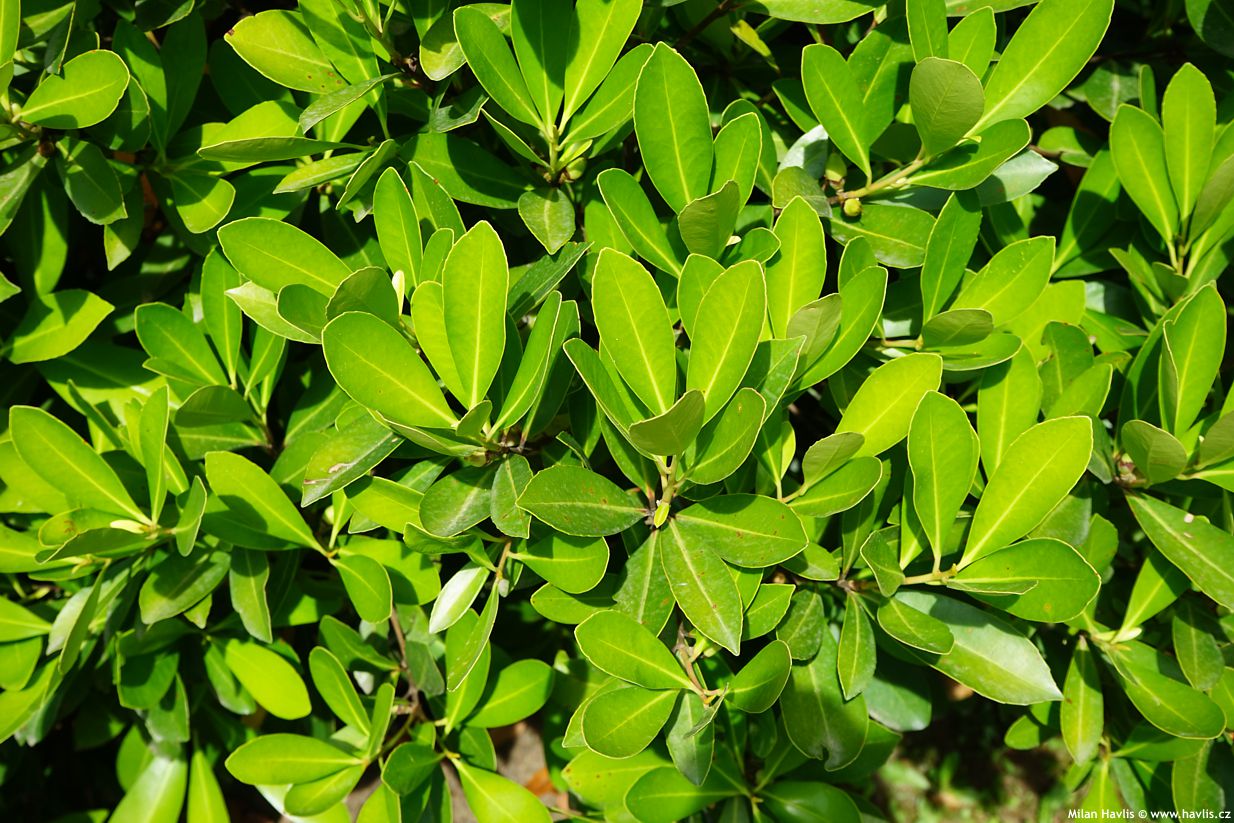
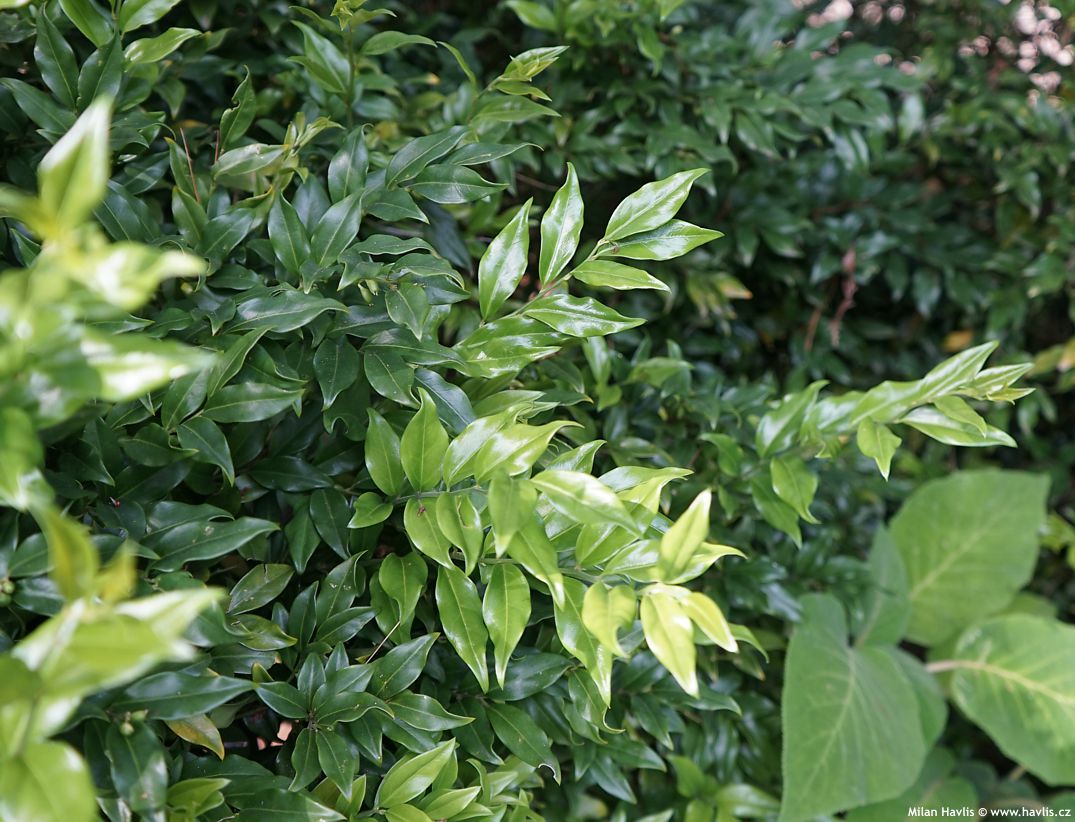
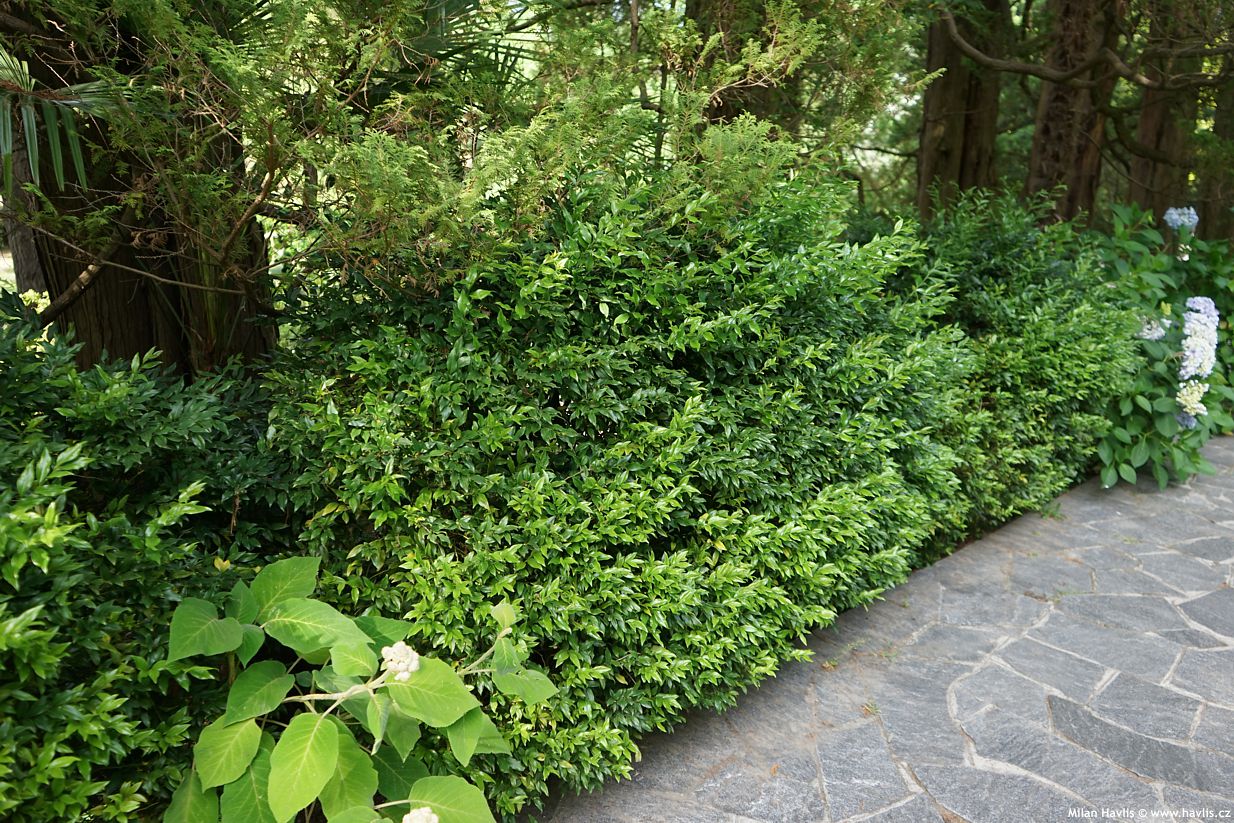
One of the most beautiful cultivars currently in cultivation is Texanum. It is easily recognised by its distinctive leaves, which are noticeably thicker and leathery, fresh green, highly glossy and always gently undulating. The underside of the leaves is very pale, and because the foliage is held upright, the contrast between upper and lower surfaces is particularly striking. ‘Texanum’ forms well structured, rather spreading shrubs with an attractive tiered habit – something quite unusual for privets, which typically grow in a more upright manner. No one knows for certain where this cultivar originated, but it is believed to have come from Texas, where Japanese privets were introduced in the second half of the 19th century and found excellent growing conditions – hence the name.
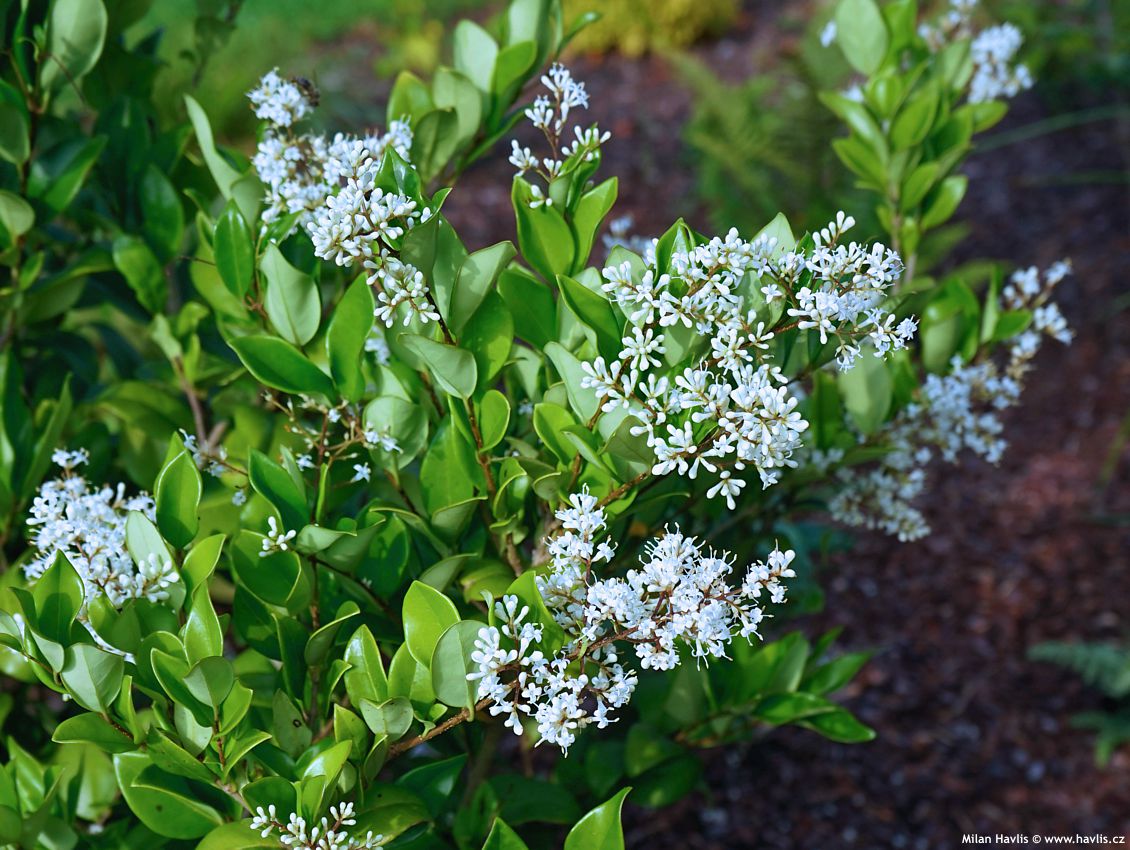
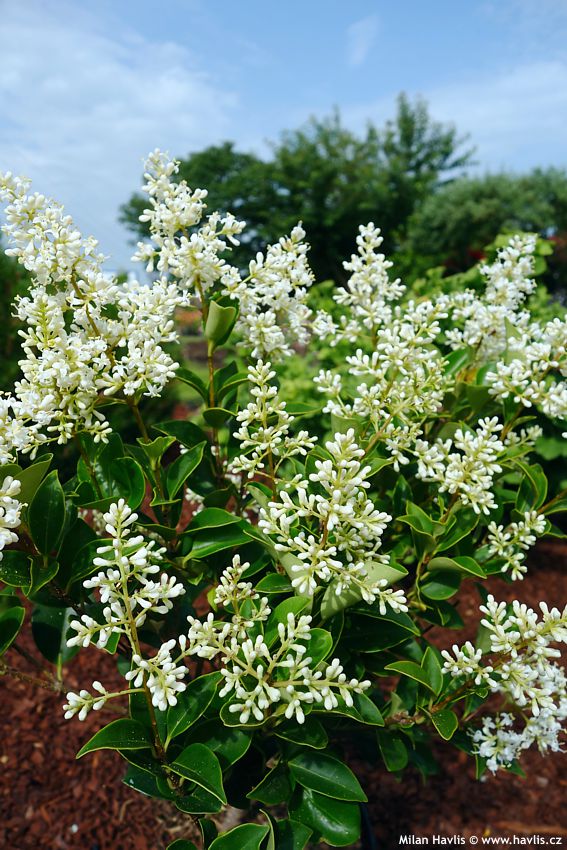
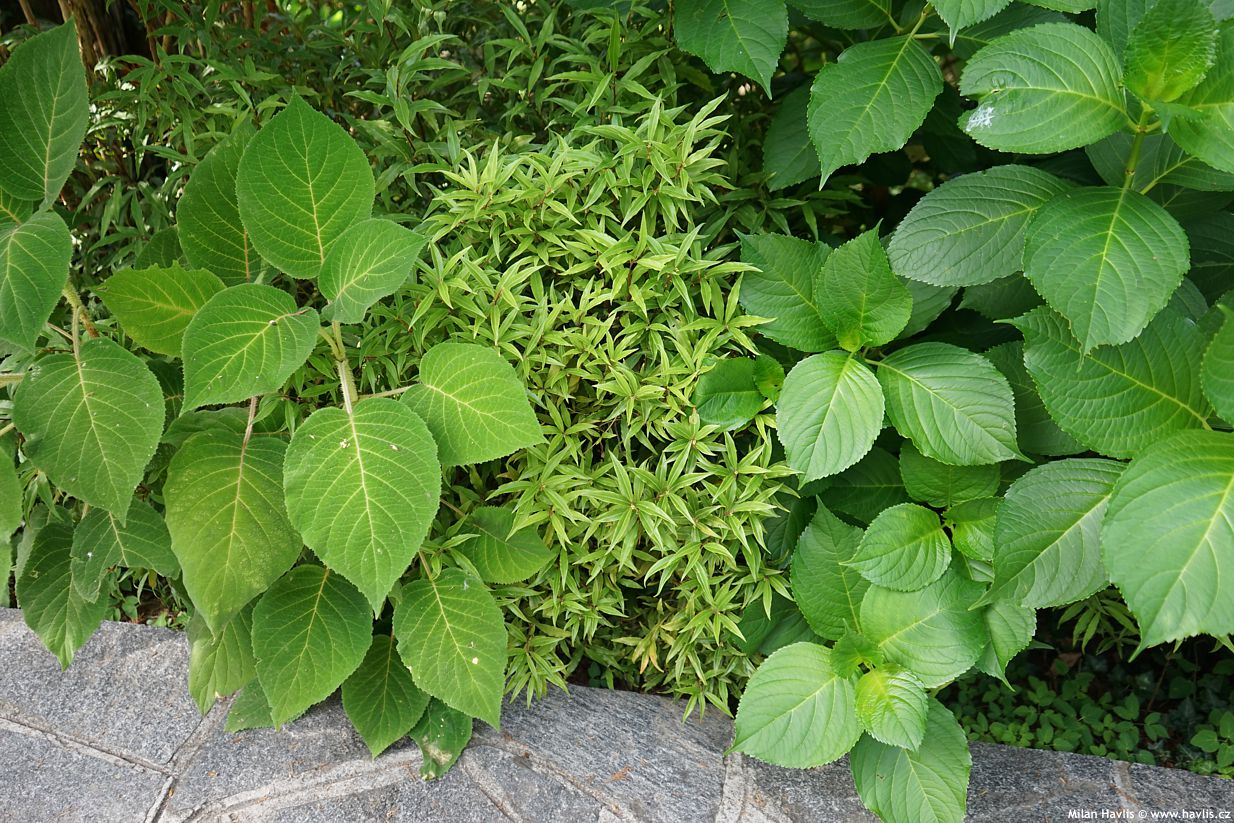
Another noteworthy cultivar of the Japanese species is the dwarf Korea Dwarf. It grows slowly and very densely and, in addition to its reliably evergreen foliage, stands out for its abundant flowering. All privets flower, usually from early to late summer, but because this cultivar is compact, the flowers are concentrated over a smaller area, creating an exceptionally rich display. The flowers are also pleasantly fragrant.
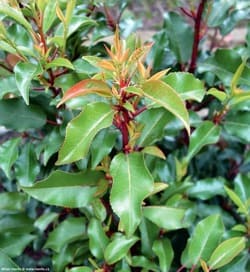
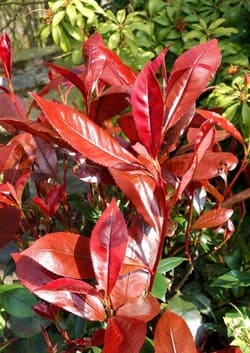
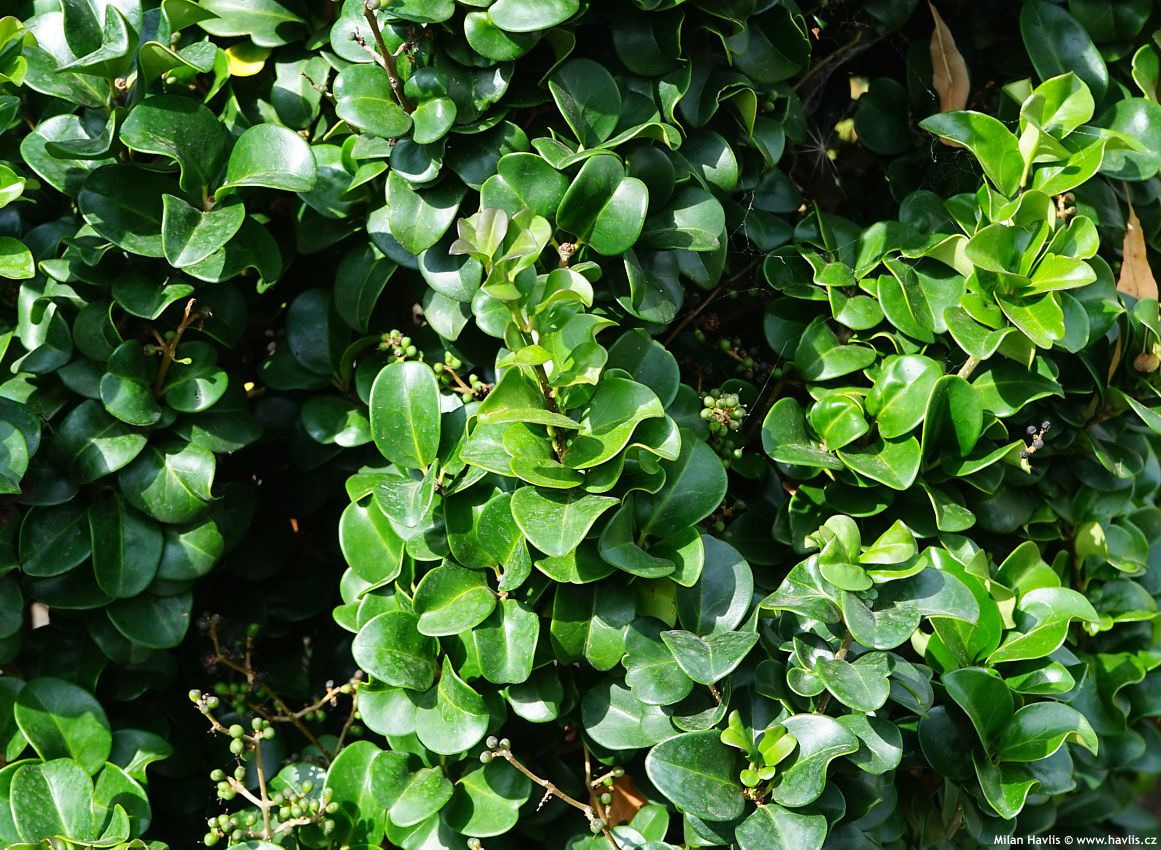
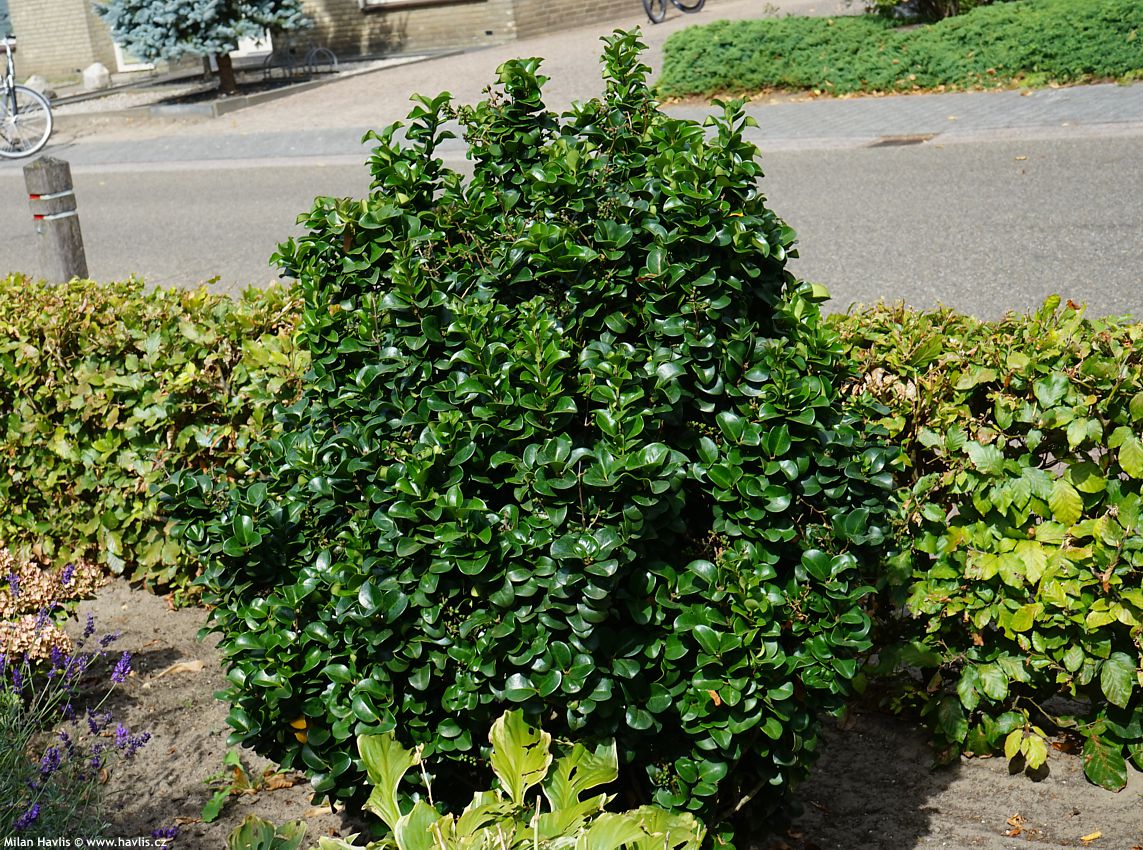
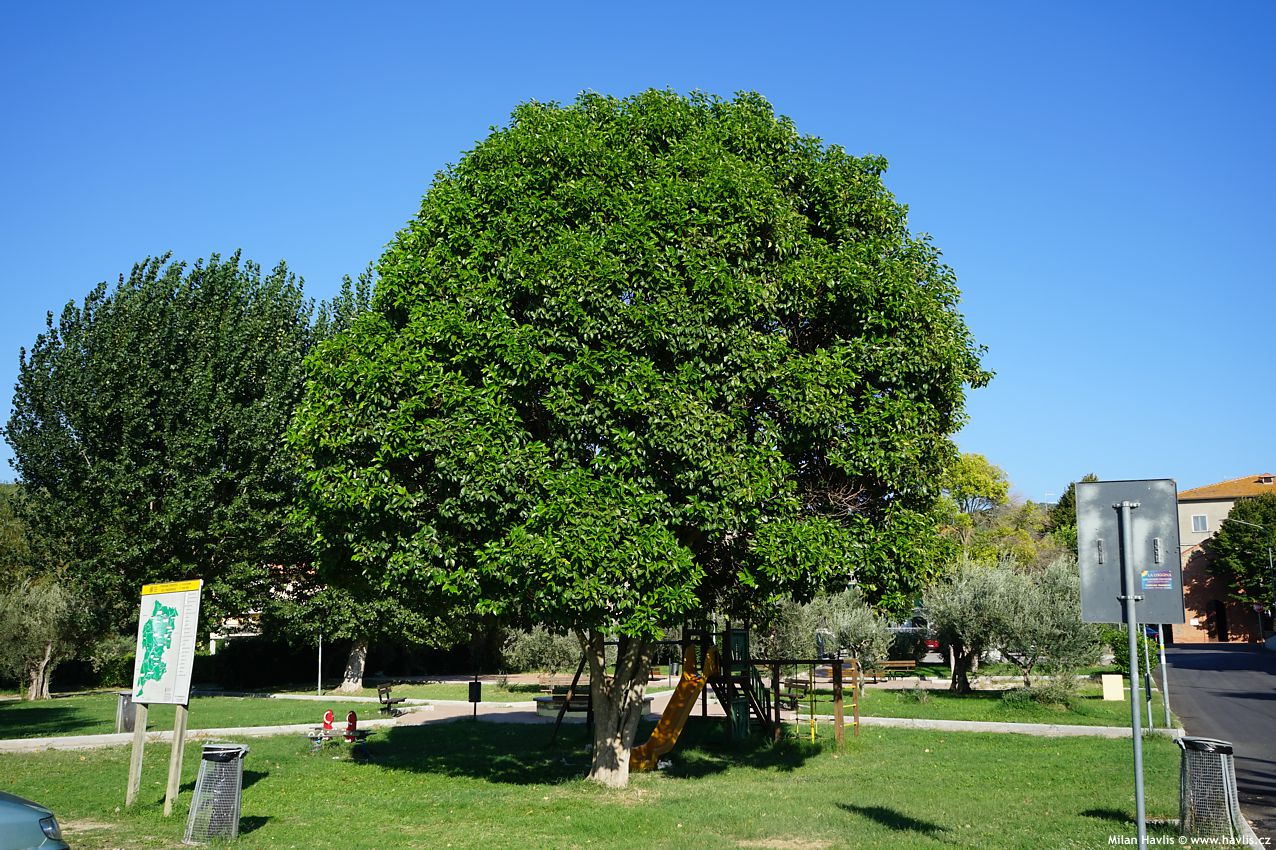
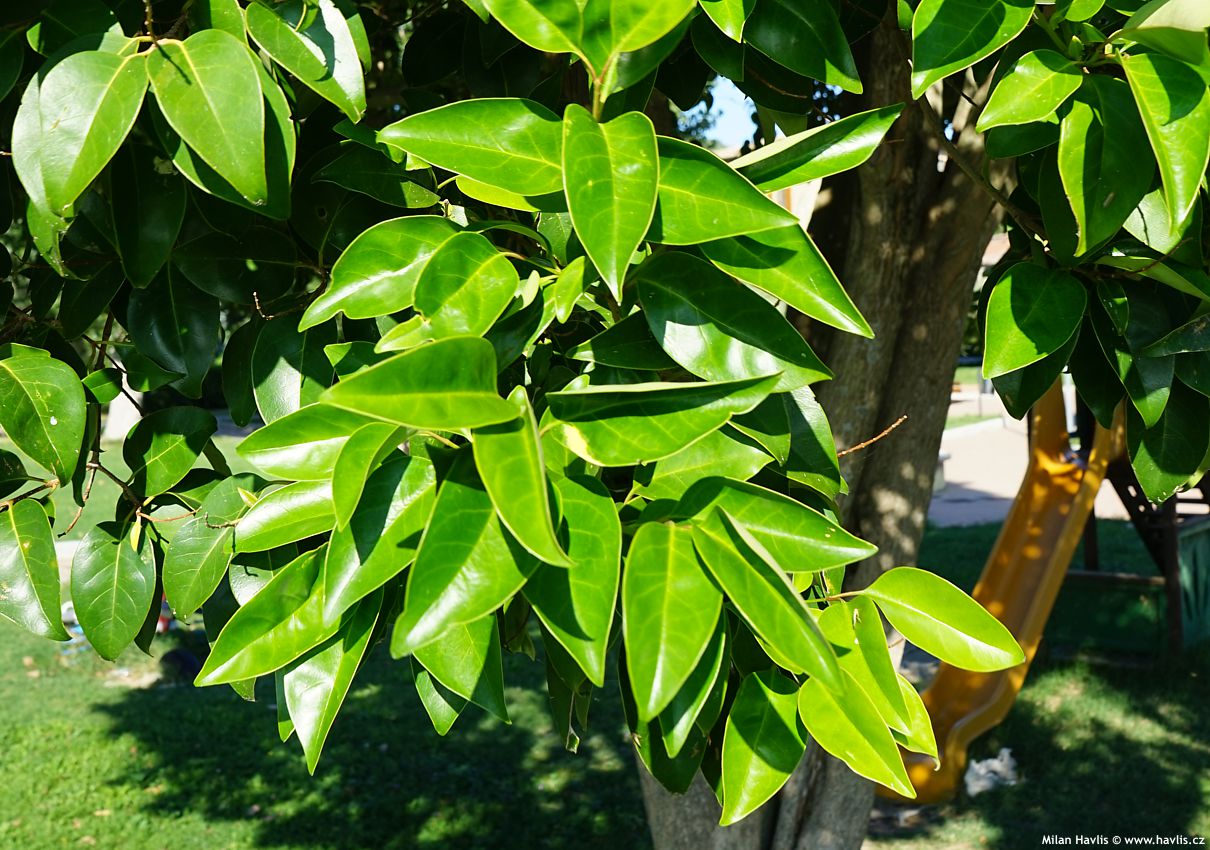
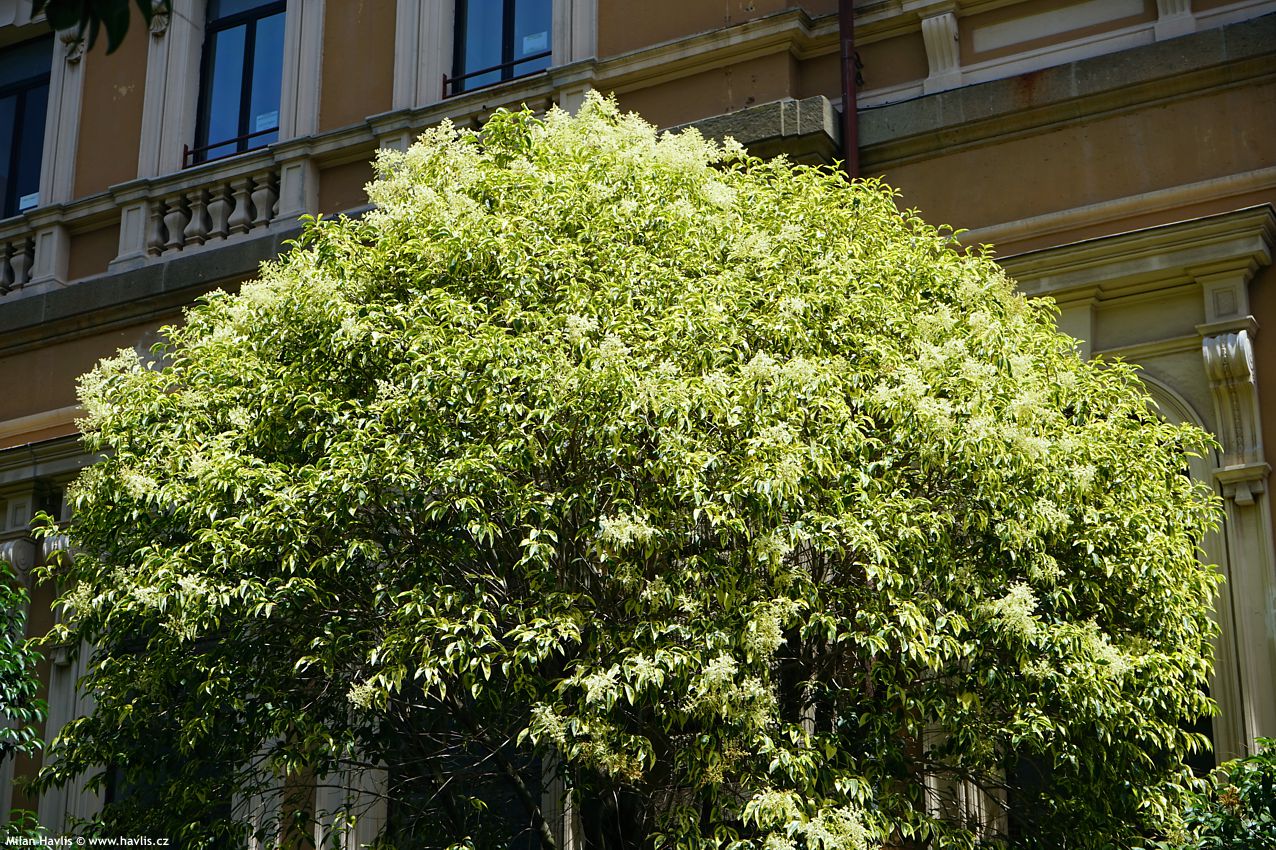
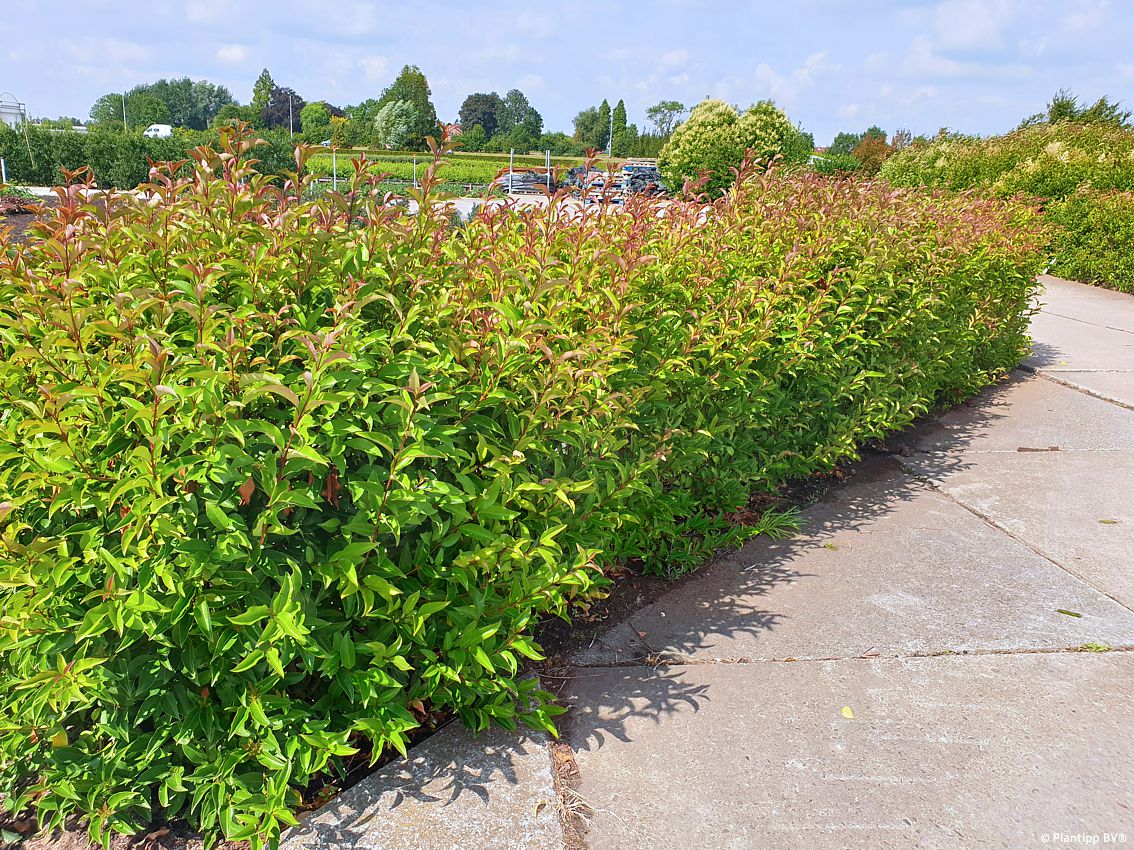
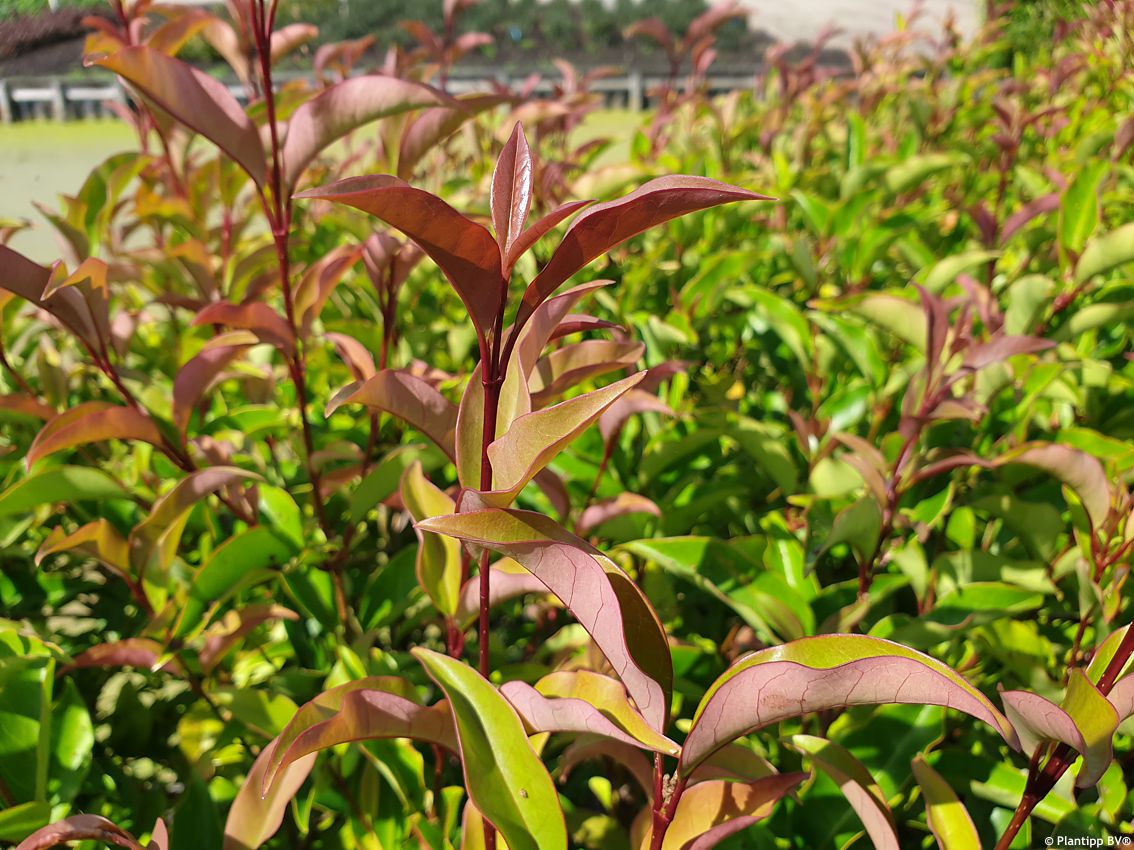
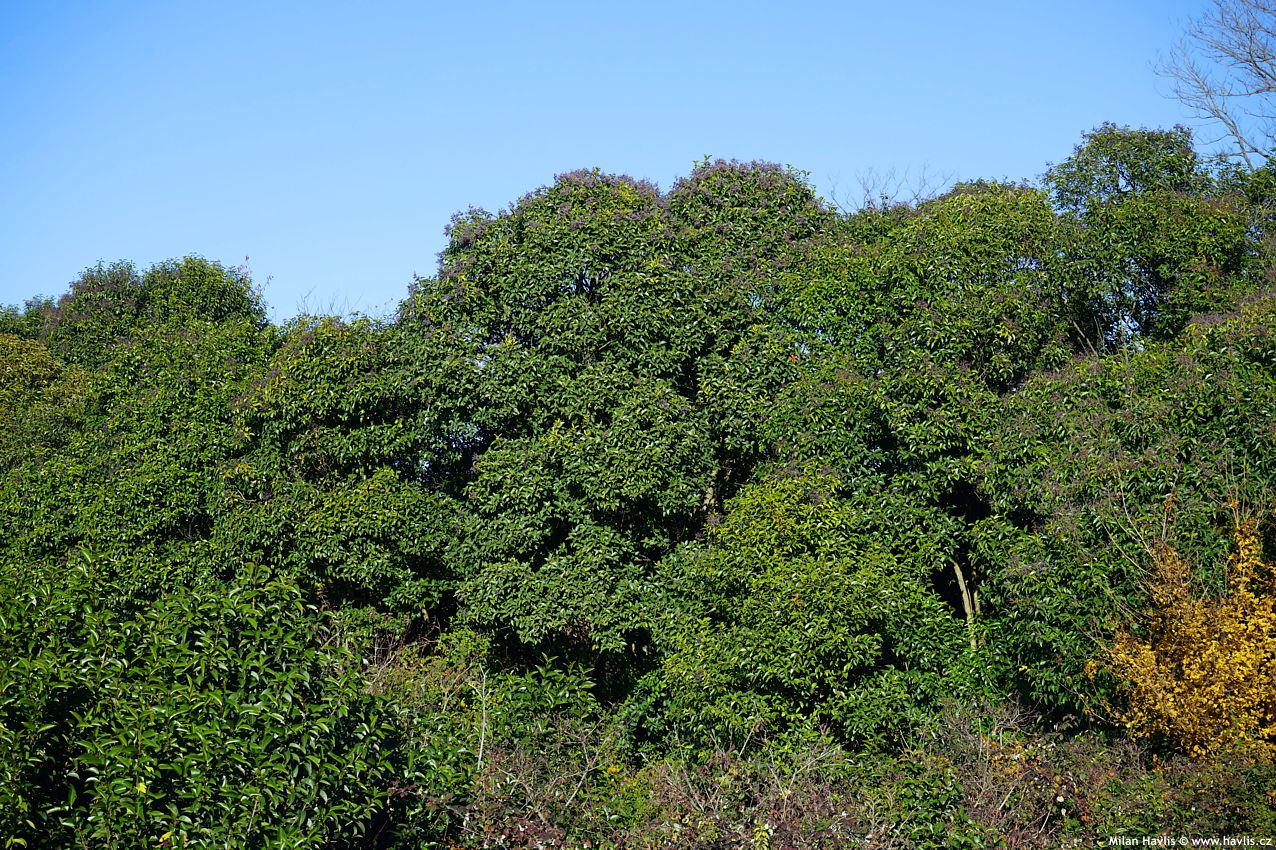
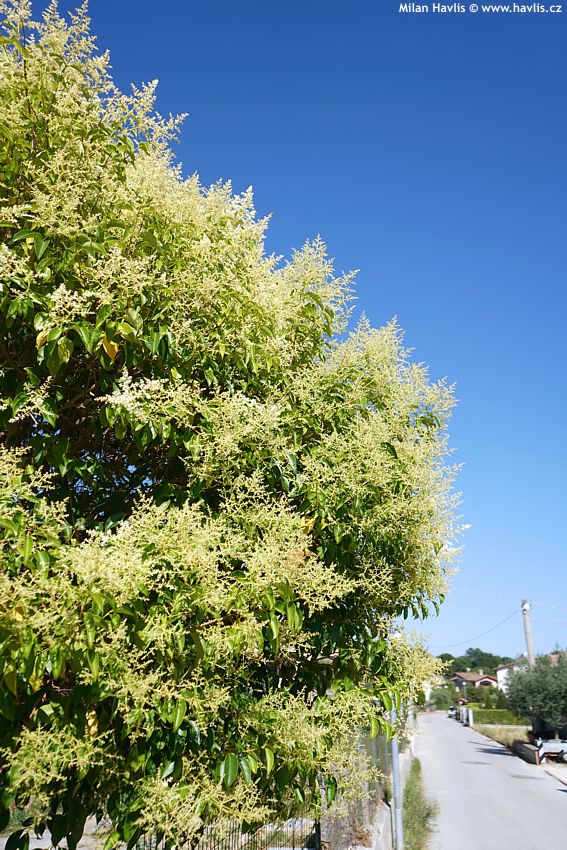
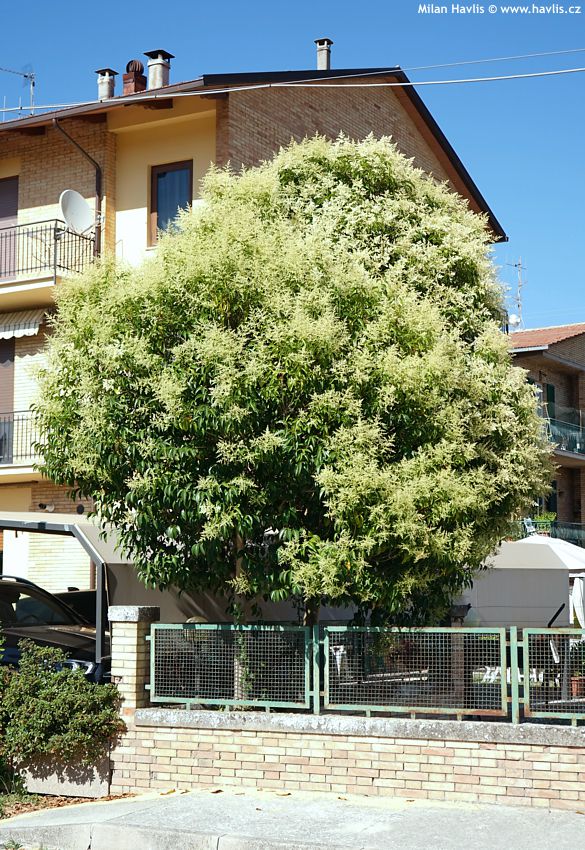
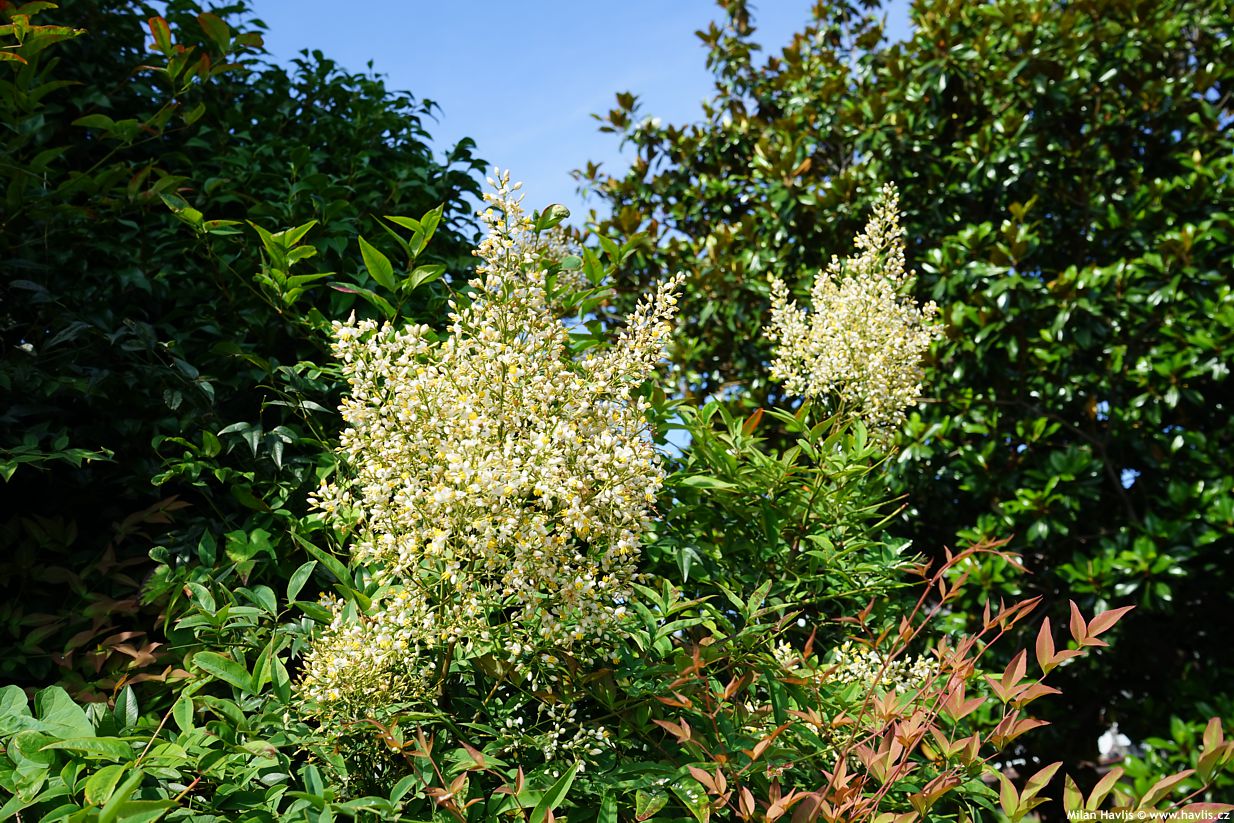
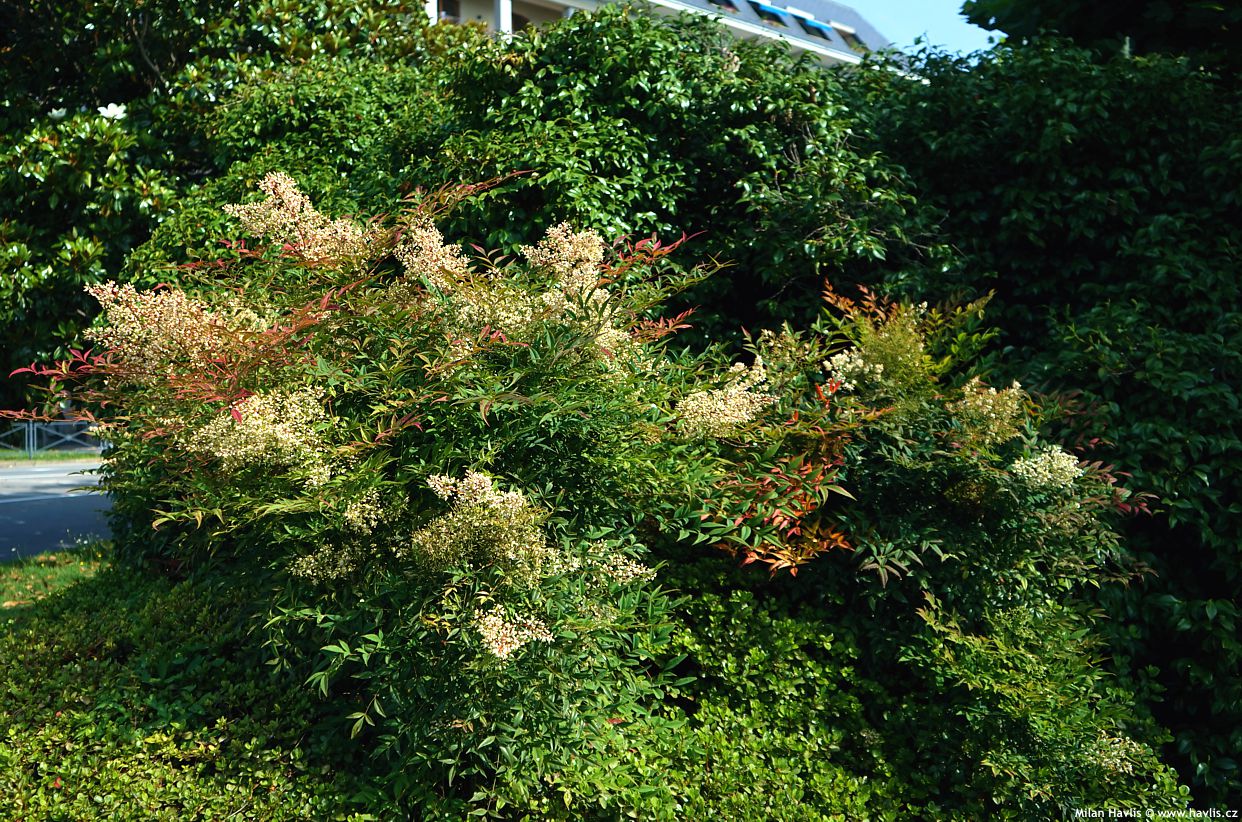
From Japan we now move to China, the home of glossy privet. This species is also reliably evergreen, although somewhat paradoxically its leaves are often less glossy than the name suggests. They are leathery and obovate, and young leaves may be flushed with burgundy, as seen in the modern cultivar Green Screen. As the name implies, it is ideal for hedges and garden screens, as it eventually forms almost impenetrable thickets. It flowers much later, towards the end of summer, and is grown not only as a shrub but also as an effective small tree, which in full bloom is literally covered in flowers.
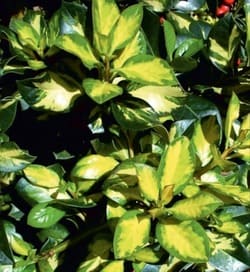
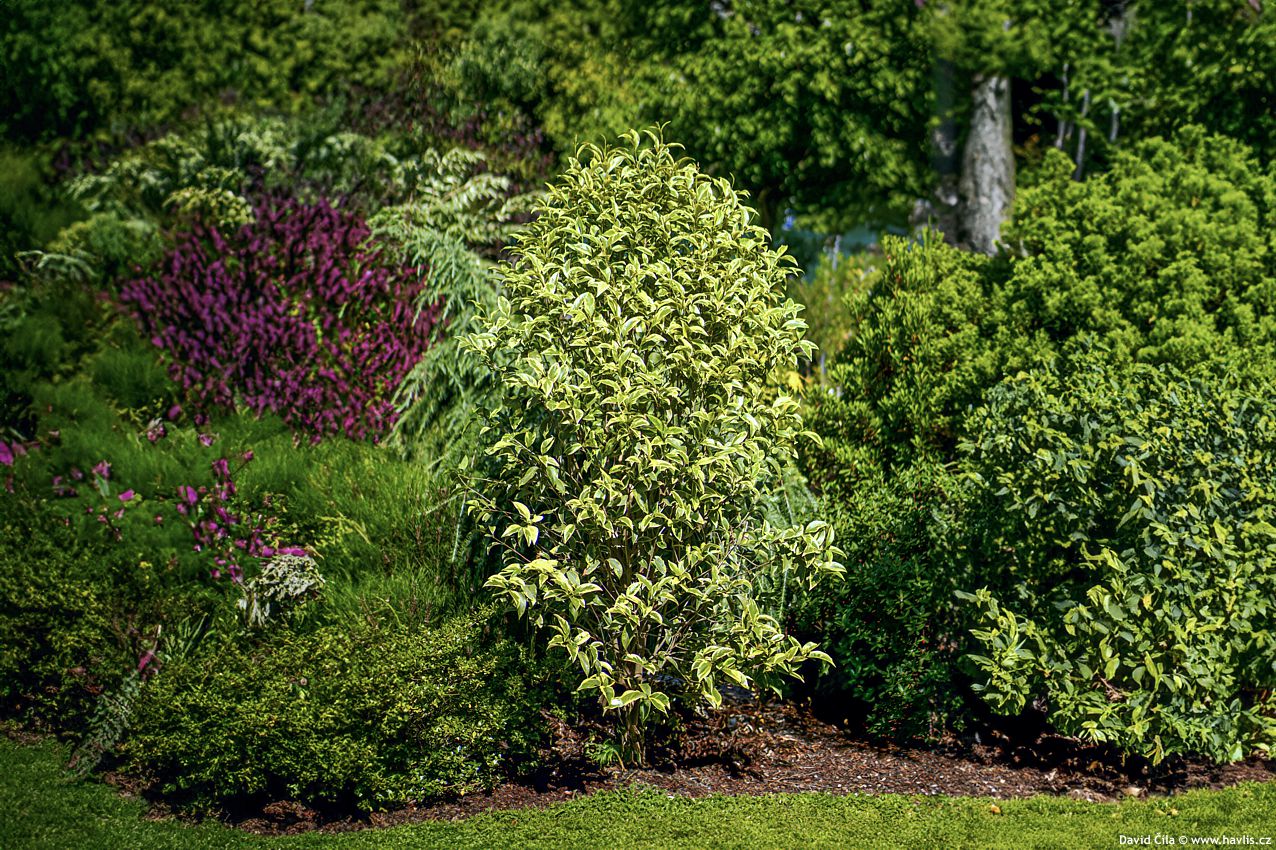
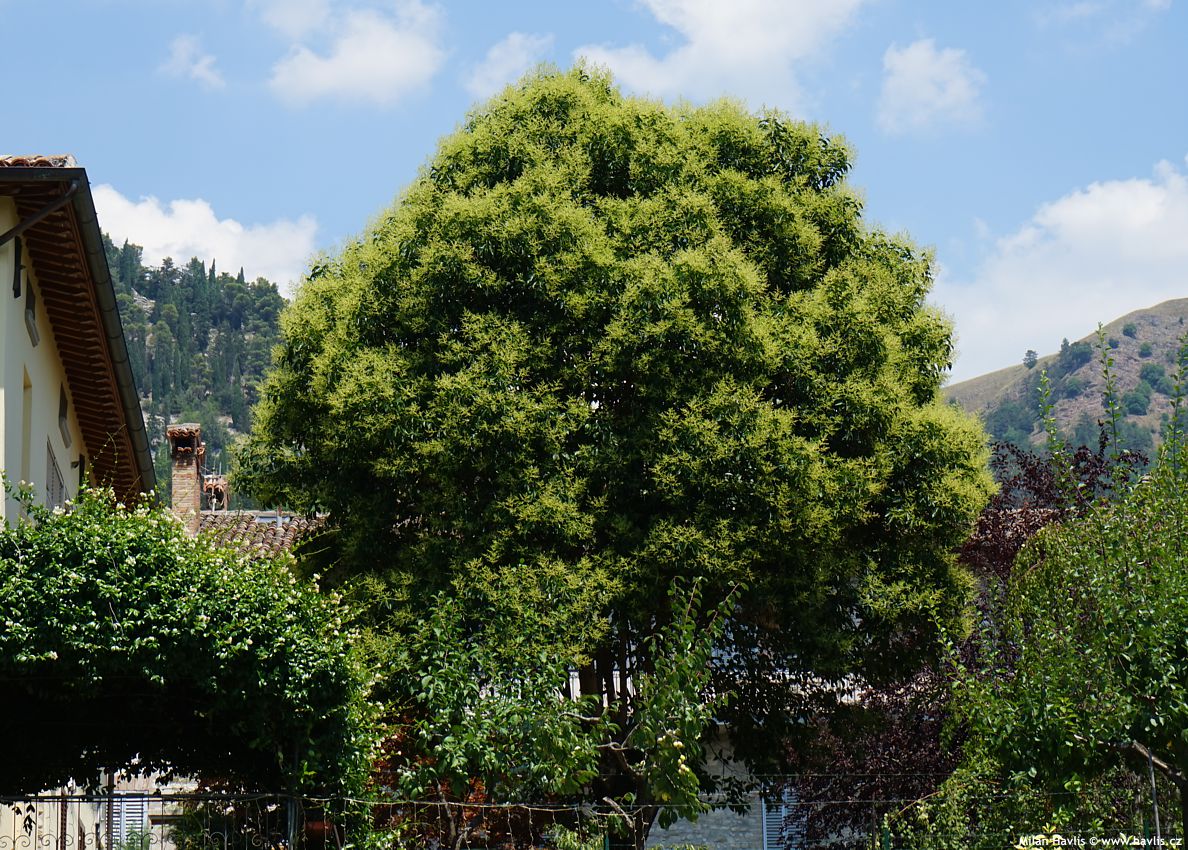
In addition to green leaved forms, there is a particularly striking variegated cultivar, Excelsum Superbum. On my travels in southern Europe, I encounter it far more often as a tree than as a shrub, planted in urban avenues. A gardener friend of mine from Maryland in the USA has confirmed that it is also popular there as an evergreen street tree, thanks to its minimal maintenance requirements and excellent tolerance of summer heat and seasonal drought.
In its native range, Chinese privet has one fascinating additional role. It serves as the host plant for the insect Ericerus pela, which produces thick waxy coatings on the branches. These are scraped off in autumn, processed, and used to produce so called white wax, historically employed in candle making and traditional medicine. This practice is more than a thousand years old, and until the early 20th century, when it was replaced by artificially produced paraffin, white wax was among the most commonly used waxes. As a result, the collection and processing of white wax was considered an important craft, comparable to any other essential trade of its time.
The fruits of all privet species contain glycosides that are mildly toxic to humans and domestic animals. In the case of people, the advantage is that this can be explained; with pets, it helps that the fruits are usually borne higher up in the shrub, are not easily accessible and are generally unpalatable. In addition, entire fruiting panicles can easily be removed from the lower parts of the plant after flowering.
Both Asian privet species can be regarded as modern shrubs. They combine low demands on soil and irrigation with excellent adaptation to heat and drought. After planting, they require watering only briefly and later rely largely on natural rainfall. Only during dry winters should they receive some additional moisture. They tolerate acidic, neutral and alkaline soils and can grow in nutrient poor conditions, but they must never be planted in heavy, waterlogged ground. Frost hardiness has been tested down to −20 °C without damage, and newer cultivars and selections, such as ‘Green Screen’, have already withstood −23 °C. Further trials are ongoing.
.jpg)
PHILLYREA – A TREE OF HOPE
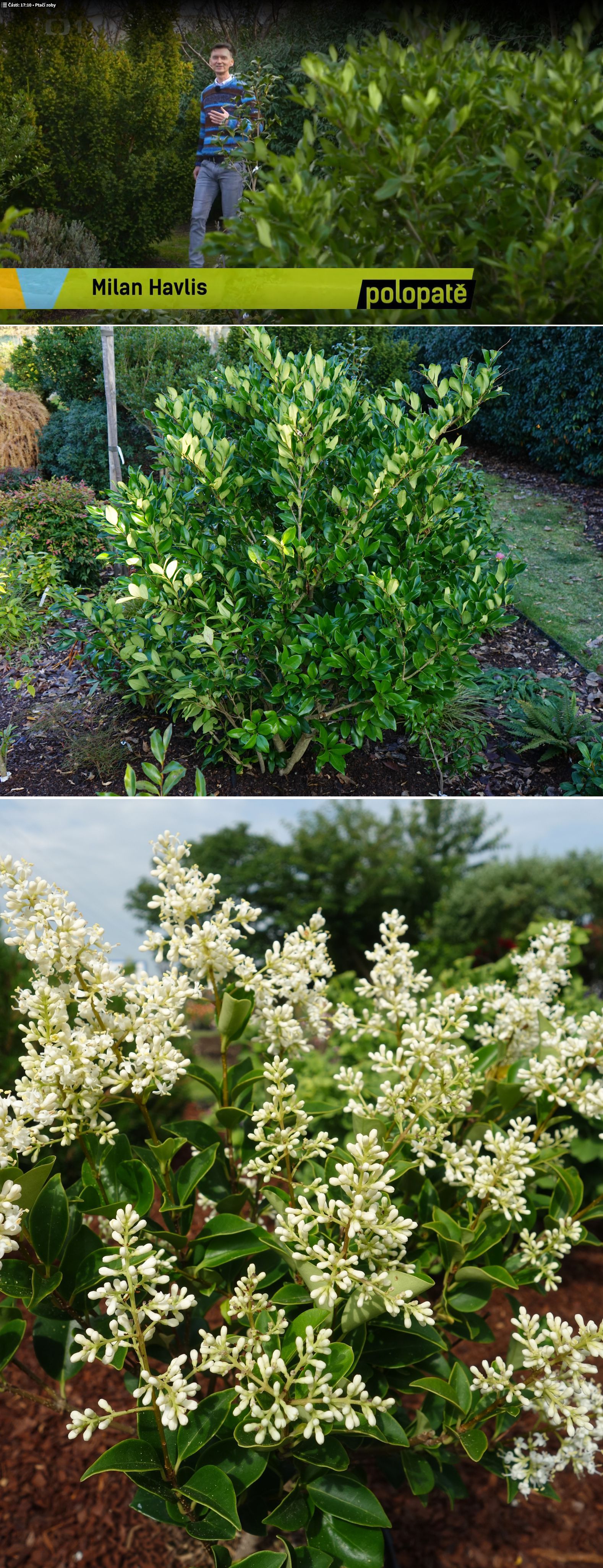
In today’s episode of the Polopatě tv show, I introduced an evergreen shrub that captured my heart more than twenty years ago. Its name is Phillyrea, known in Czech as jamovec. Do you enjoy stories and myths? Then I have both for you – a Greek tragedy and my own personal tale from the land of Albion.
The myth itself is a classic Greek tragedy, a story passed down since antiquity. Philyra was a beautiful sea nymph, with whom the god Cronus fell hopelessly in love. He desired her deeply, yet he was already married to another. Can you see how the torment of divided love has plagued not only humans since the dawn of time, but even the gods themselves? Unable to restrain his passion, Cronus devised a plan. So that neither Philyra nor his own wife would recognise him, he transformed himself into a powerful horse and, in that form, galloped to the nymph and seduced her. But even in Greek myths, everything comes at a price. From their union a child was born. When the beautiful Philyra gave birth, she was devastated – the child was half man and half horse, a centaur. Not just any centaur, but Chiron, who would one day accomplish great deeds and become the mentor of Achilles himself – though she could not have known that at the time. Overcome with shame at the sight of him, she begged the gods to rid her of her human form. The gods granted her wish and, because she was truly beautiful, transformed her into a beautiful tree – the phillyrea.
Back to our own century. Around 2005, I visited a nursery in England that specialised in exotic-looking shrubs with large, attractively shaped leaves suited to the local climate. To put things into context – England lies within an oceanic climate on the boundary between the temperate zone and the cooler subtropics, so it was clear that not everything grown there could be relied upon in our conditions. Still, every tip is worth exploring, and I wanted to see for myself. It was an exciting challenge to discover so many beautiful woody plants and begin testing them one by one back home.
I was accompanied by two people – the older owner, a tough, weathered character, visibly proud of his life’s work, perhaps at times a little too much so, and already weary of worldly bustle. And a young man, fresh out of school by the look of him, who seized every moment when the owner was not preening himself to enthusiastically explain what grew where and how it was doing. At one point I stopped by an interesting composition featuring a large-leaved Fatsia japonica, nearly two metres tall, and right beside it an equally impressive Eriobotrya japonica, clipped into an elegant multi-stem form, about three metres high, crowned with a dense canopy of enormous, leathery leaves. It was obvious that these beauties were not meant for me – at first glance they radiated the message: we are not frost-hardy.
Keep reading in the articles section.
.jpg)
🌳 Trees can transform the landscape. And the man. 🌳
Once again, I found myself drifting through trivial thoughts, sorting through last year’s photos, staring out the window at the trees in the garden, when my mind wandered to the idea of a tree — and how different people perceive it. My mischievous brain began inventing little scenarios for people of various professions and worldviews, and I realized, grinning, I rather enjoying it 😊
What do you think a… butcher sees when he looks at a tree? To him, it’s a deeply suspicious object. It’s big, it’s strong — but no meat, no bones to carve up, grind, and sell. It just stands there, taking up space. Possibly even getting in the way.
And what about a developer? He loves trees. Truly. He loves them so much that he would most happily see the tree transplanted somewhere else entirely — somewhere he could gaze at it with the same affection he reserves for a mother‑in‑law finally disappearing into the distance after a several‑day visit. In other words, well outside the chessboard of his project, somewhere beyond the reach of the environmental authorities. Because what he really needs are parking spaces.
For a child a tree is a dragon. A tree is a ship. A tree is… the perfect hideaway! If it has good branches to climb, disappearing from parental supervision into a dense crown. And from its very top, the child can then throw cones at everyone below and shout, “I’m not coming down! You come up here!”
A botanist: “Hm, this is rather tricky. These veins in the leaf don’t correspond at all to the typical pattern described by Carl Linnaeus in 1753. So, either they are fooling me or am I the fool here?” he wonders, already entertaining the idea that a grant application for further research might be necessary.
A firefighter knows immediately — a tree is a problem whenever it’s lying across the road. At the same time, it’s also an opportunity to prove heroism, when a lost kitten is lowered from its crown by his arms of granite. But wait — don’t film this. The kitten has decided not to appreciate the rescue and sinks its terrified claws so deeply into those granite muscles that the firefighter emits a sound one would expect more from an opera singer than from a rescue team.
An influencer. “Sorry… what?” (a billion icons, emojis, incomprehensible symbols, and abbreviations ending in WTF)
And finally, there’s us. And you too — so don’t laugh too hard. If you’re reading this, chances are you share the same diagnosis as I do, which means the butchers, firefighters, and developers can have their go and laugh at us 😊
For us, a tree is BEAUTY. A young one is full of anticipation, hope, and faith that it will one day become a strong and magnificent specimen. We plant it, walk past it often, and watch it grow. A few years pass, we grow accustomed to it, and for a while we stop noticing it. Then, in an unguarded moment of weakness, we glimpse it from a different angle, in a different light — and suddenly we’re filled with bliss and affection. And we realize how glad we are that we planted it all those years ago.
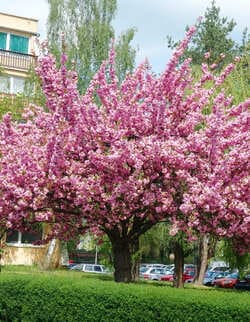
A tree is a pillar, an anchor of the garden. It frames our own life story. And so, we choose it carefully. Sometimes we focus on practical matters — utility and proper proportions. Other times we look at its future silhouette and imagine it dancing in the garden — without movement, without music. We marvel at its breathtaking blossoms and fragrance, exploring the many shapes and colours of its leaves.
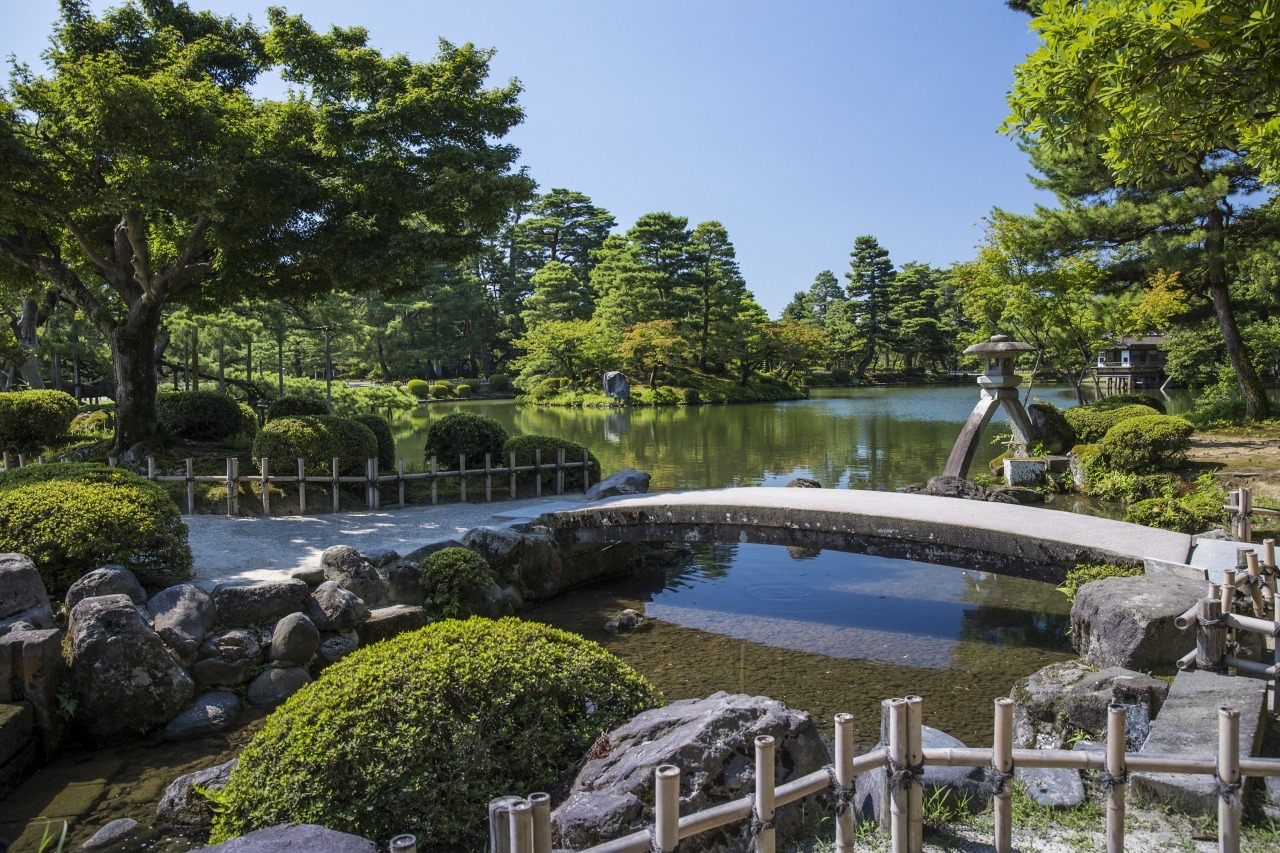
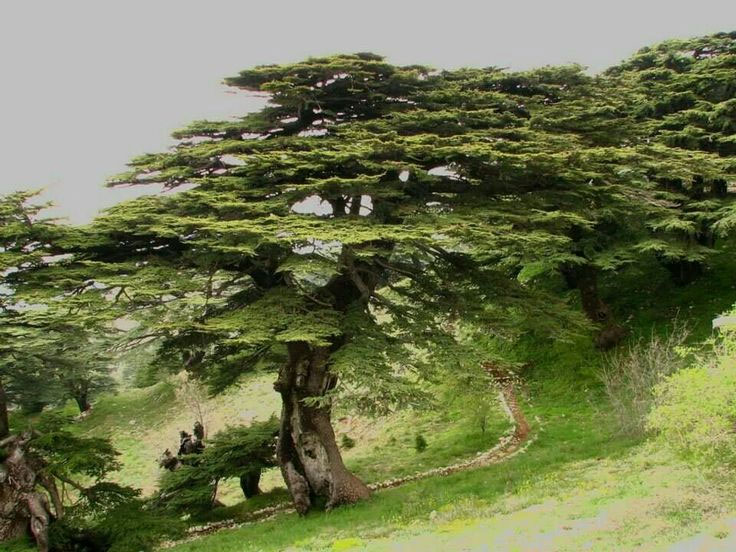
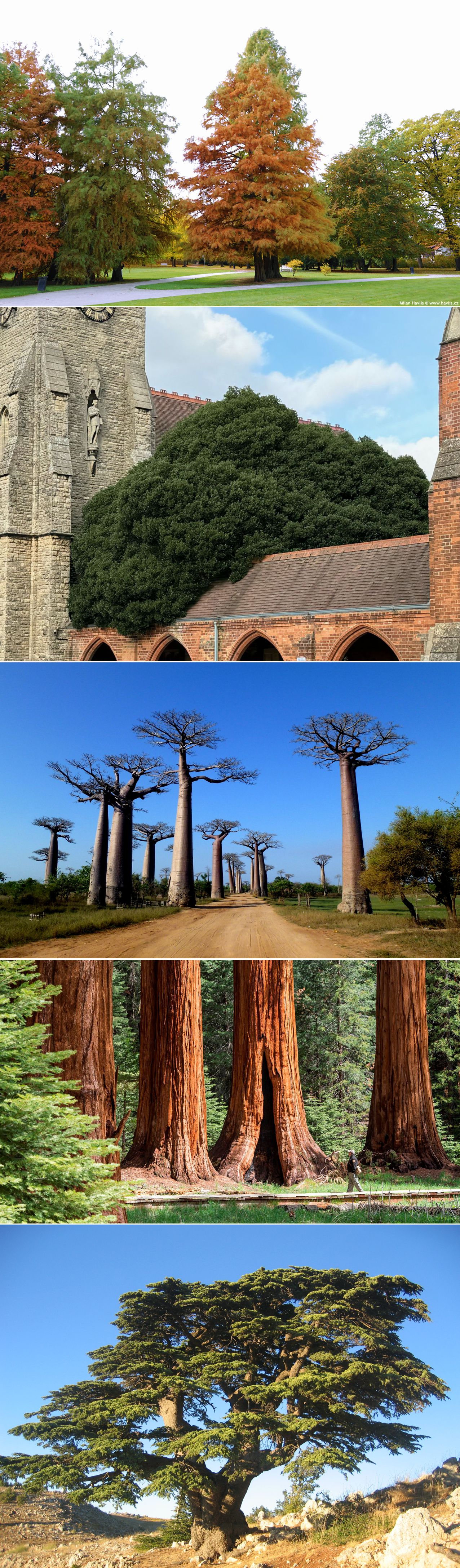
Sometimes we recognize it instantly, like love at first sight. Other times we must see it in the right composition — above the rooftops of St Edward’s School in Oxford, among stone lanterns in the damp haze of Kenroku en Garden in Kanazawa, between the trunks of Redwood National and State Parks in California, standing breathless with dropped jaw in Morondava, Madagascar, on the island of Yakushima where the shadow of Princess Mononoke still lingers, or in Bsharré, Lebanon, where only a few last giants remain as a reminder of human greed — when timber was harvested so recklessly that almost nothing was left.
We have trees for you. Beautiful ones. More beautiful and interesting with every passing year. Here is a collection of the most compelling specimens we managed to photograph in the nurseries for the coming spring — and you can now browse and order them. I’m genuinely delighted, because we’ve managed to assemble such a rich palette of textures, shapes, colours, and blossoms that your eyes may well wander. We’re confident everyone will find something they love.
Trees are not an inexpensive purchase, but it’s worth seeing them as an investment in the most important element of a garden: its foundations. Browse, think, plan, and choose. Supplies of the more special specimens are limited. If they disappear from the e shop soon, it means they’ve sold out — but don’t despair. E-mail us, and we’ll see whether we can secure a few more from the grower. 😉
Finally, a bit of nursery jargon. A tree is a woody plant trained with a single central leader (only one main trunk). If a plant naturally has several stems from the base, or is intended to be grown that way, it is generally treated as a shrub (or a multi-stem plant) rather than a tree. A tree can be supplied as a standard — with a clear stem (typically around 2 m) and the crown starting above that. If it carries branches from near ground level (as many conifers do), it is usually described as a feathered tree (or simply feathered). A similar, youthful form with a strong leader and short side branches is often sold as a whip. These are the kinds of terms you may come across in the catalogue, but the practical rule is simple: if it’s listed as a tree, expect a clear stem to about head height, with the crown above.
With so called multistems, things aren’t entirely black and white. From a botanical point of view, plants with several stems are often considered shrubs, but in everyday gardening practice people commonly talk about multi stem trees as well. It mostly comes down to form and overall impression. If a plant has many stems and spreads outwards, it’s usually called a multi stem shrub. If there are just three or four stems, upright and clearly defined, we commonly list it as a multi stem tree. We’ll leave these forms for another time — they’re so beautiful in their own right and important in the landscape, that they deserve a presentation of their own 😊
.jpg)
.jpg)
.jpg)
.jpg)
.jpg)
.jpg)
.jpg)
.jpg)
.jpg)
.jpg)
.jpg)
.jpg)
.jpg)
.jpg)
.jpg)
.jpg)
.jpg)
🌍Plants from Many Worlds, People with Common Roots 🌱
Whenever I travel, two things always fascinate me: differences and similarities. What people elsewhere do differently — and, just as importantly, where we turn out to be surprisingly alike 😊 I love this duality. It gives me a deep sense of satisfaction, because I get to discover new places and unfamiliar sights, while also realising that we are all cut from the same cloth.
I remember travelling to Canada for the first time when I was about twenty‑two. I don’t hesitate to say I was still very green as far as my travel experience and it was my very first journey that far from home. You can probably imagine my excitement when my Canadian hosts offered me, the very next day, a guide — their friend, a Czech woman who had emigrated from Czechoslovakia in 1969. She was about thirty years older than me, well-travelled, and had lived through plenty of life’s ups and downs. There was no shortage of things to talk about.
I opened up to her about my worries over the meaning of the world — full of youthful idealism and a firm belief in endlessly bright tomorrows. But reality had already begun to challenge that idealism, and not very gently. I admitted that I had been looking forward to this journey across half the globe because I expected a completely different world. Some kind of release. Or hope. Or at least a real turning point.
She studied my fading expression and quickly realised that none of that had quite happened 😄 And then she said a sentence I have never forgotten: “And what did you expect? That we’d be green and have antennas?” With a wonderfully down‑to‑earth remark that contrasted beautifully with her intelligence, she brought me back to earth — and I had to admit "You know what? I kind of did." But I took her point.
At our core, we are all much the same — shaped only by different surroundings and customs. Ever since then, I have genuinely enjoyed exploring that idea on every journey I take. Everywhere, there is something beautiful, something different, something worth noticing. Just as it is worth recognising what we have back at home.
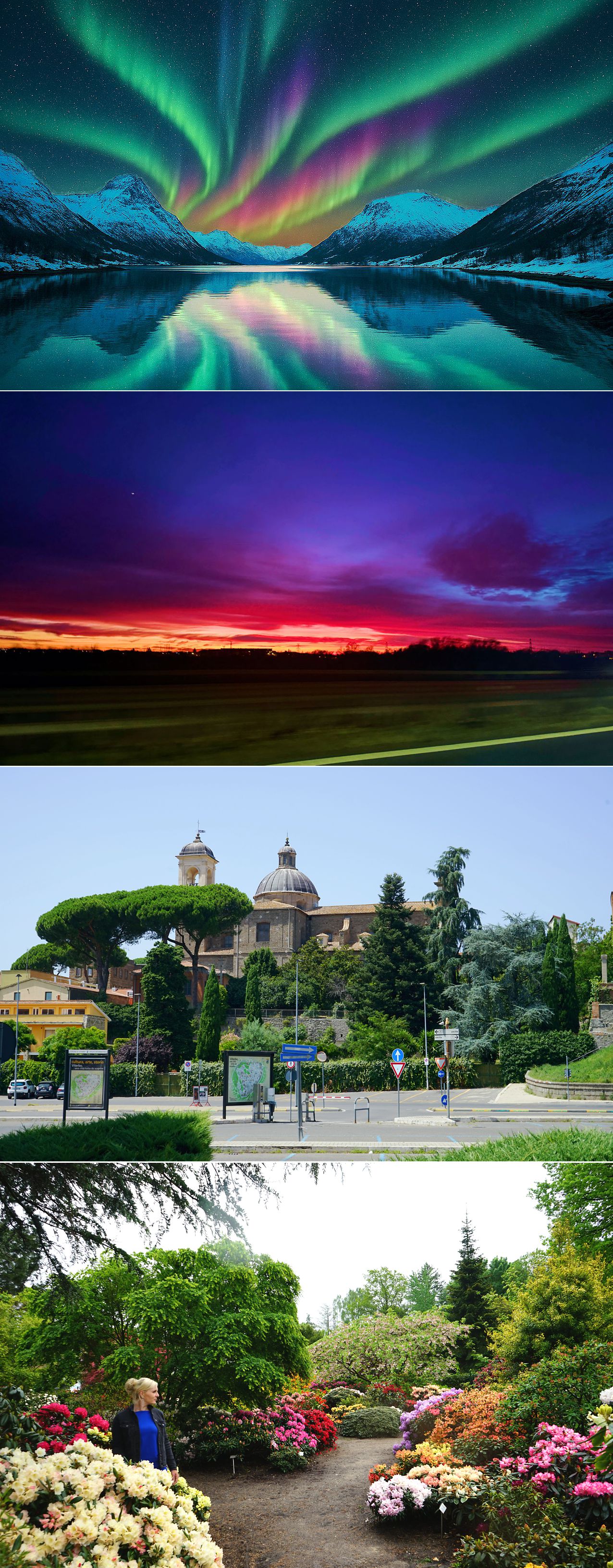
One of our colleagues has recently moved to Norway. We wish her best of luck and do you know what I envy her? That she’ll get to see the northern lights with her own eyes. But my envy lasts only briefly 😊 Because right after that, I realise she will miss our richly coloured Central European sunsets. Here, the sun sets more steeply, and its rays pass through layers of warmth, moisture and dust in the atmosphere, allowing colours to bloom into a fiery display. In northern countries, by contrast, the sun lingers low on the horizon in cold, clean air — twilight lasts much longer, but without that same depth and intensity of colour.
The same principle applies to vegetation. When we travel to warmer regions, we are instantly captivated by the local flora — so different, so exotic. For years, I envied southerners their palm trees, banana plants, tree ferns and other tropical wonders. But after visiting those places a second or third time, I realised that yes, they have palms, tree ferns and bananas… but largely the same ones, over and over again.
As I continue discovering and describing more and more plant species that can thrive here, I am increasingly aware of just how rich our own plant diversity is – or at least can be – thanks to our temperate climate. Alongside native species, we can successfully grow plants from the fringes of the subtropics as well as from northern regions. Our climate still provides conditions that allow all of them to flourish.
I have been devoted to this search for plants from the margins for over twenty years now — and it is a wonderful and rewarding kind of work. Even today, I often feel like a small boy again when I discover another plant that can grow happily here and bring its beauty into our gardens.
Do you know that feeling?
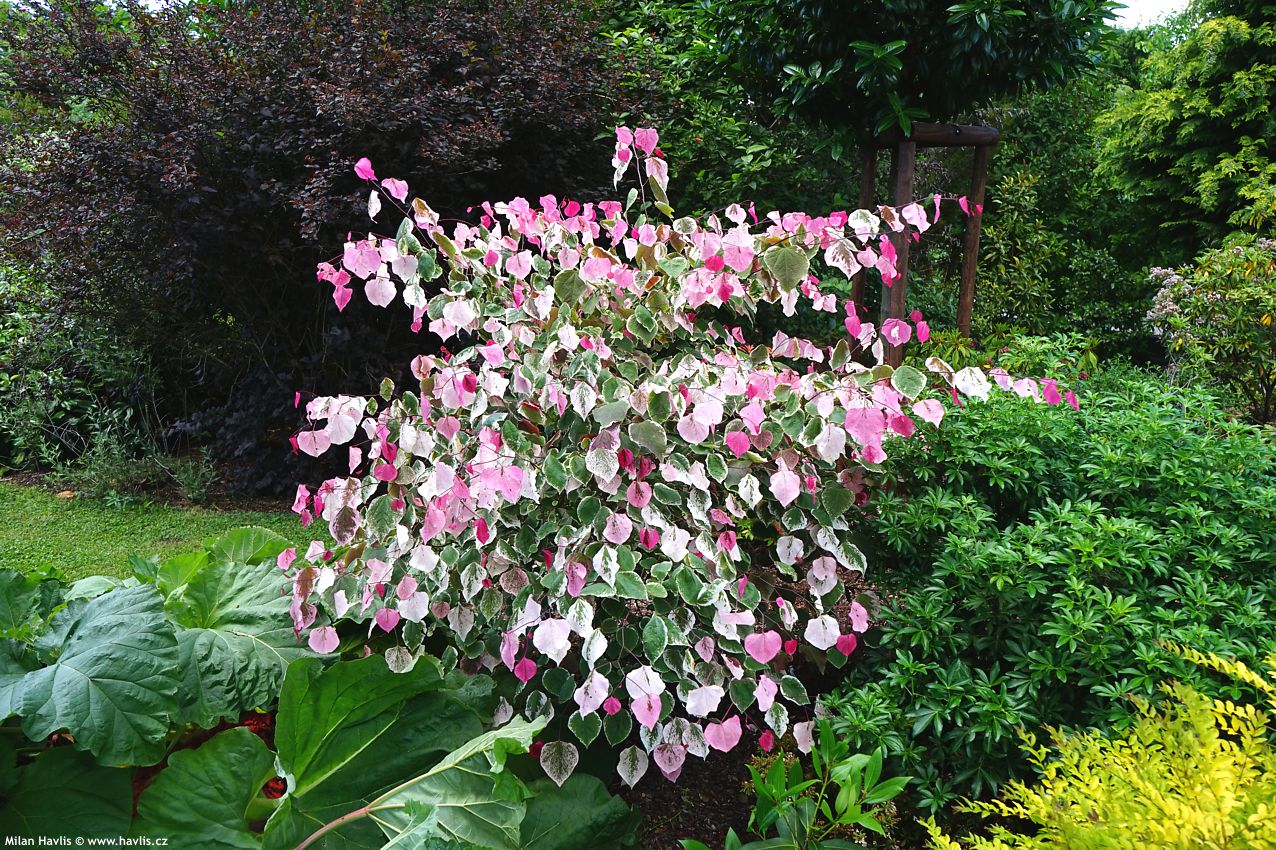
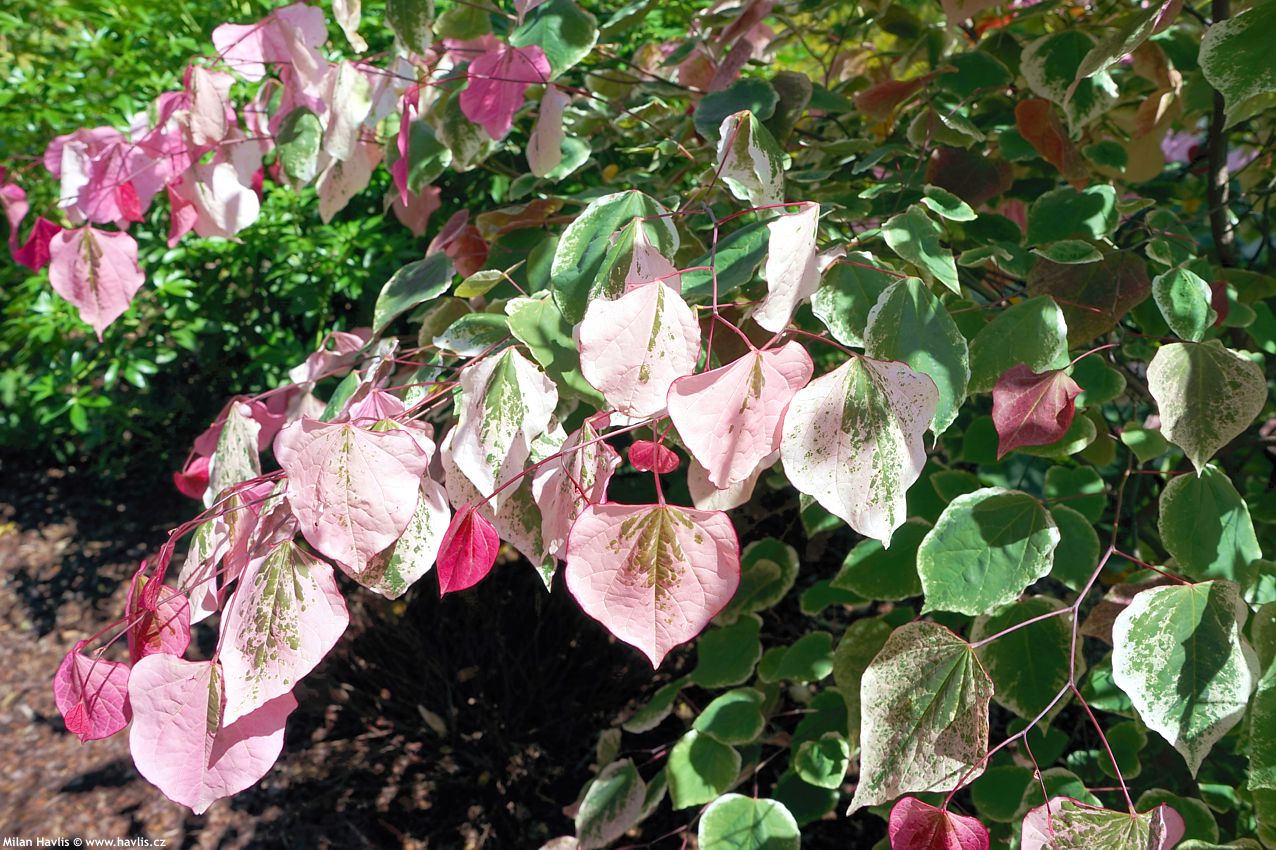
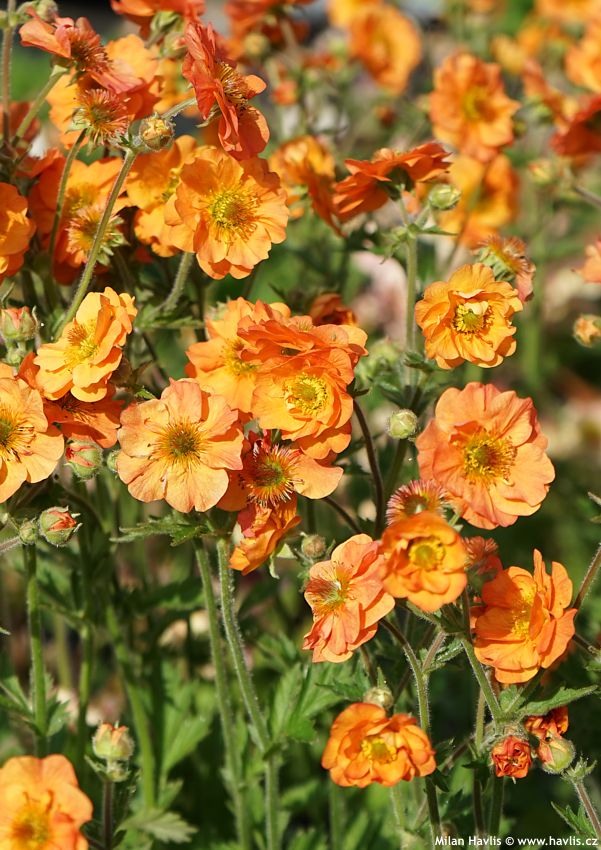
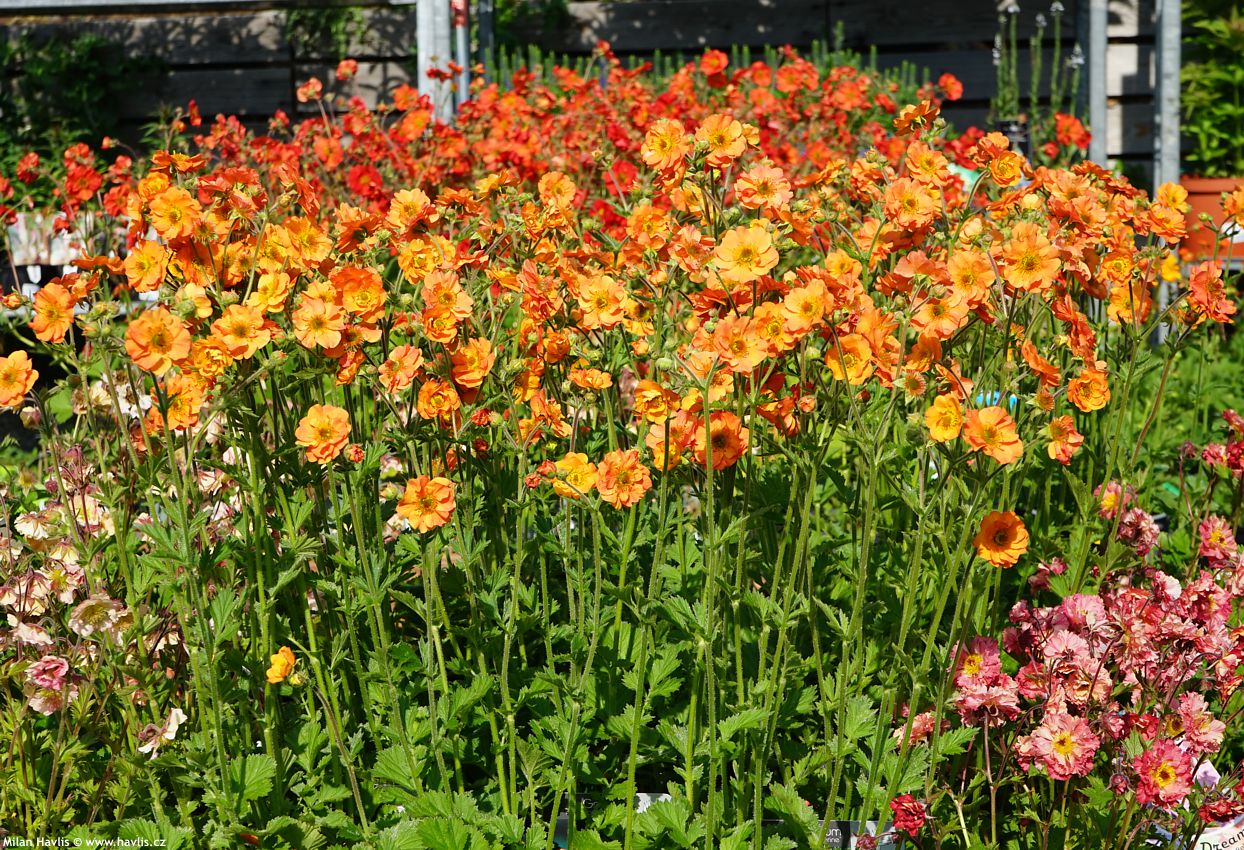
That is why, when you visit us and see our selection, it can feel like stepping into another world. A world I have been delighted to share with you for the past twenty‑one years in our garden centre. And I believe that you, too, will discover beauty in the less obvious perennials, shrubs and trees — plants whose uniqueness fits perfectly among the familiar ones, lifting the entire garden composition to a new level.
Come and explore a few of them with me, shall we? 😊
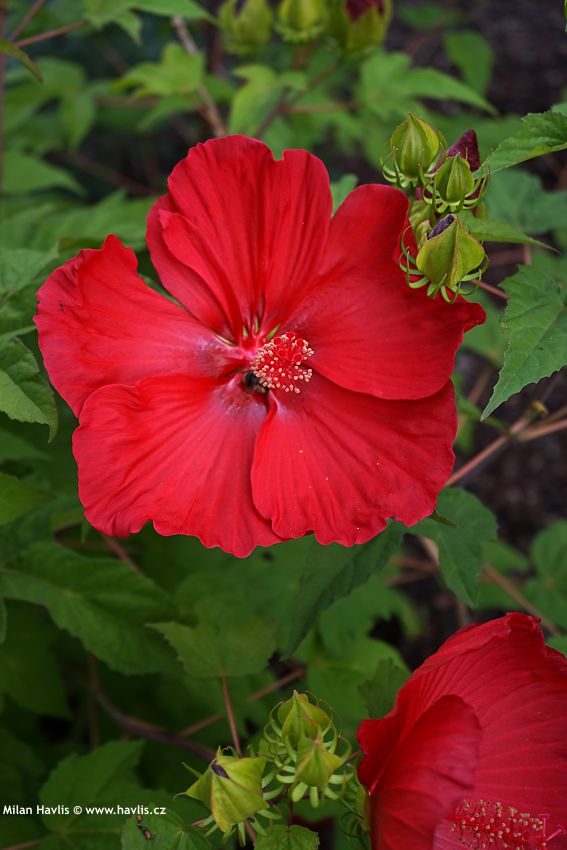
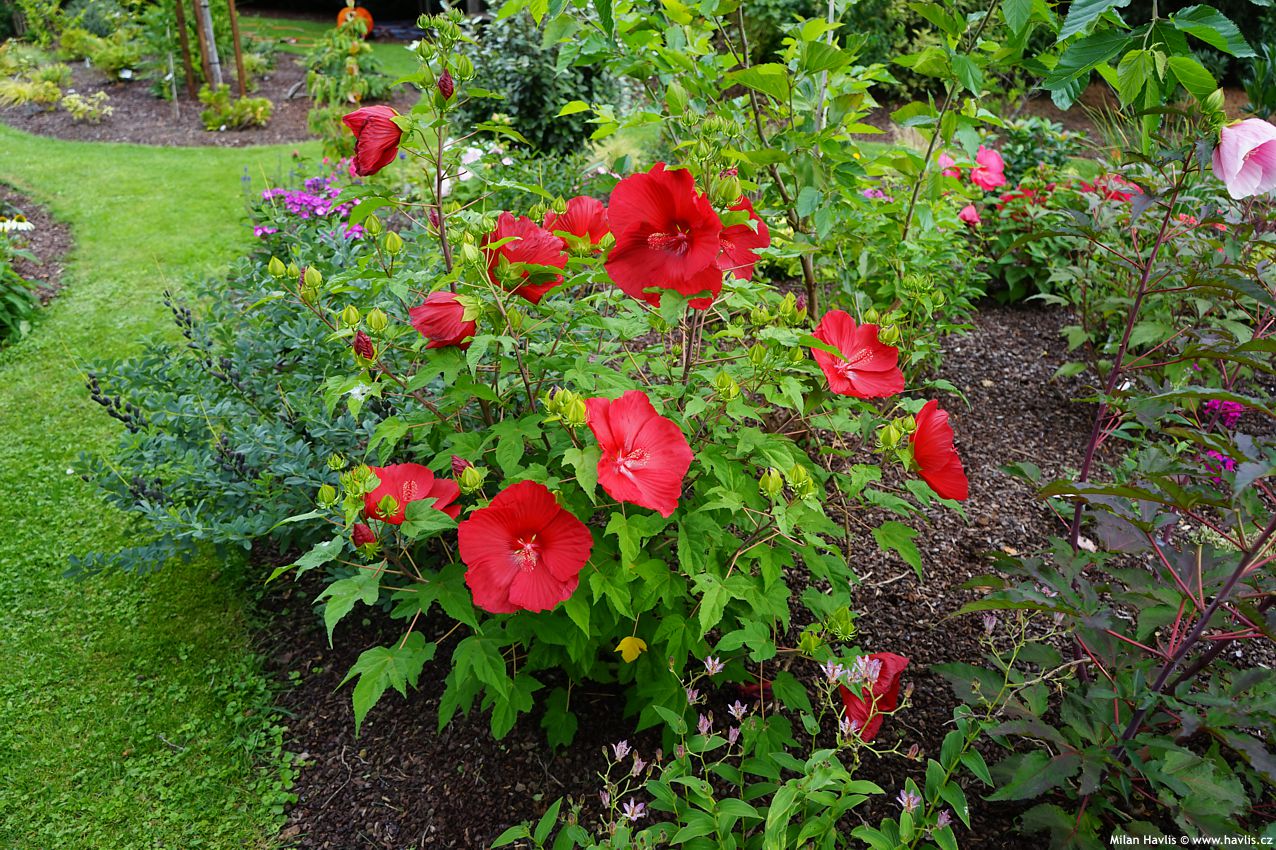
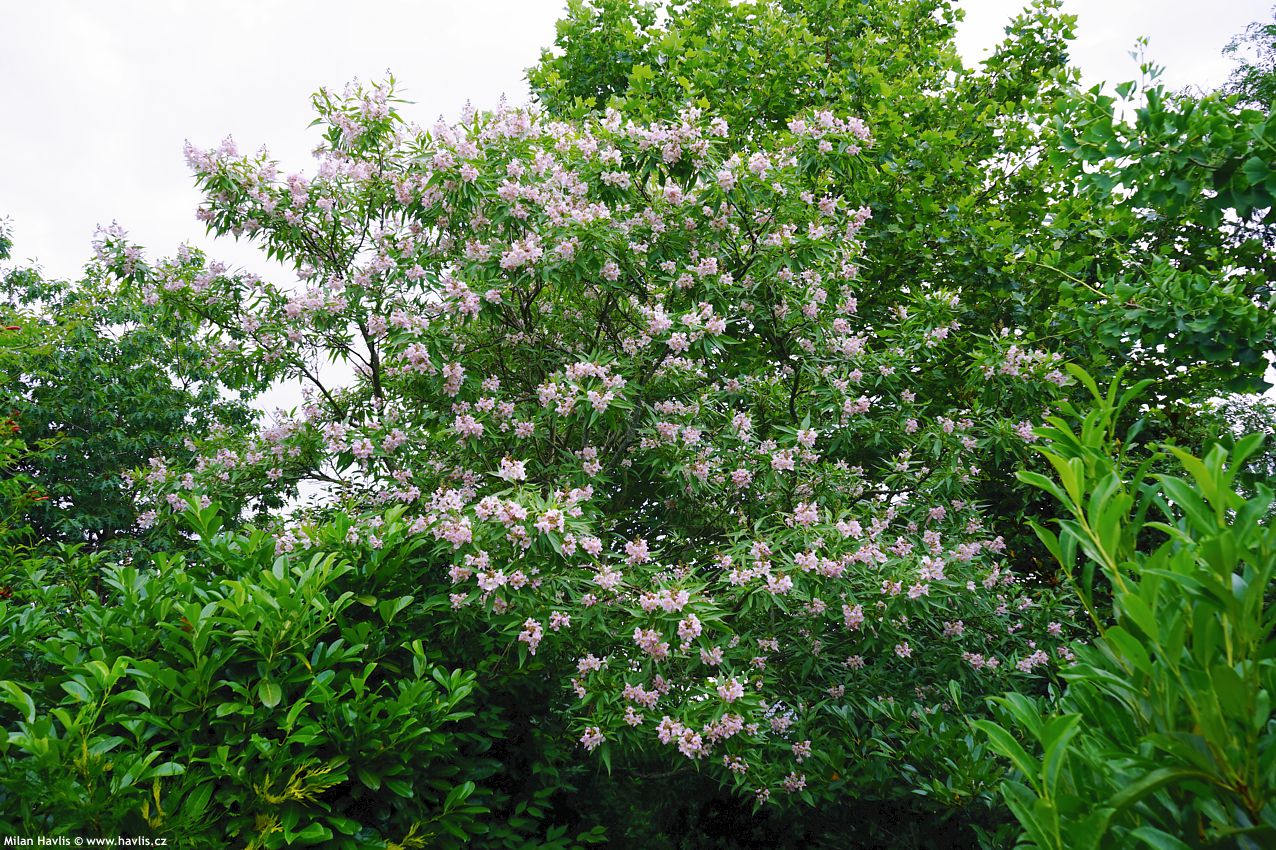
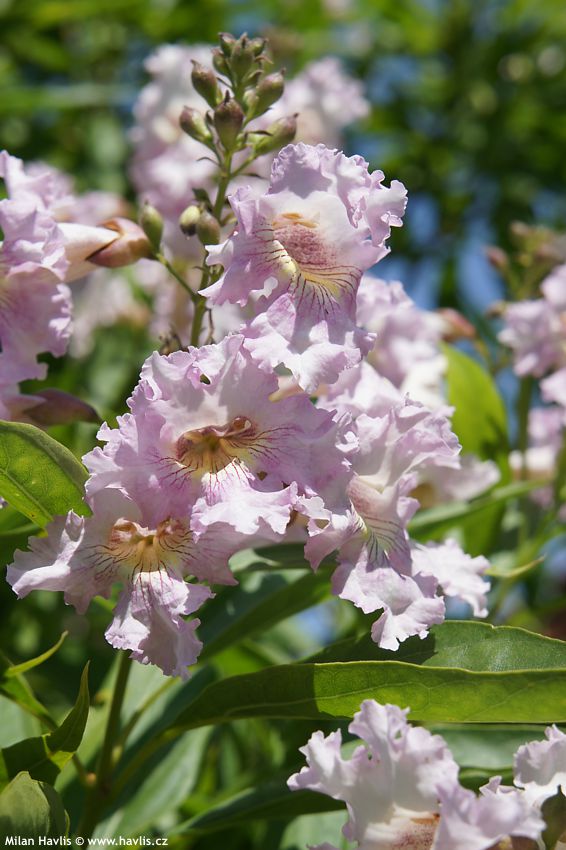
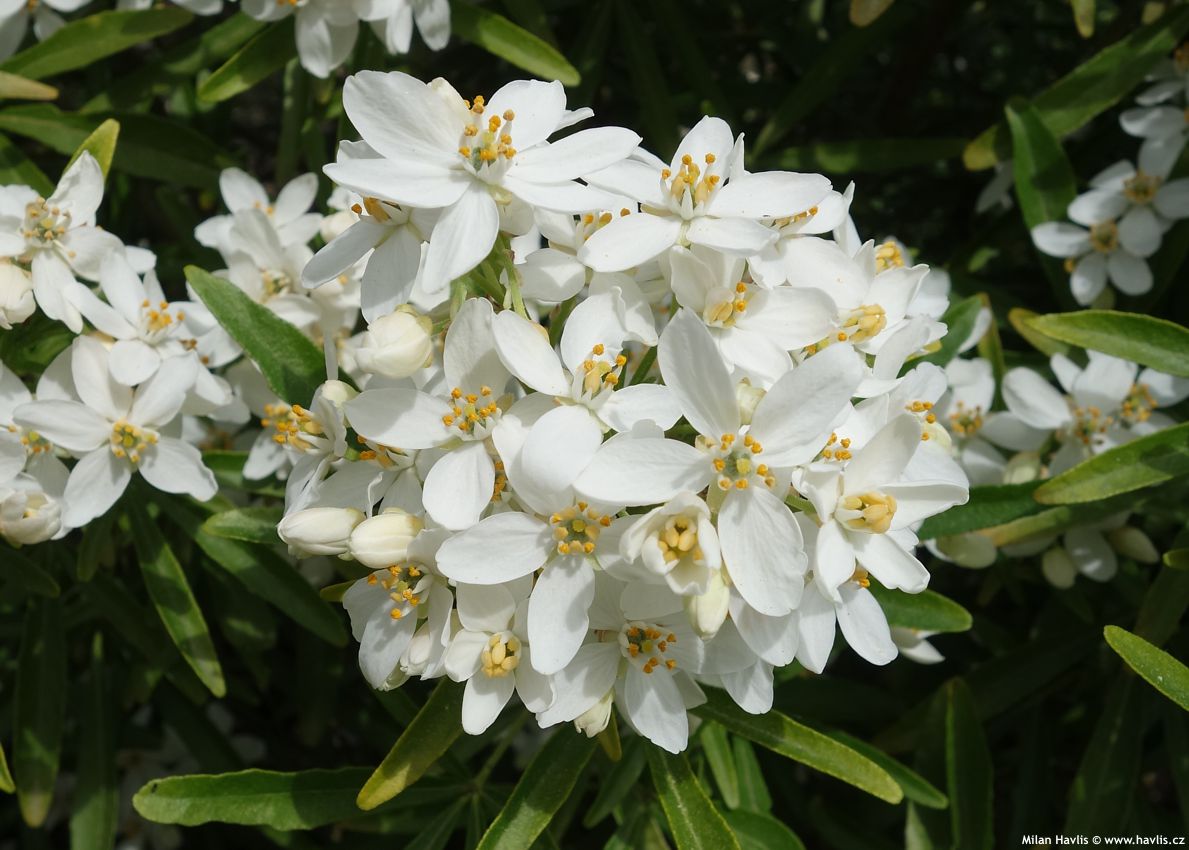
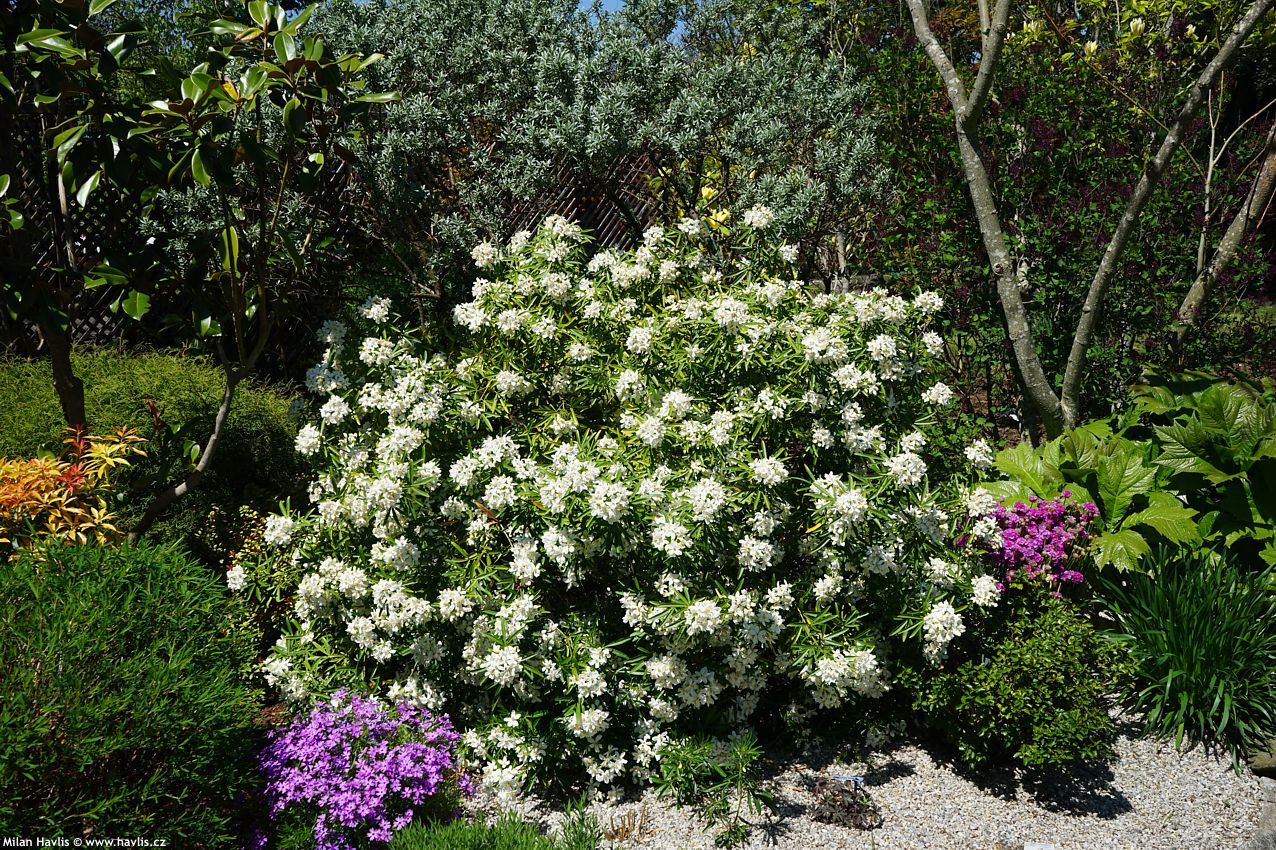
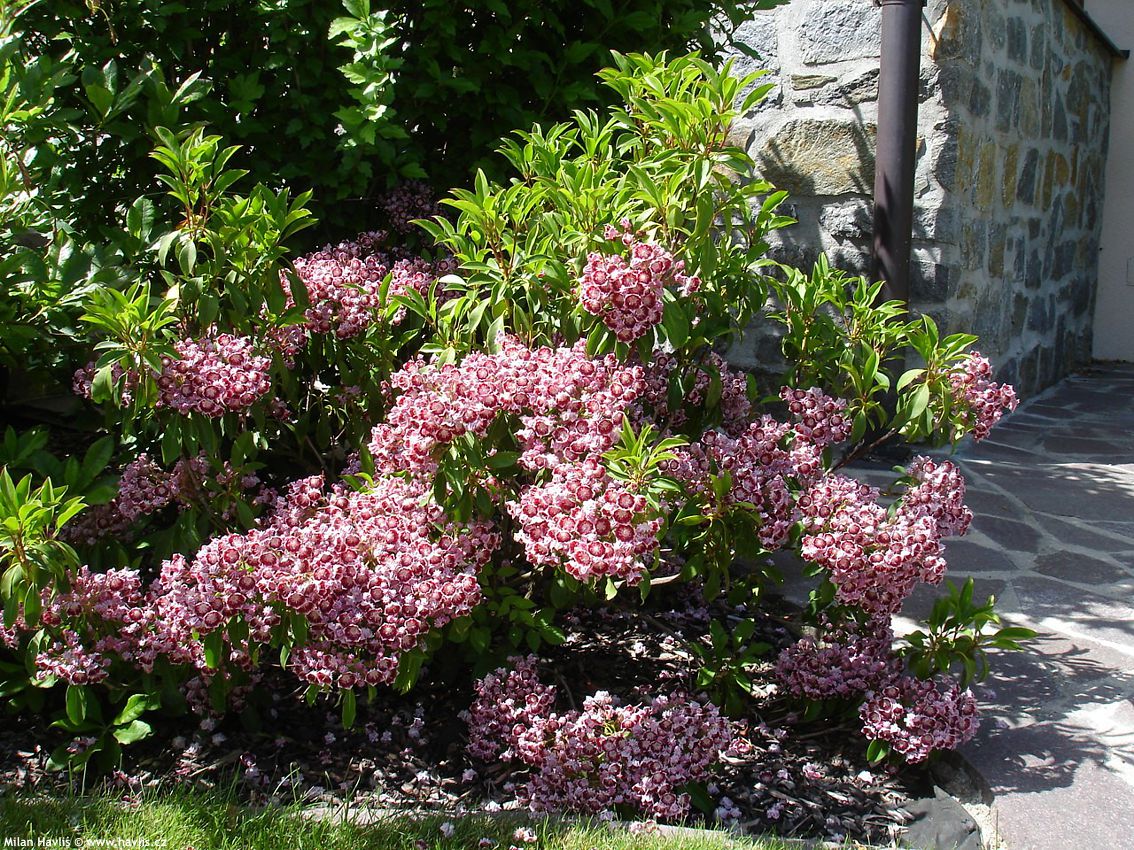
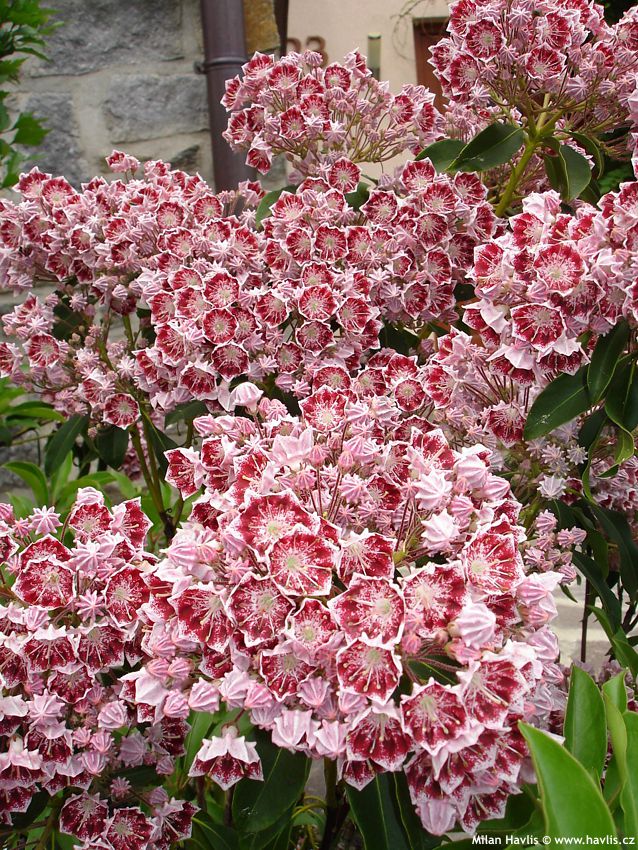
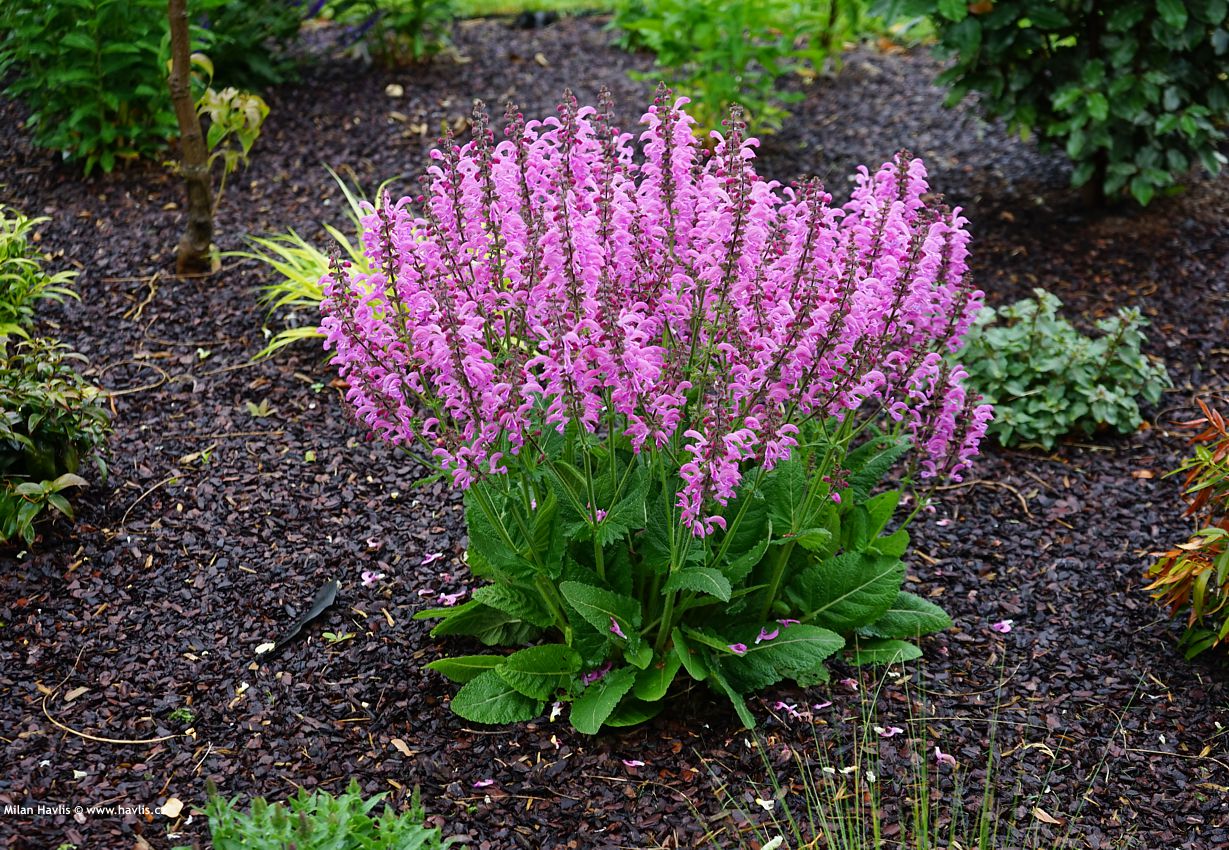
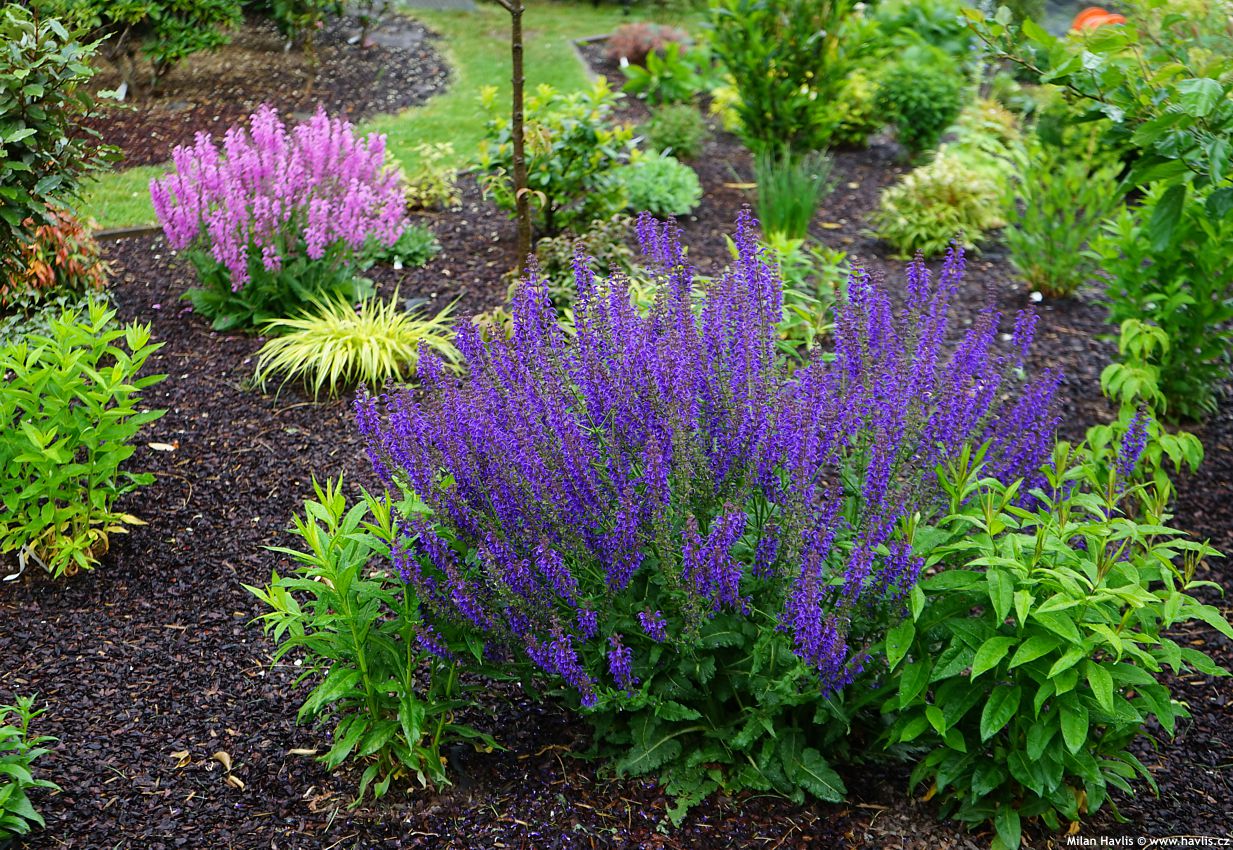
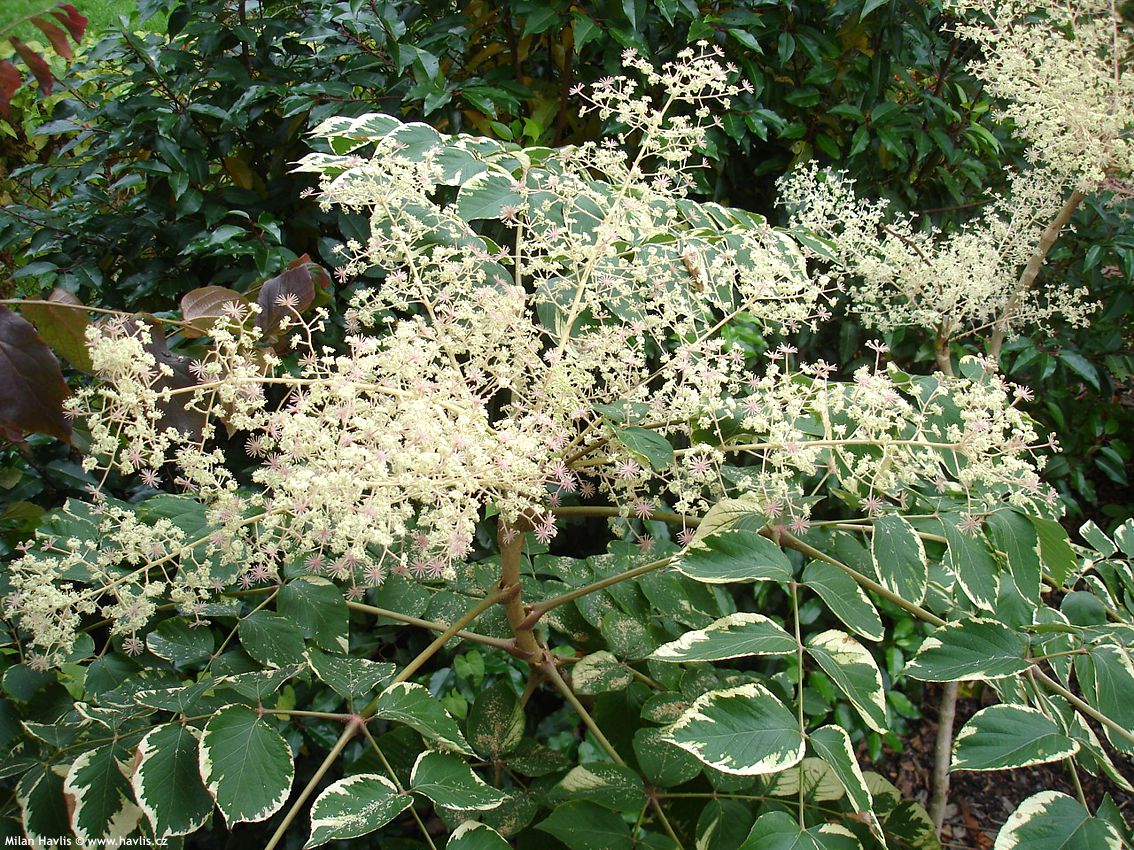
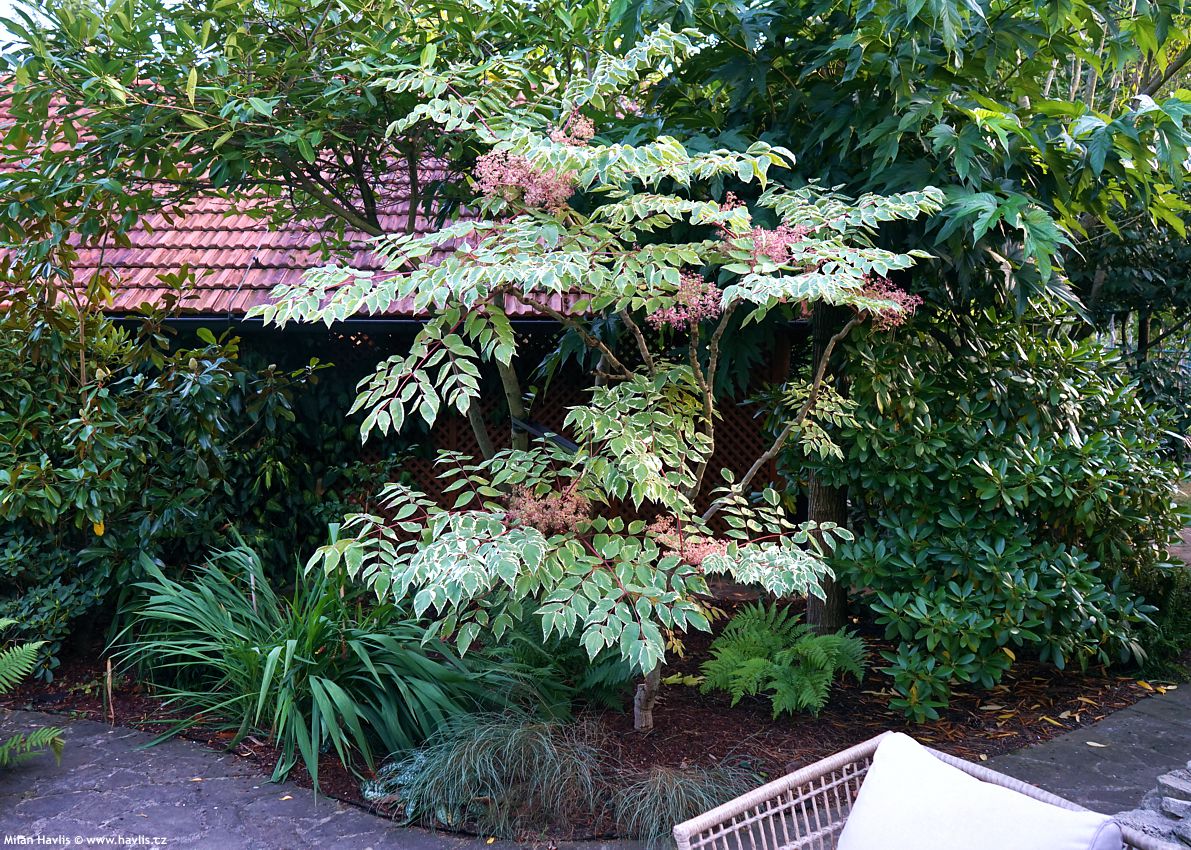
.jpg)
.jpg)
.jpg)
.jpg)
.jpg)
🎁 A New Year’s Gift – a summer walk through a botanical garden in Italy
Everyone wishes you something, writes you messages, sends you greetings, right? But where are the presents?? 🎁 Oh, right! Those were… a week ago. Looks like I missed them… 😁 Well, I’ve got one for you now. And it is big!
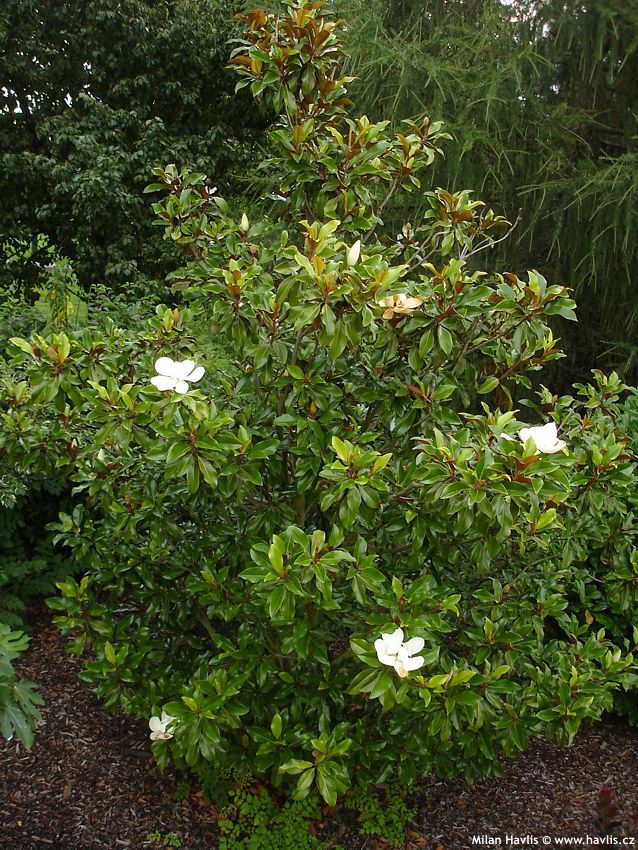
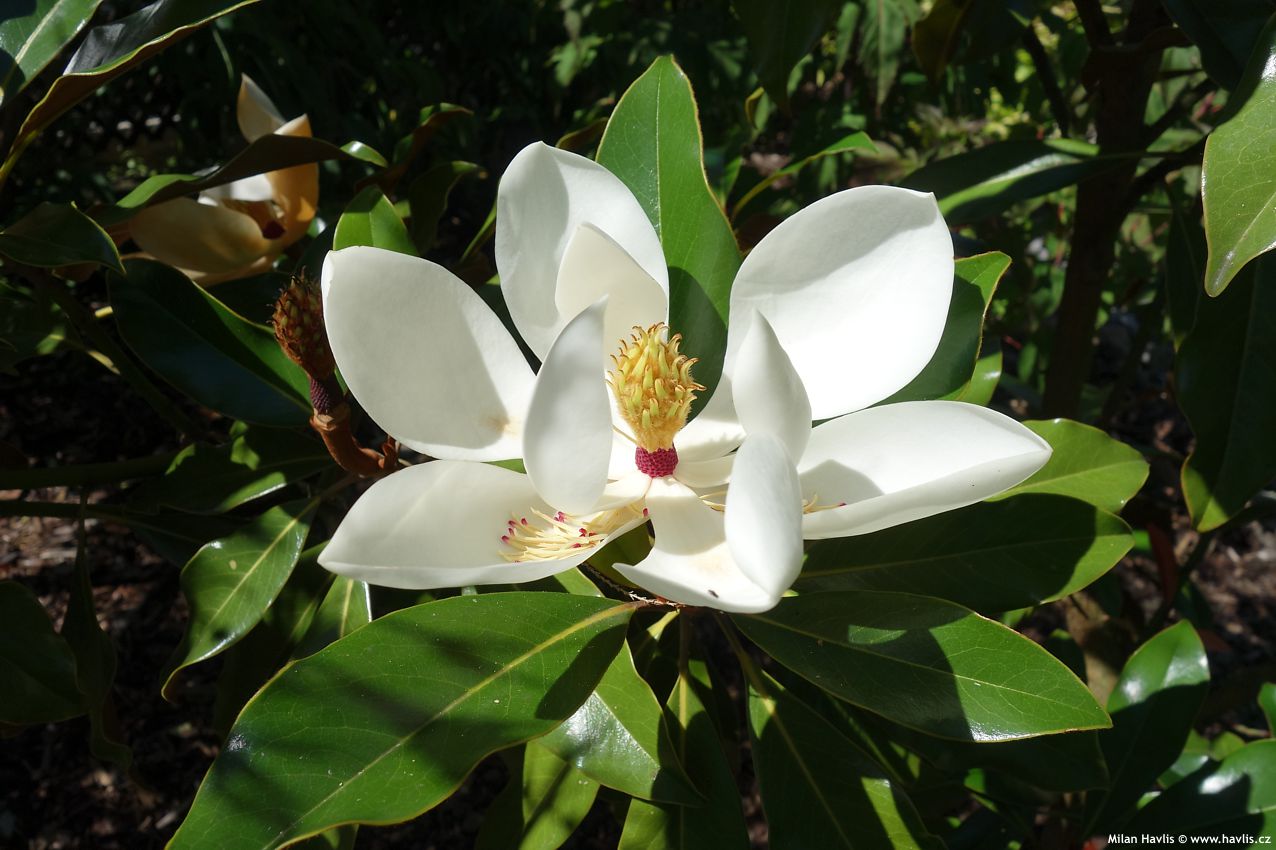
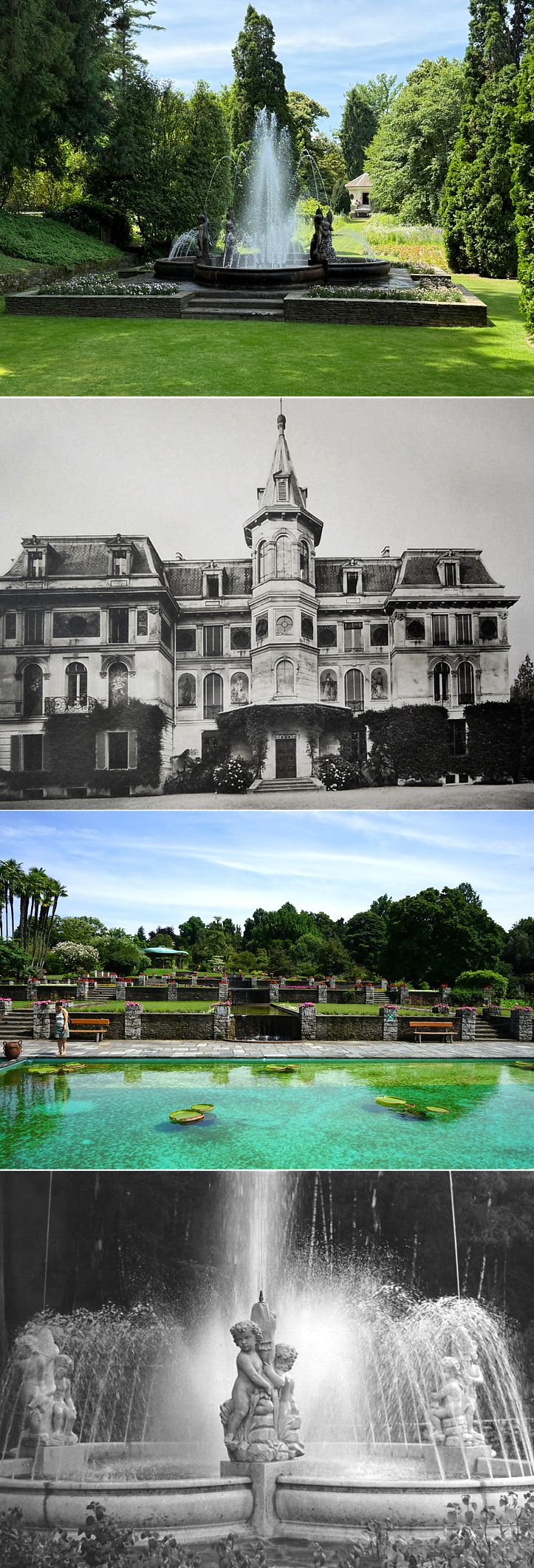
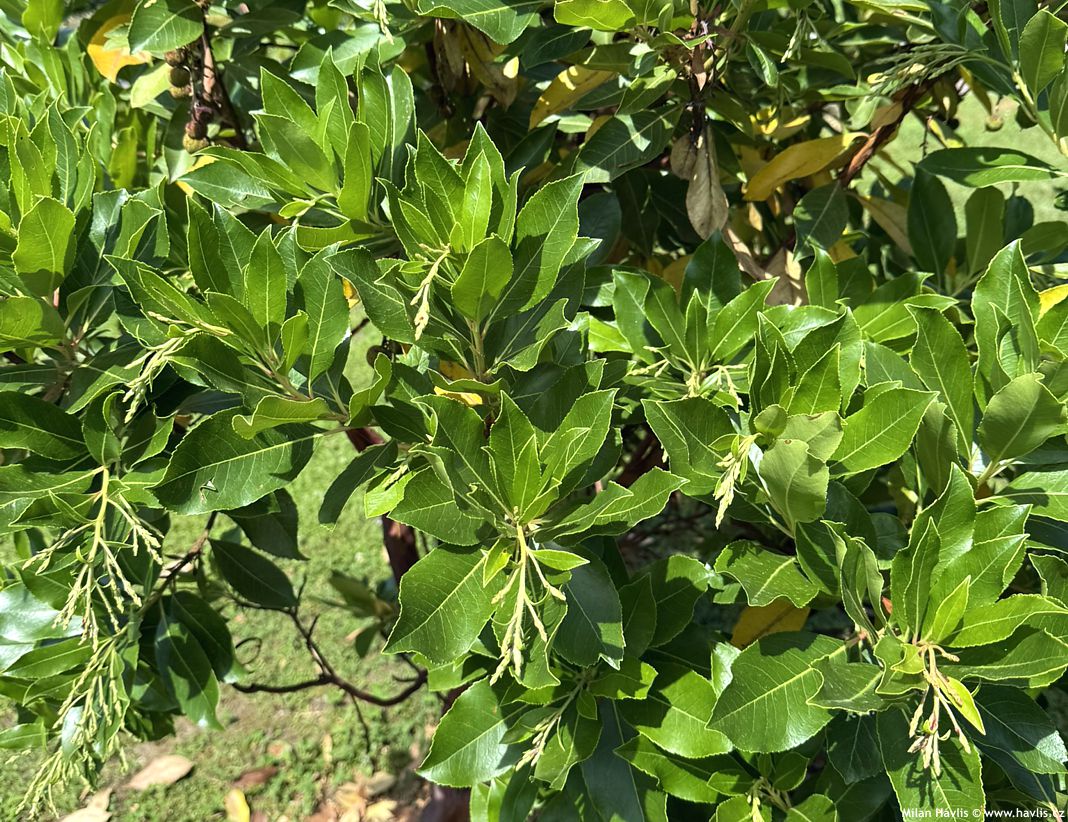
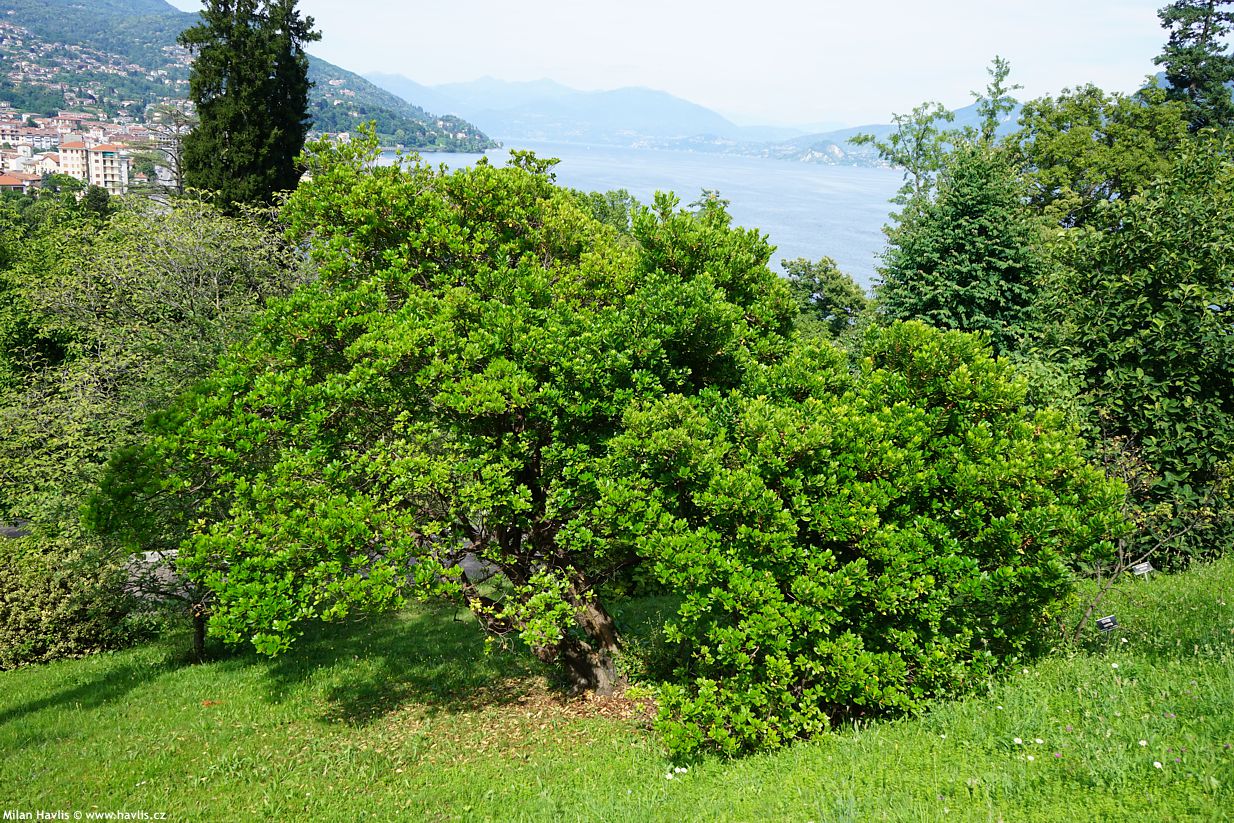
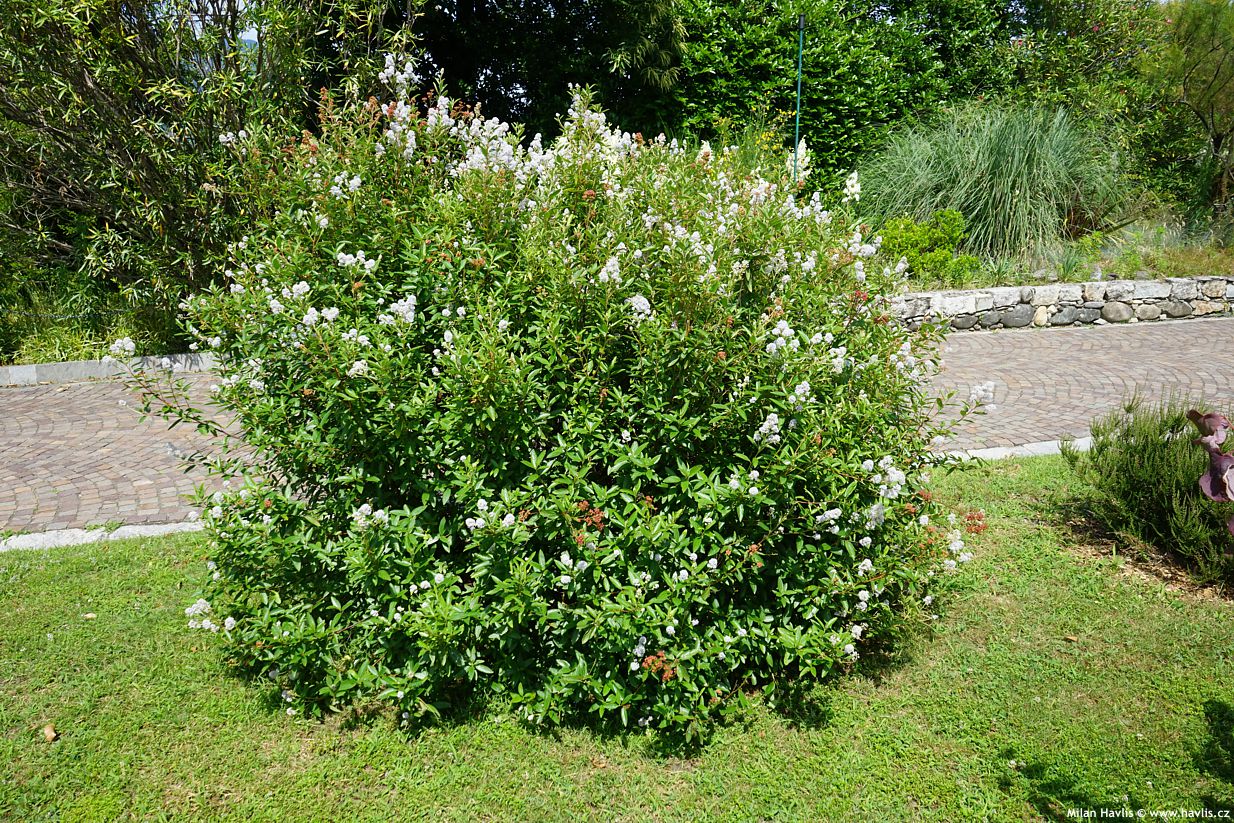
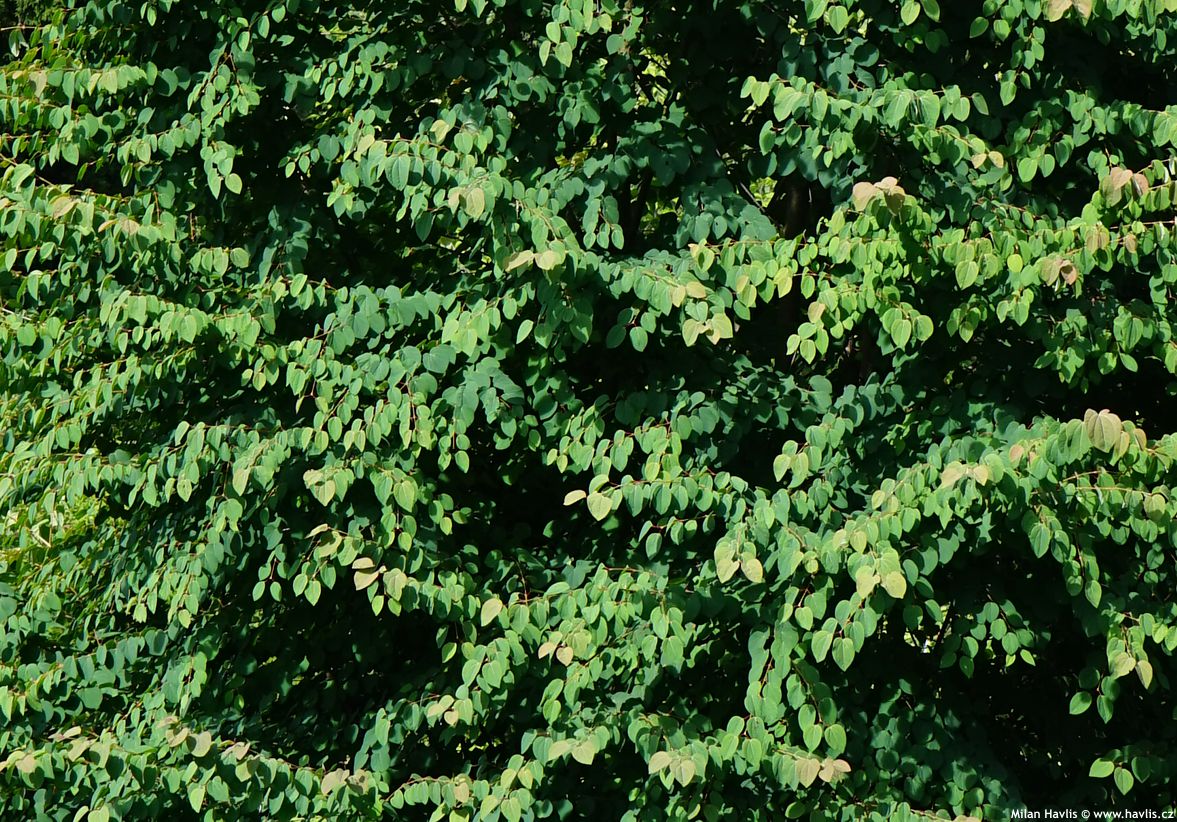
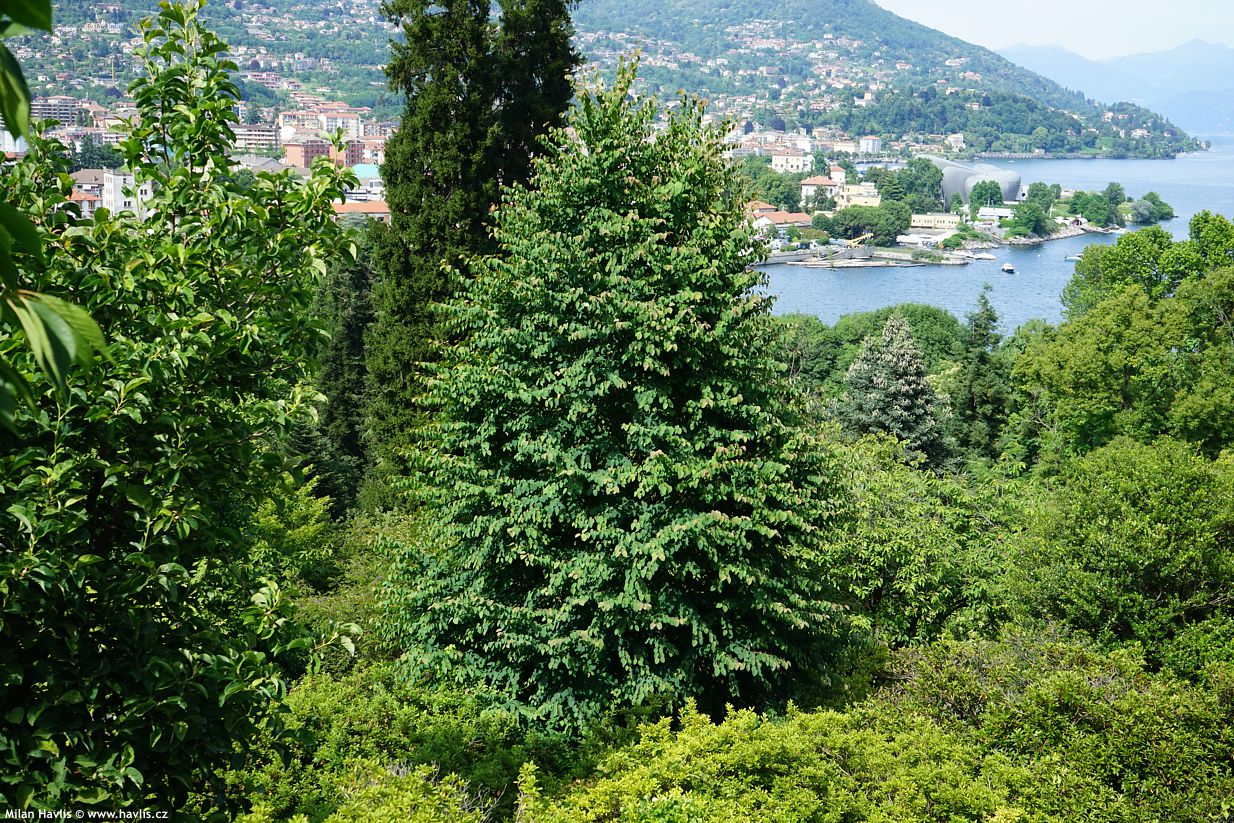
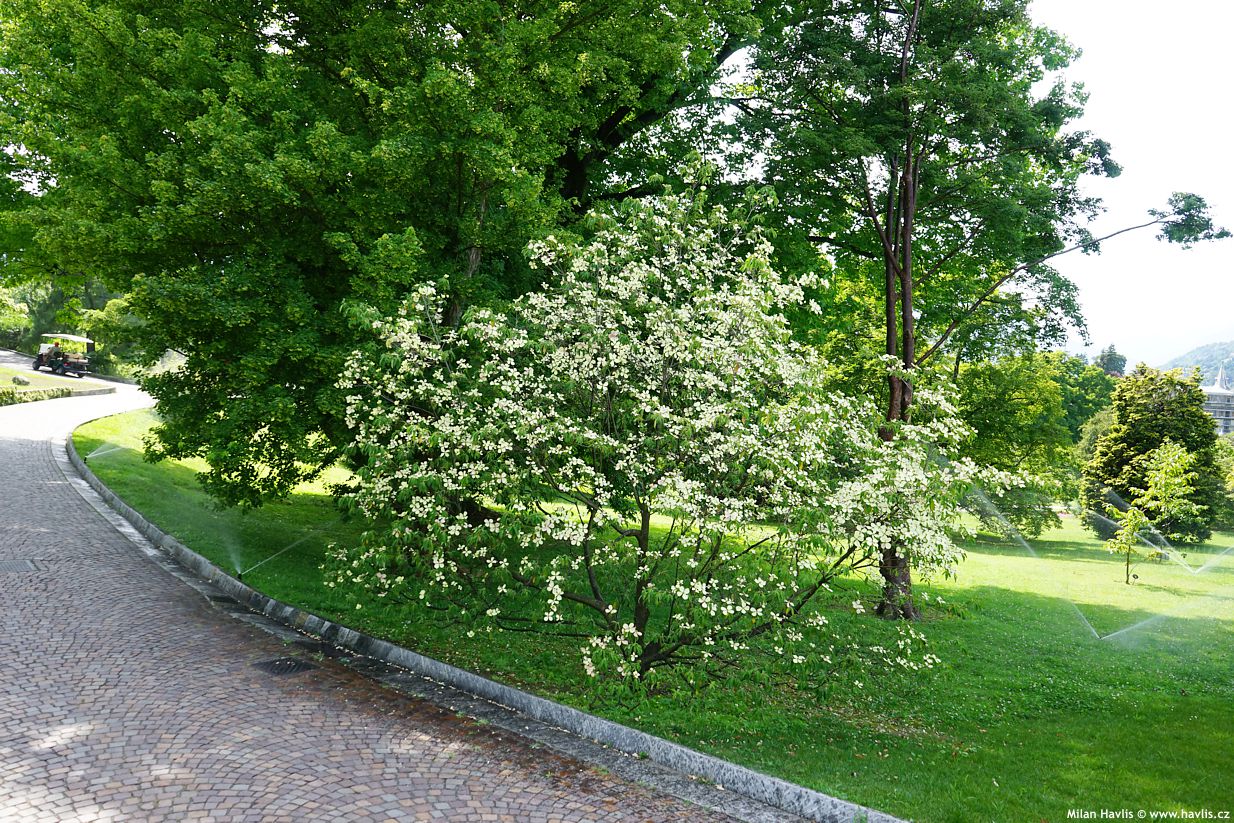
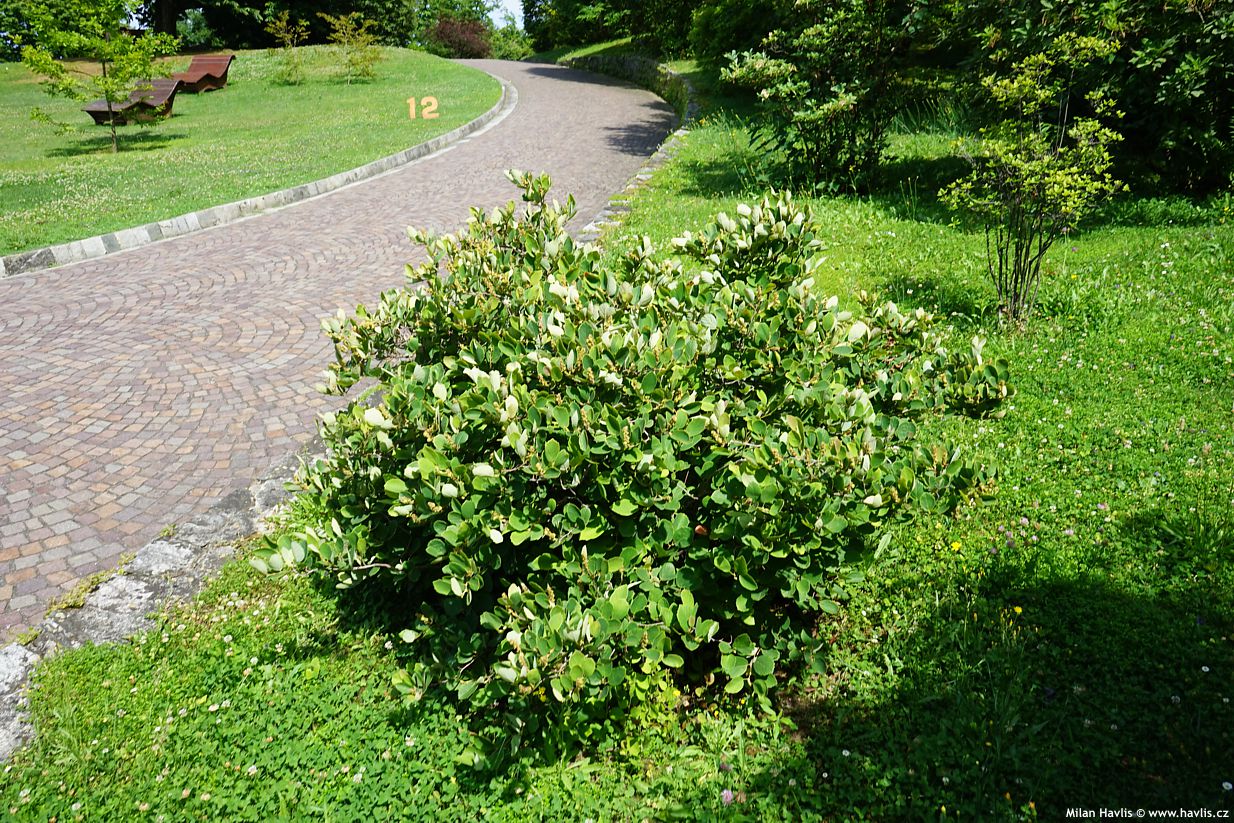
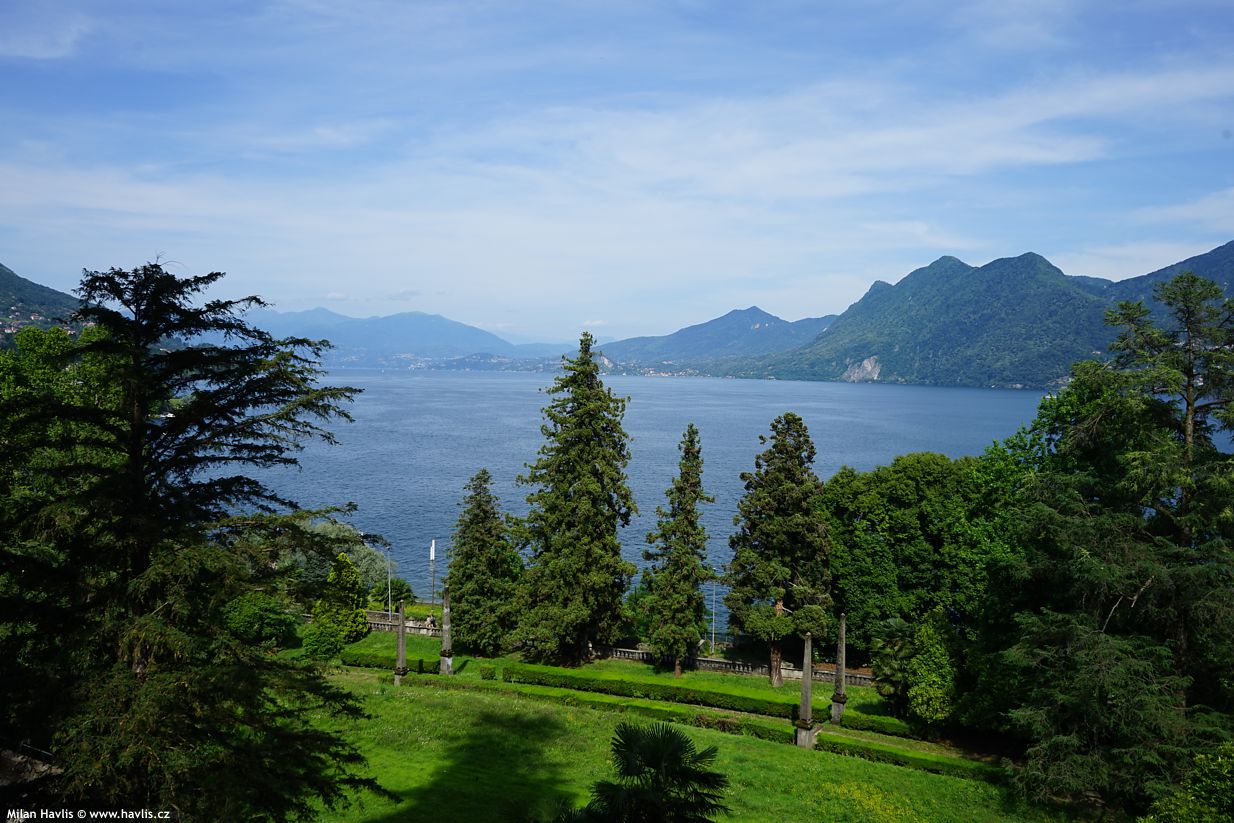
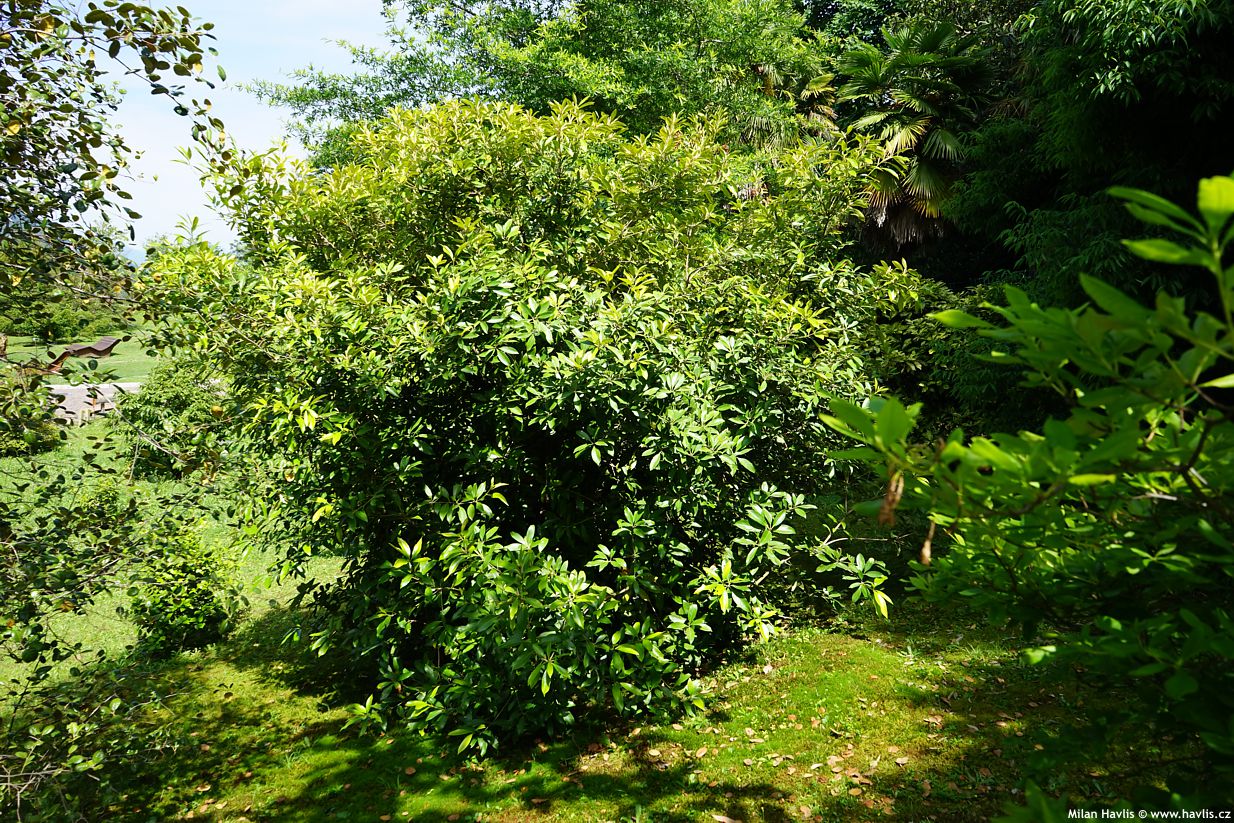
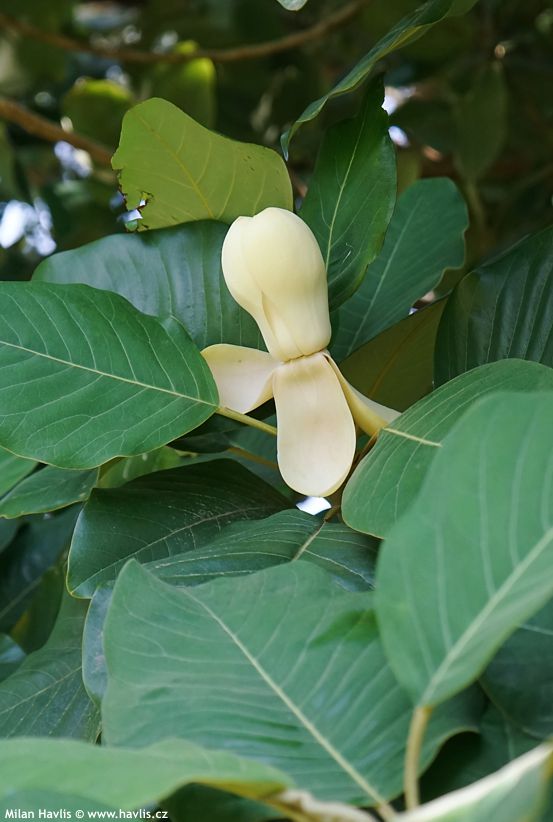
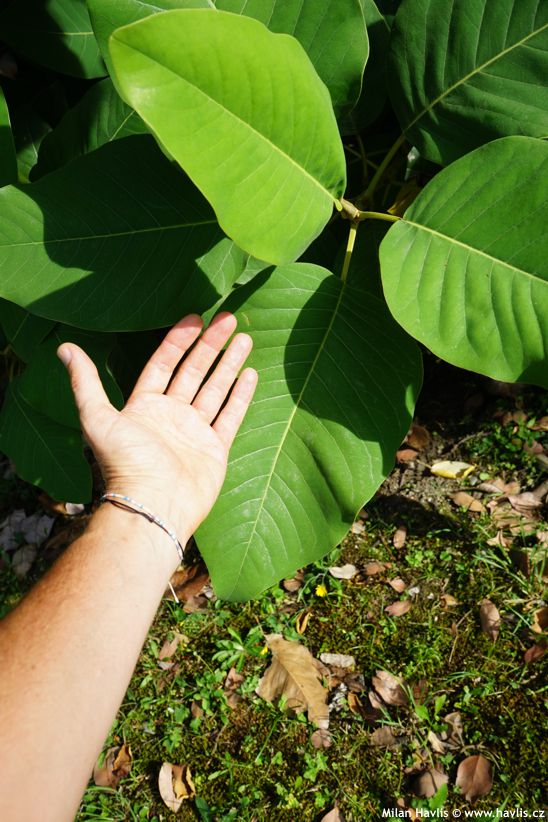
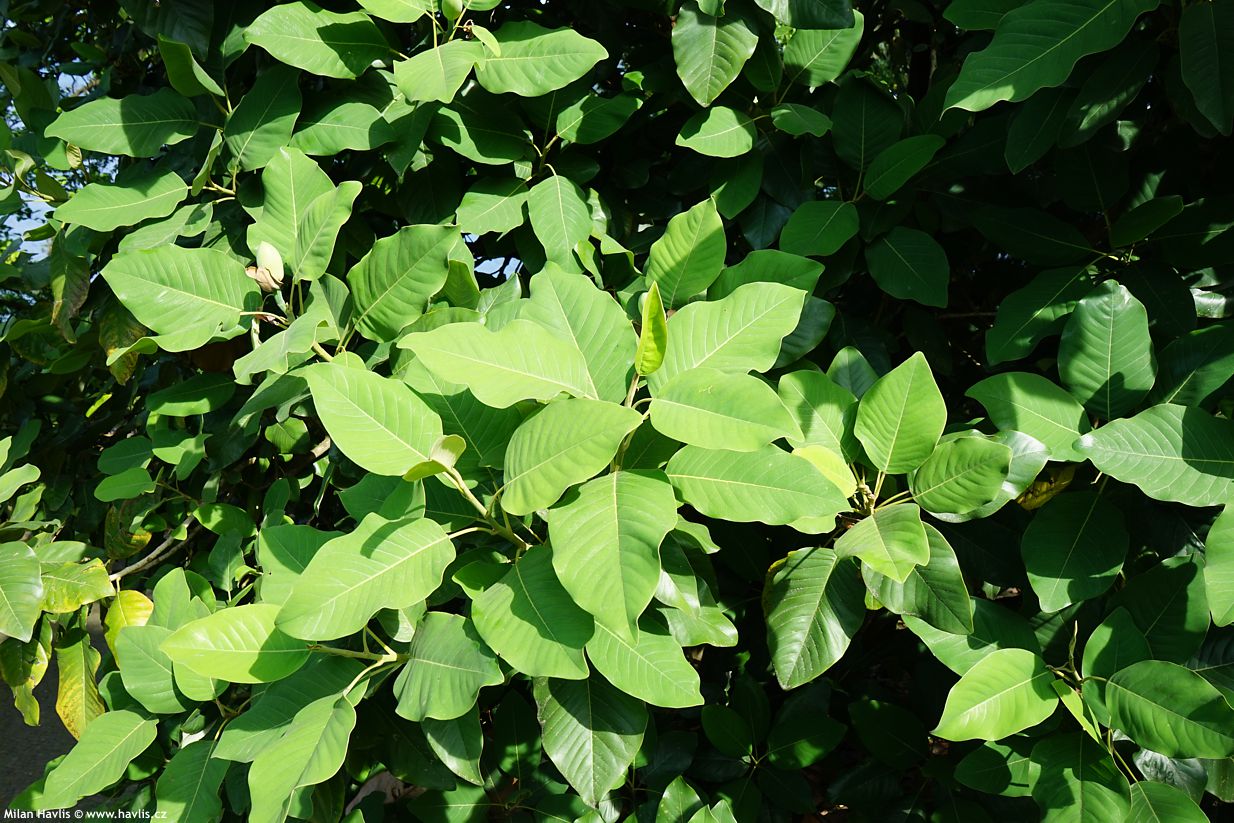
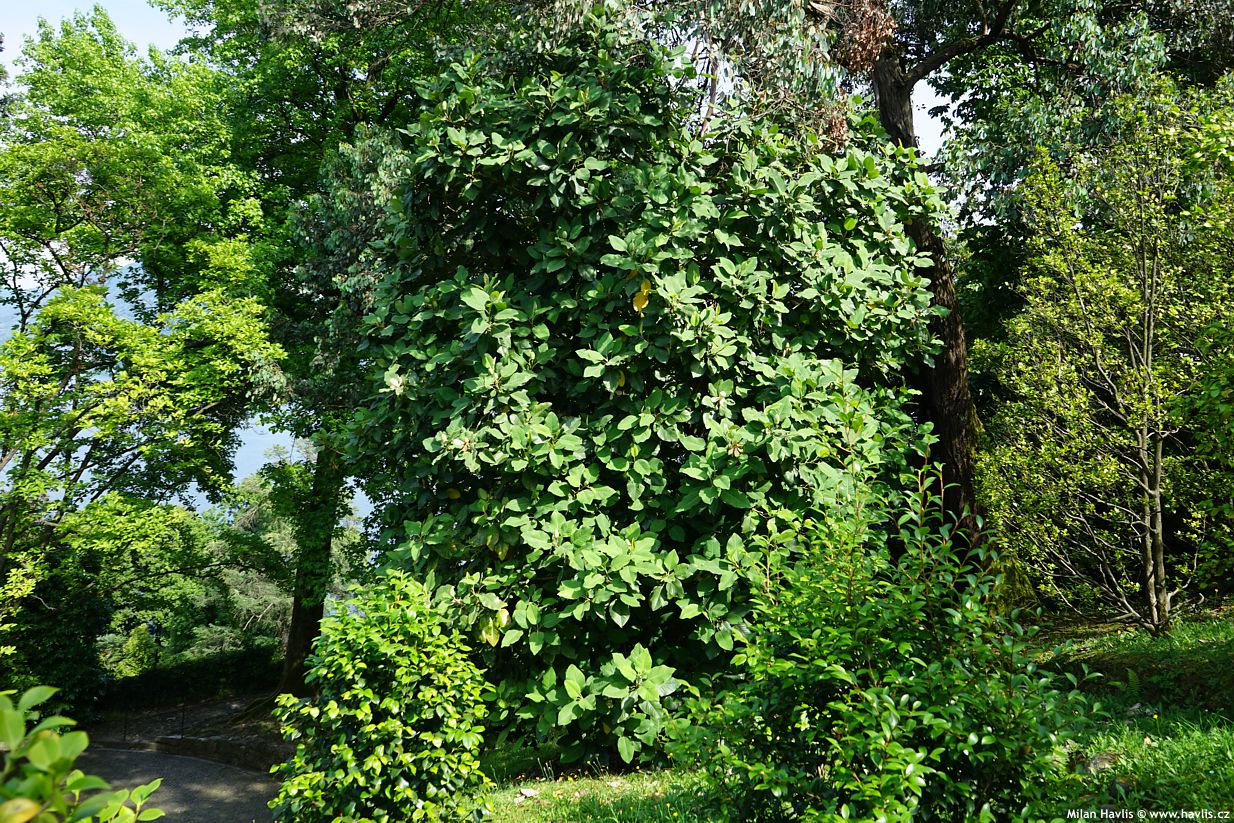
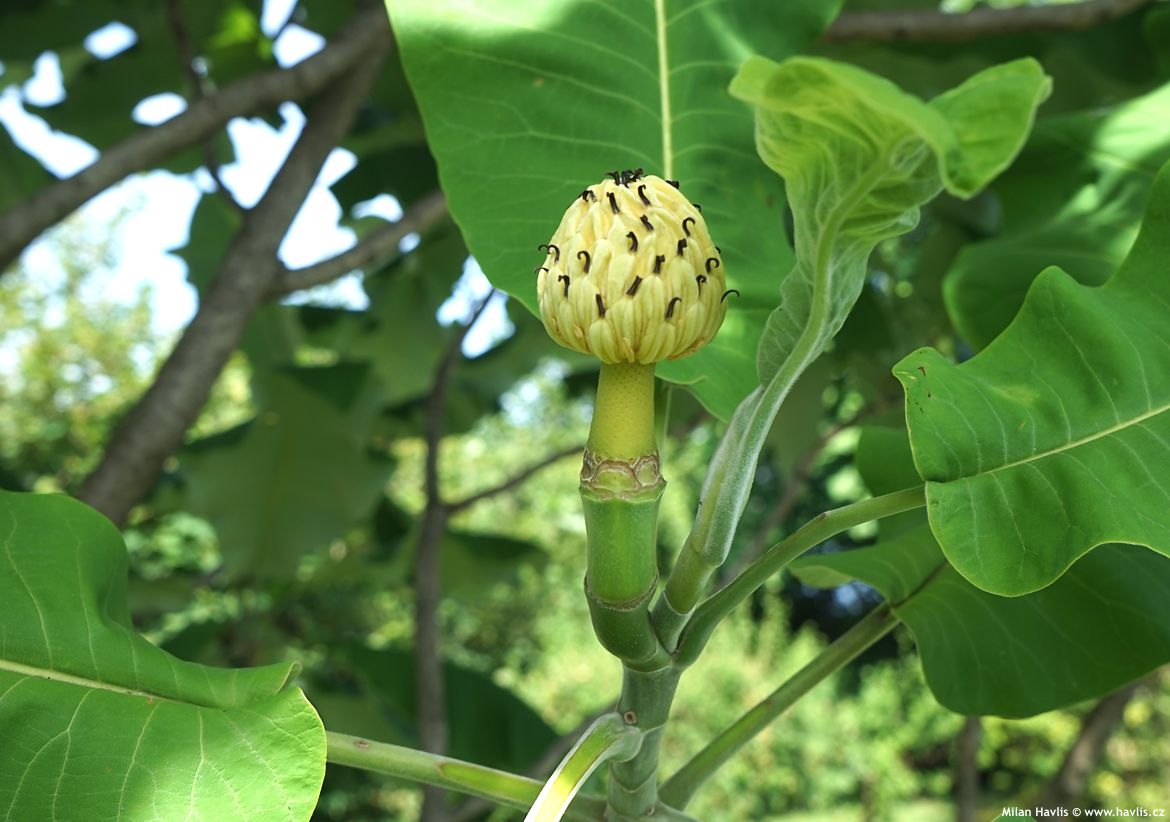
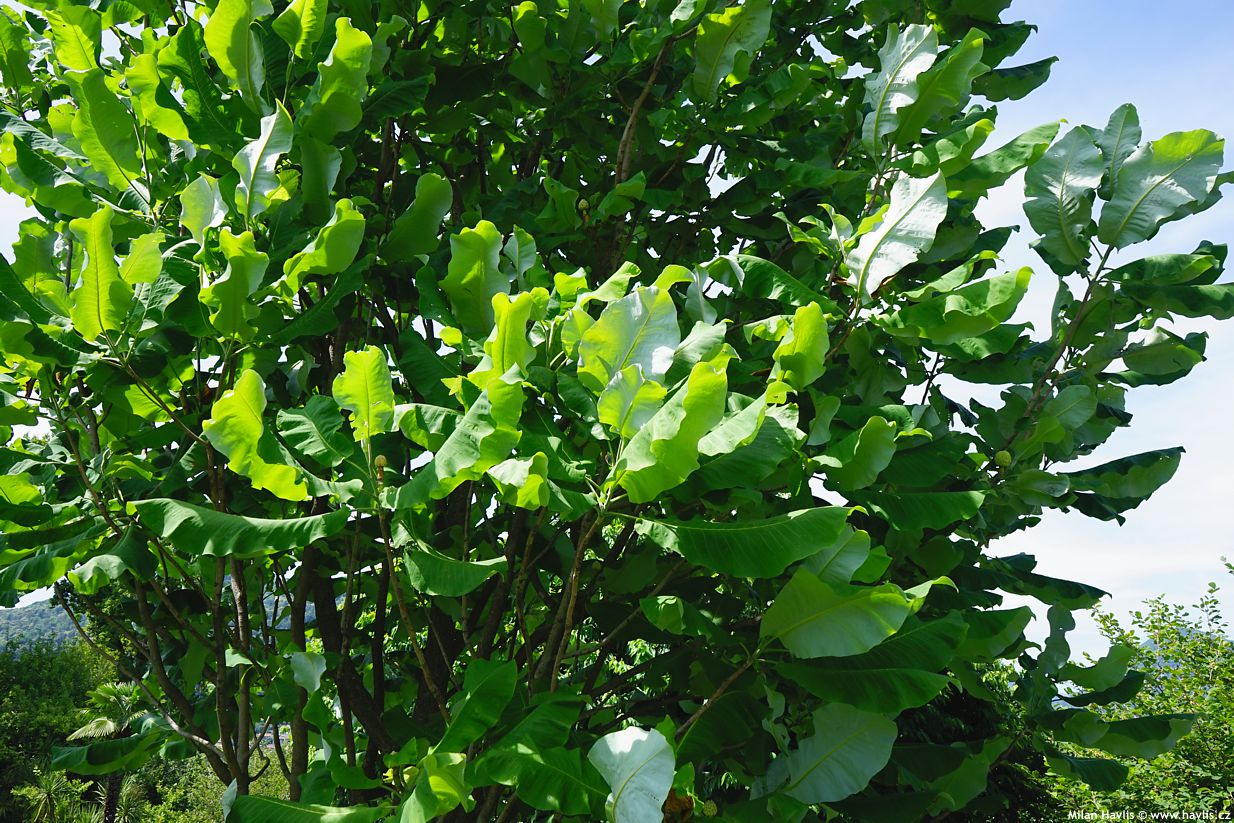
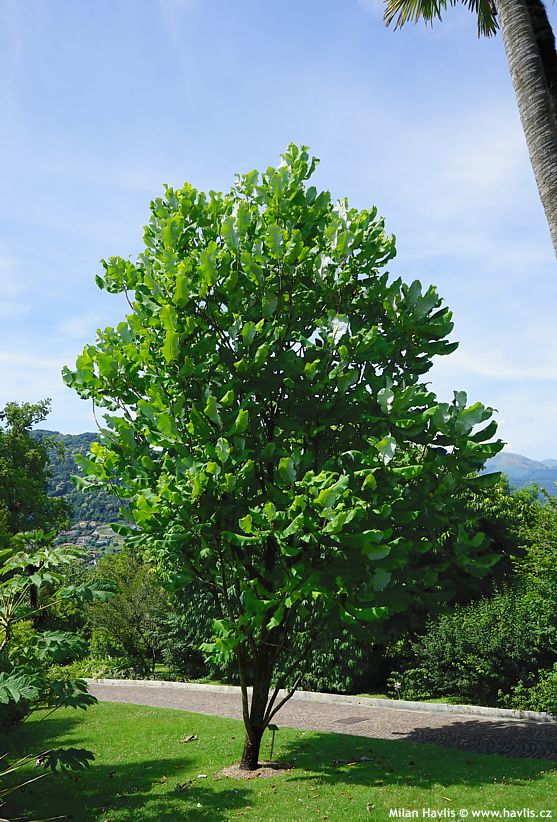
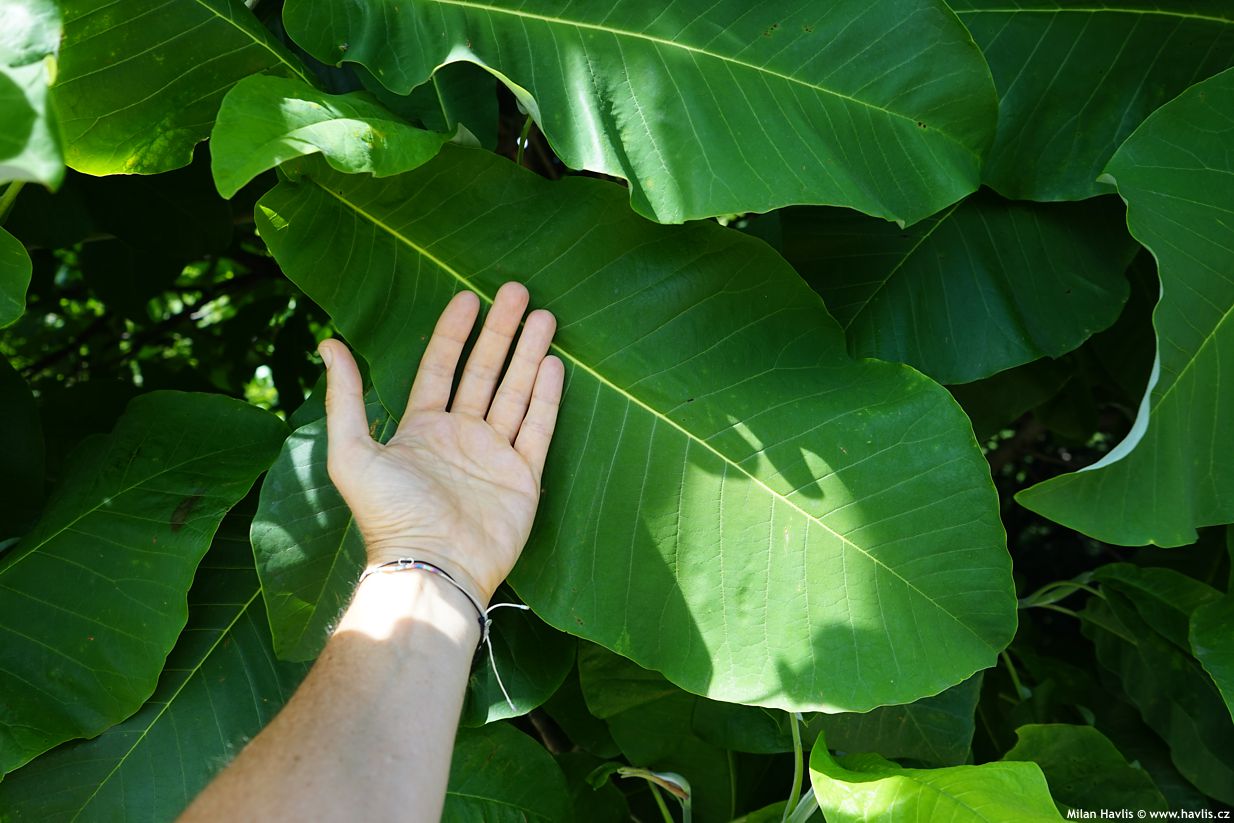
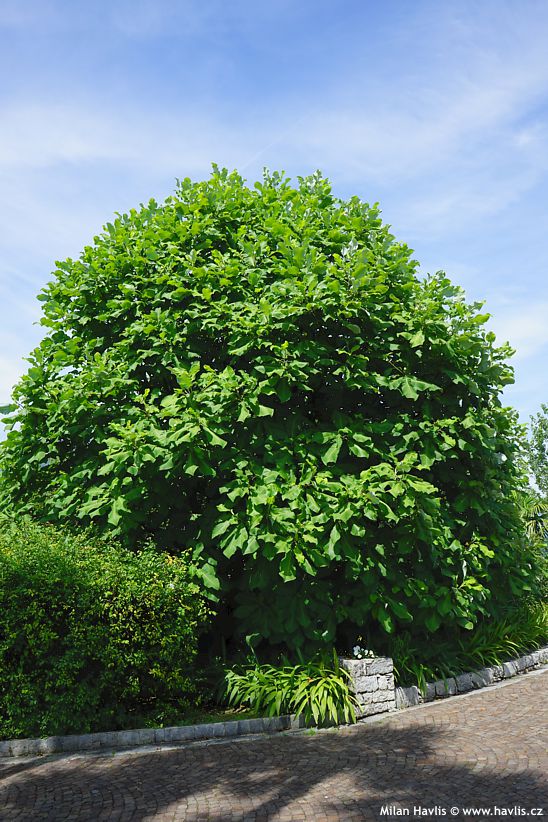
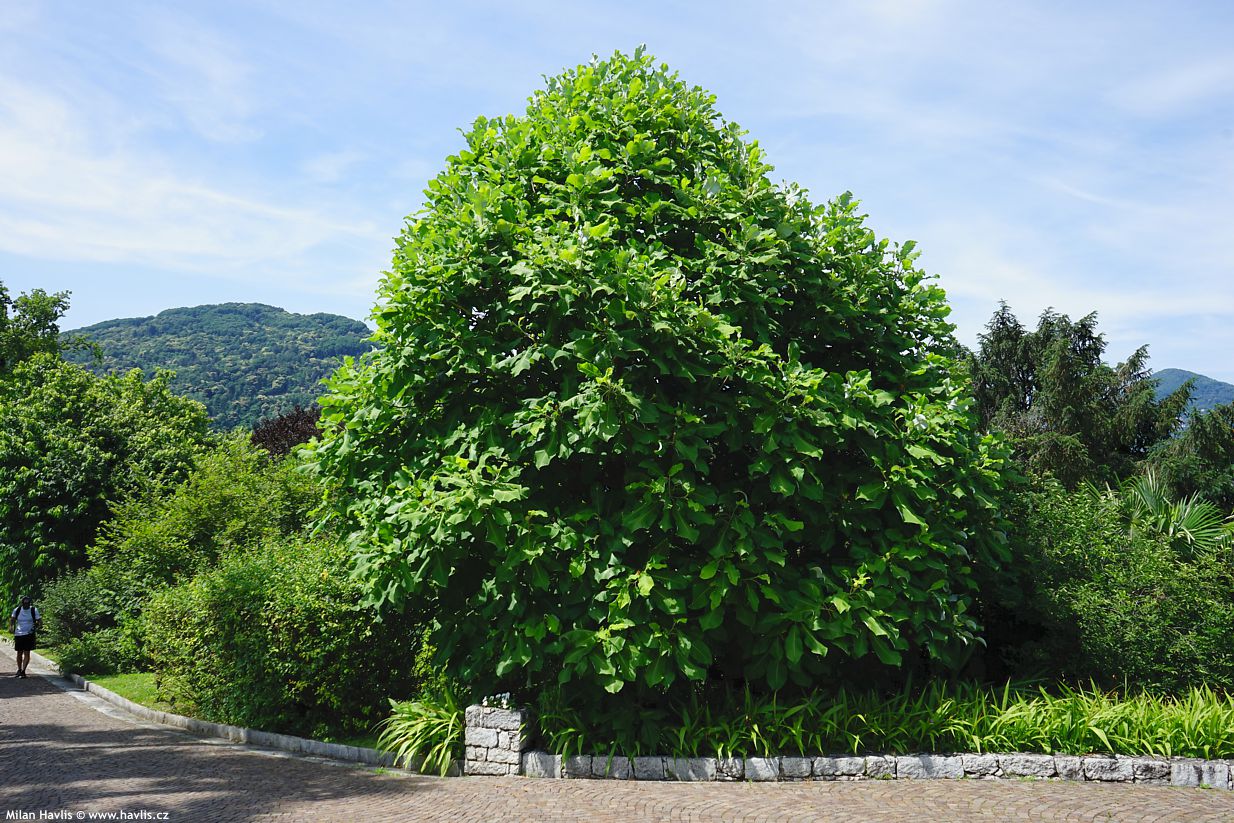
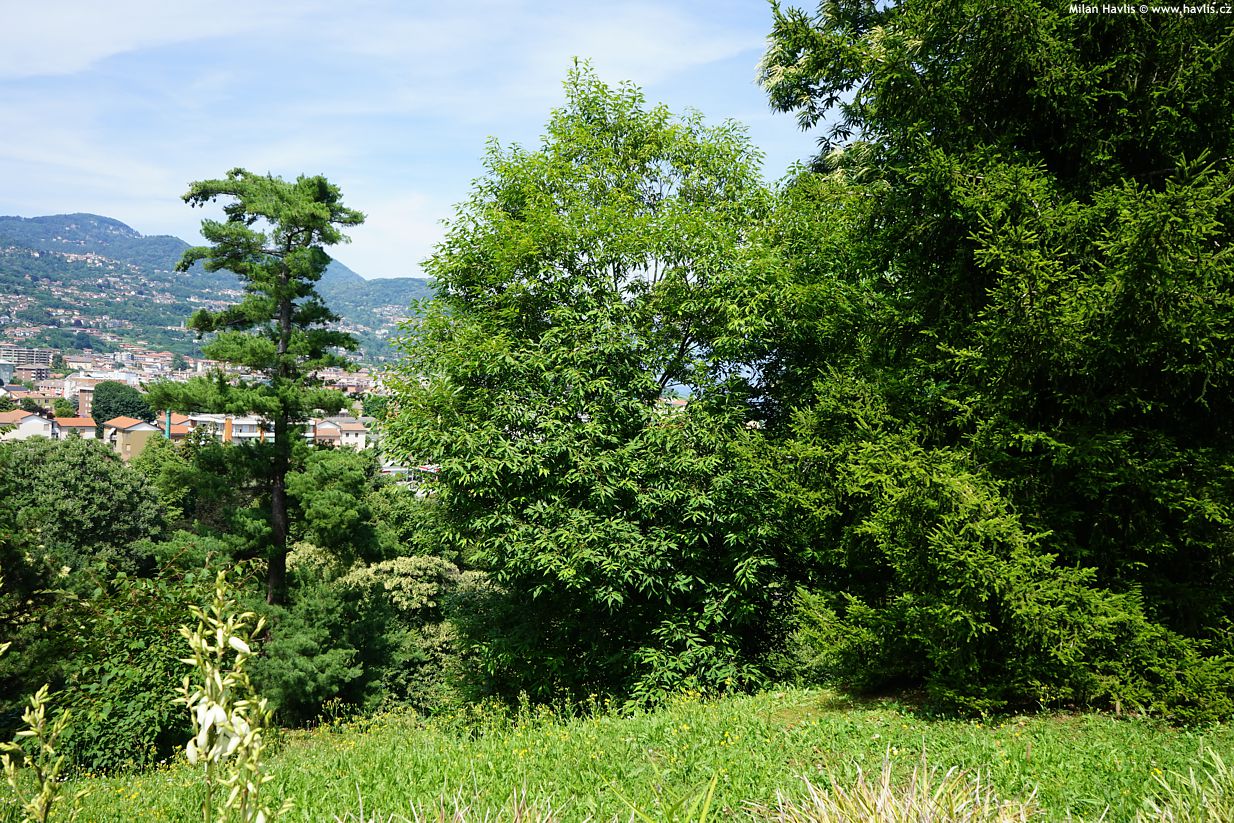
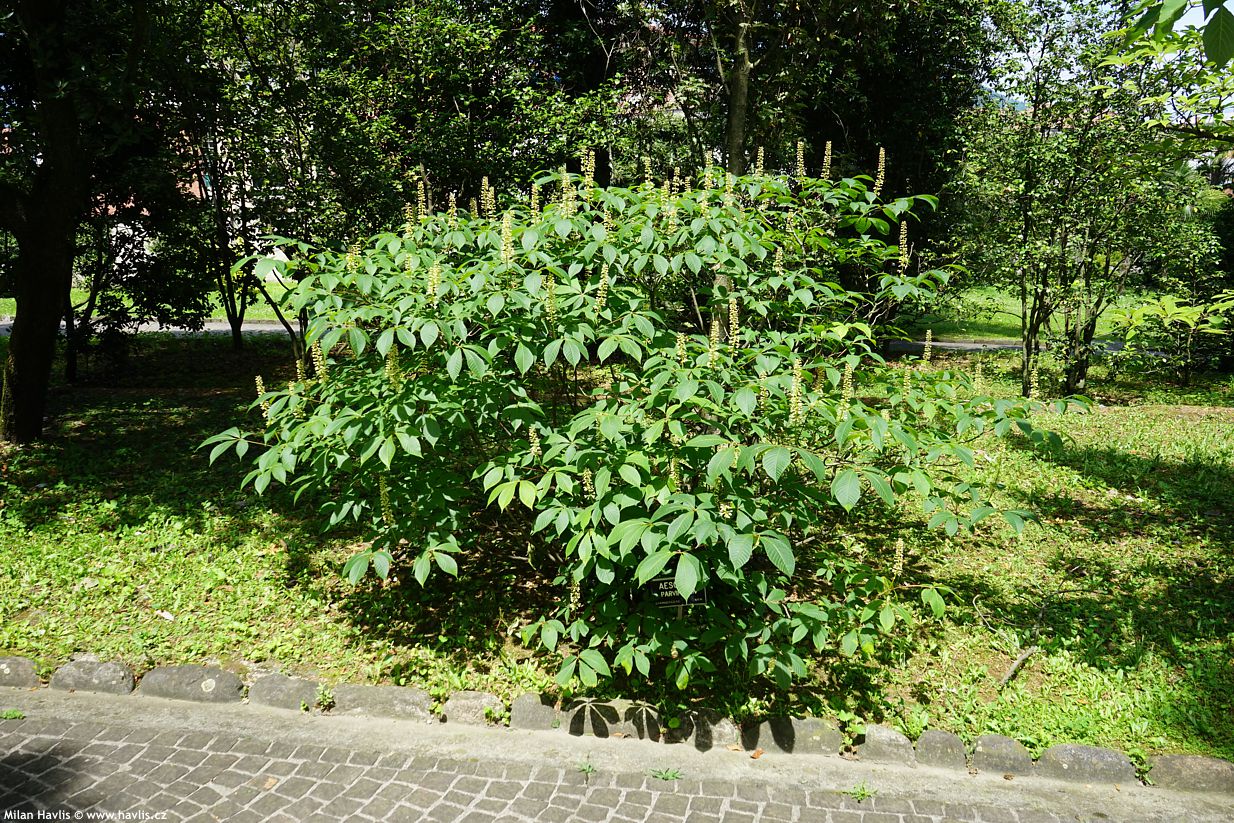
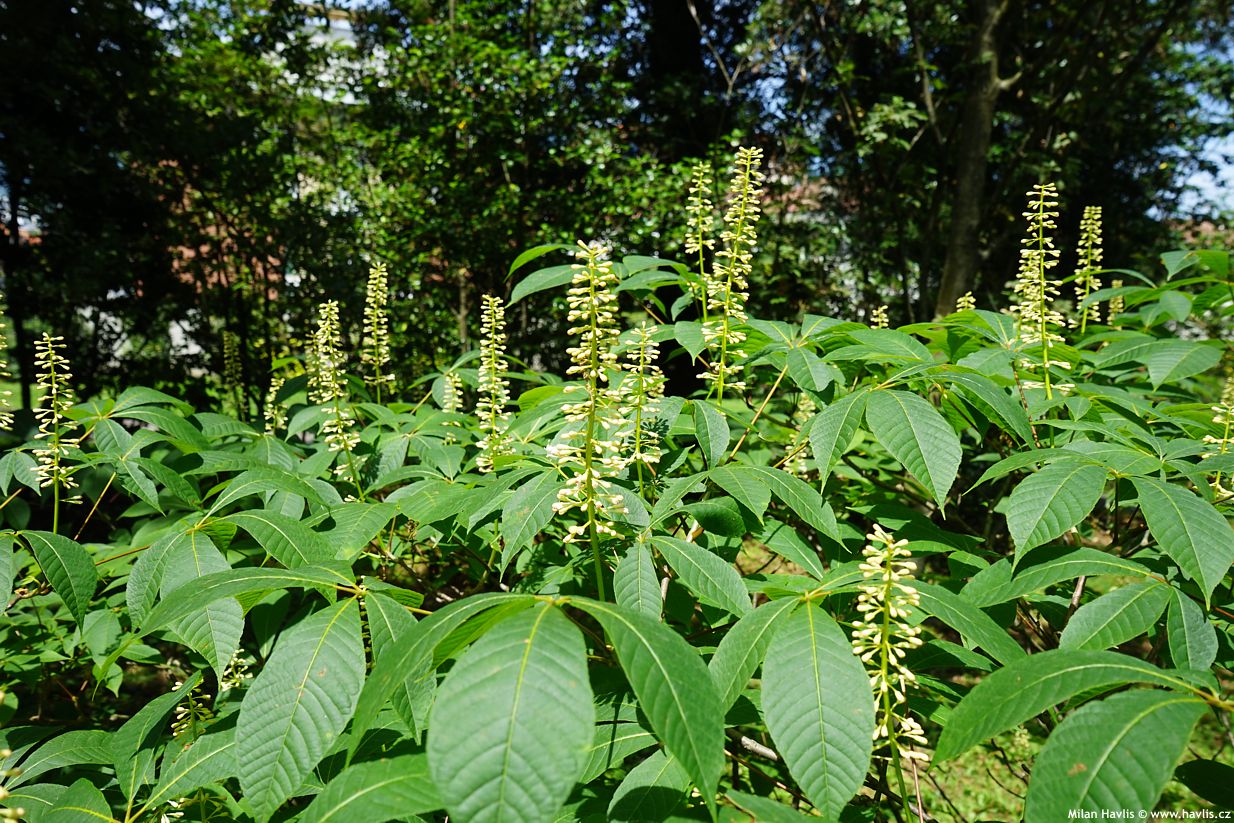
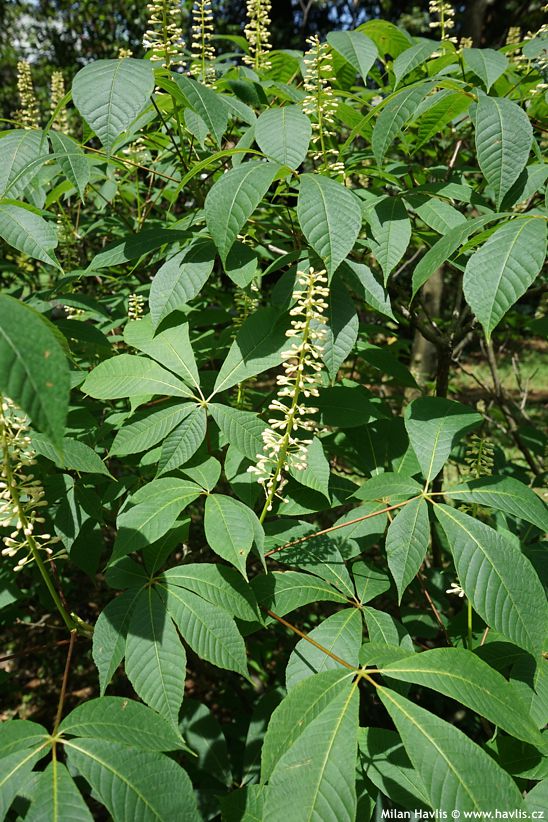
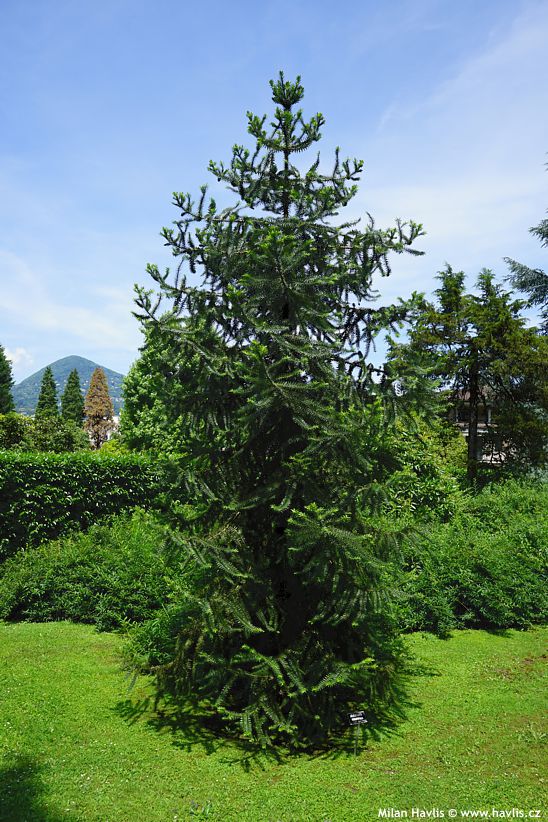
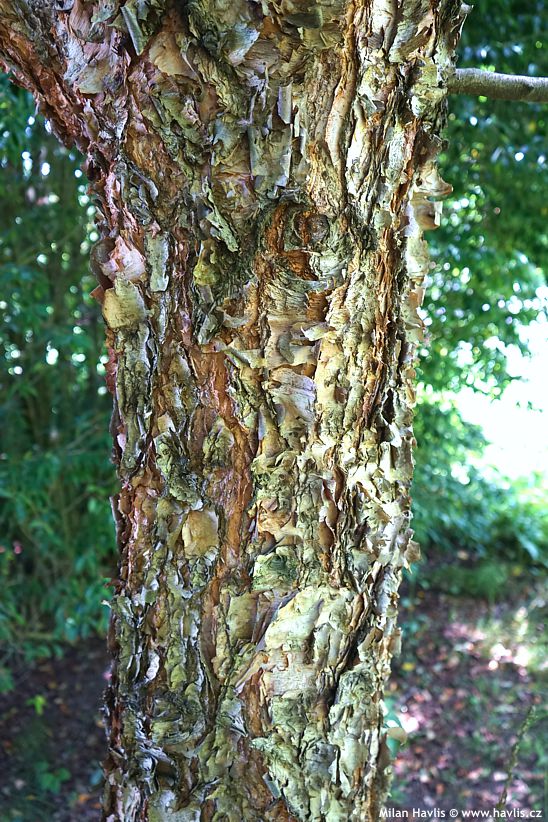
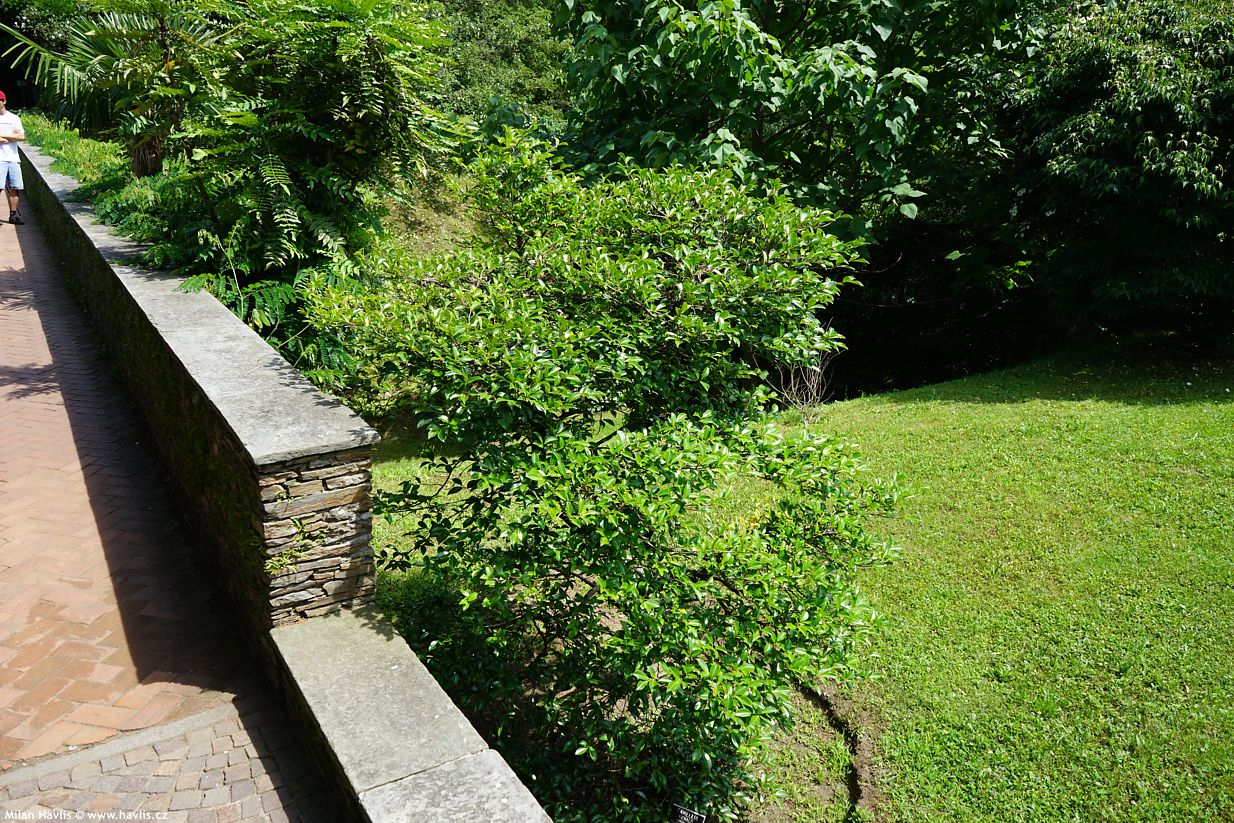
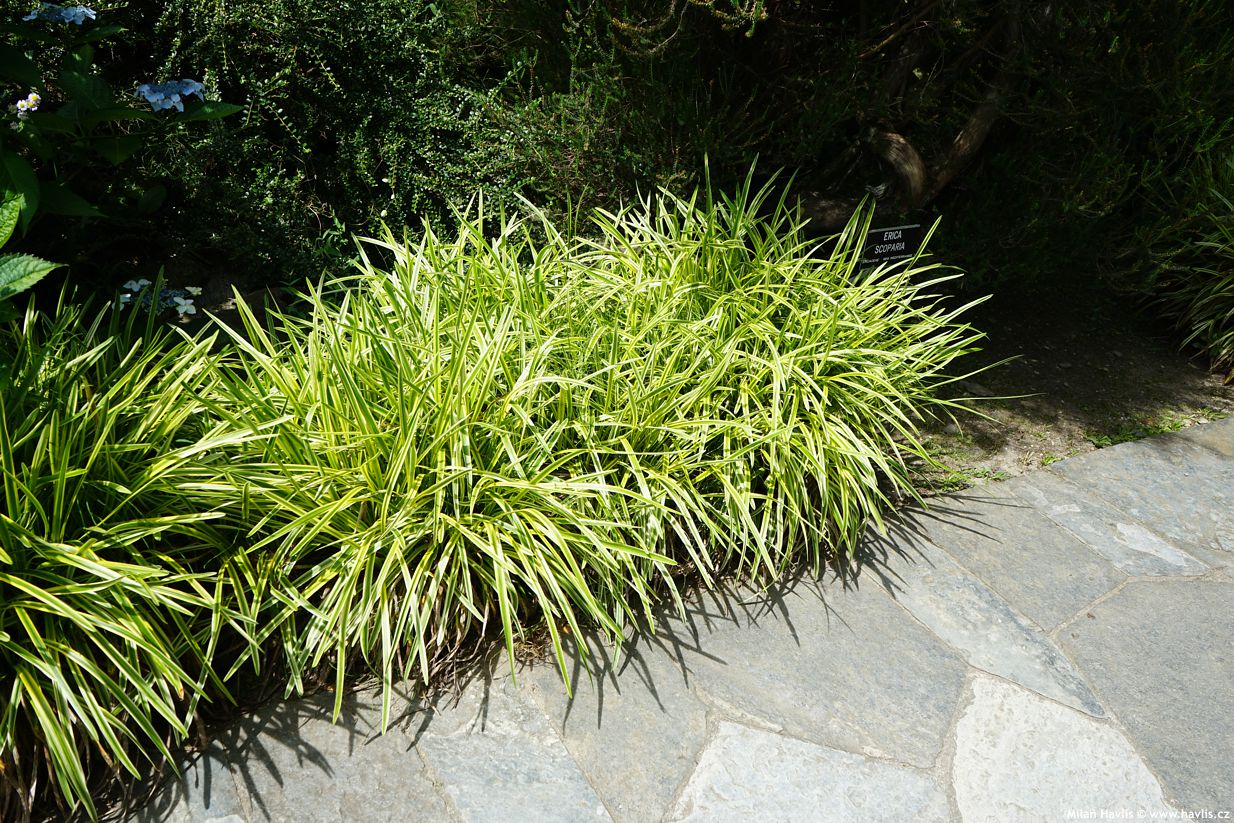
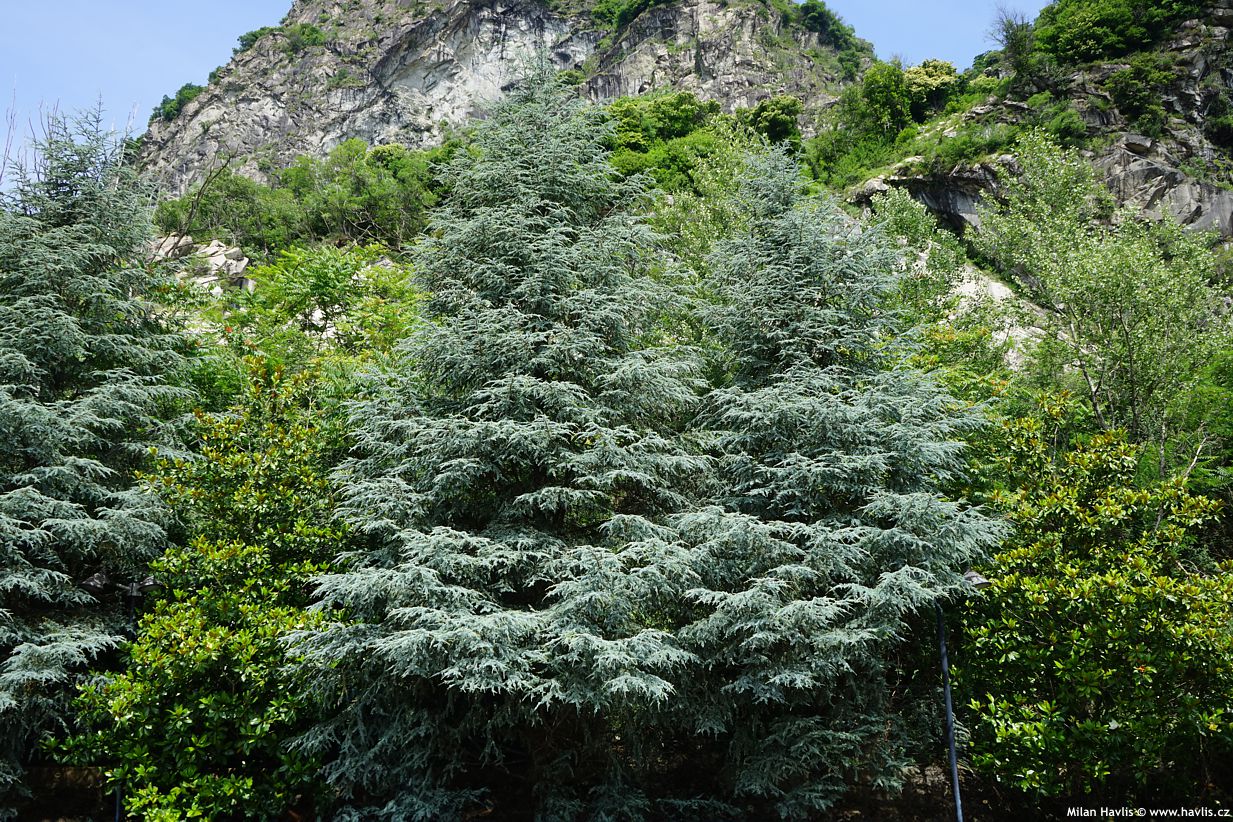
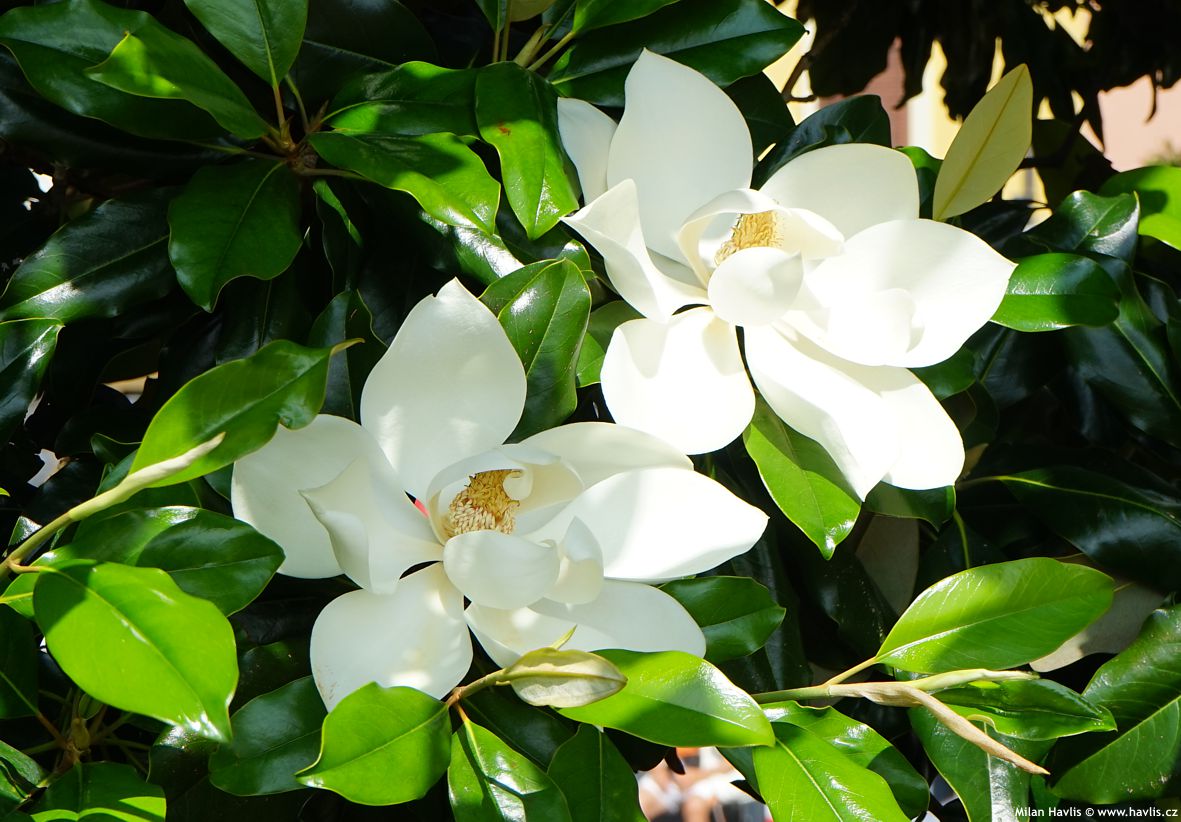
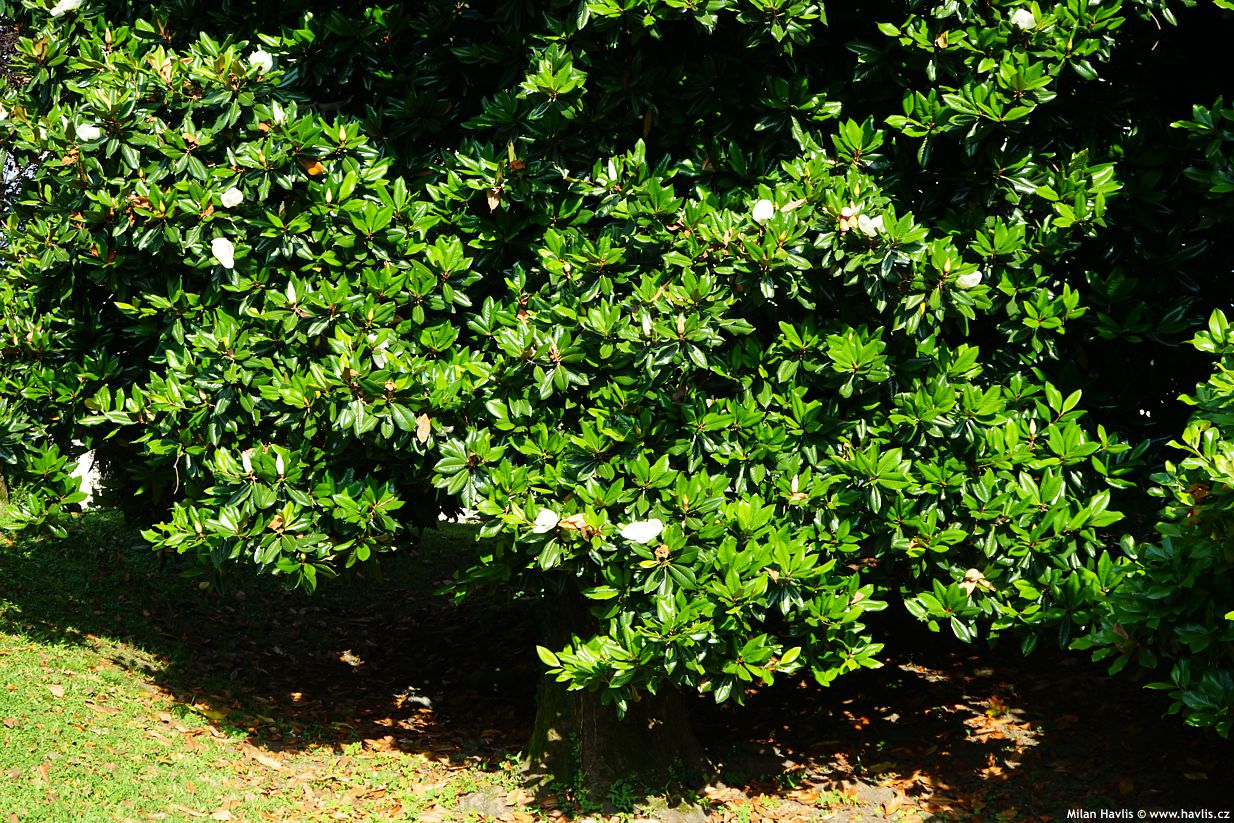
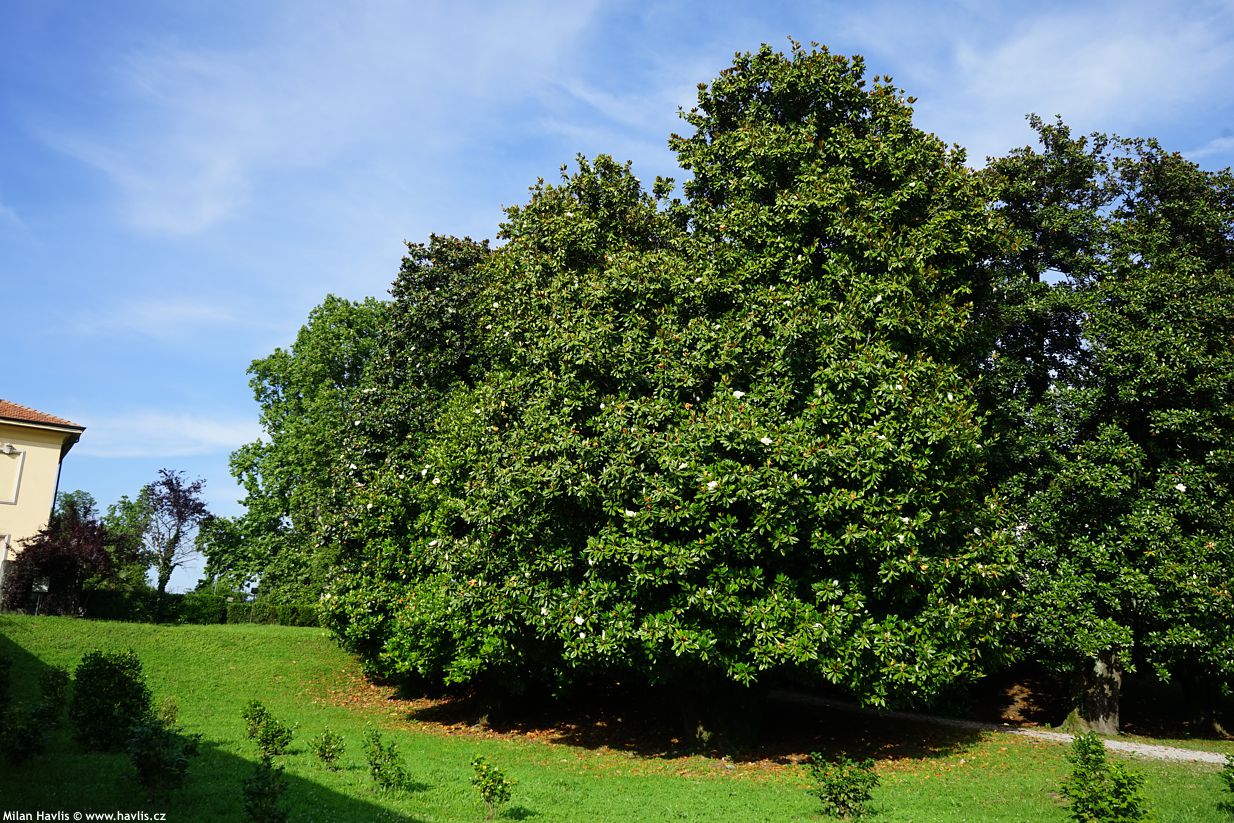
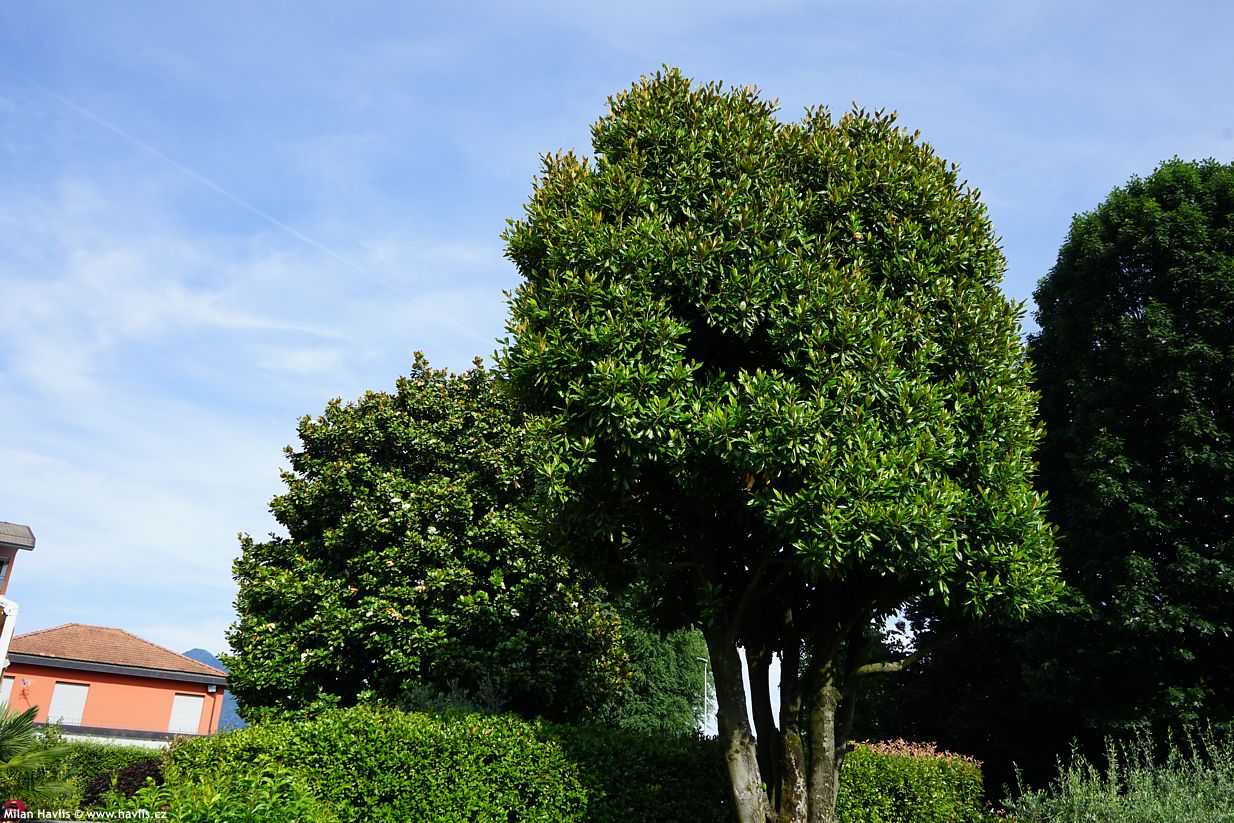
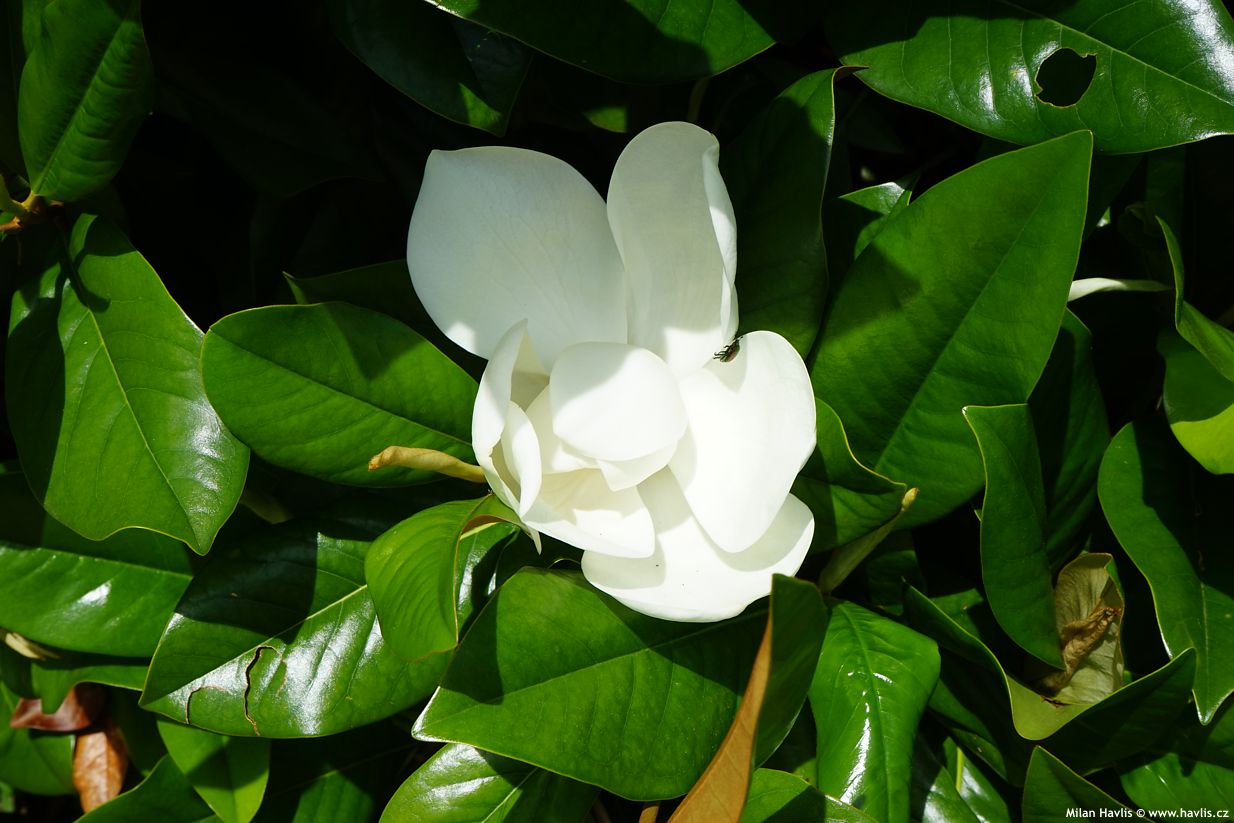
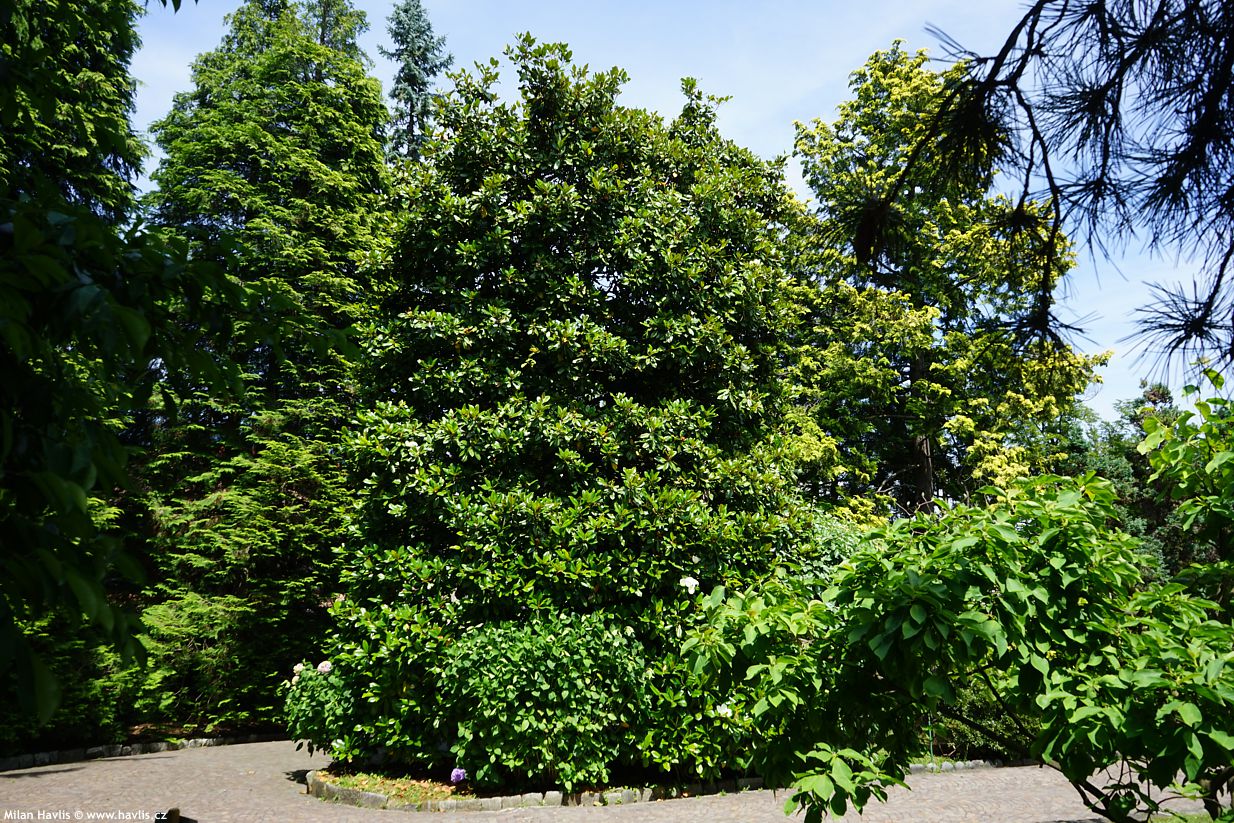
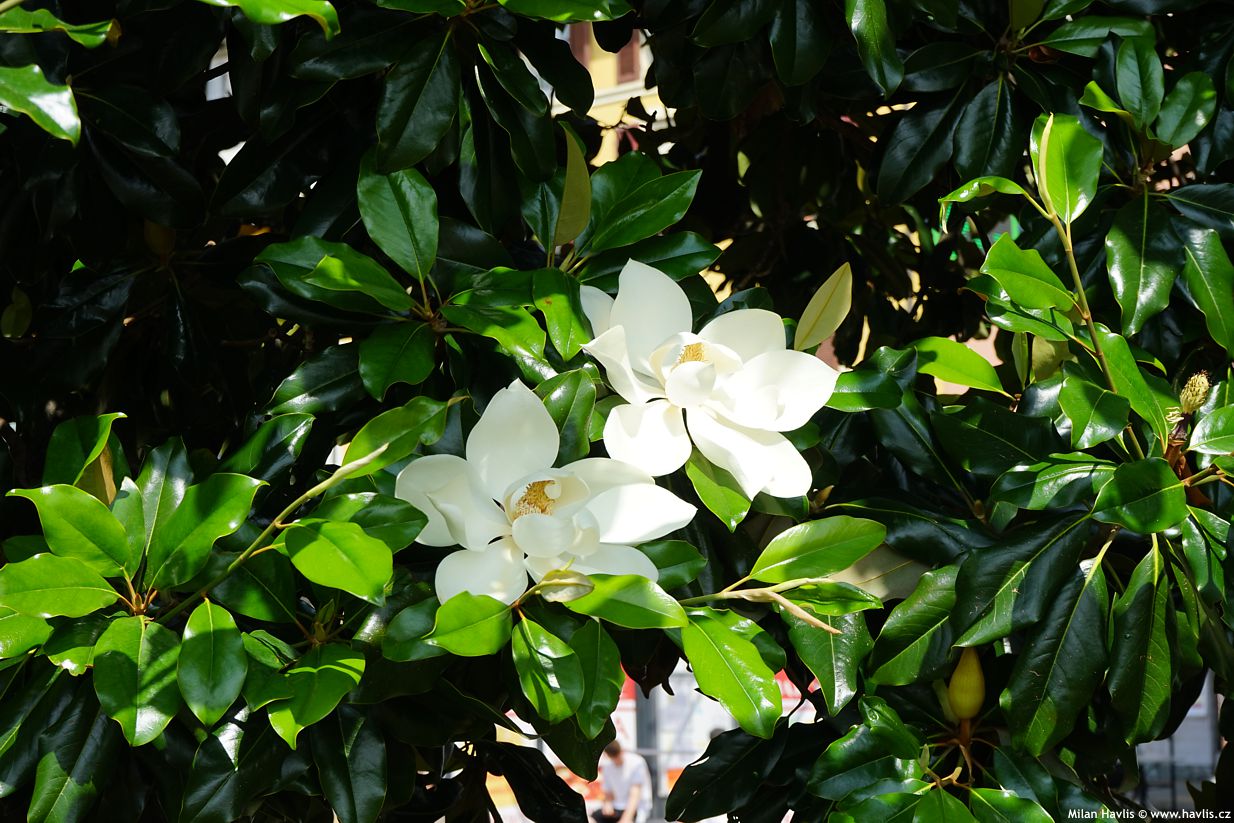
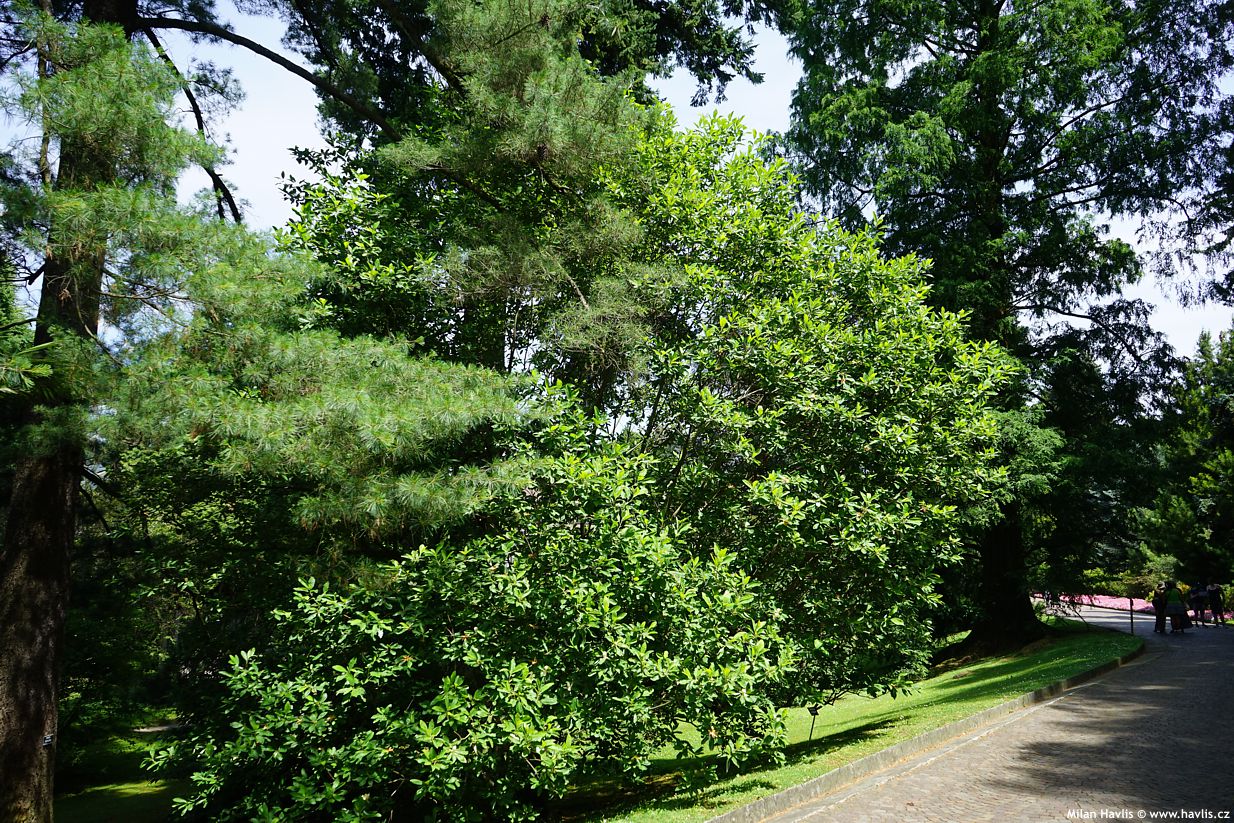
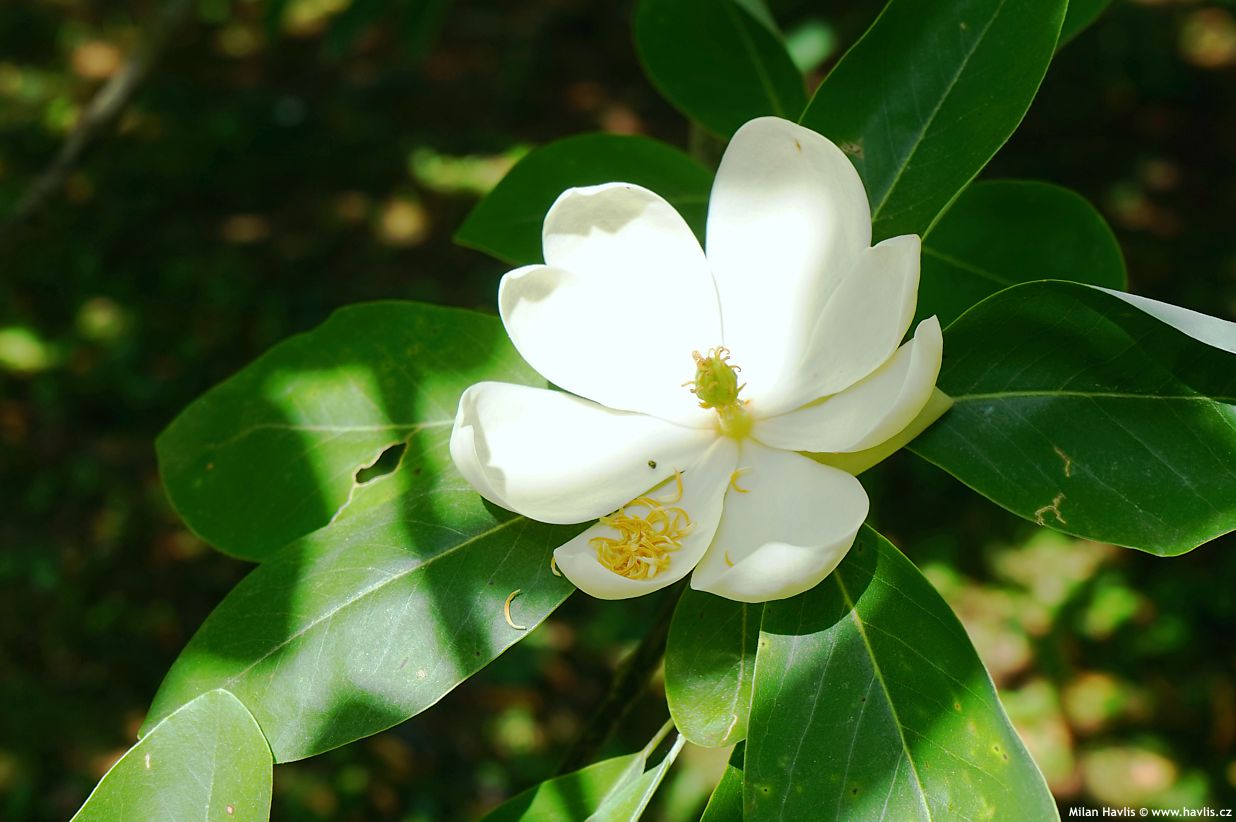
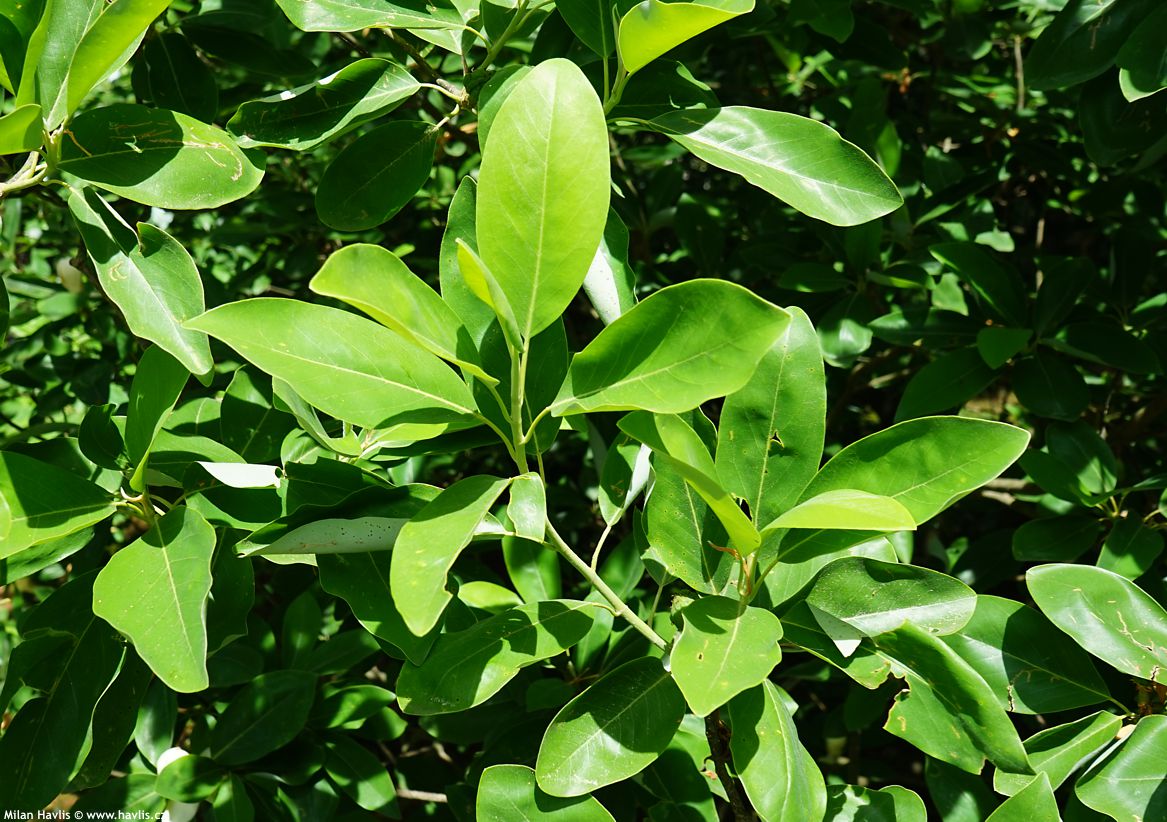
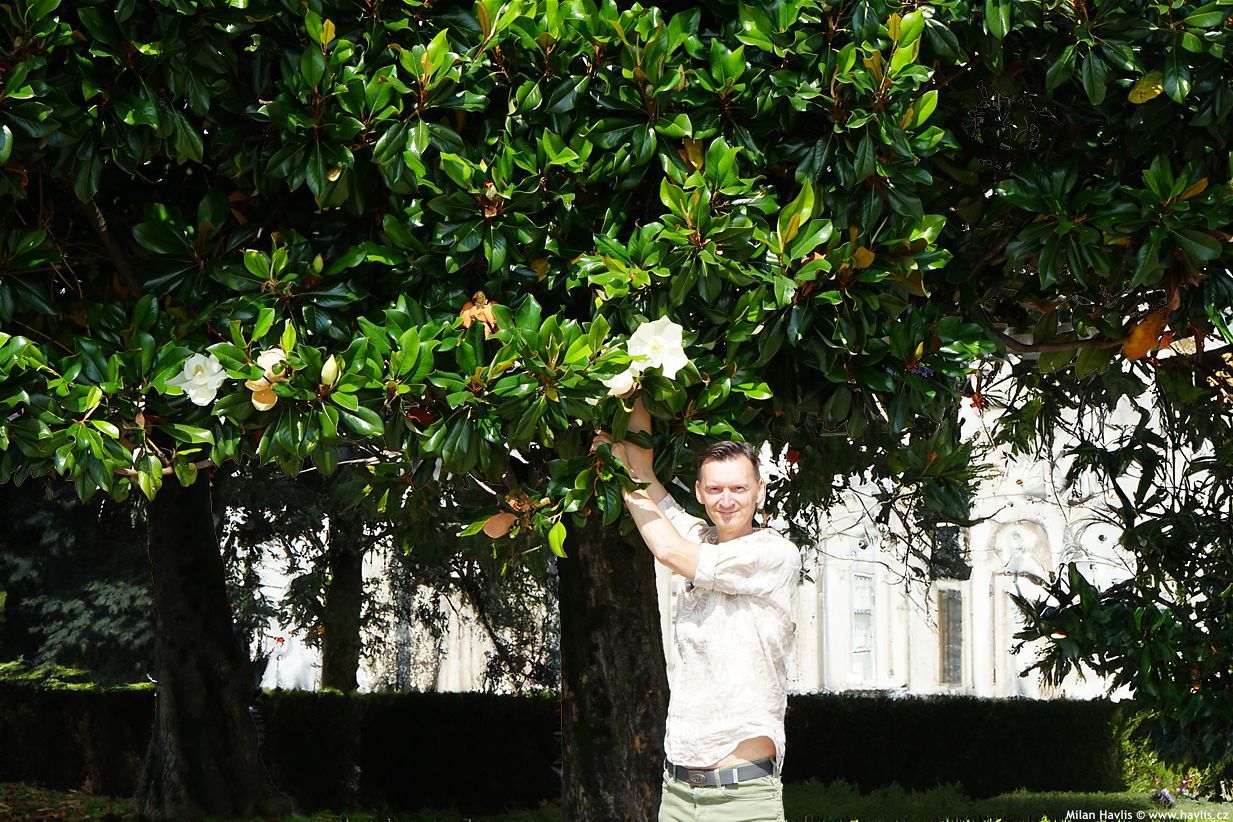
Last summer we travelled to Verbania in northern Italy to film a major part of our most important video about the signature plant of our assortment – the southern magnolia. What an experience! If you’ve seen the video, you may have felt it. Verbania is a spa town built on the shore of Italy’s second-largest lake, Lago Maggiore, which is so long that it stretches all the way up north into Switzerland.
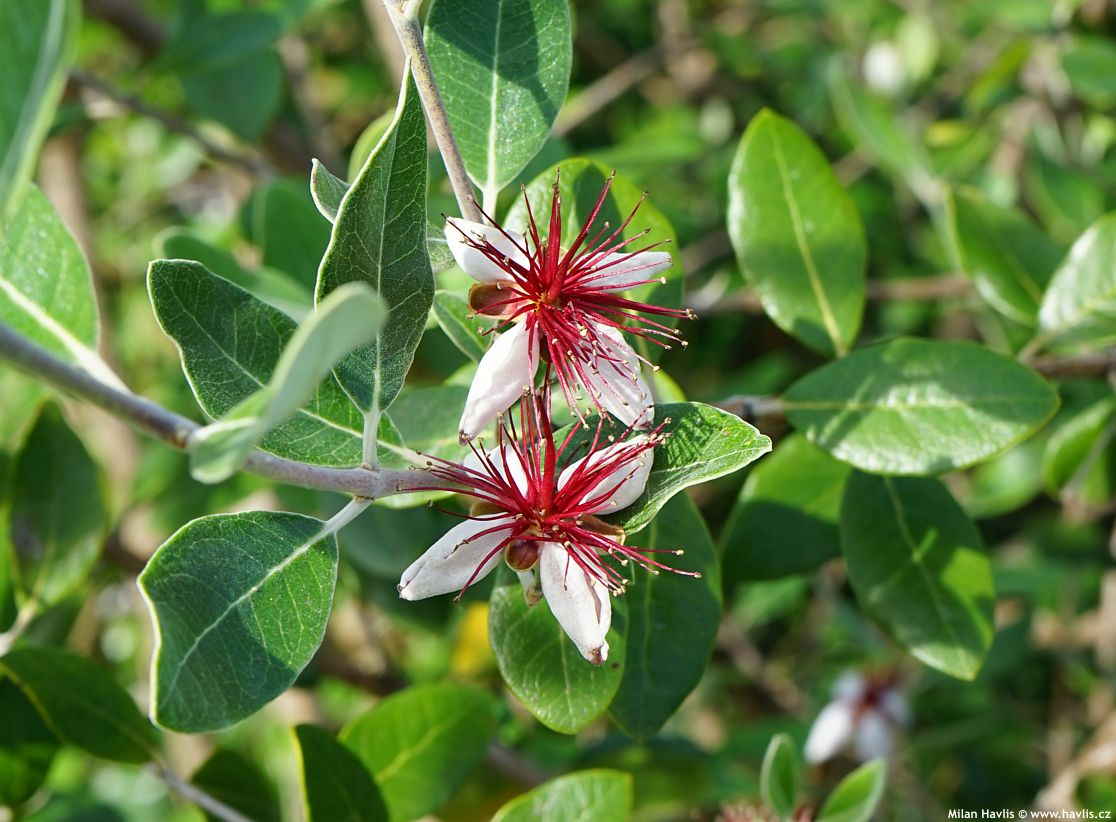
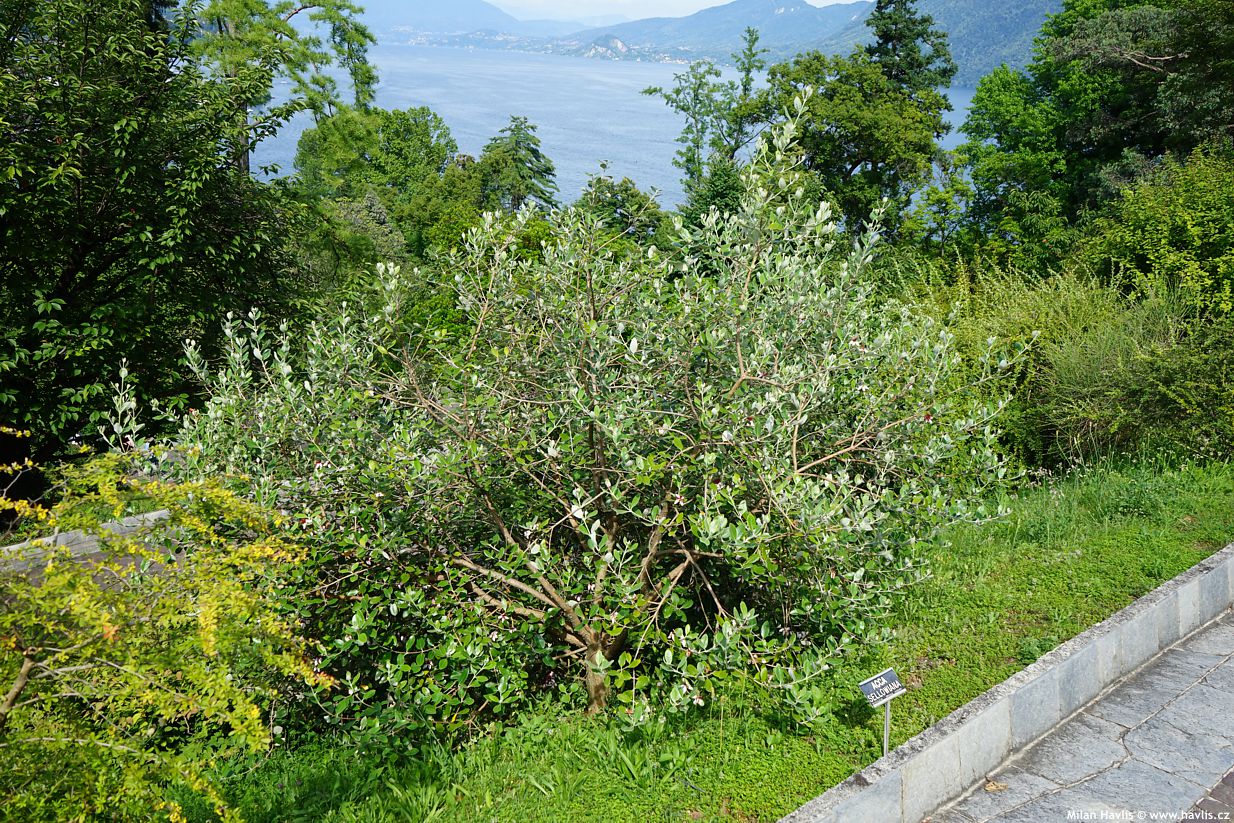
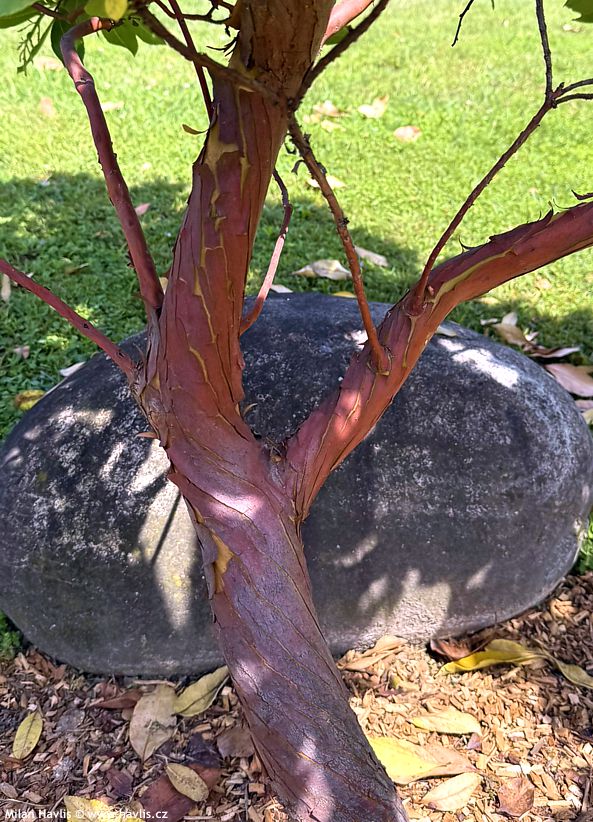
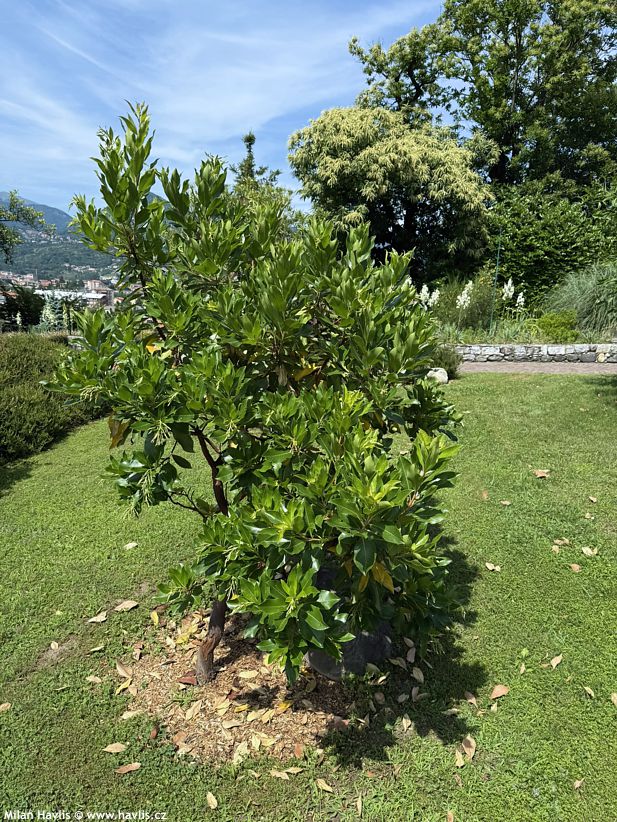
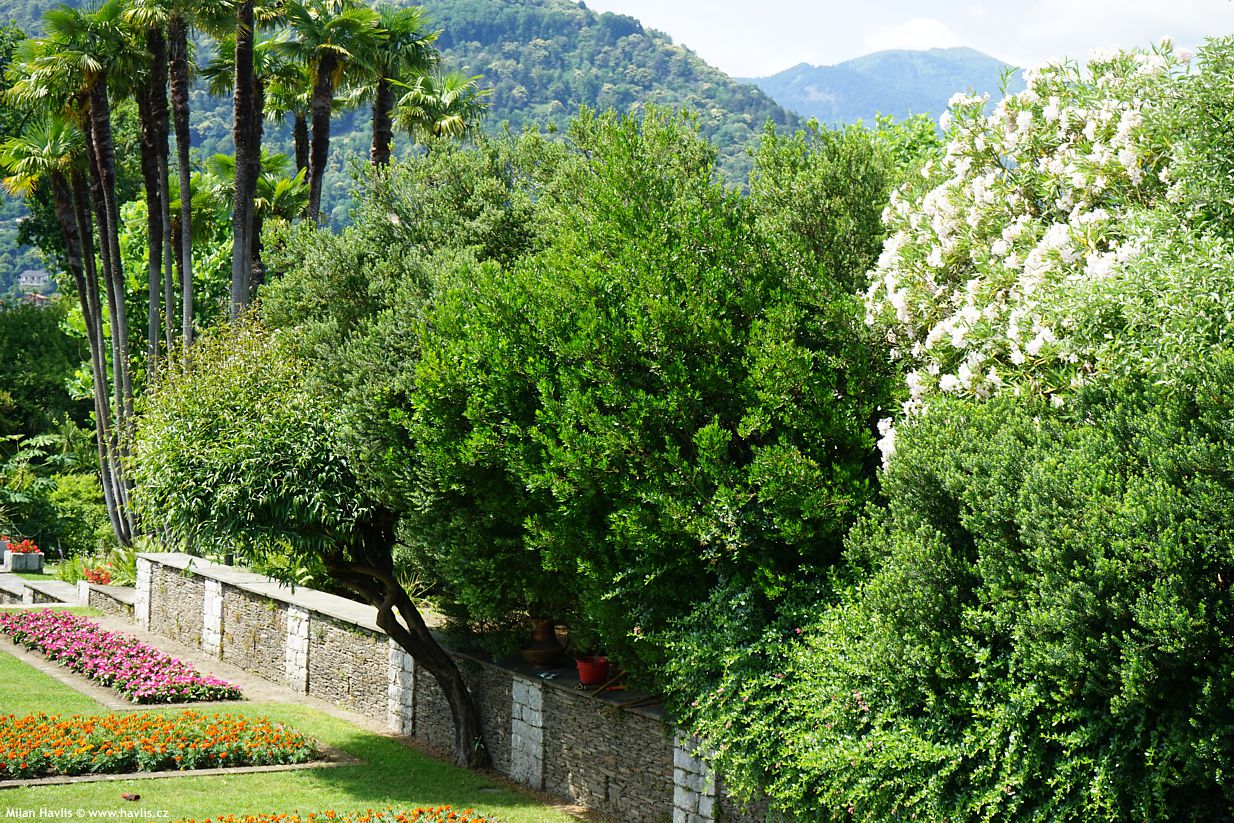
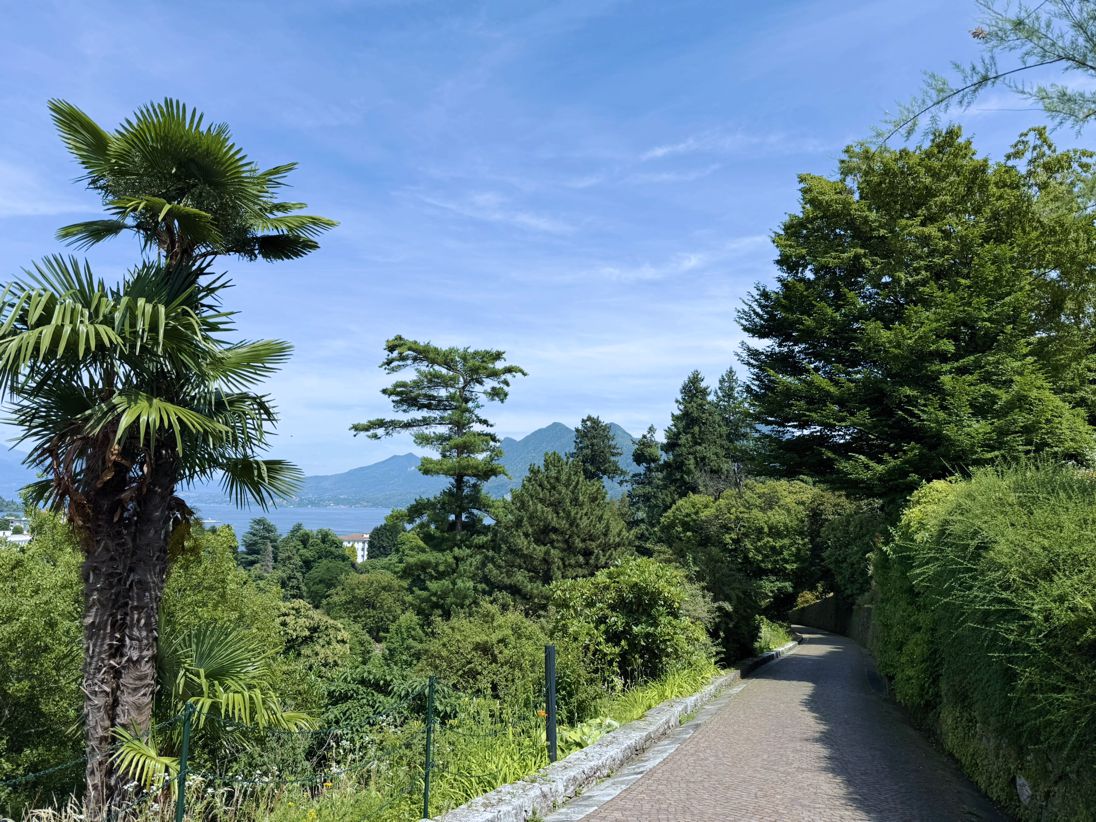
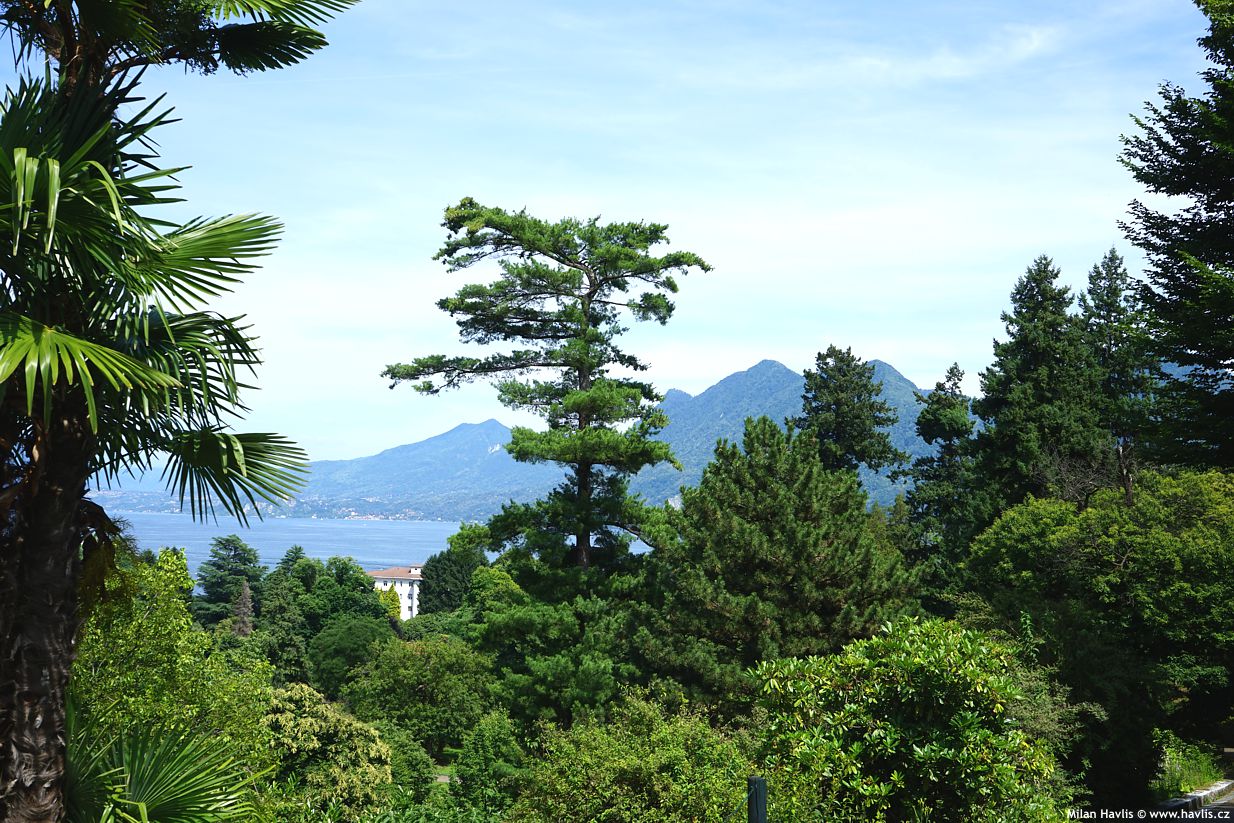
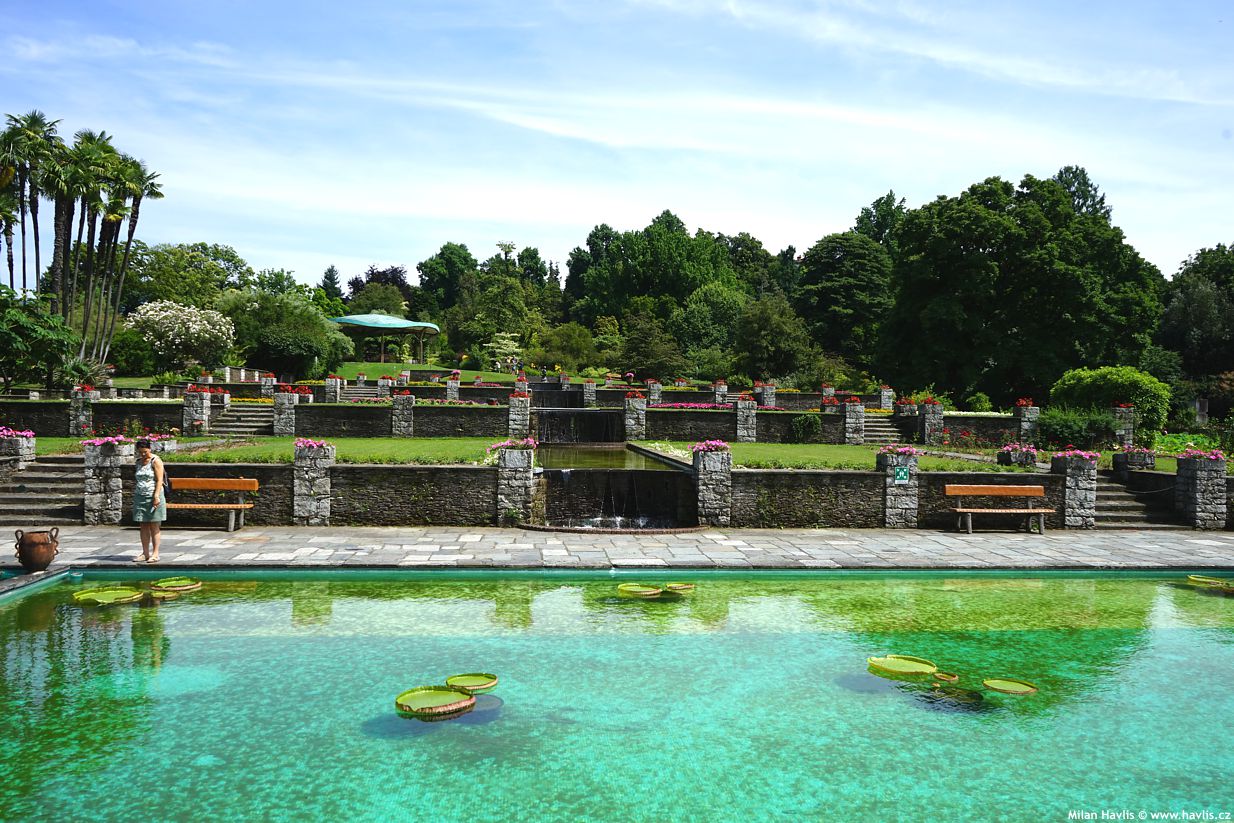
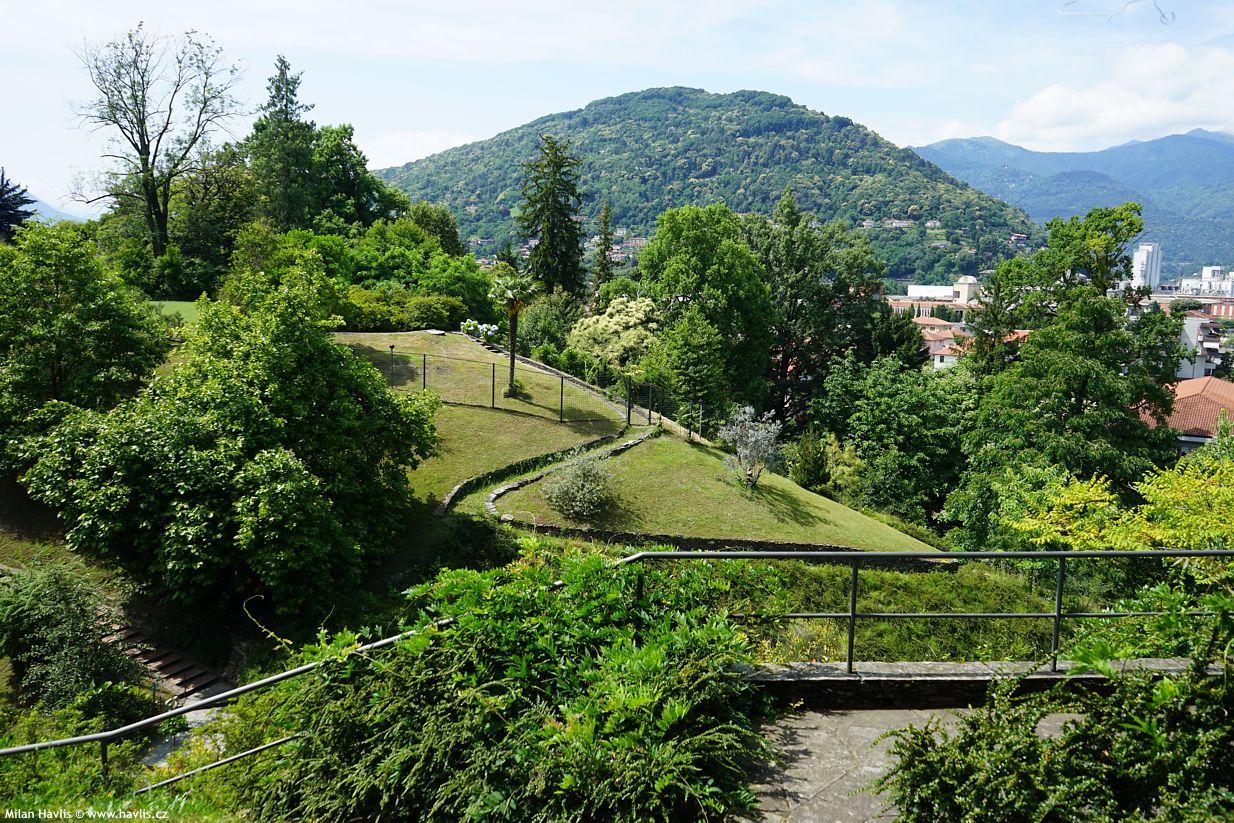
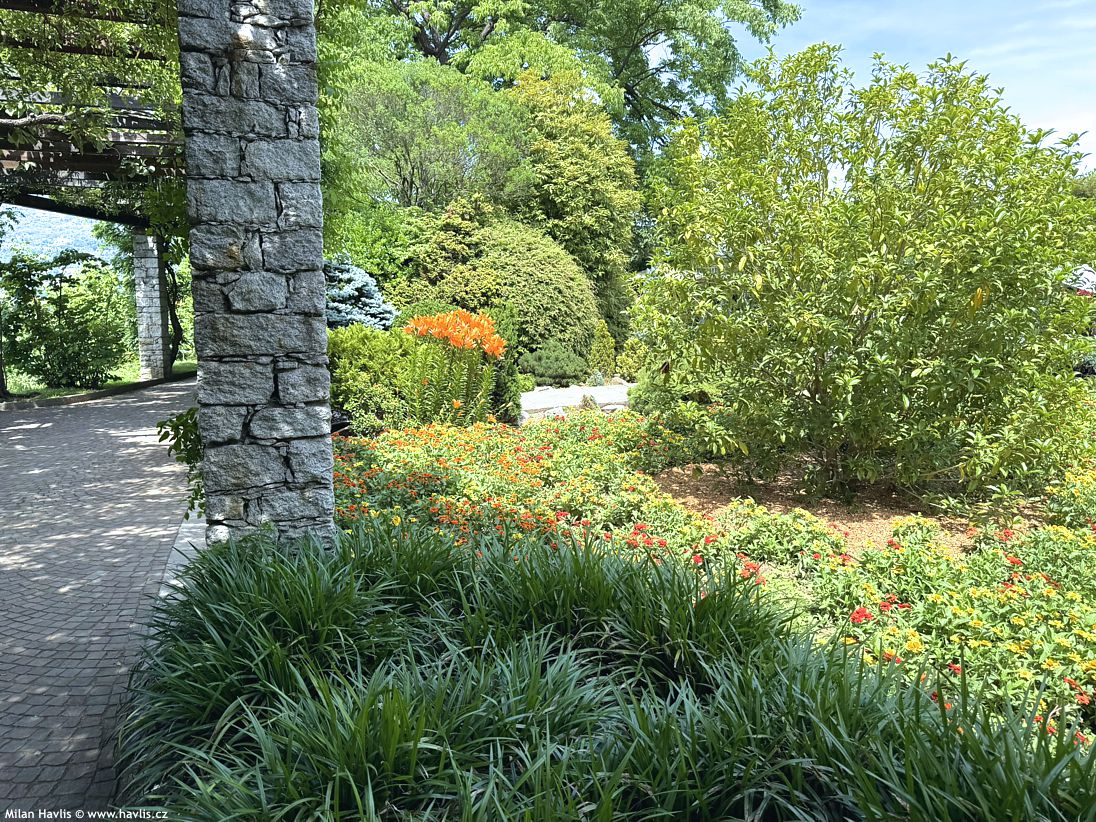
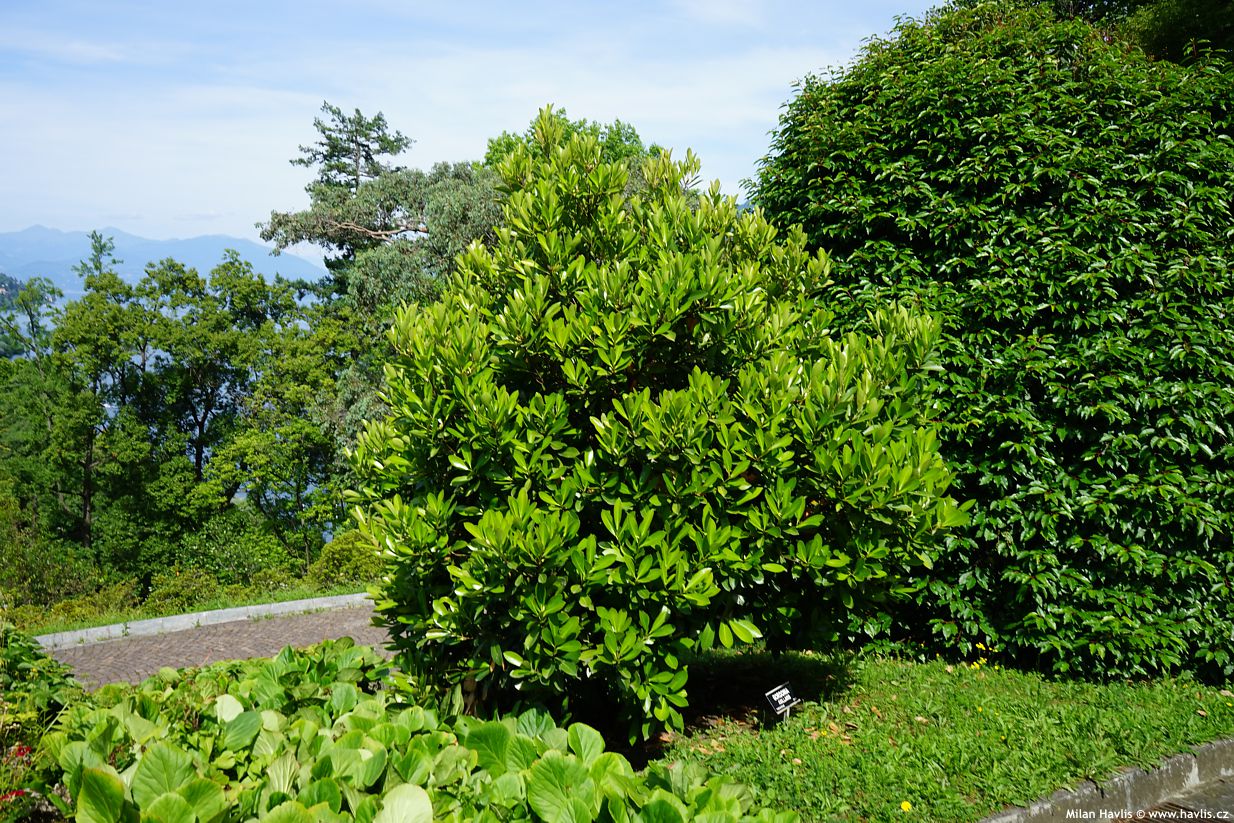
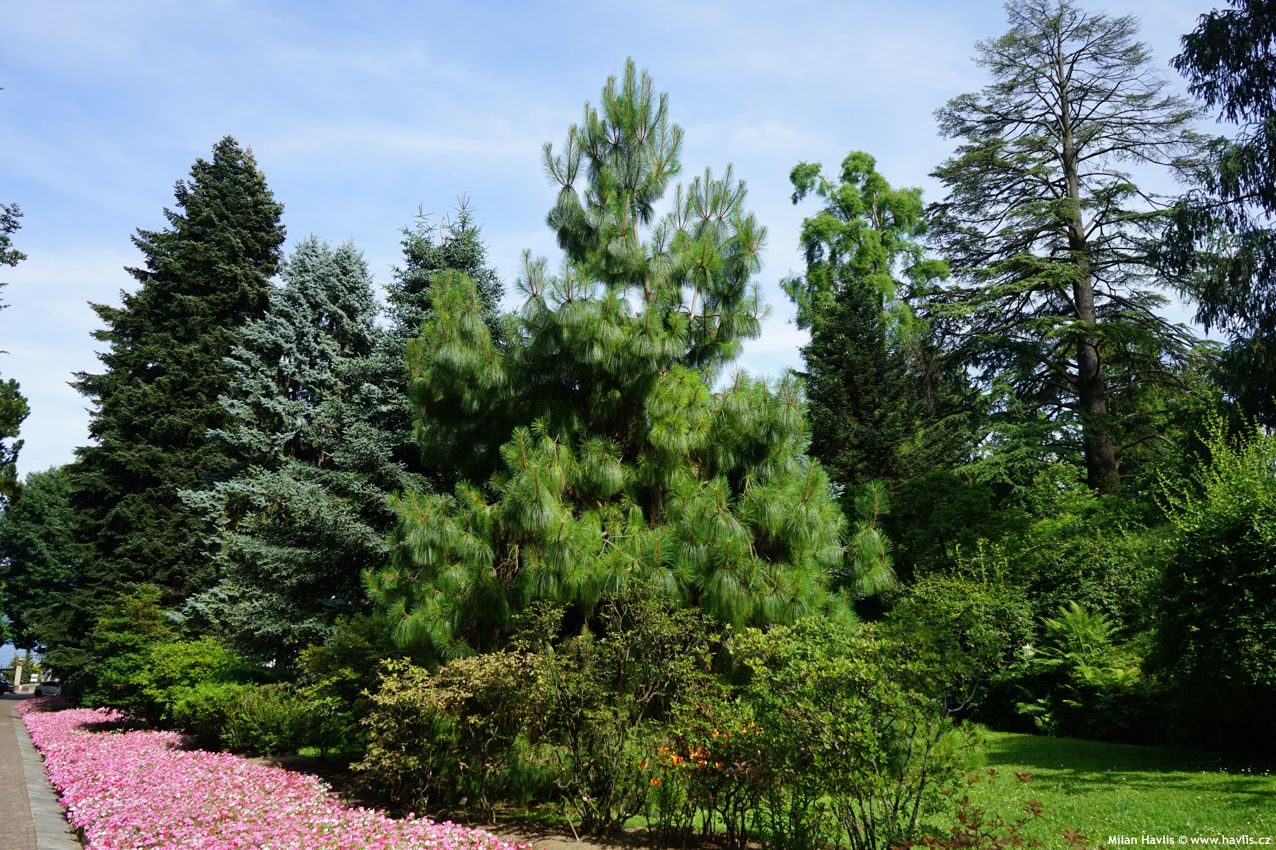
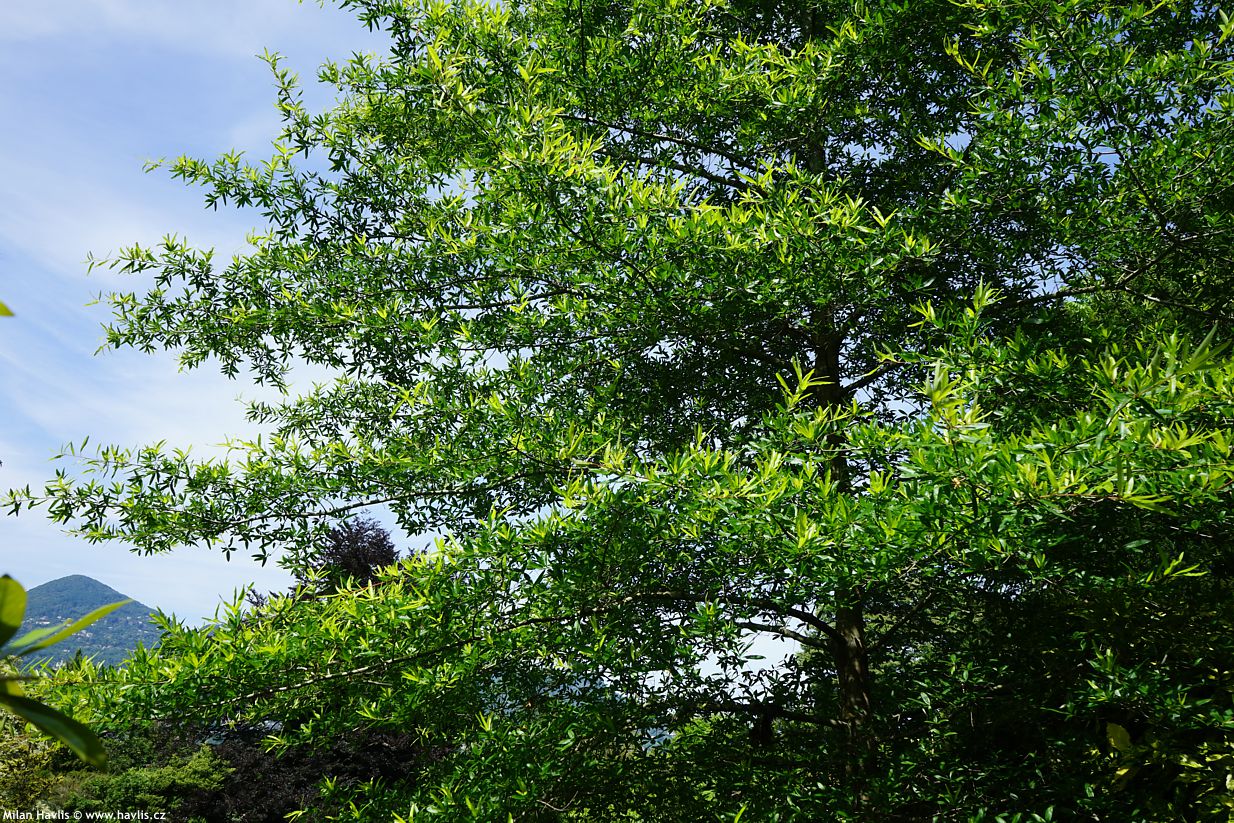
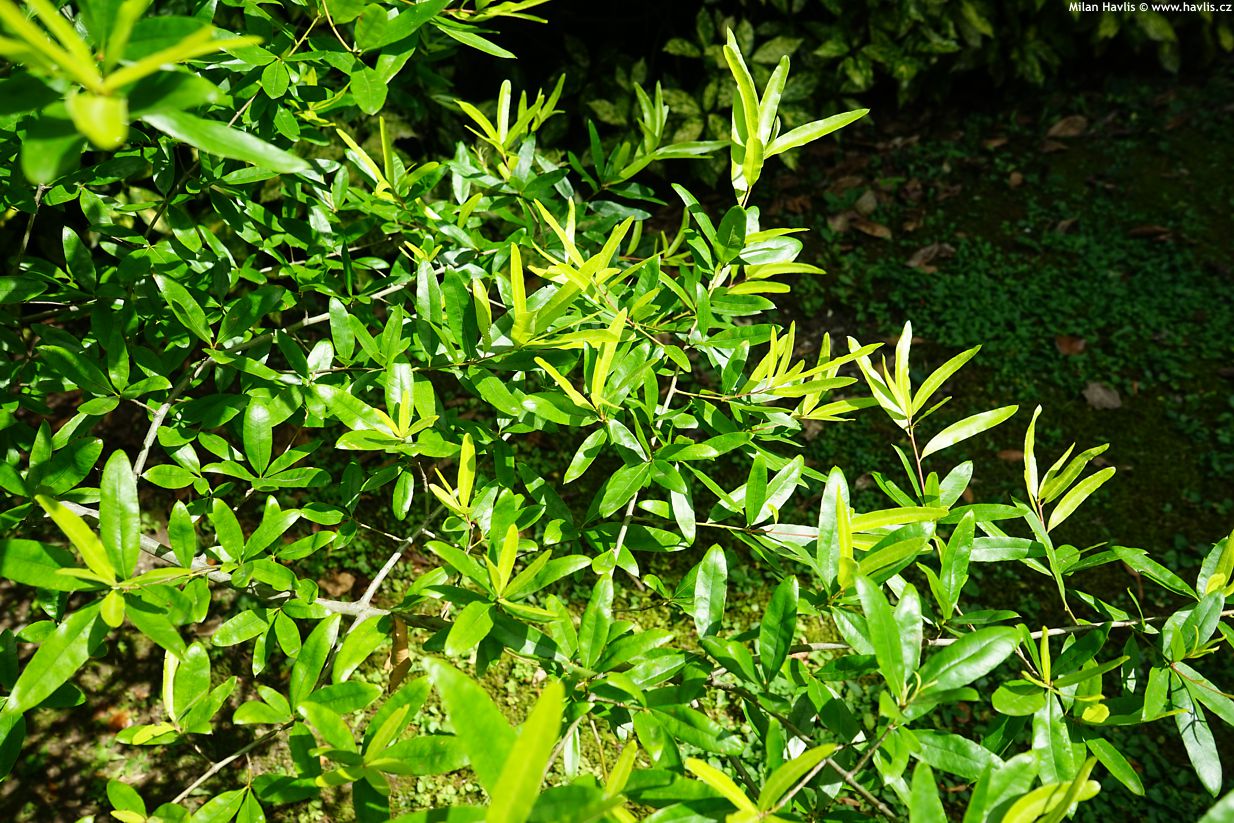
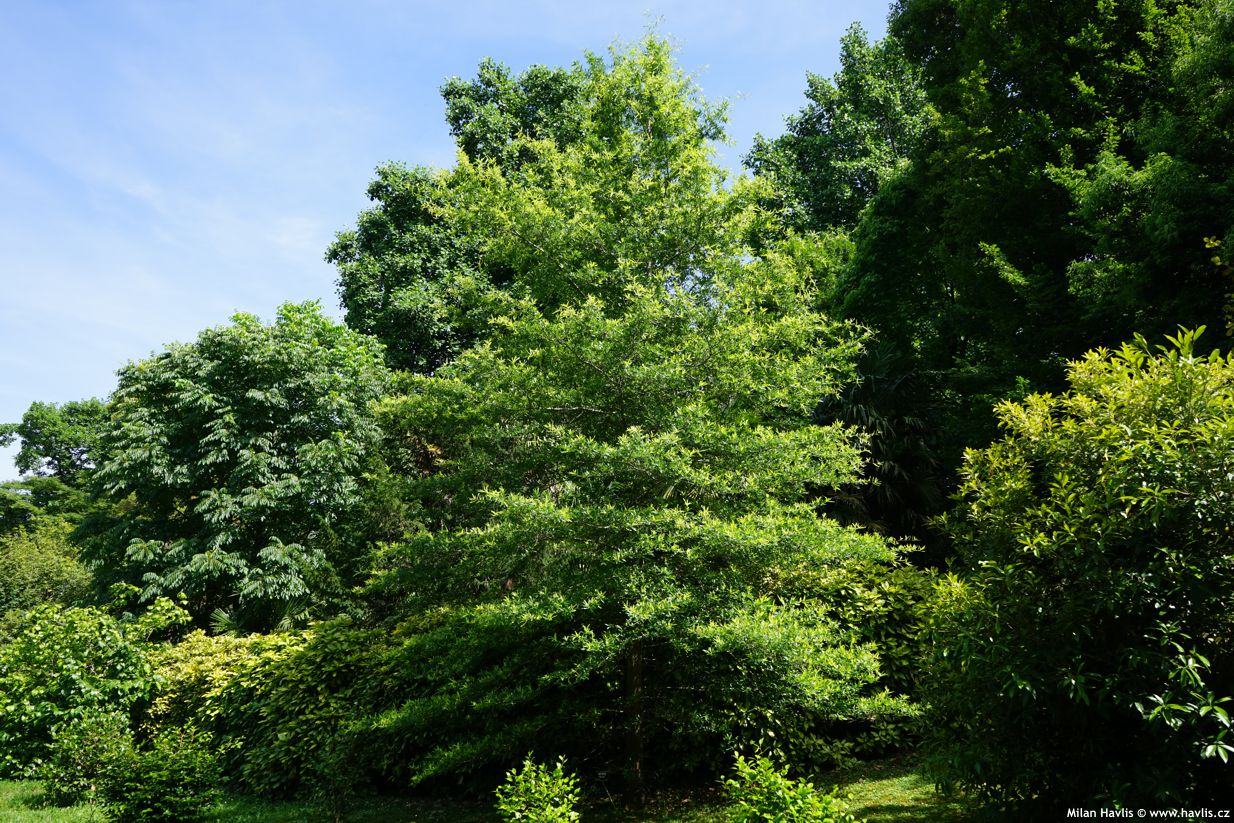
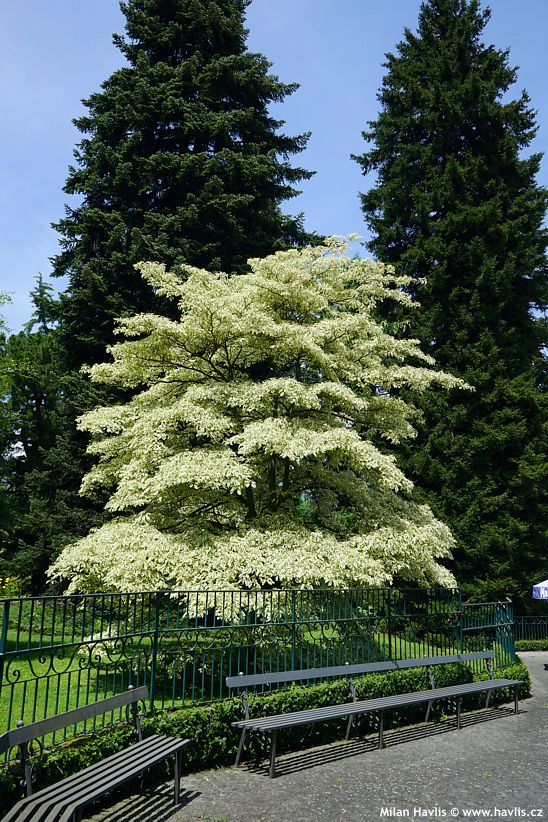
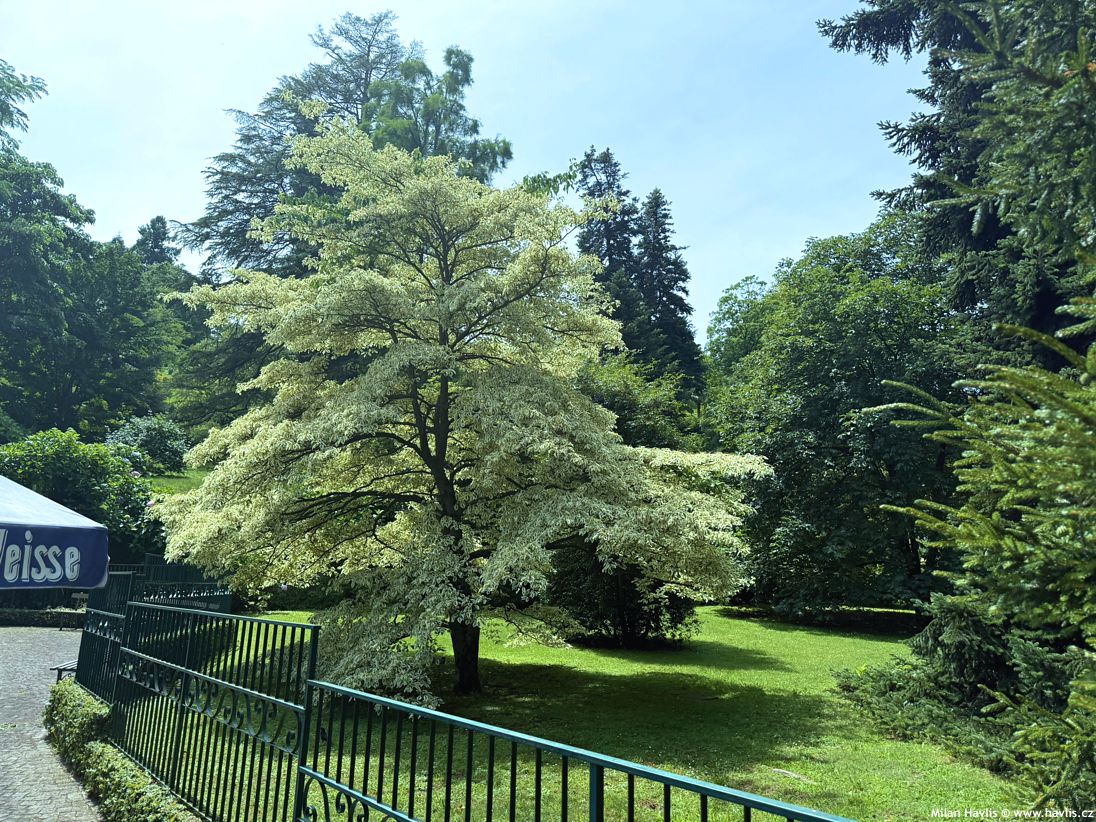
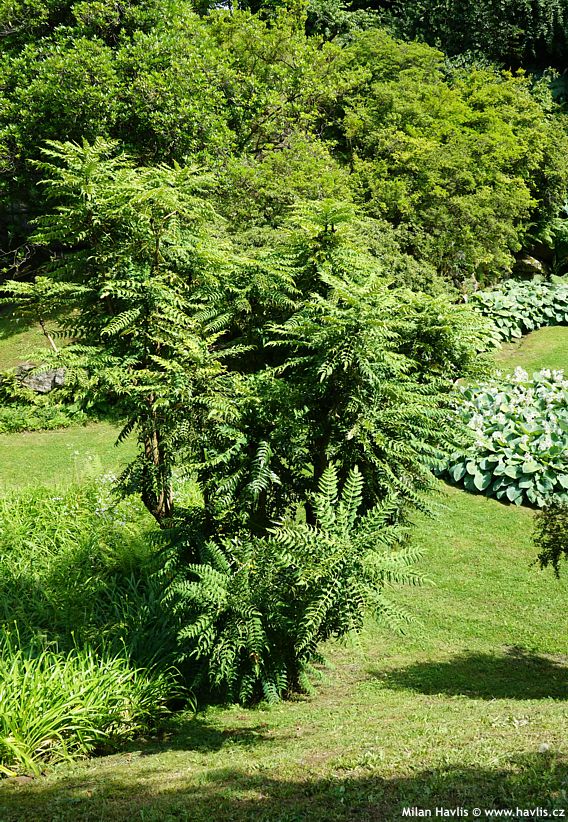
And right here lies the botanical garden Giardini Botanici di Villa Taranto. “Giardini” is plural in Italian – and no wonder. This is not a single garden, but a vast complex of different styles and worlds. It was founded in the 1930s by the Scottish captain Neil McEacharn, and today it is considered one of the most beautiful garden complexes in Italy and one of the most respected botanical collections in Europe, home to thousands of plants, including rare ones from all over the world.
This you can read in a guidebook. But only when you step through the gate and pass the restaurant – necessary, yes, but stylistically a bit distracting – right by the entrance, do you truly understand where you’ve arrived. The garden feels as if it were created by someone who not only understood plants but genuinely loved them – and you can feel that in every metre. So let’s explore the story a little deeper, shall we?
History of true passion
Neil Boyd McEacharn was a Scotsman who possessed two things in unusual abundance: money and an obsession with plants. He came from a wealthy family owning shipping companies and mines, but the direction of his life was set by an invisible fate already in childhood, when he first visited Italy with his parents and she whispered into his ear: “Ragazzo mio, qui un giorno troverai il tuo sogno e la tua casa.” Imagine an eight‑year‑old boy from cold Scotland, standing with his mouth wide open, staring at a landscape bathed in hot Italian sun – that’s exactly the image of Neil when he fell in love with the place. That was the defining moment when the idea of a breathtaking garden began to live inside him.
But dreams like that need time. A lot of time. Only at the age of forty‑six, travelling on the Orient Express (can you feel that breath of history and exoticism?), he came across an ad offering a villa on Lago Maggiore. Coincidence…? He didn’t hesitate. He bought it, renamed it Villa Taranto, and threw himself into a project that would take almost a decade.
Between 1931 and 1940, McEacharn transformed the entire estate: he felled thousands of trees, reshaped the terrain, built a water system several kilometres long, and gathered plants from all over the world. Put into simple words it may sound dry and easy – but can you REALLY imagine it? In reality, it was a monumental operation in which the original landscape was transformed into something Italy had never seen before. Every new bed was like a chapter of a novel, every imported tree a character with its own story.
McEacharn personally supervised the plantings, took notes on how the plants behaved in the local climate, and had ponds, water staircases and long avenues built to guide the visitor exactly as he envisioned. He invested his entire fortune into the project (and he was a Scot!), and because he had not only resources but also patience, he could afford a luxury most gardeners only dream of: if he didn’t like something, he had it redone. And if he did like it, he expanded it.
There's always a twist
When the war broke out, he had to leave Italy – a moment that would have broken many hearts. But he did something very unexpected: he donated the garden to the state so it could survive without him. After the war he returned, walked through the gate, and found the garden alive, growing, more beautiful than ever. Fortunately, the state knew very well that McEacharn was the best person to care for it, and so he was allowed to come back and look after it until the end of his life. He opened it to the public and spent the rest of his days among his trees, as if walking through a dream that had become reality.
Today, the Giardini Botanici di Villa Taranto are considered one of the most beautiful garden complexes in Europe, and the place feels exactly as McEacharn imagined: a place where botany becomes an experience, and where, for a moment, you find yourself inside a story with a true happy ending. A living proof of what a person can create when they have not only the means, but also a dream to follow, the courage to pursue it, and above all a lifelong love for plants.
My conclusion?
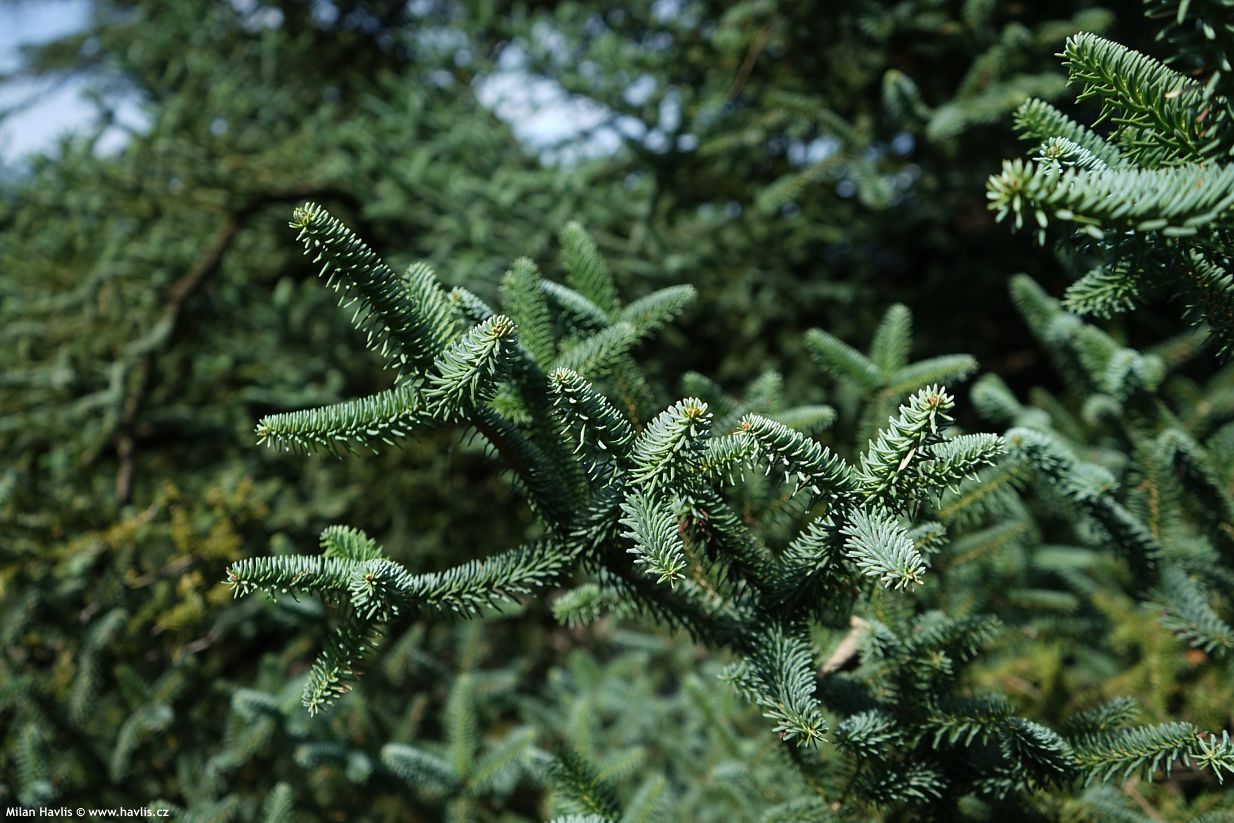
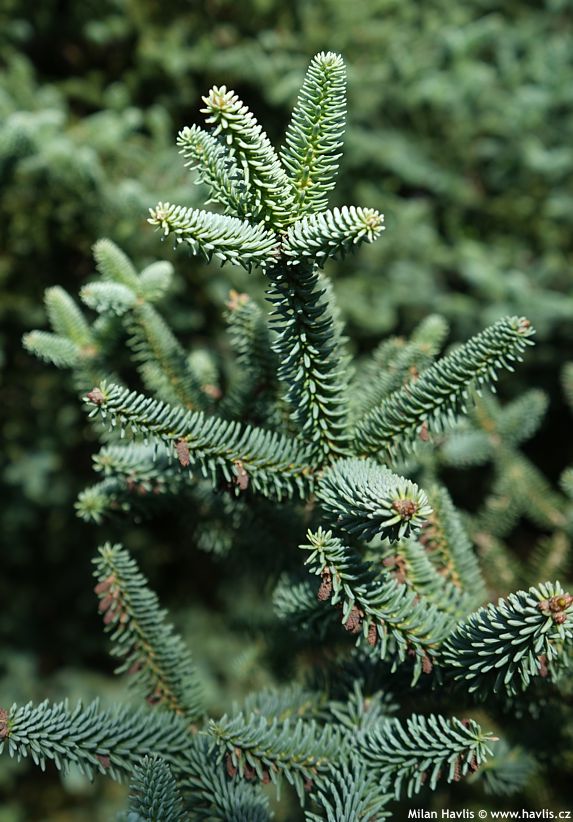
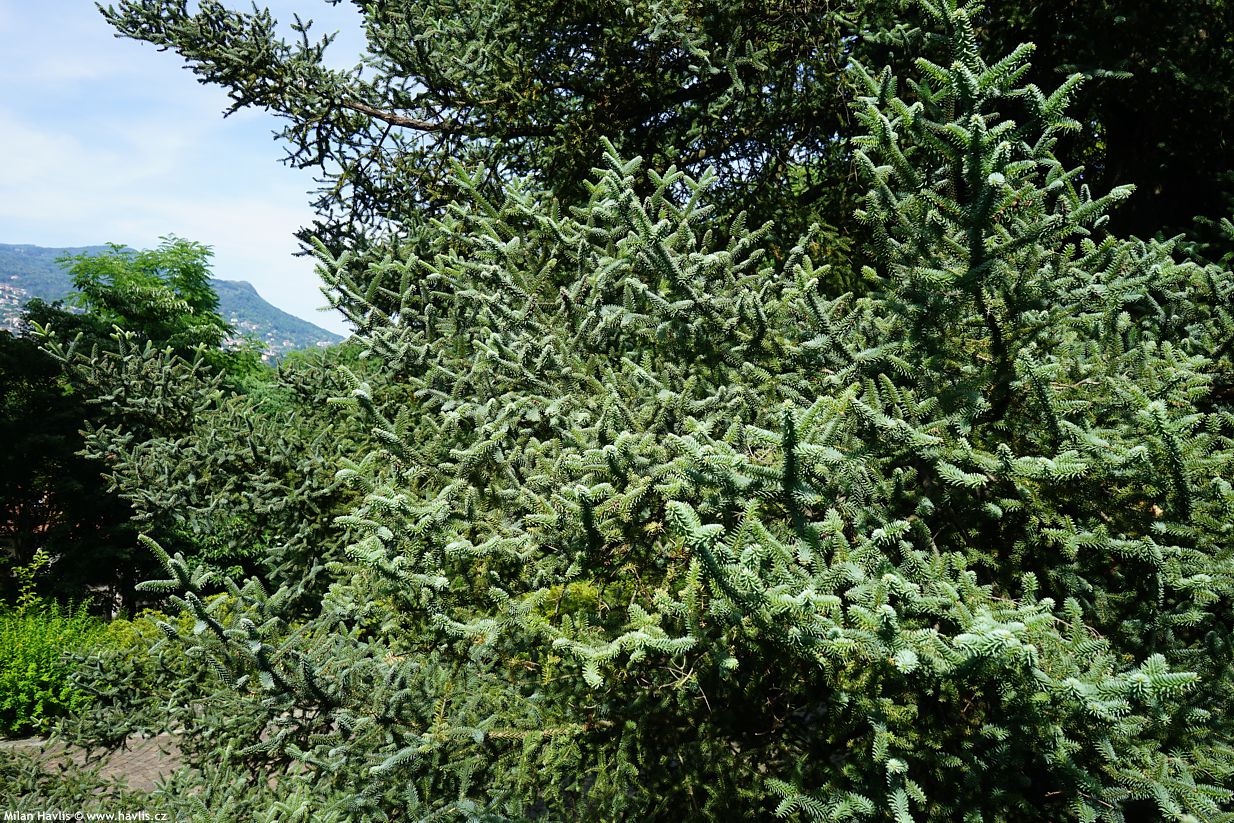
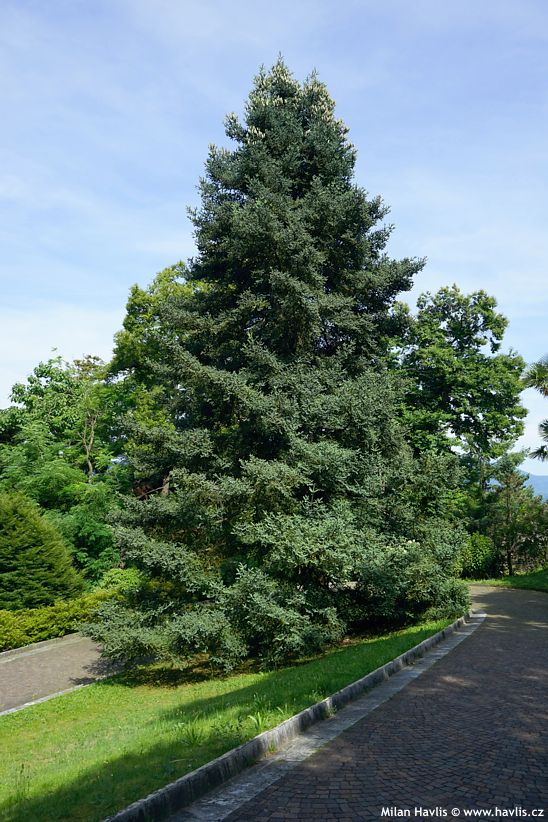
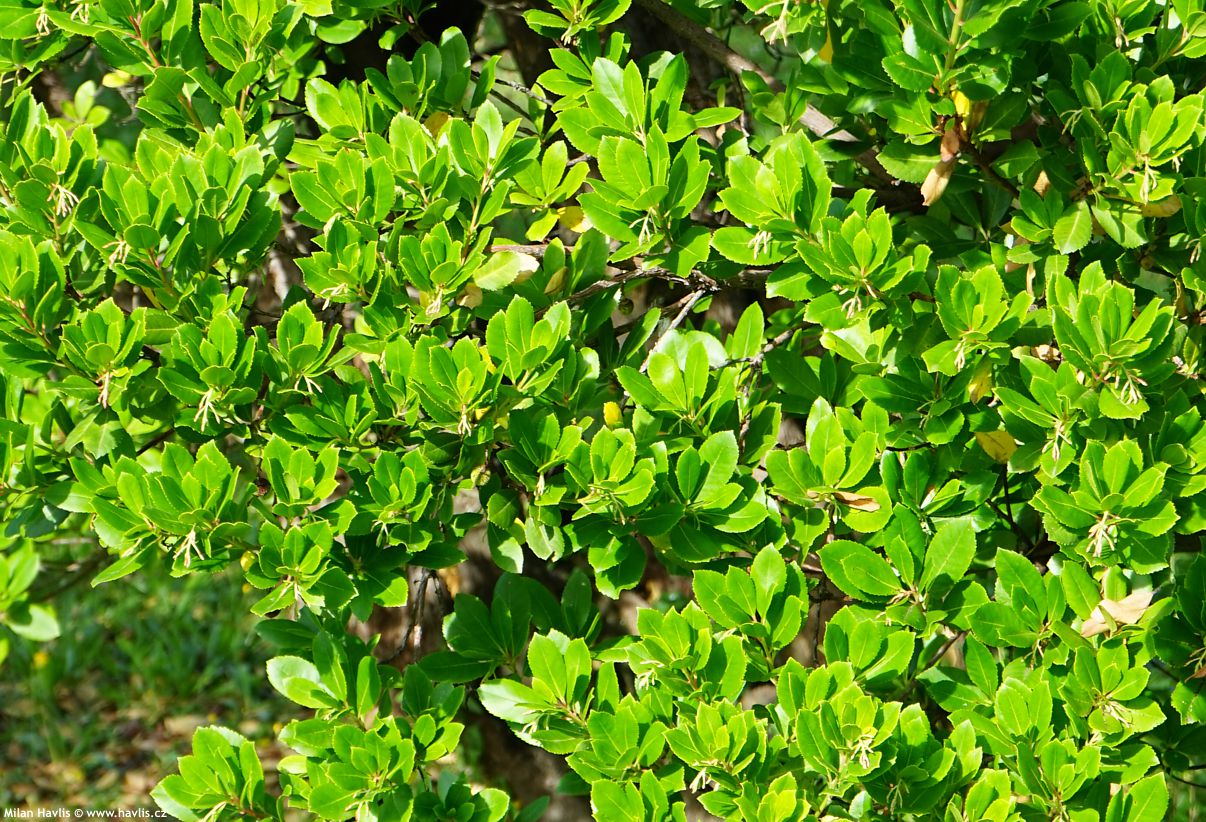
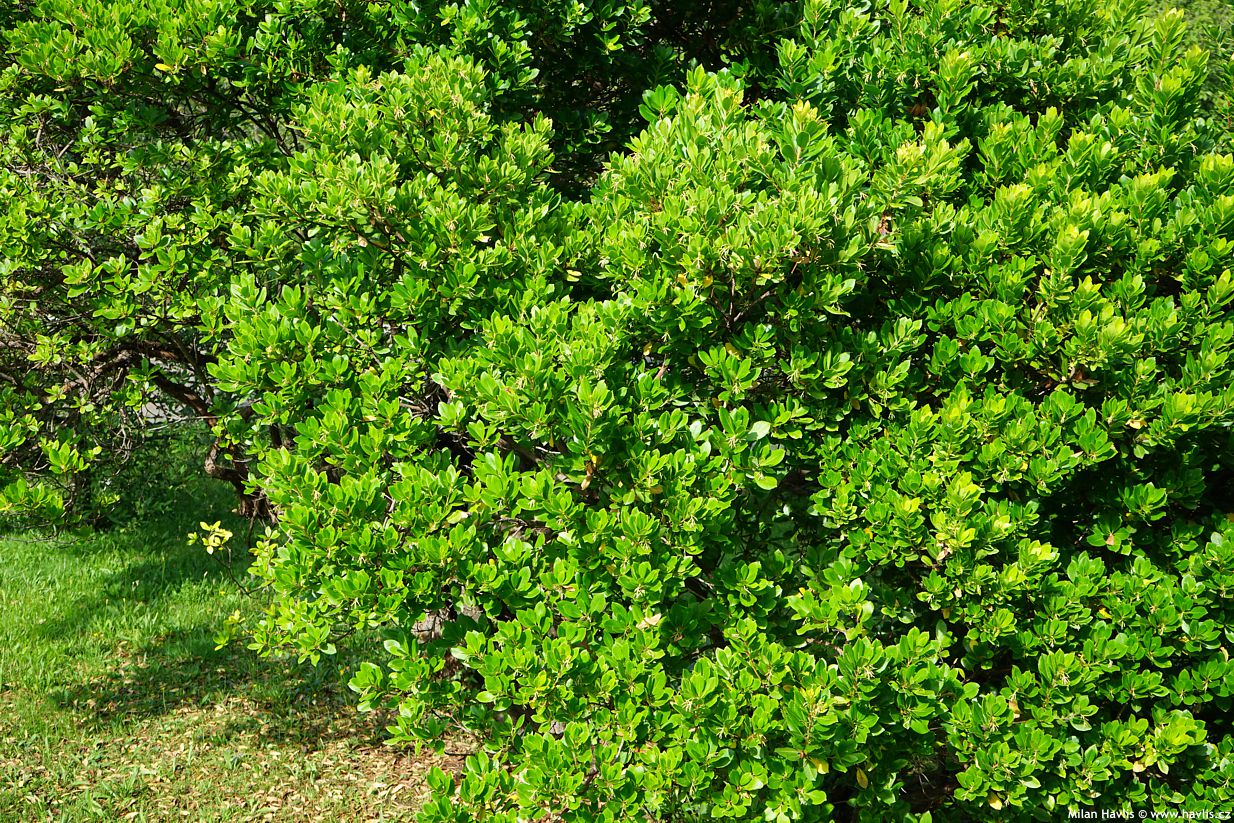
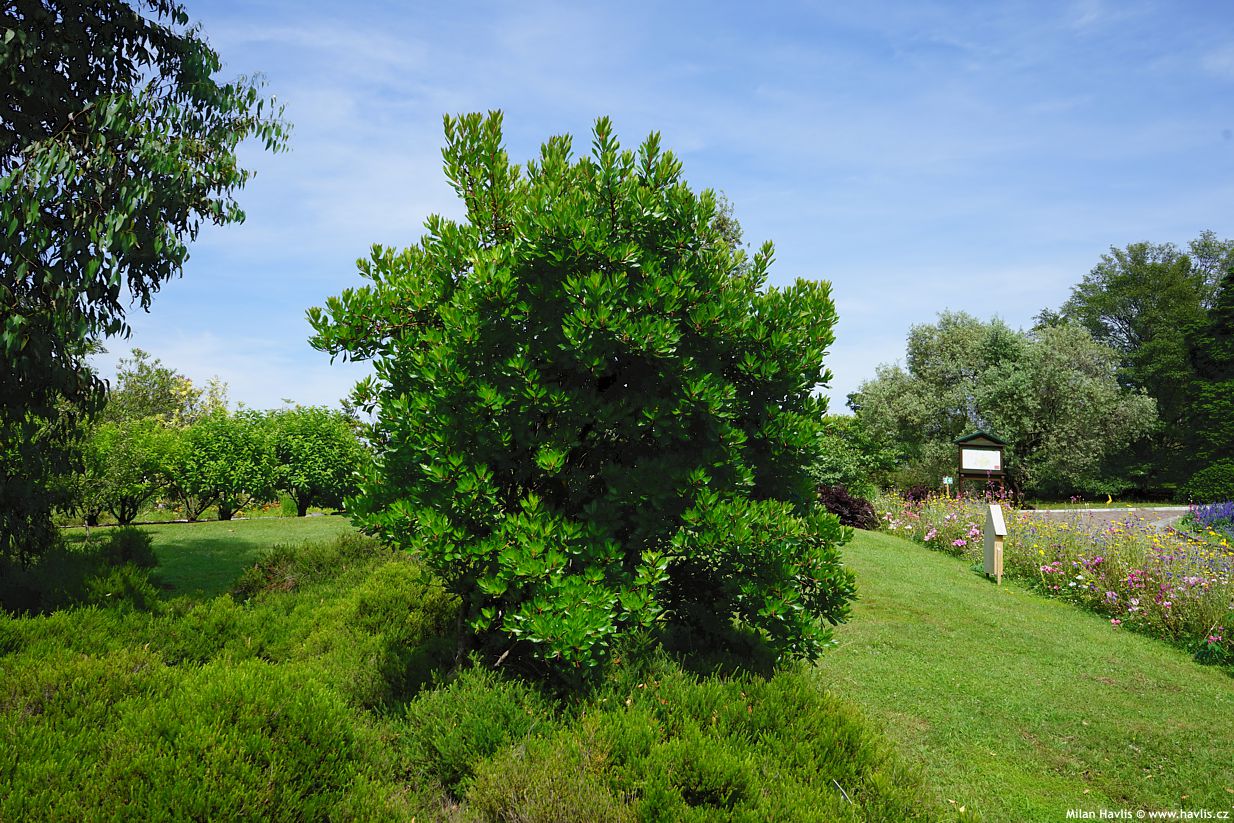
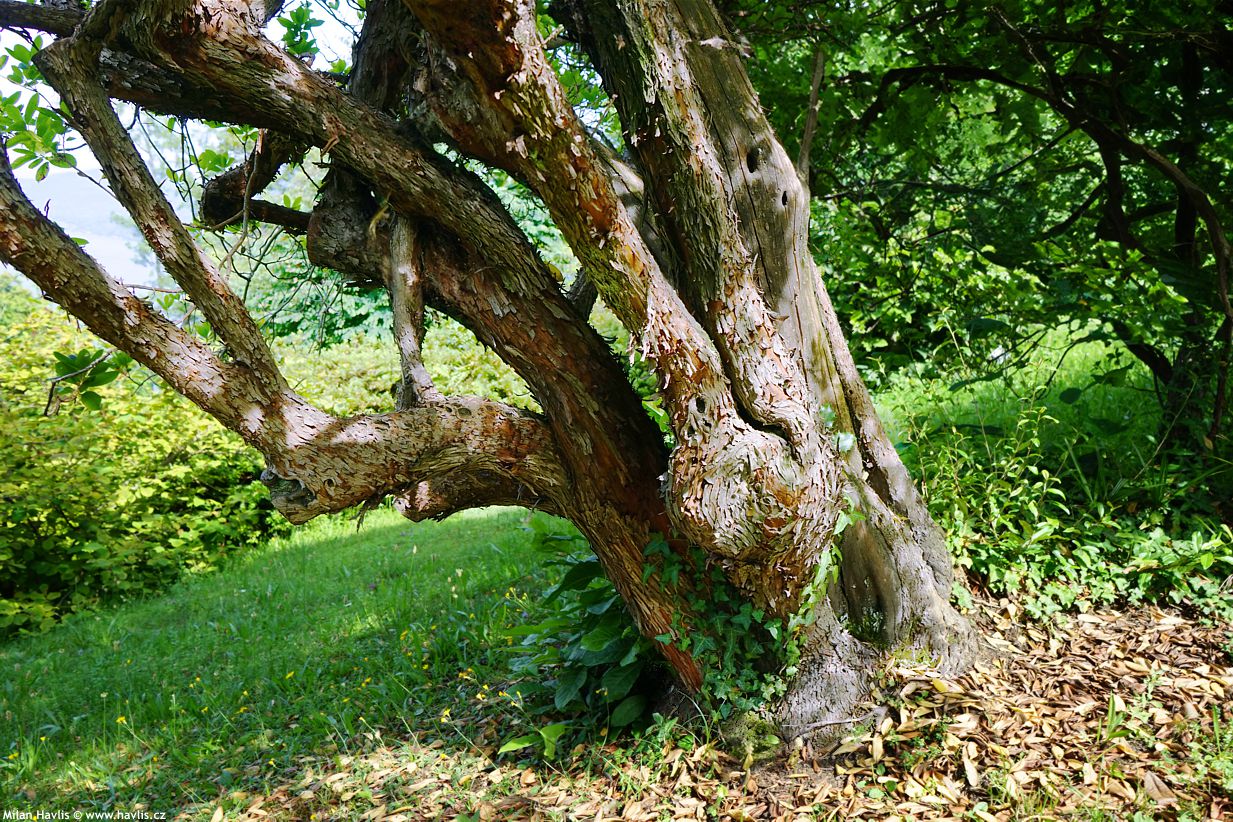
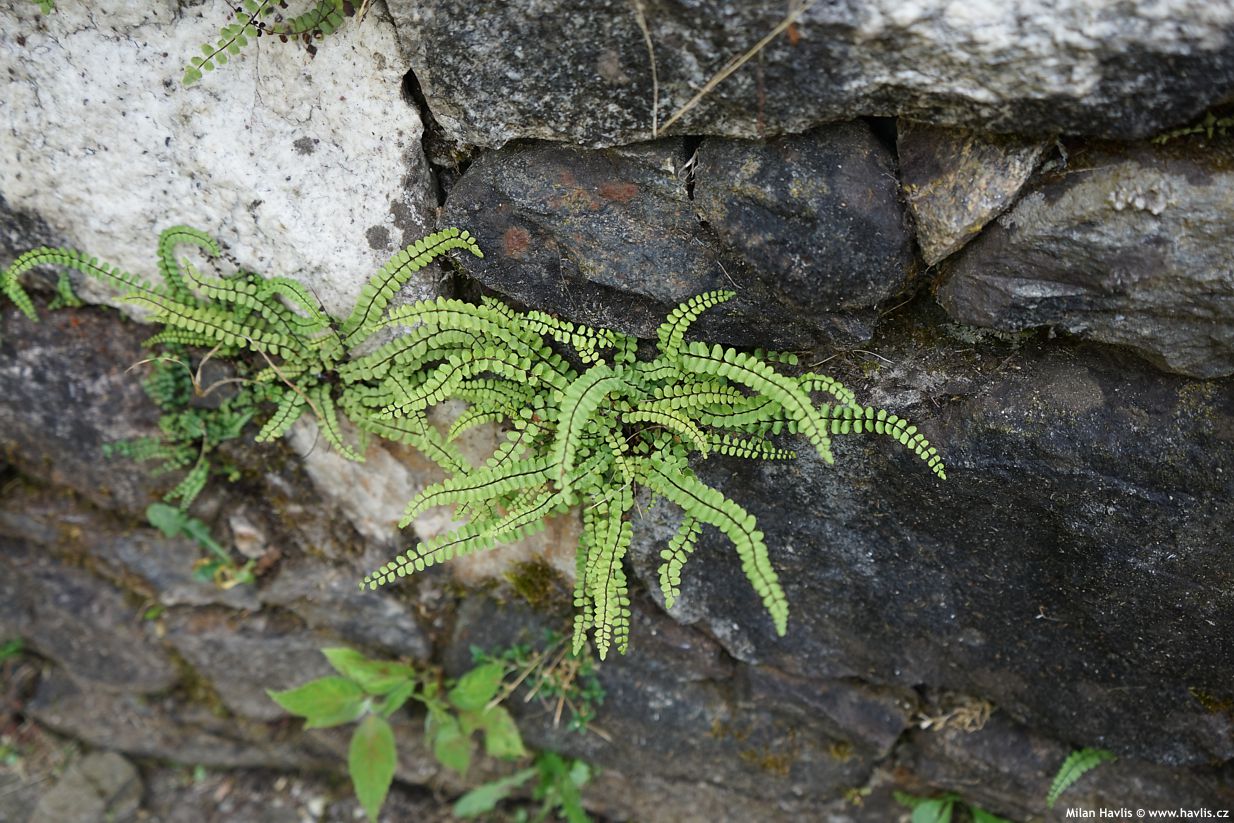
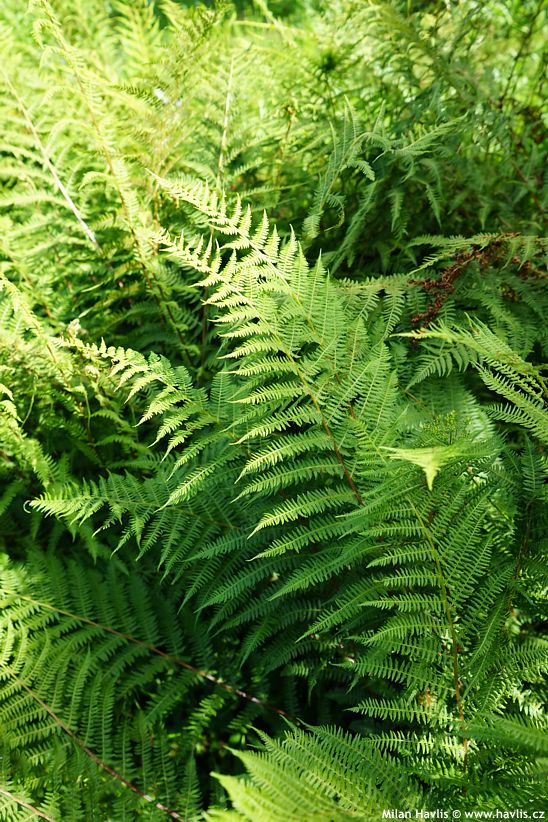
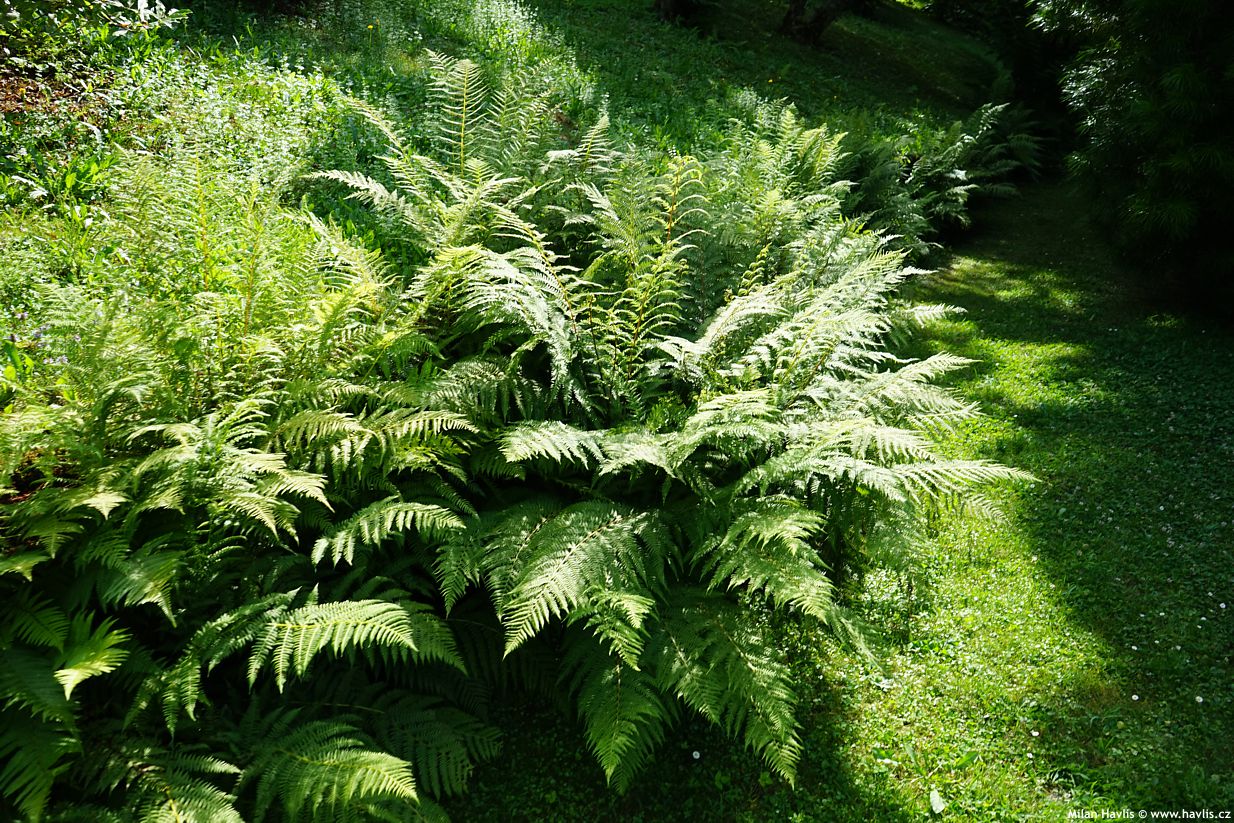
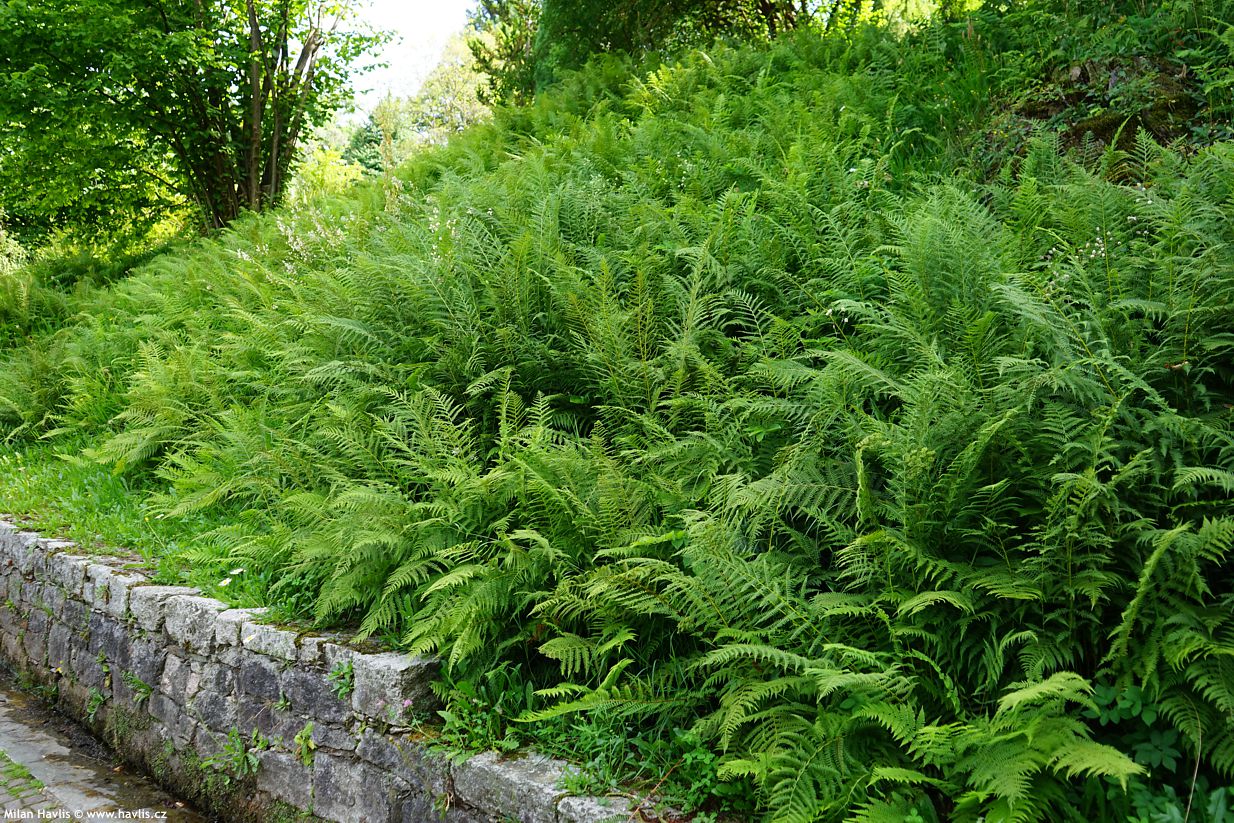
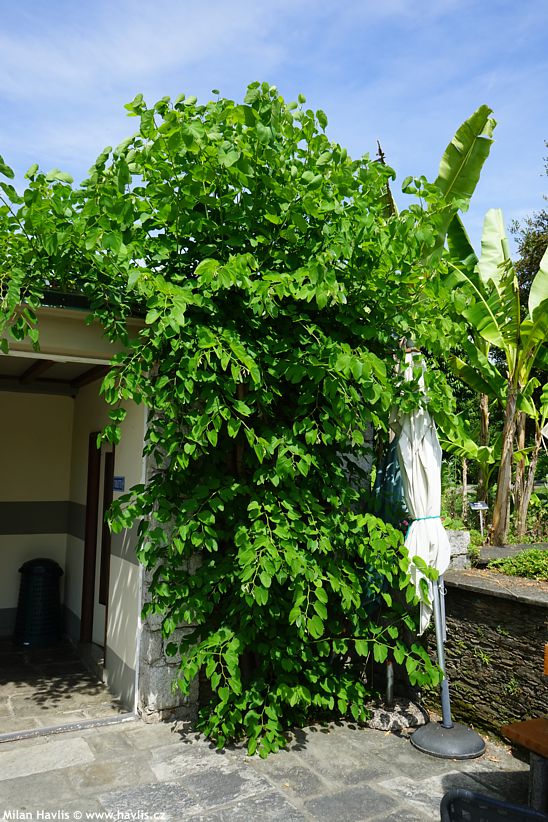
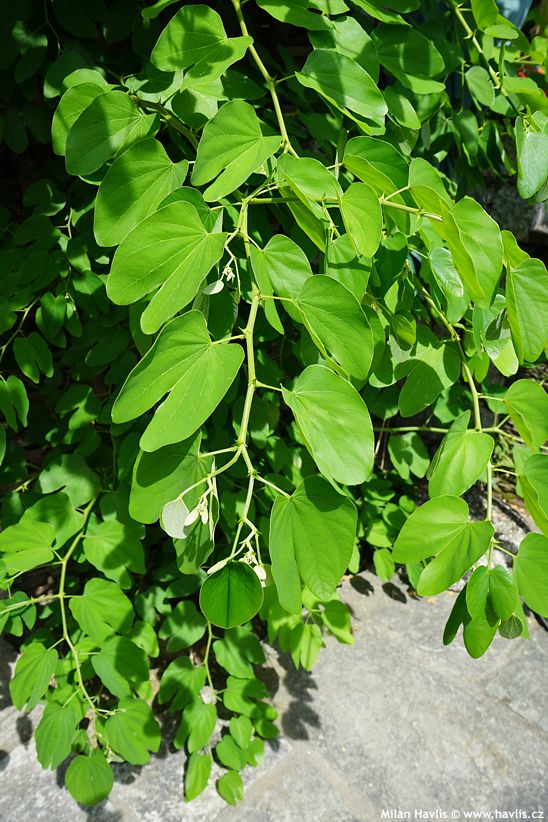
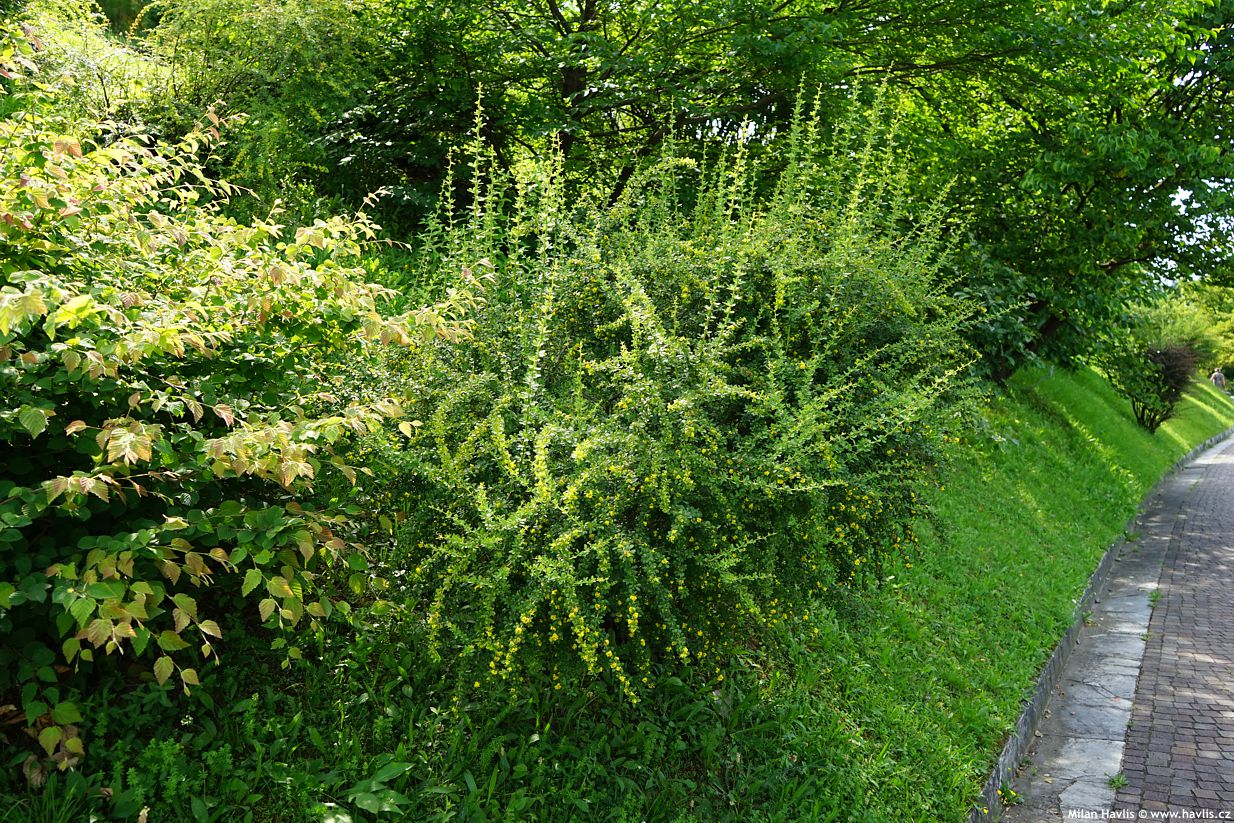
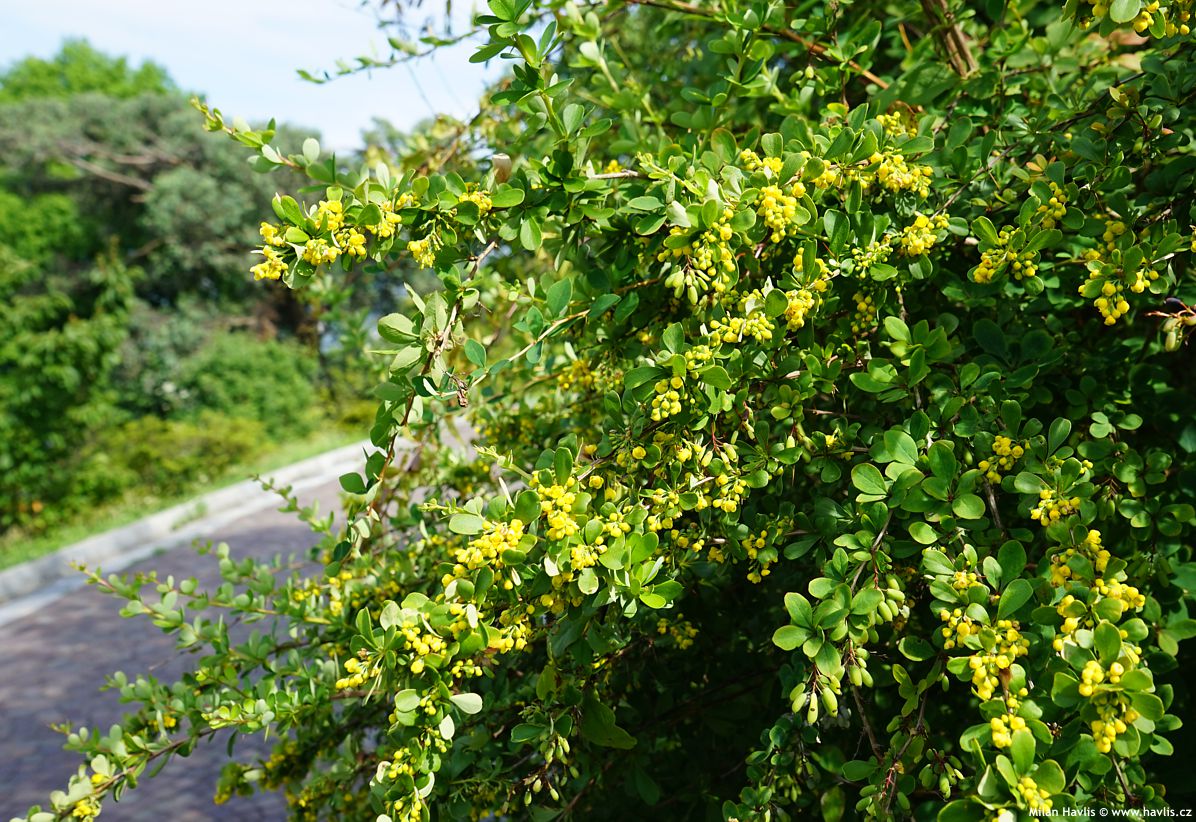
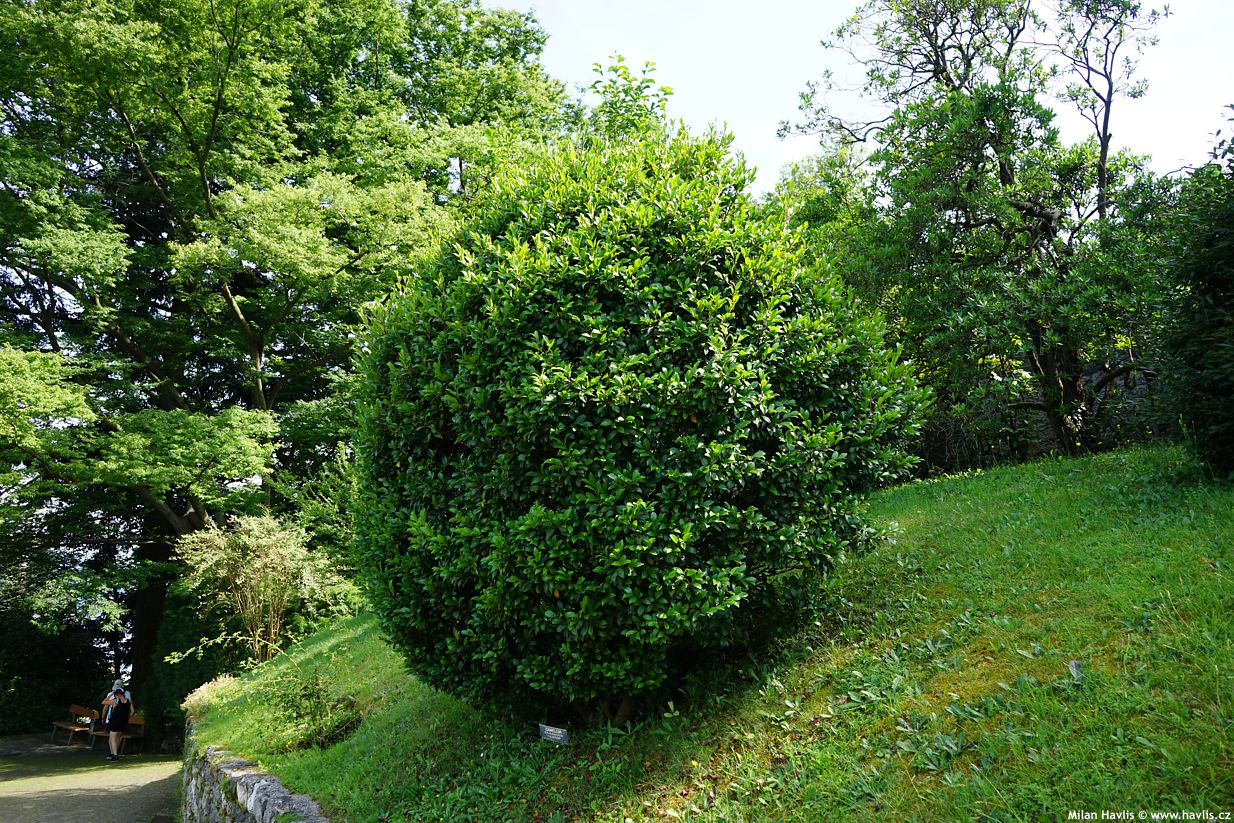
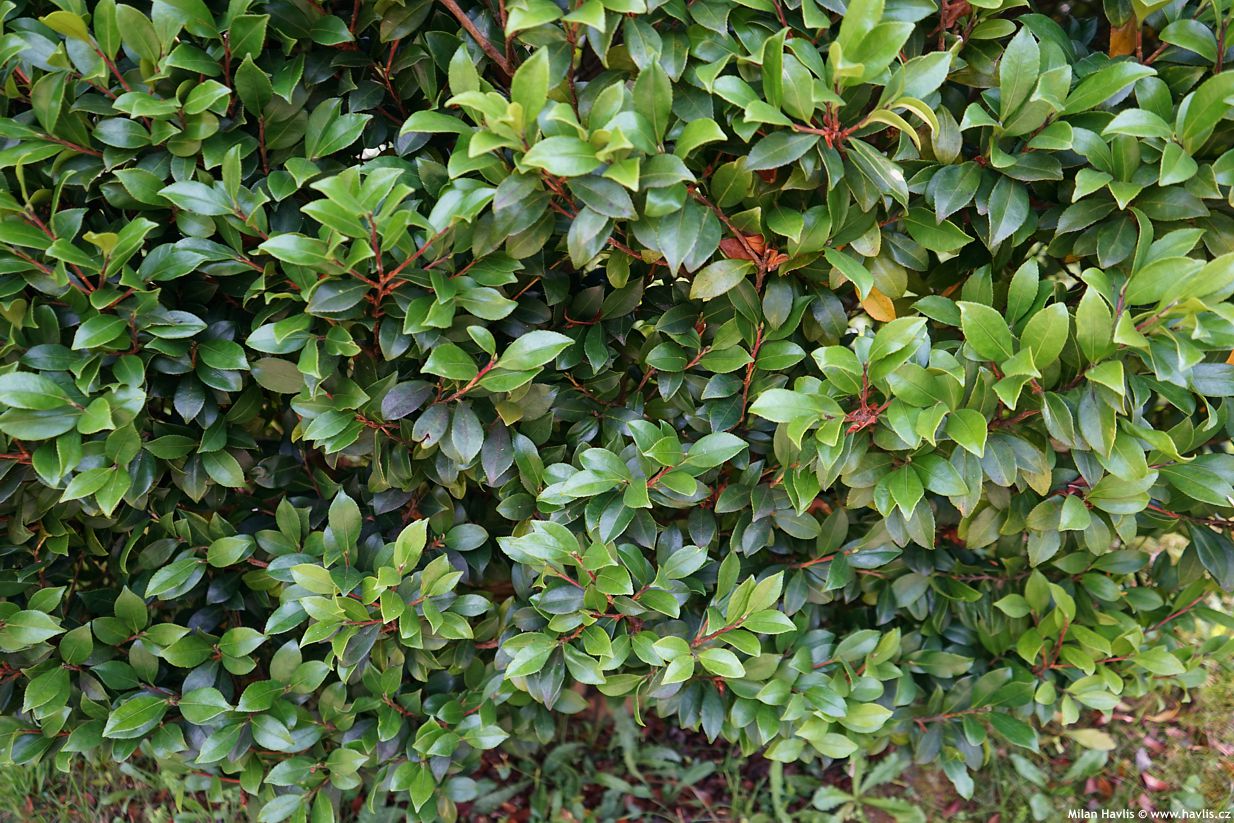
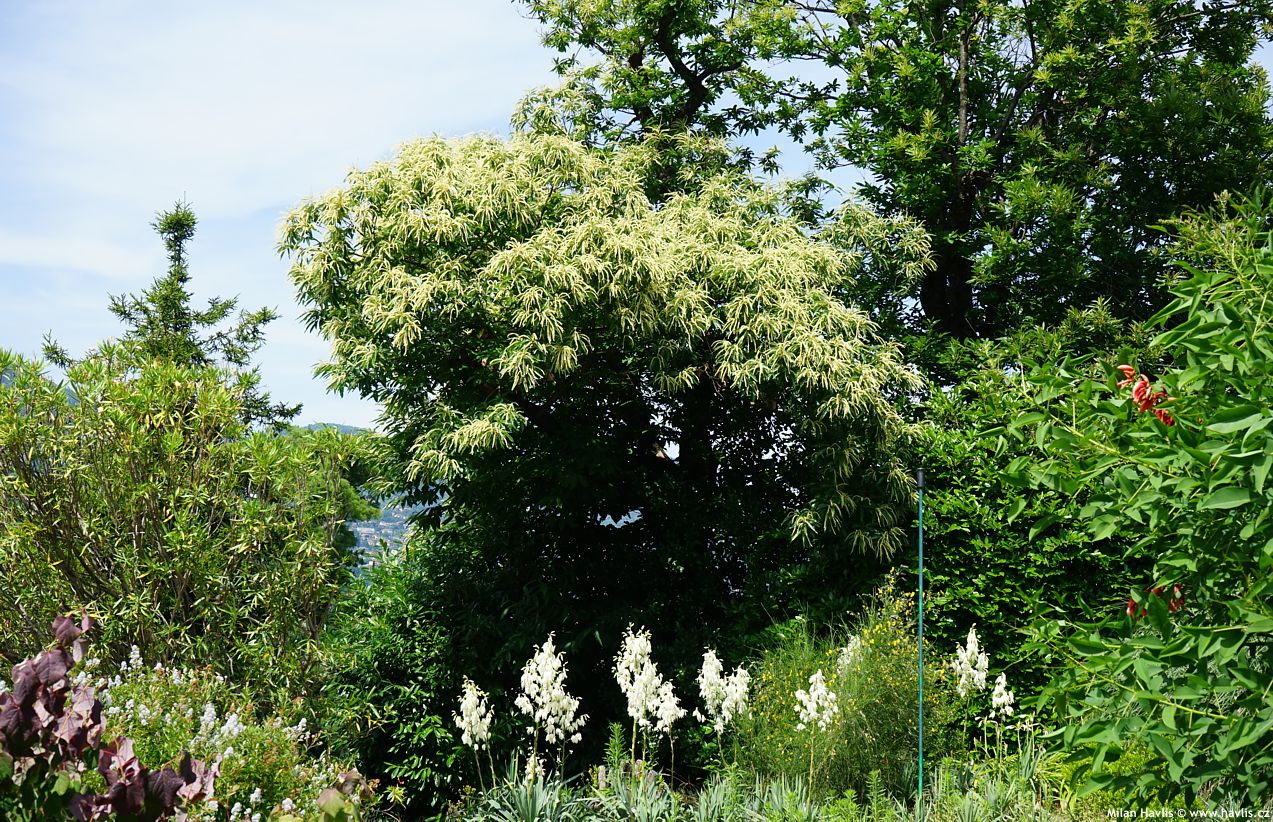
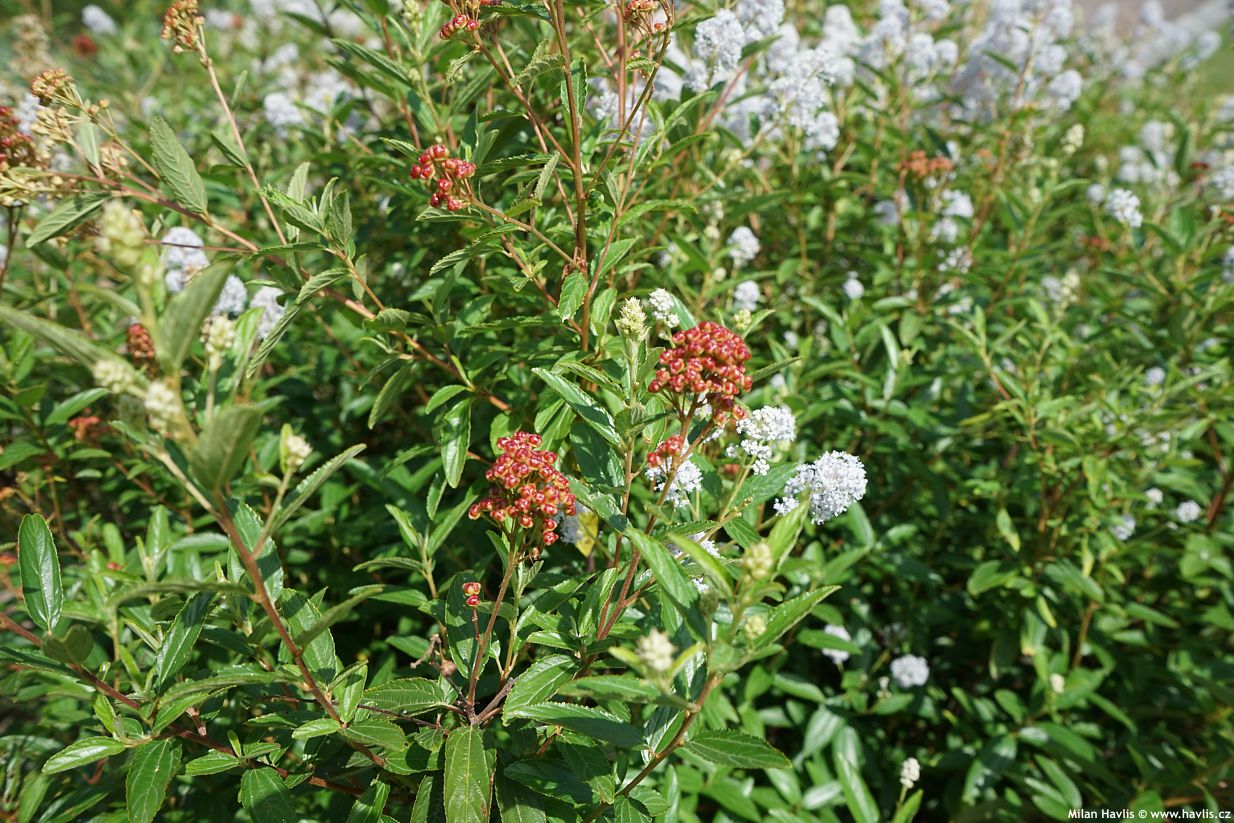
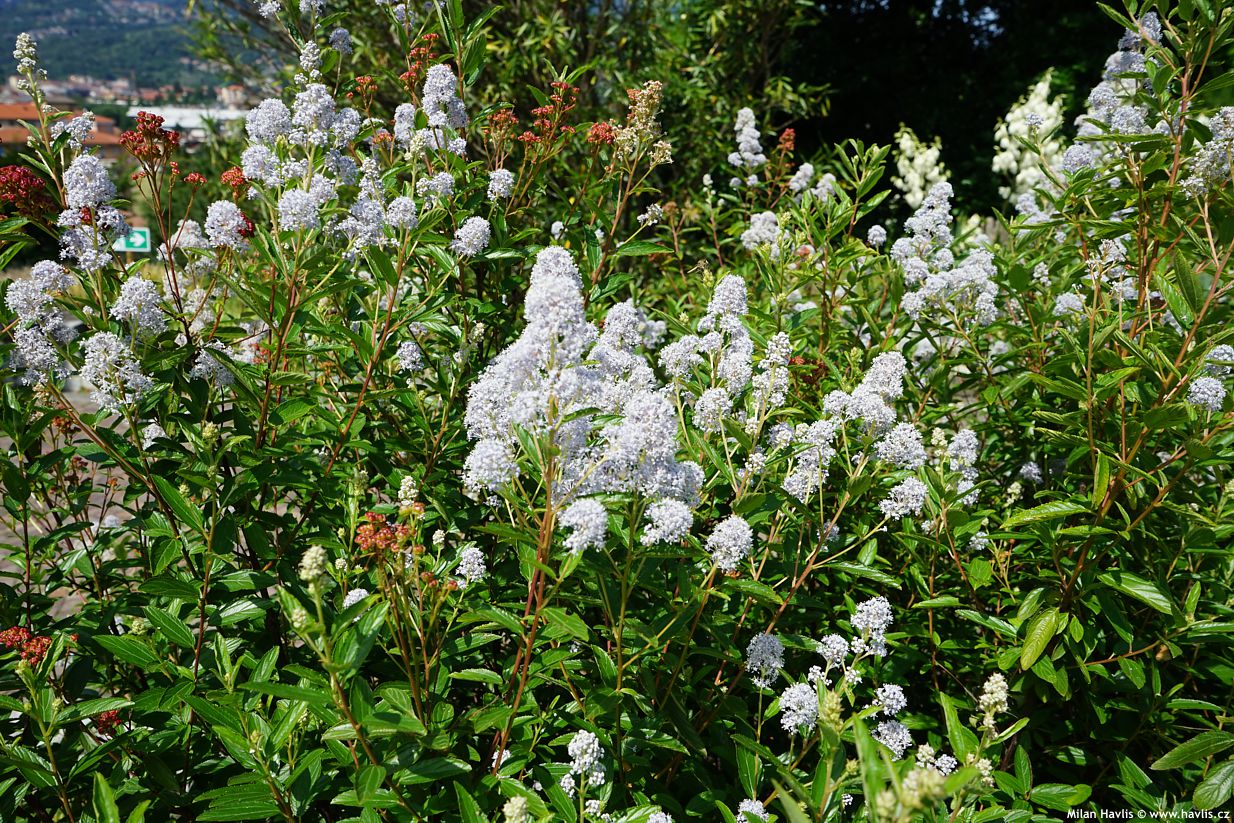
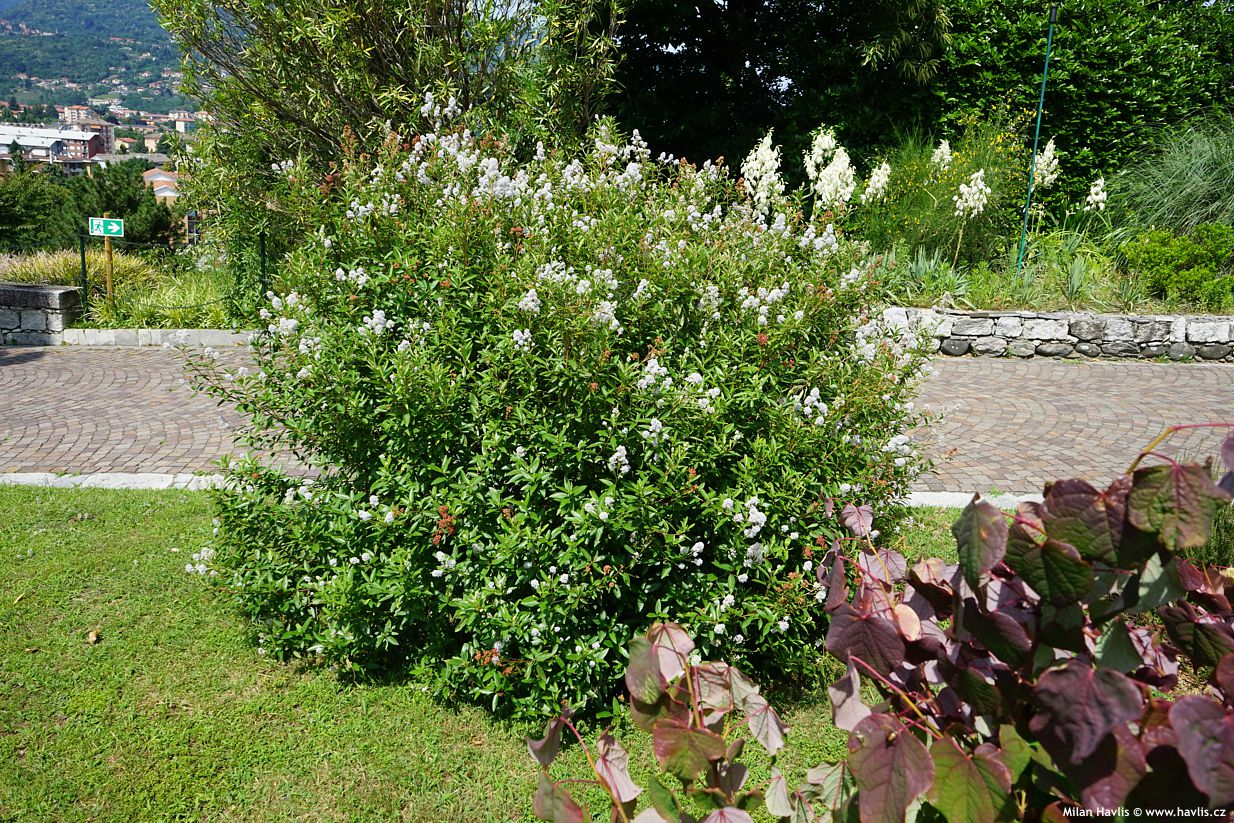
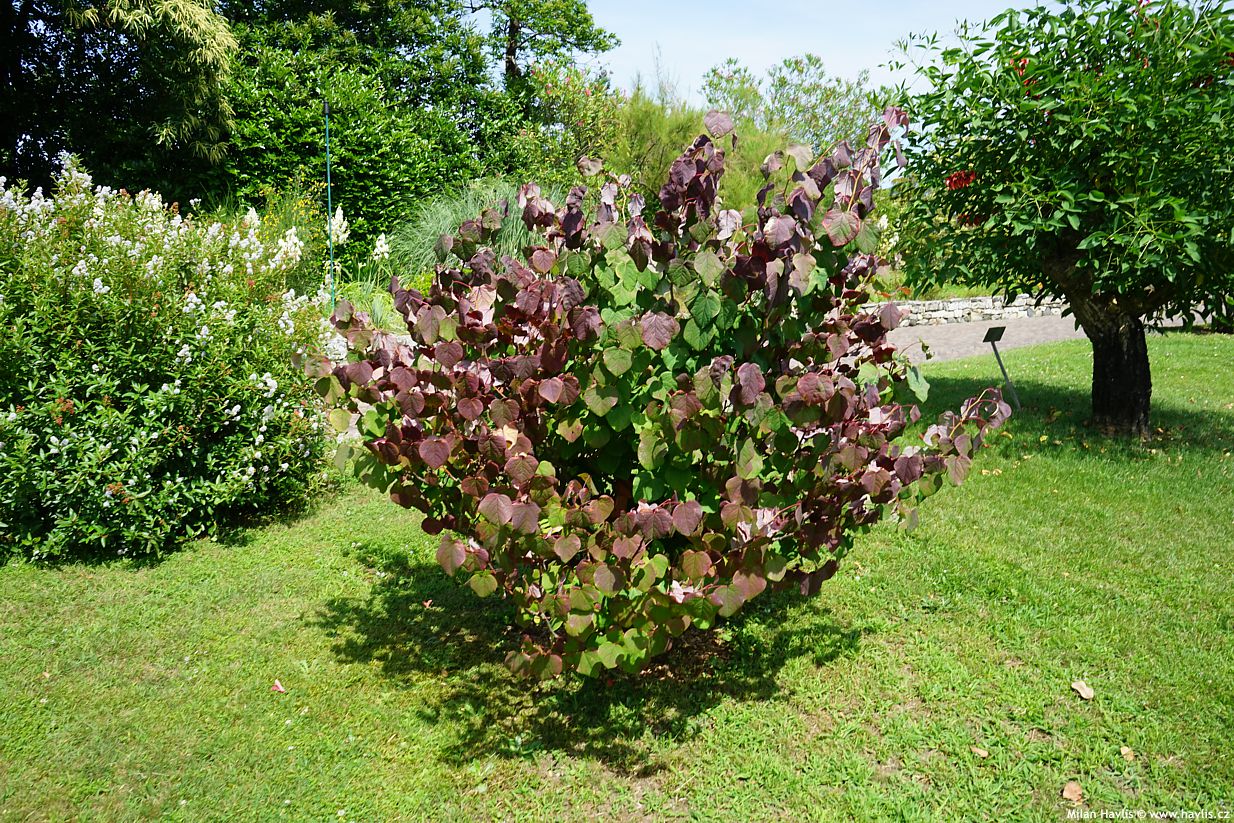
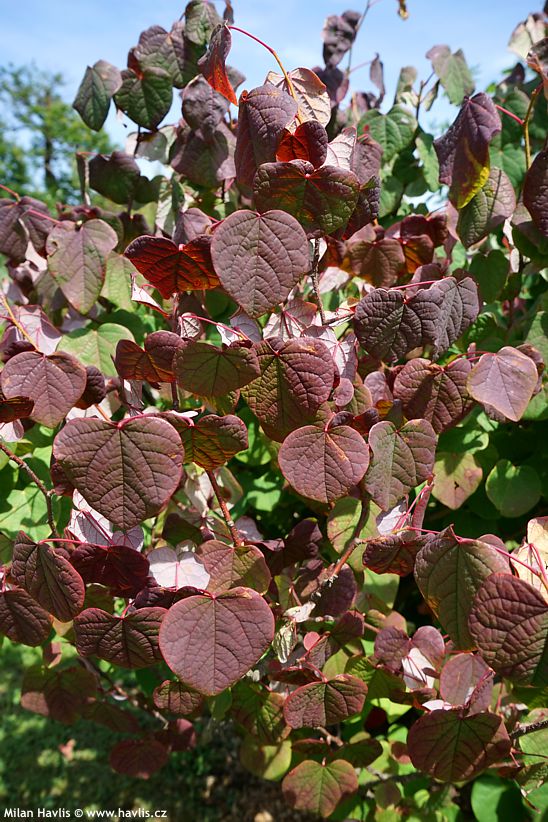
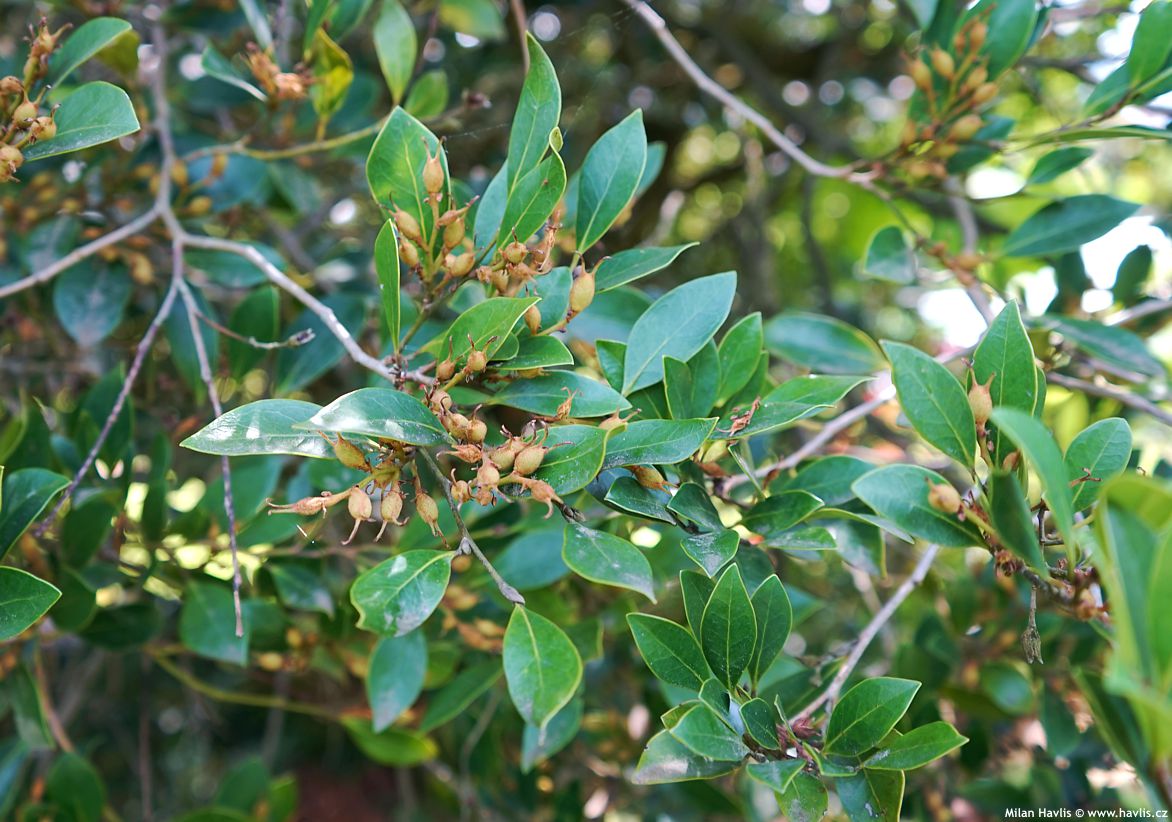
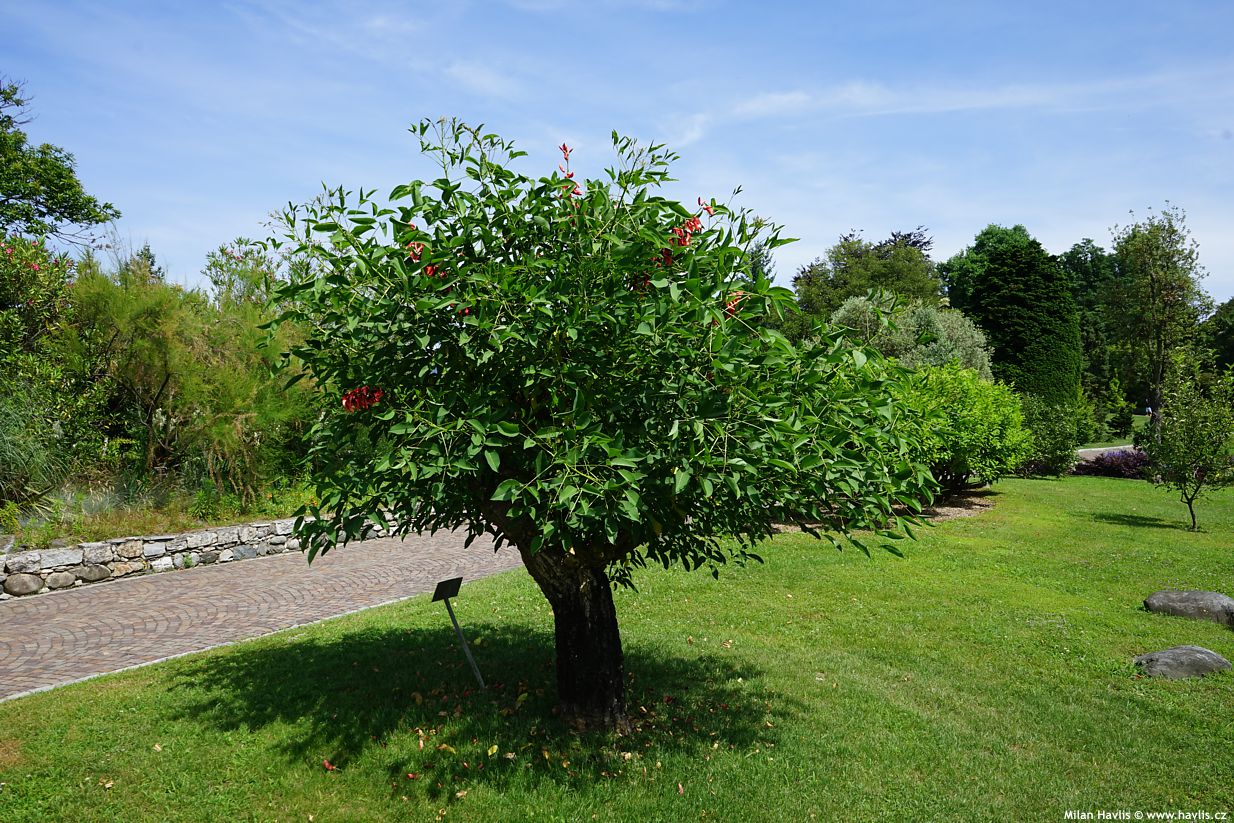
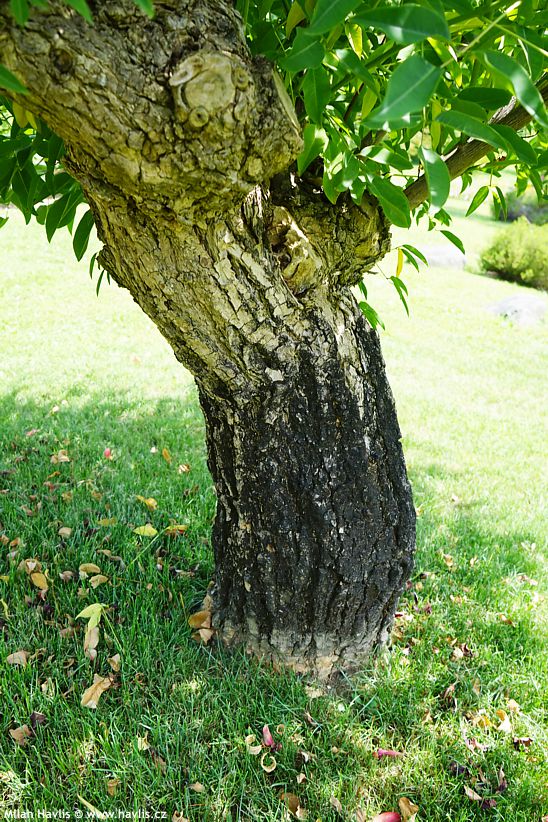
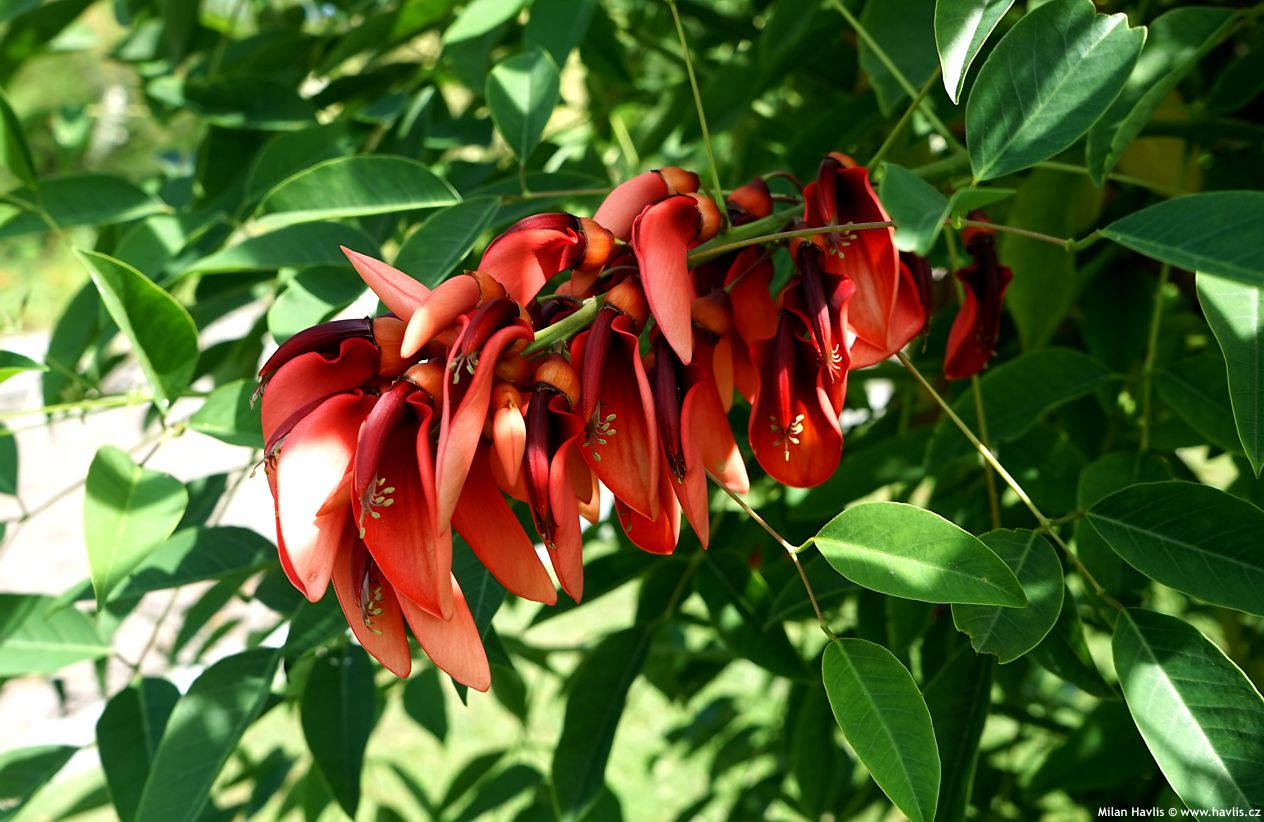
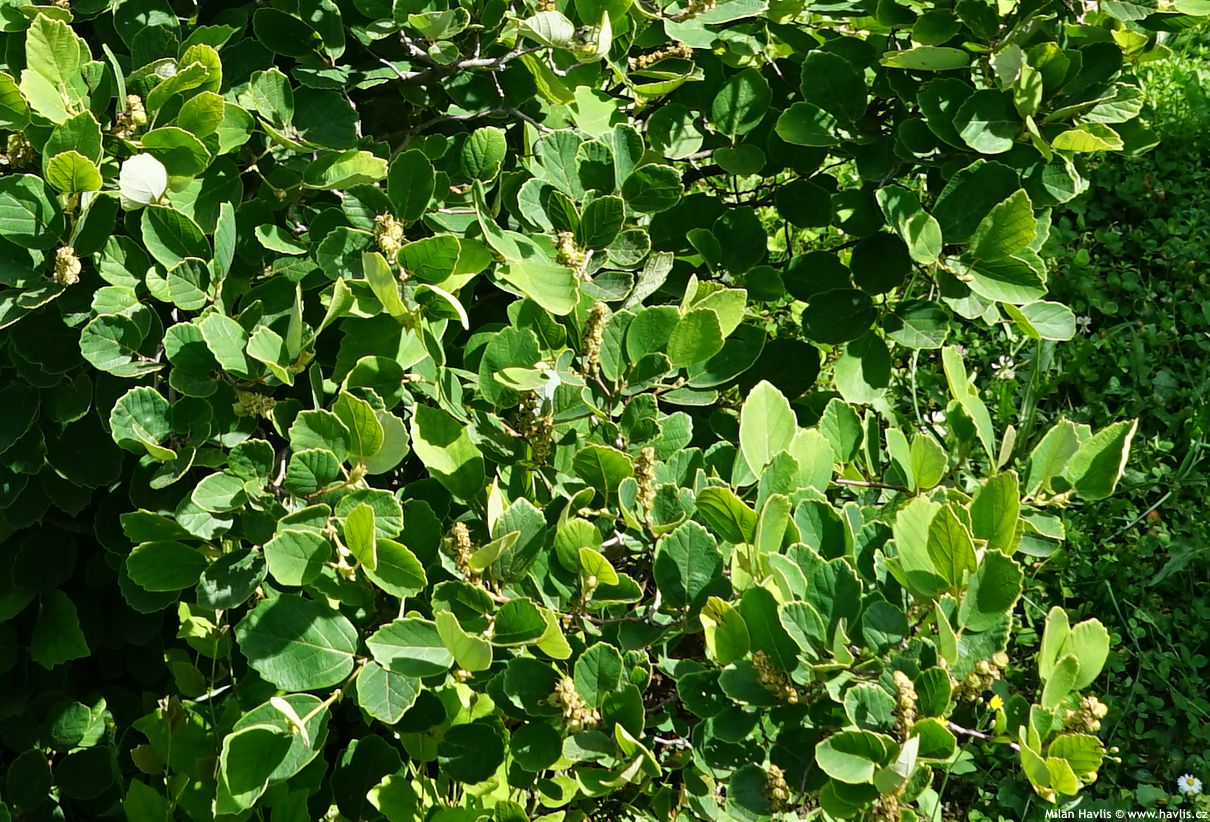
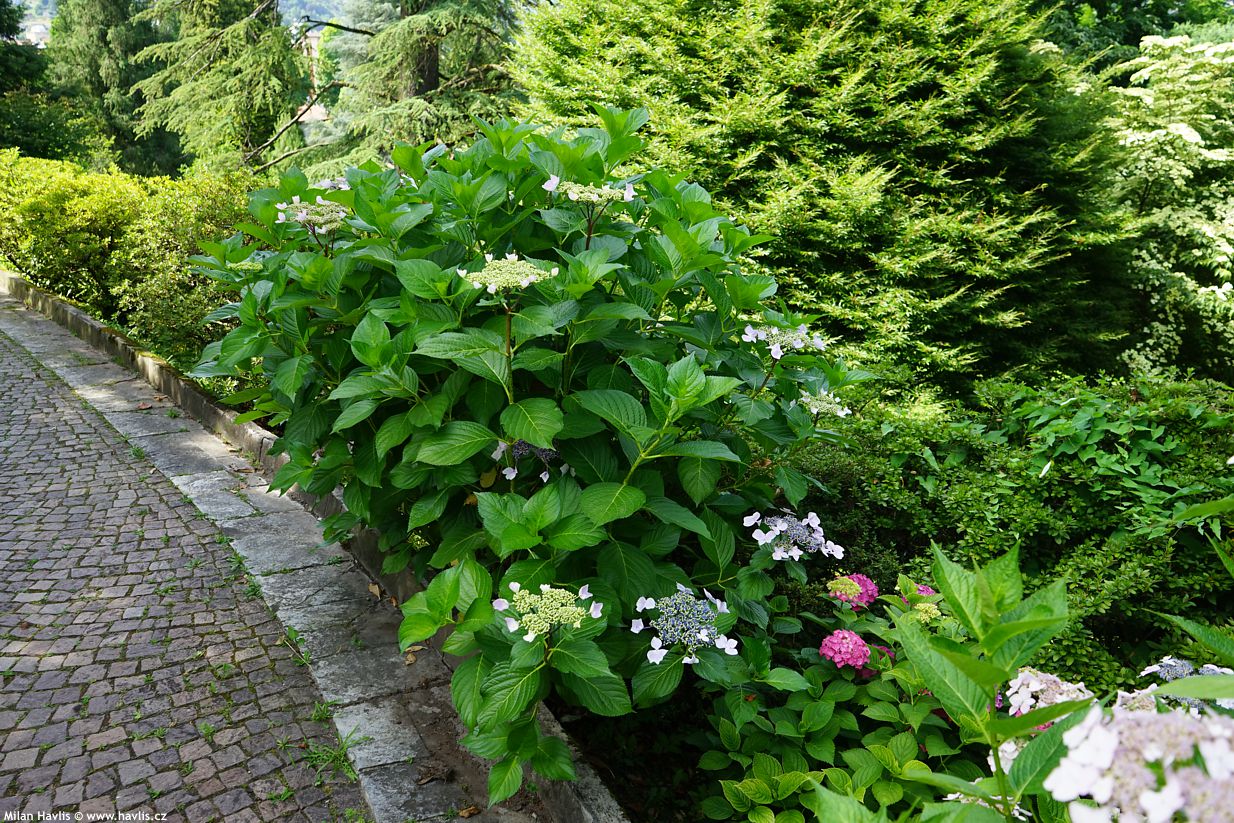
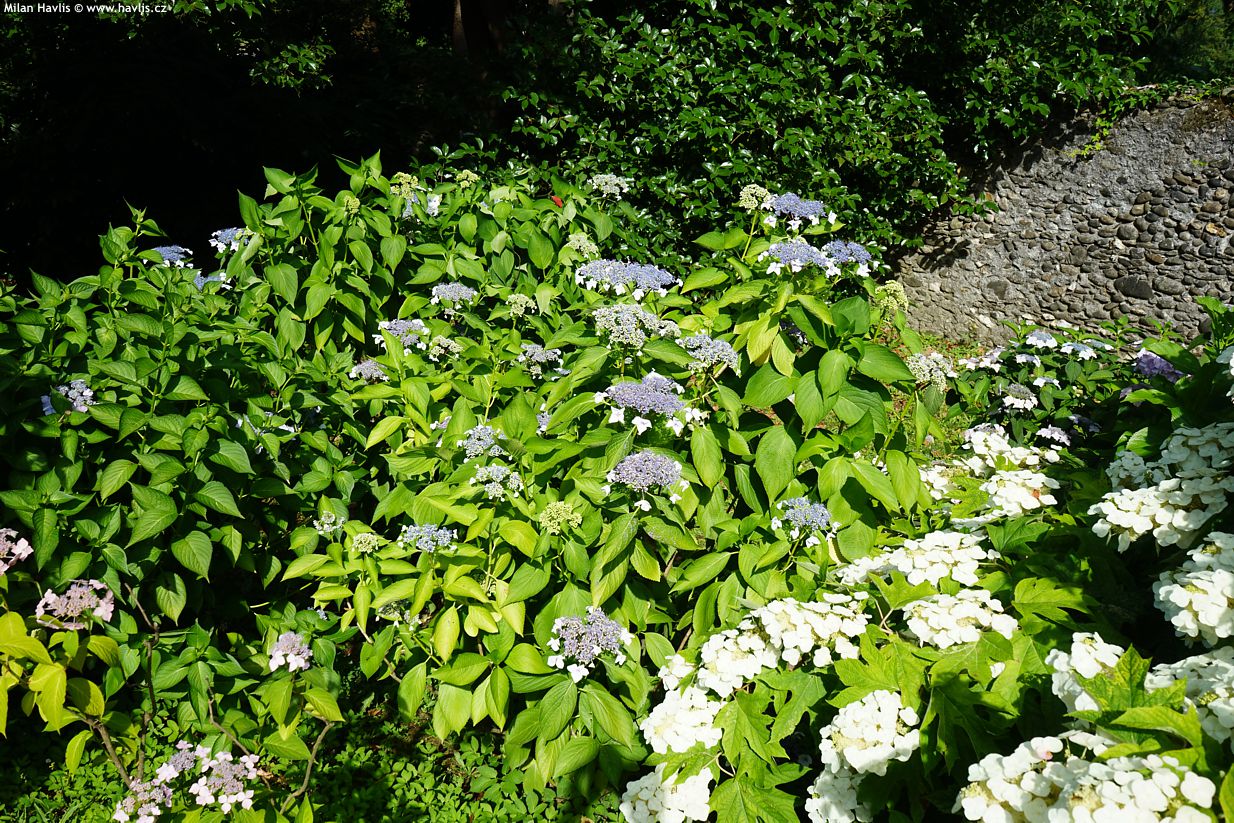
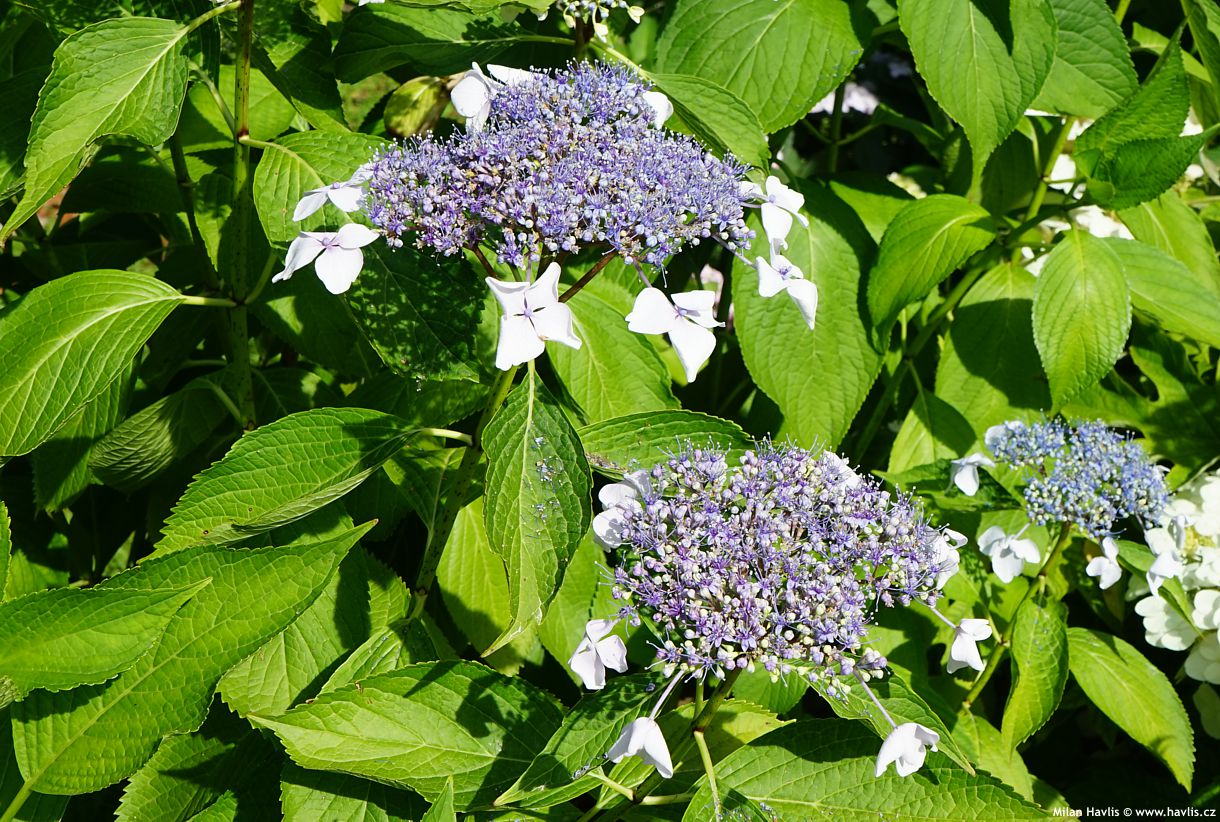
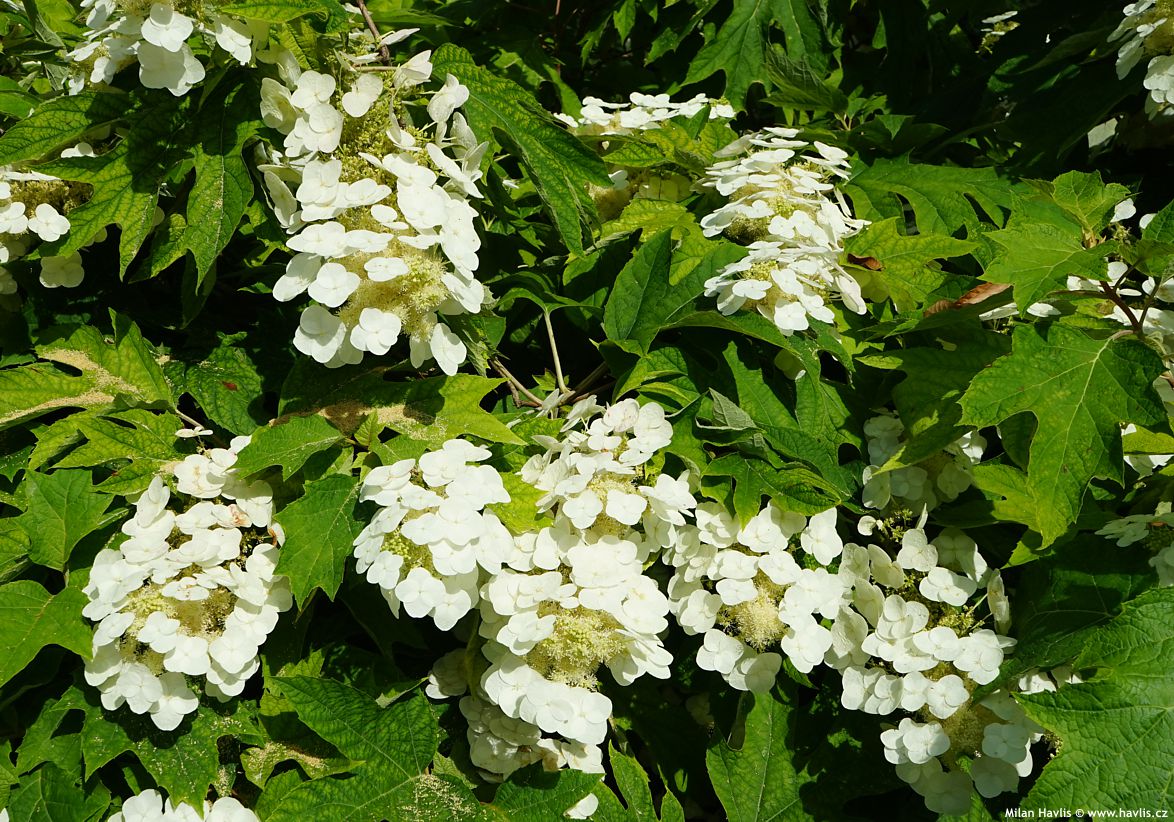
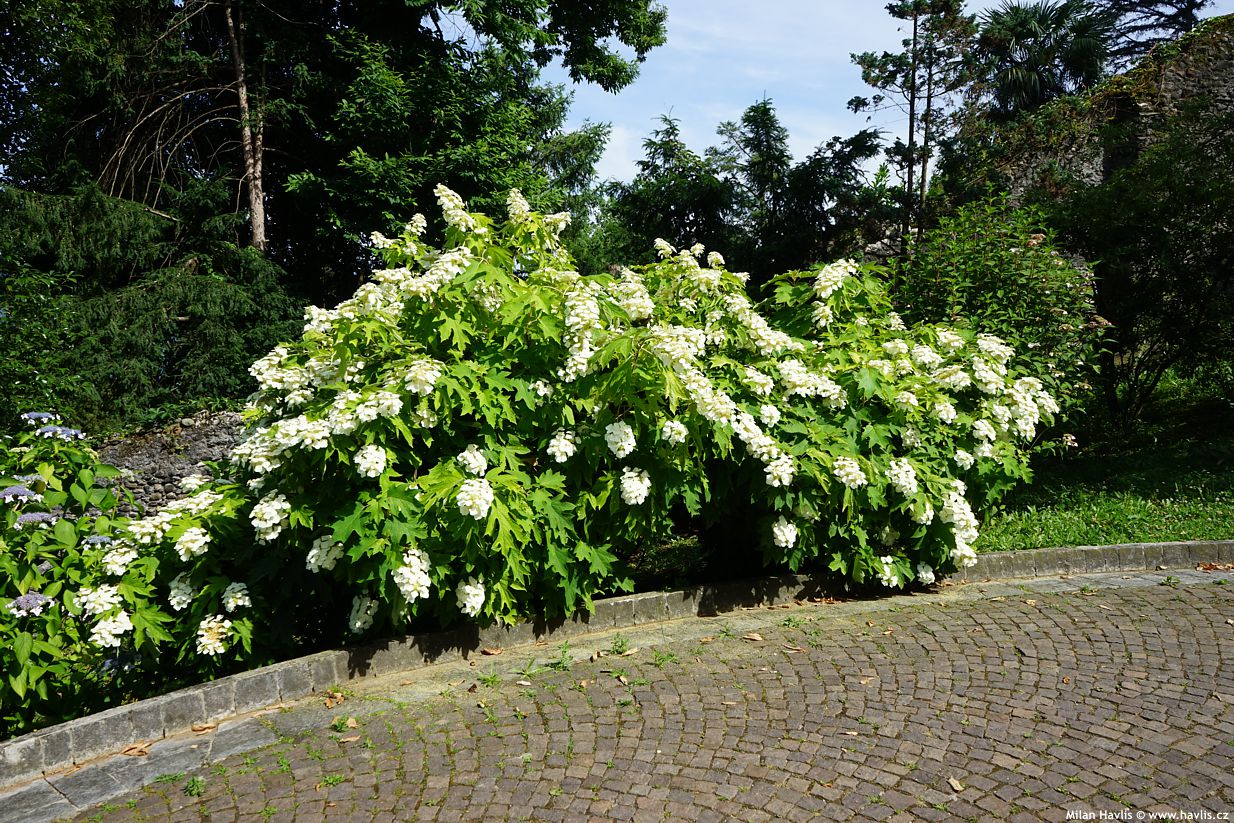
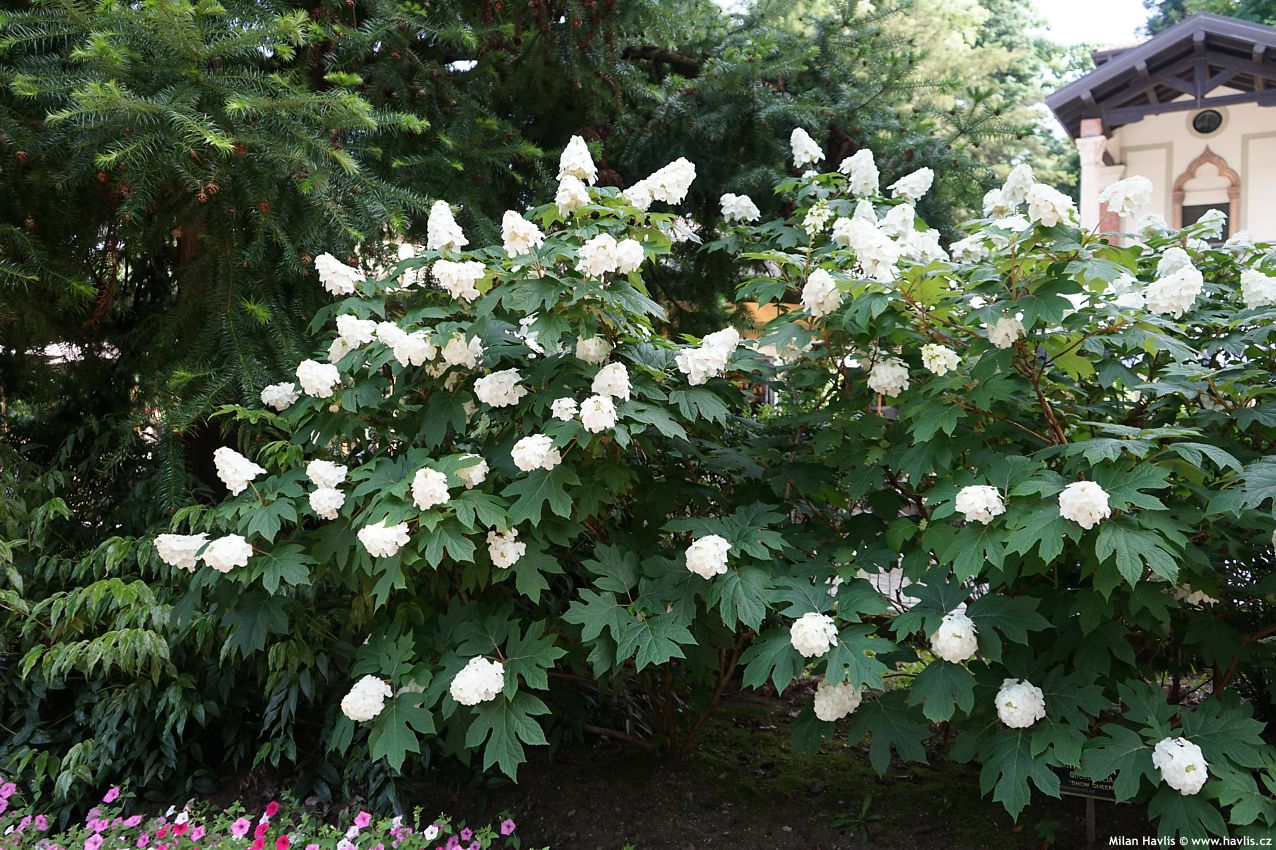
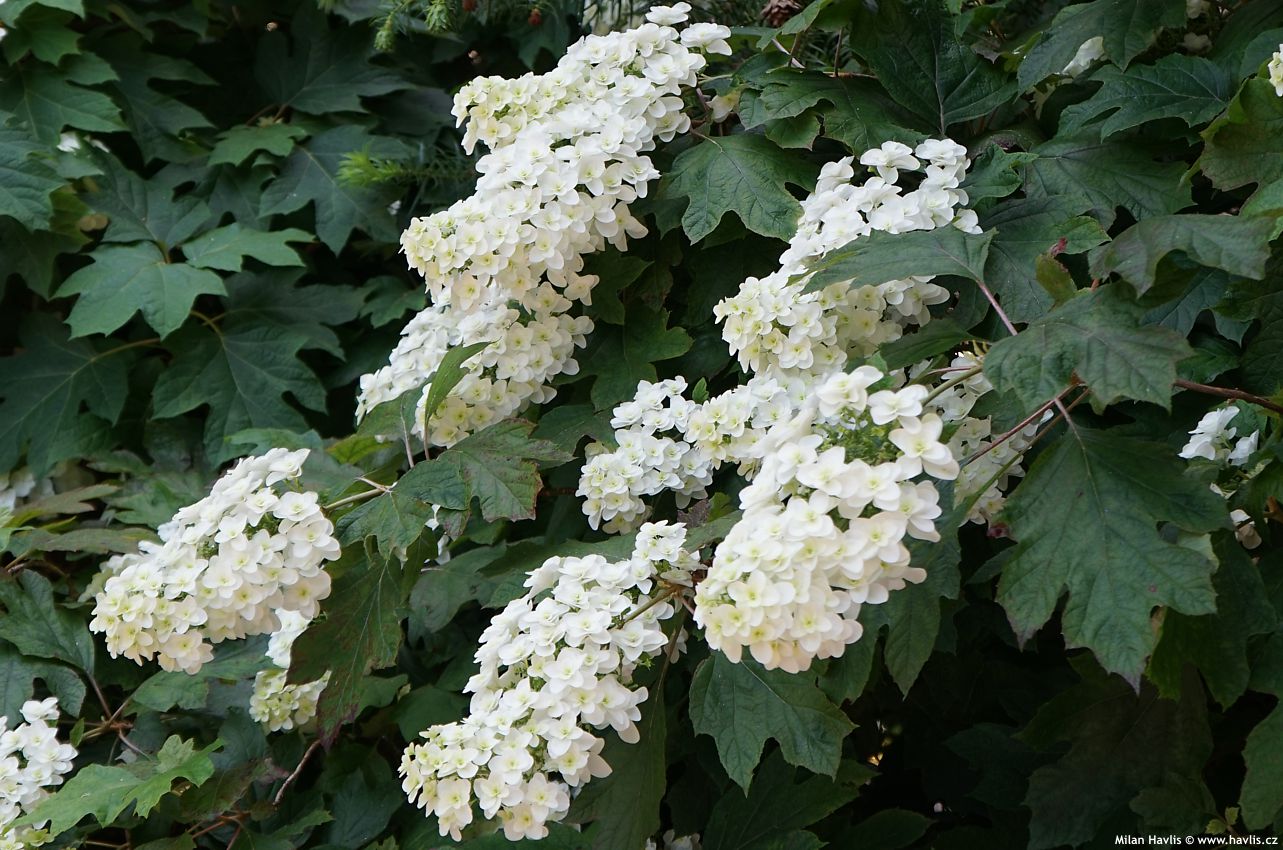
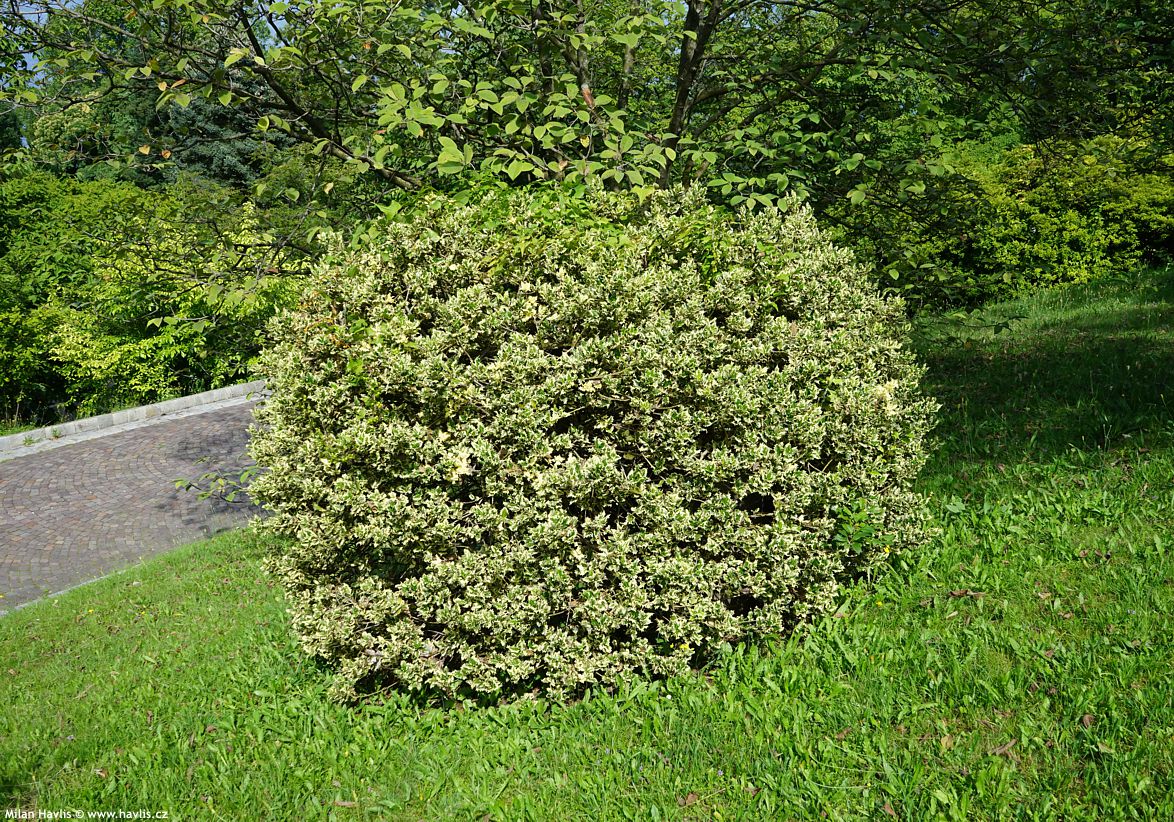
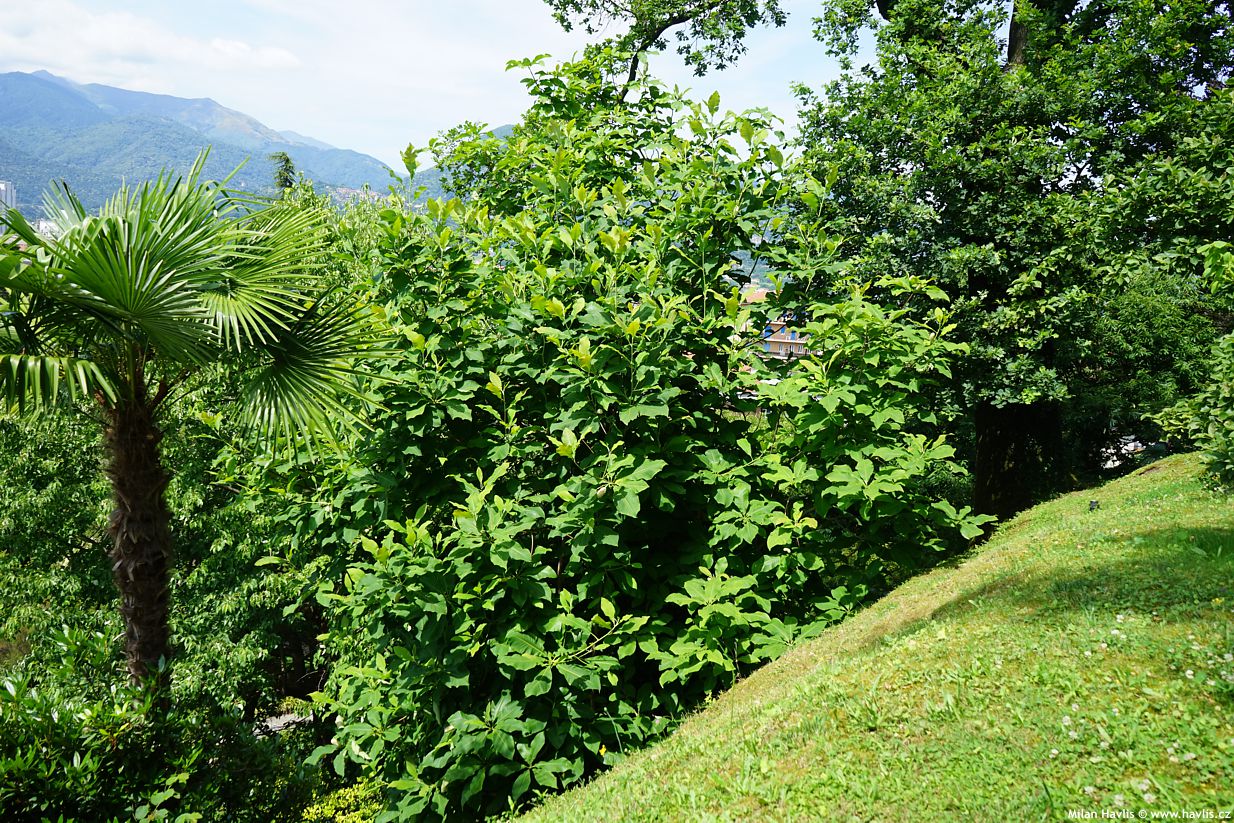
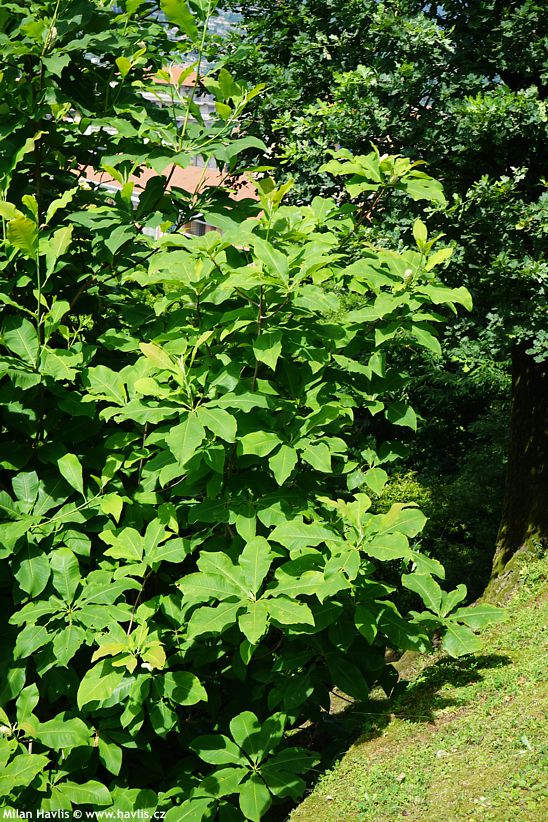
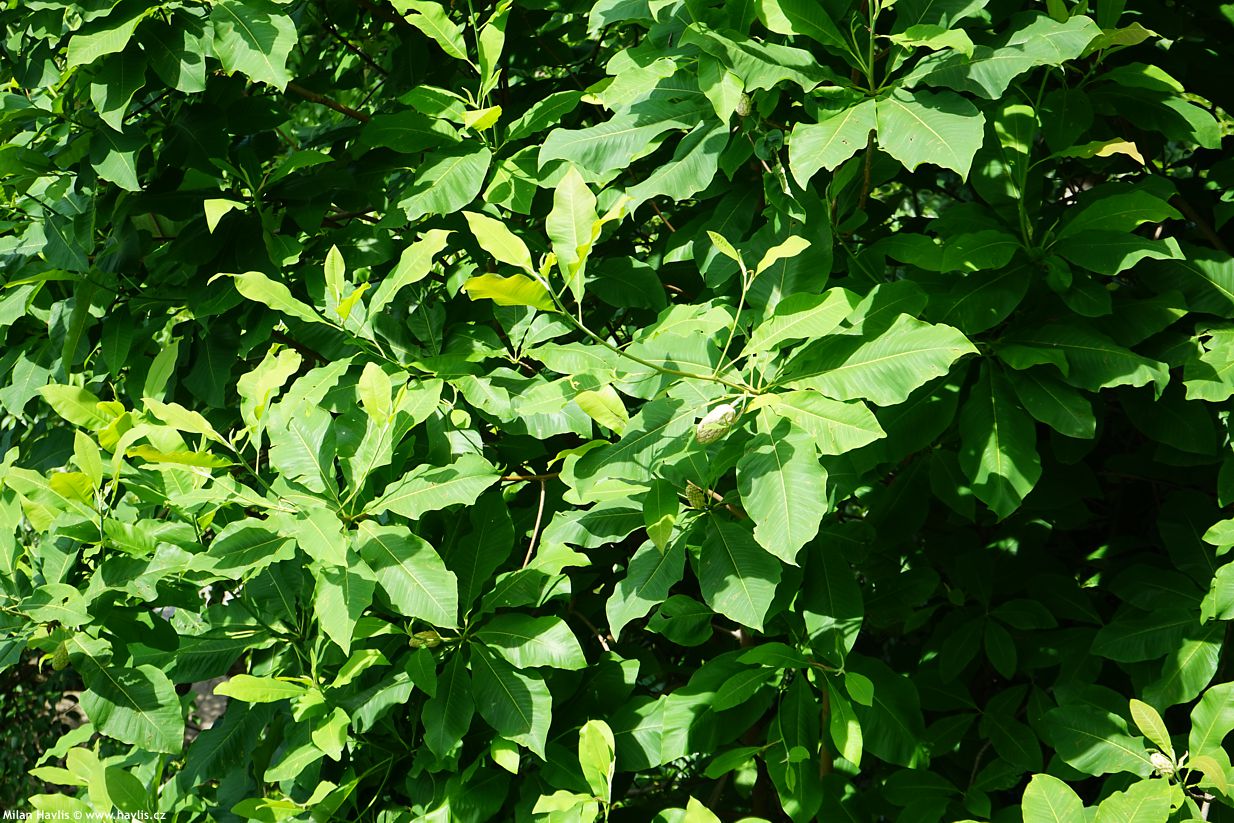
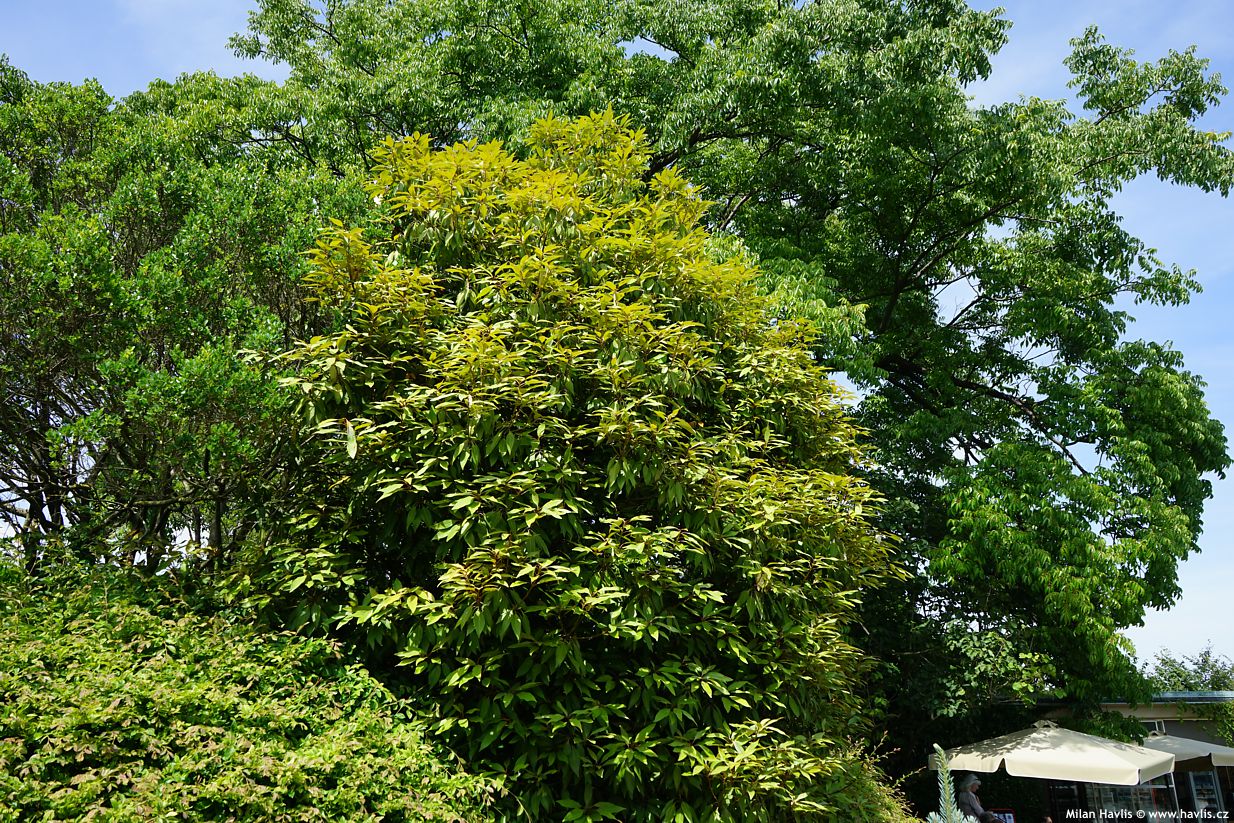
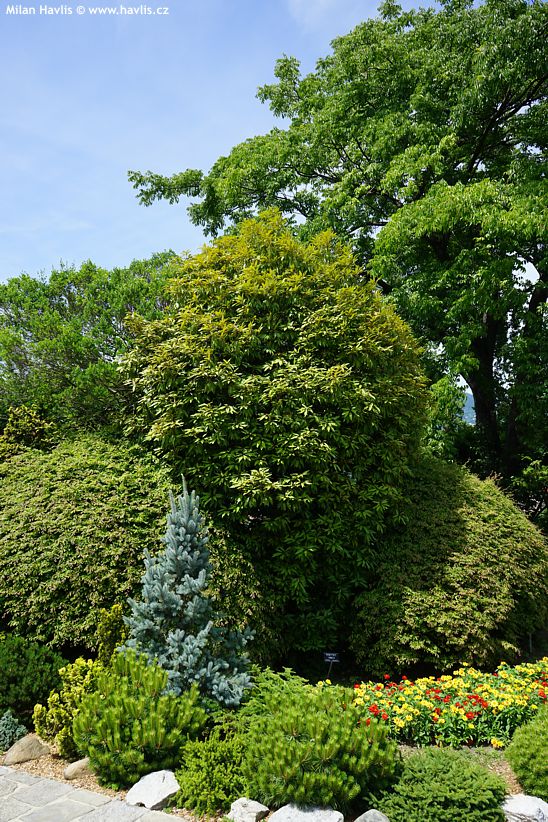
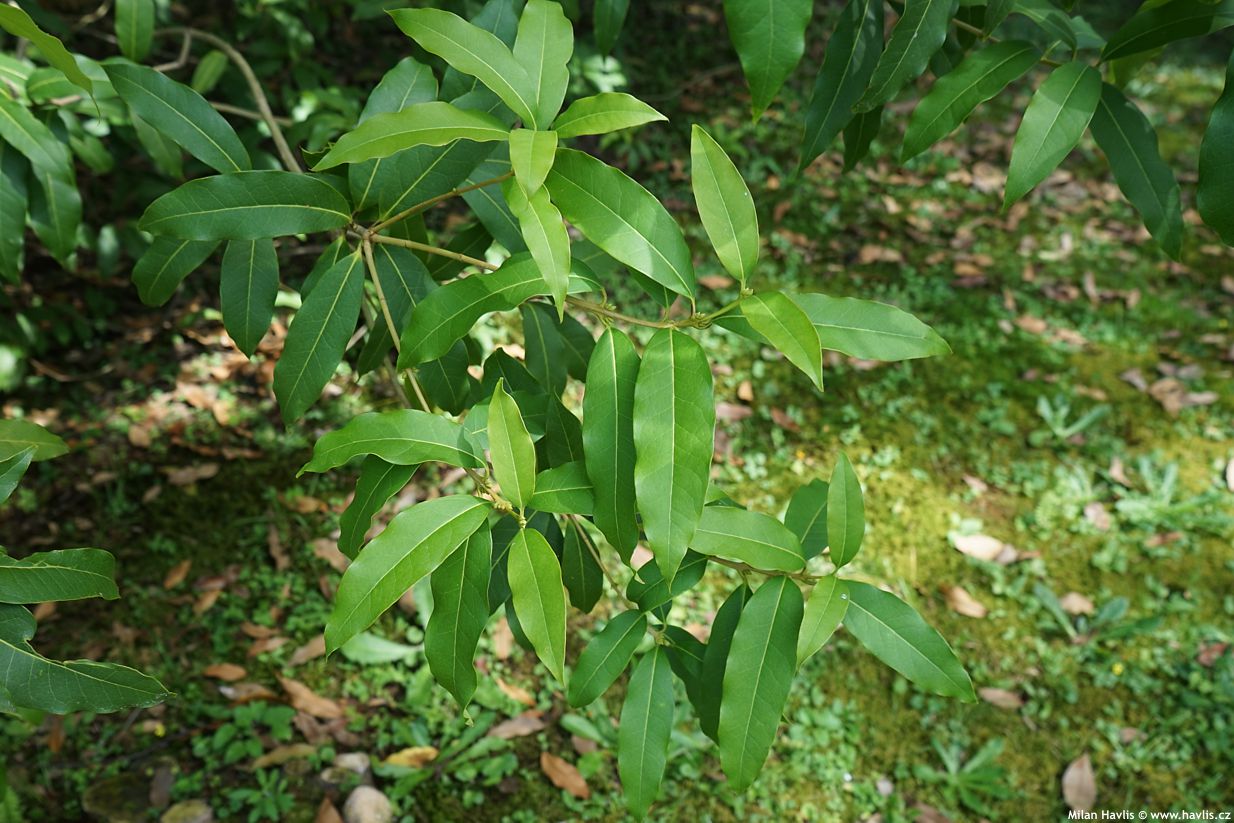
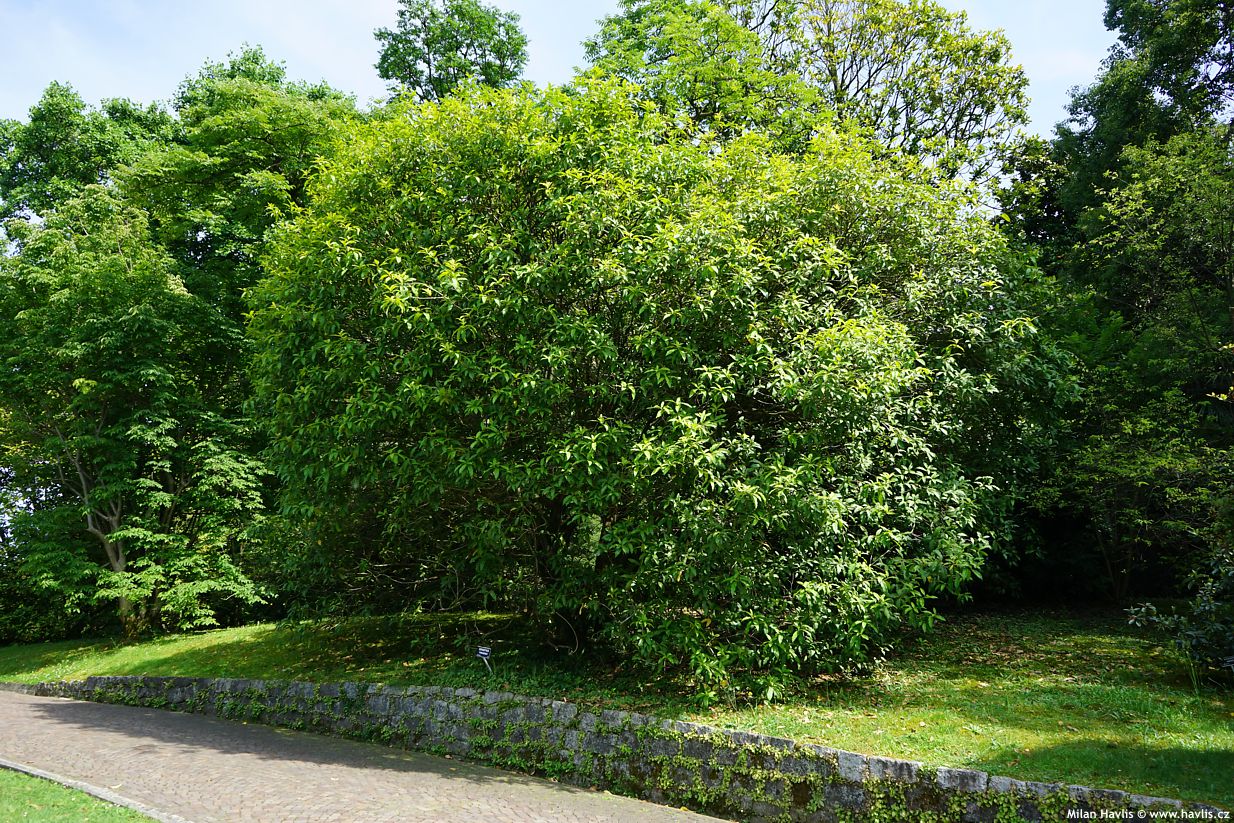
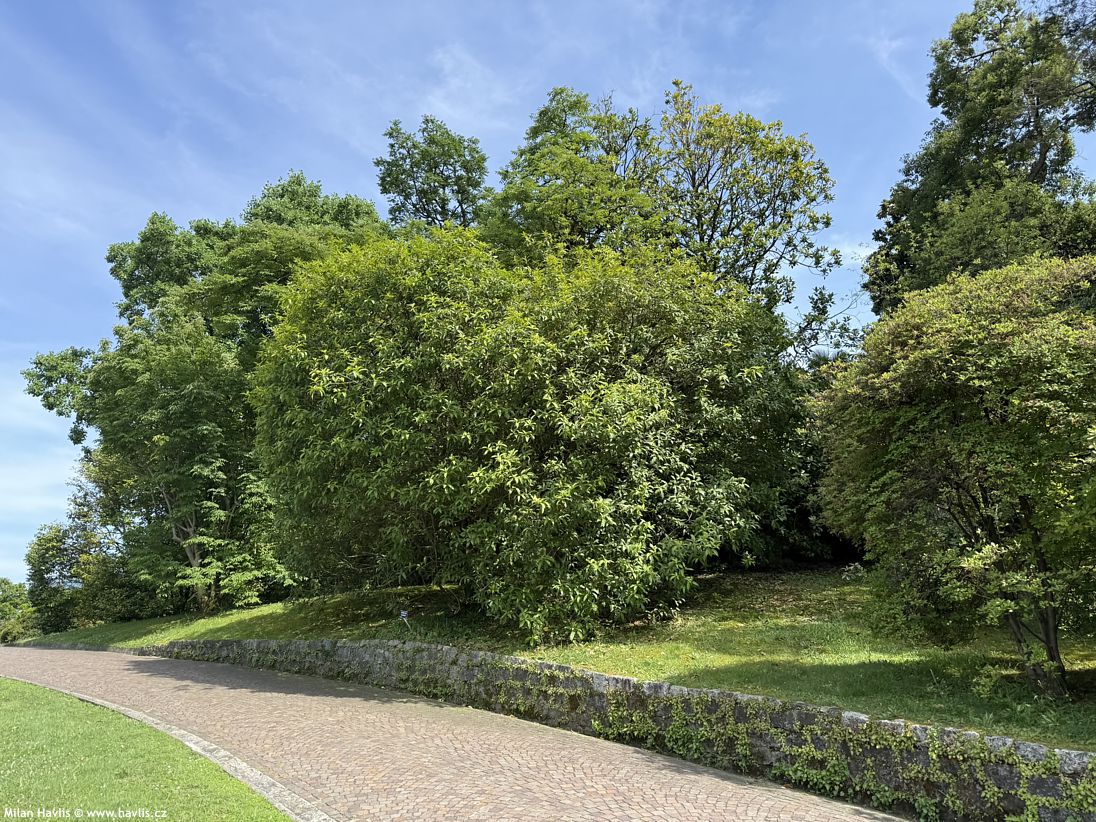
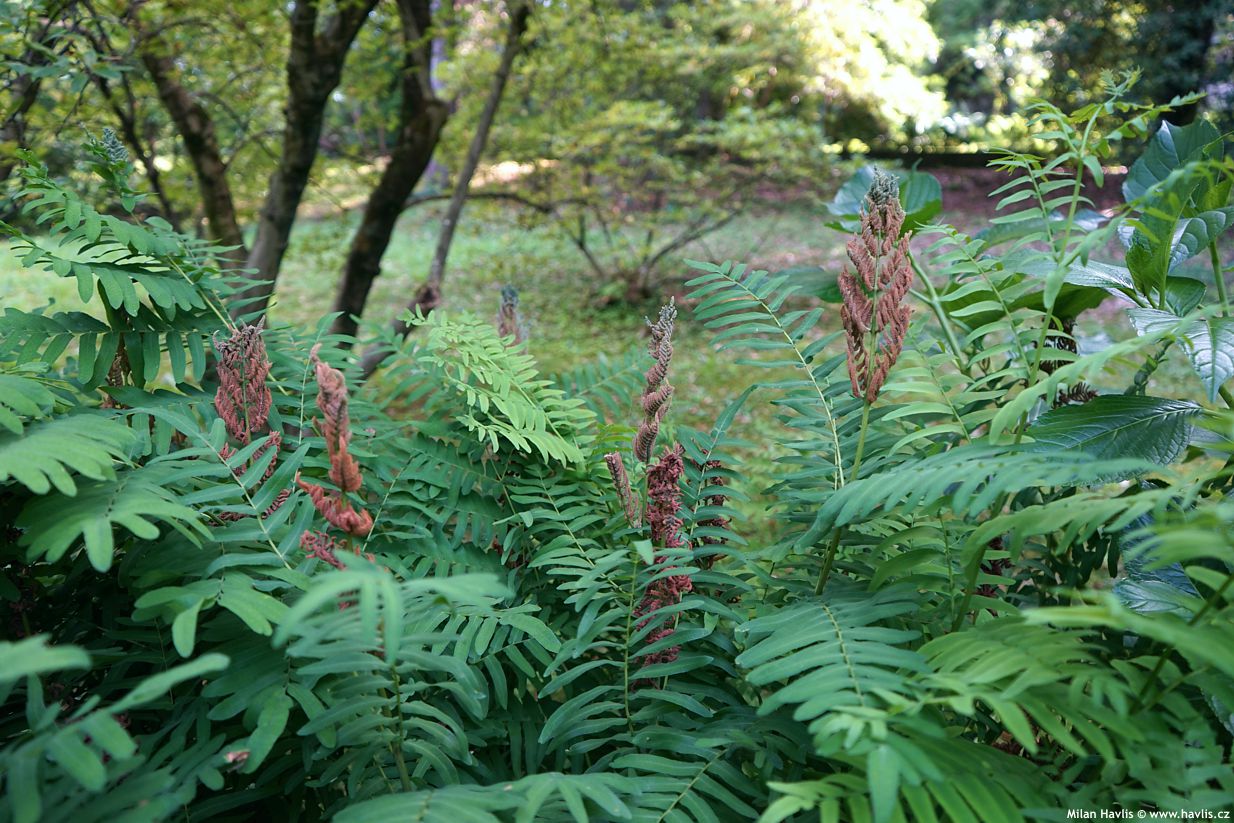
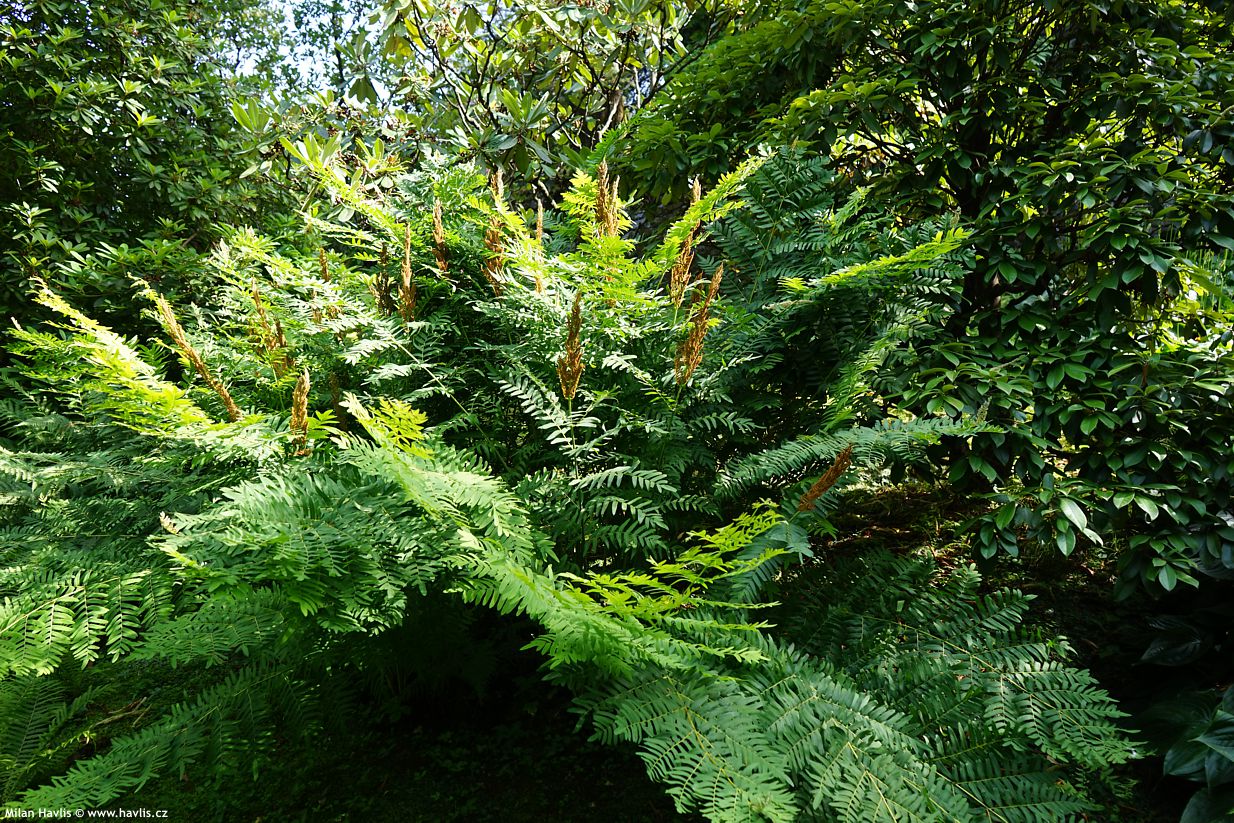
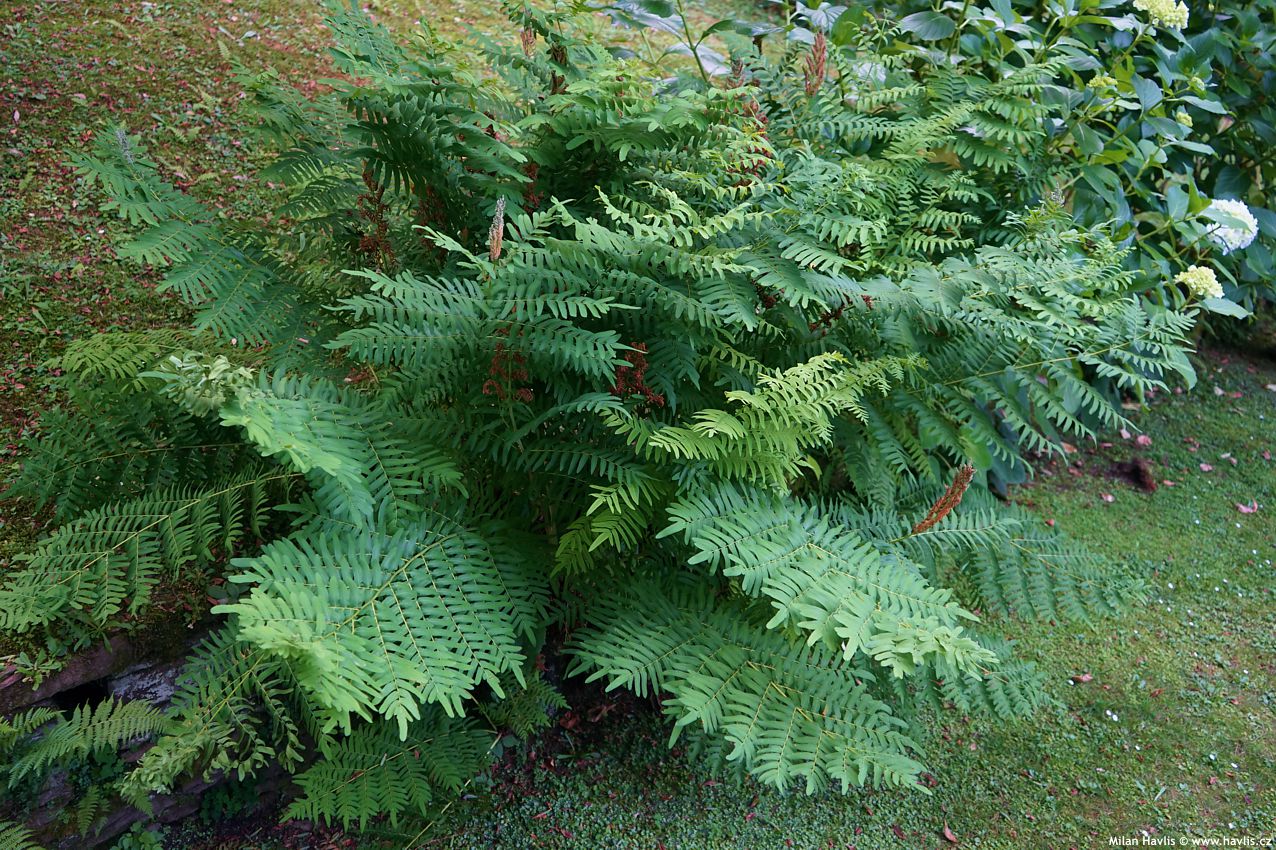
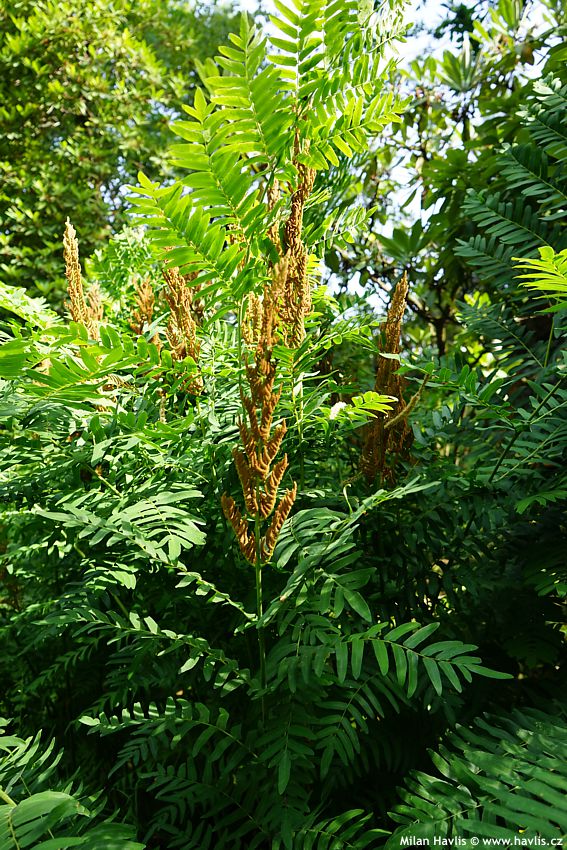
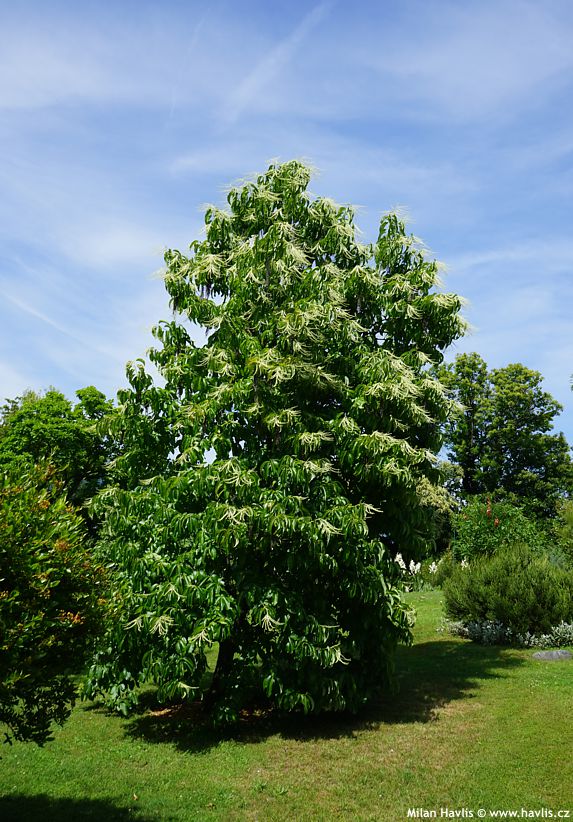
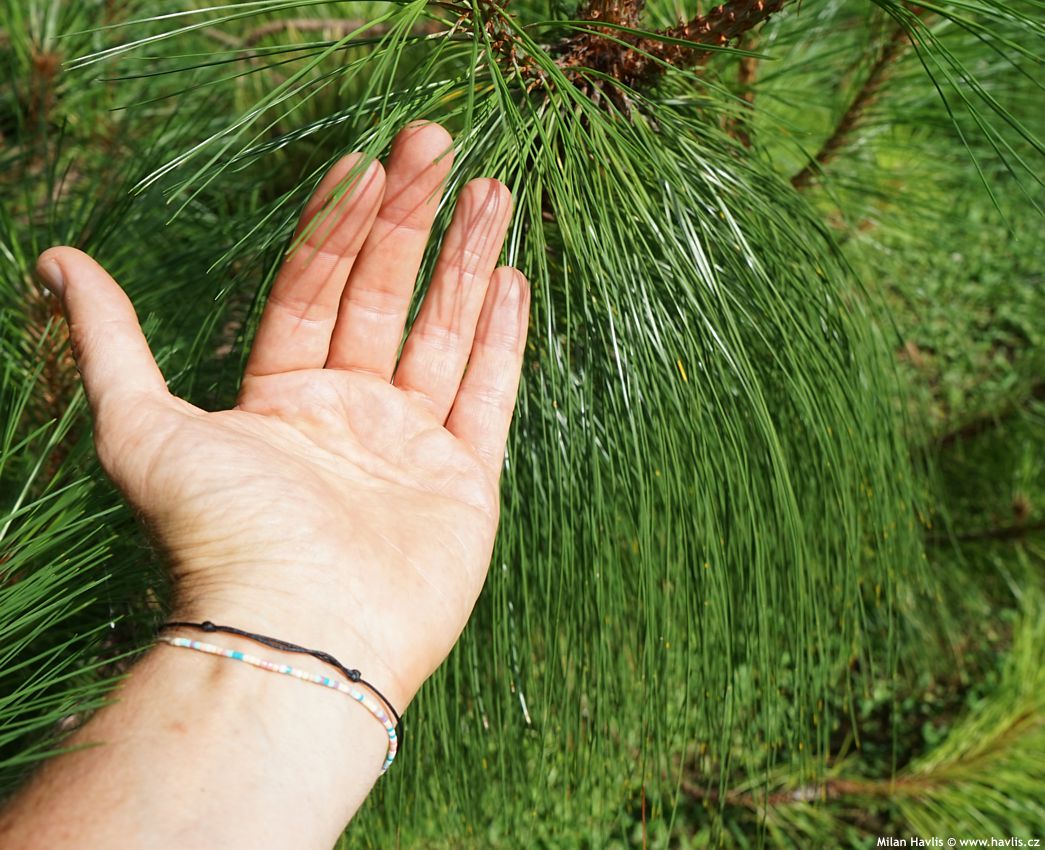
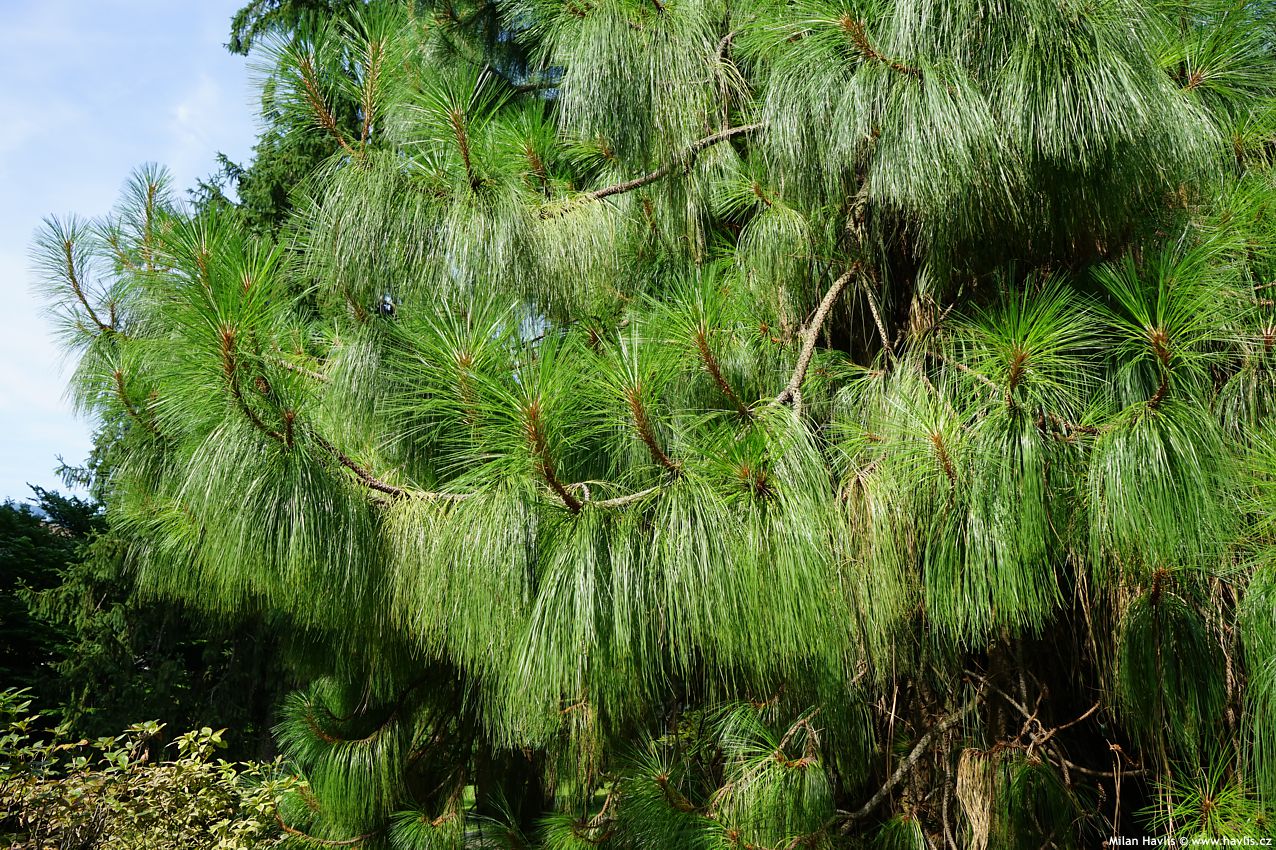
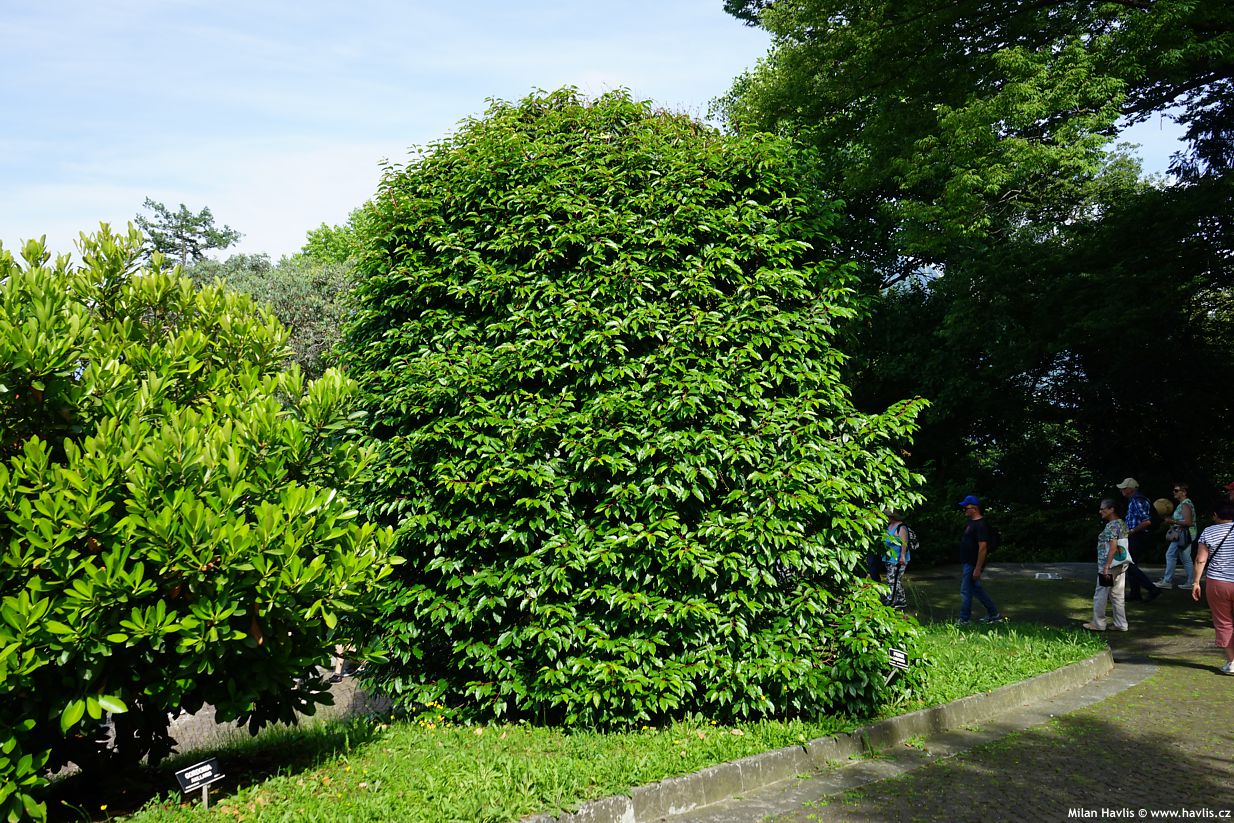
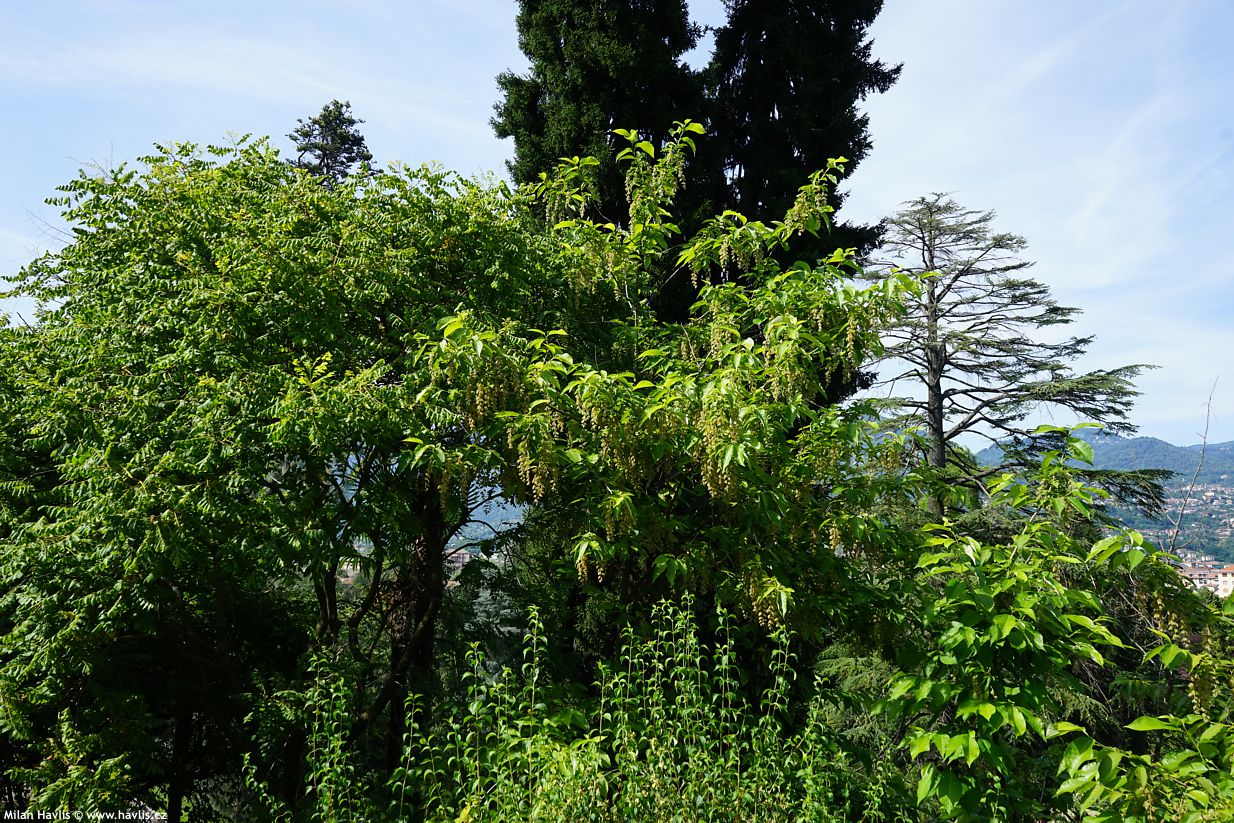
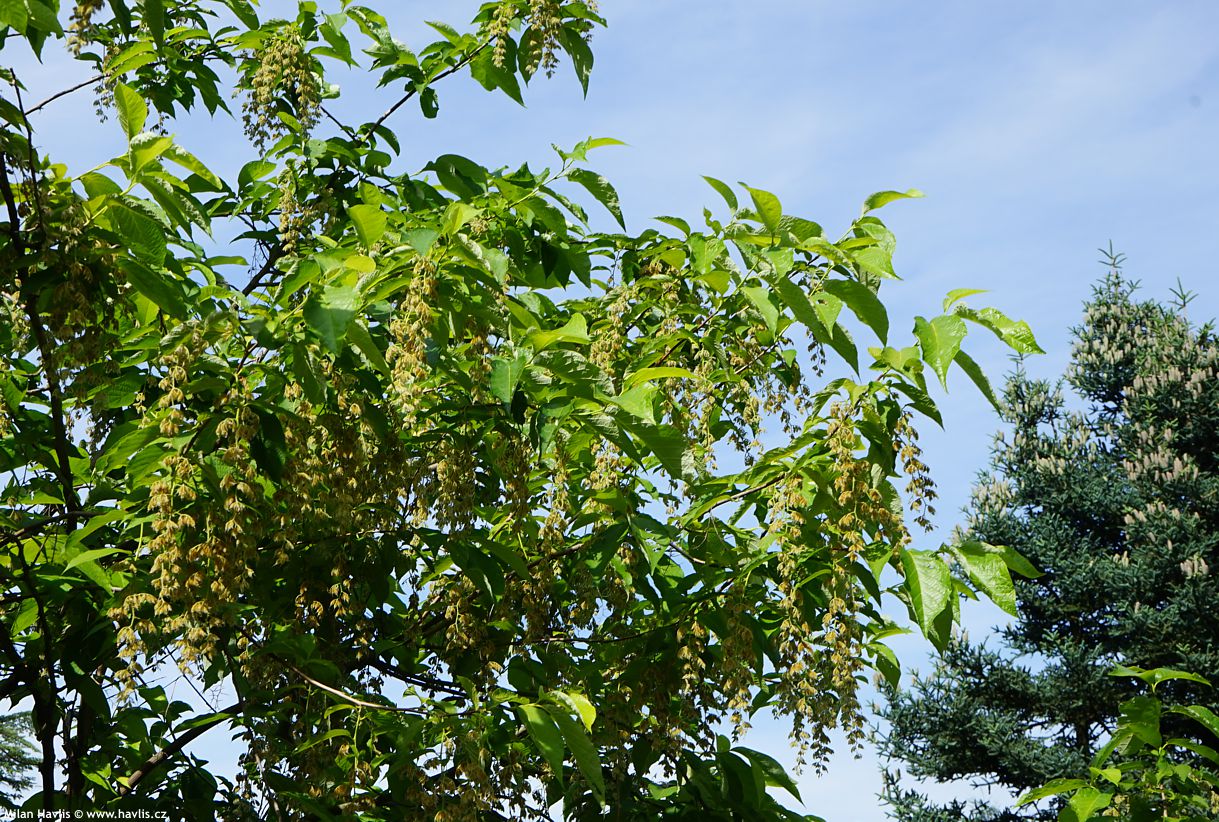
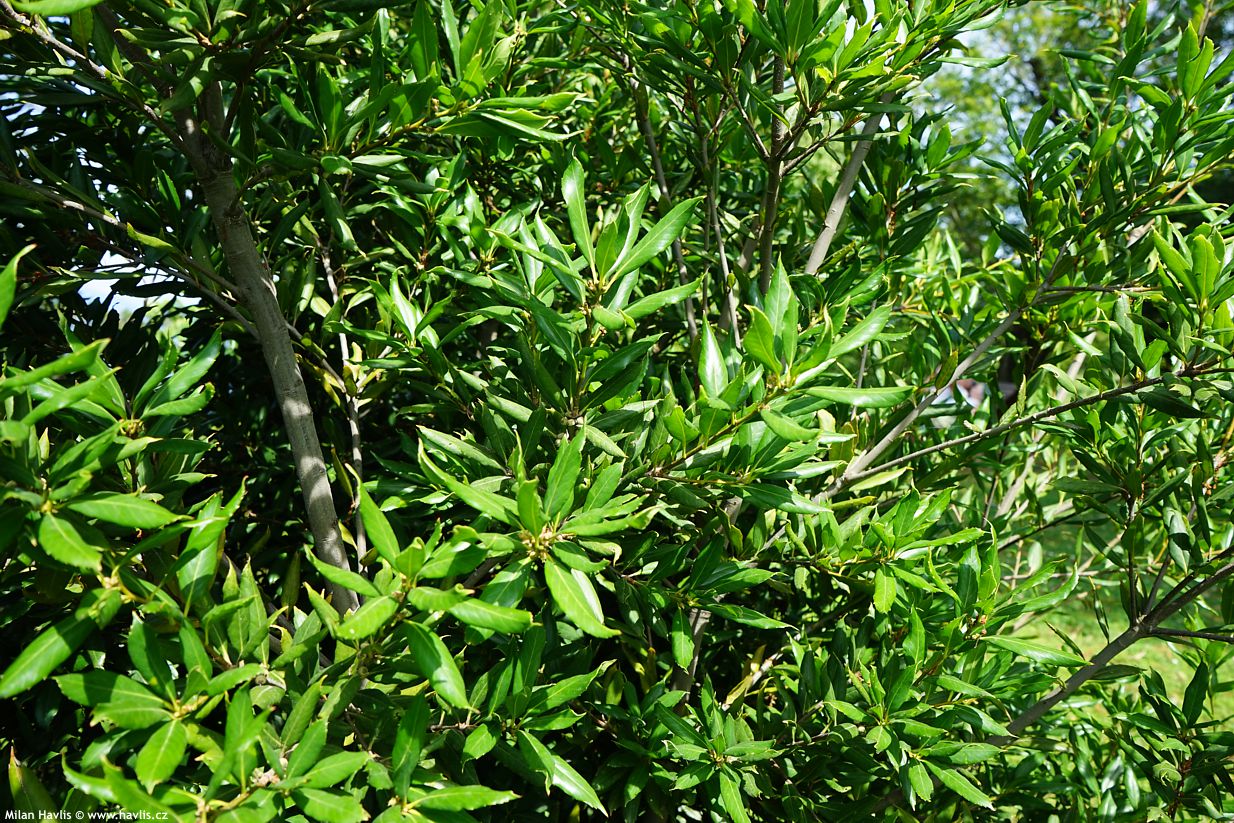
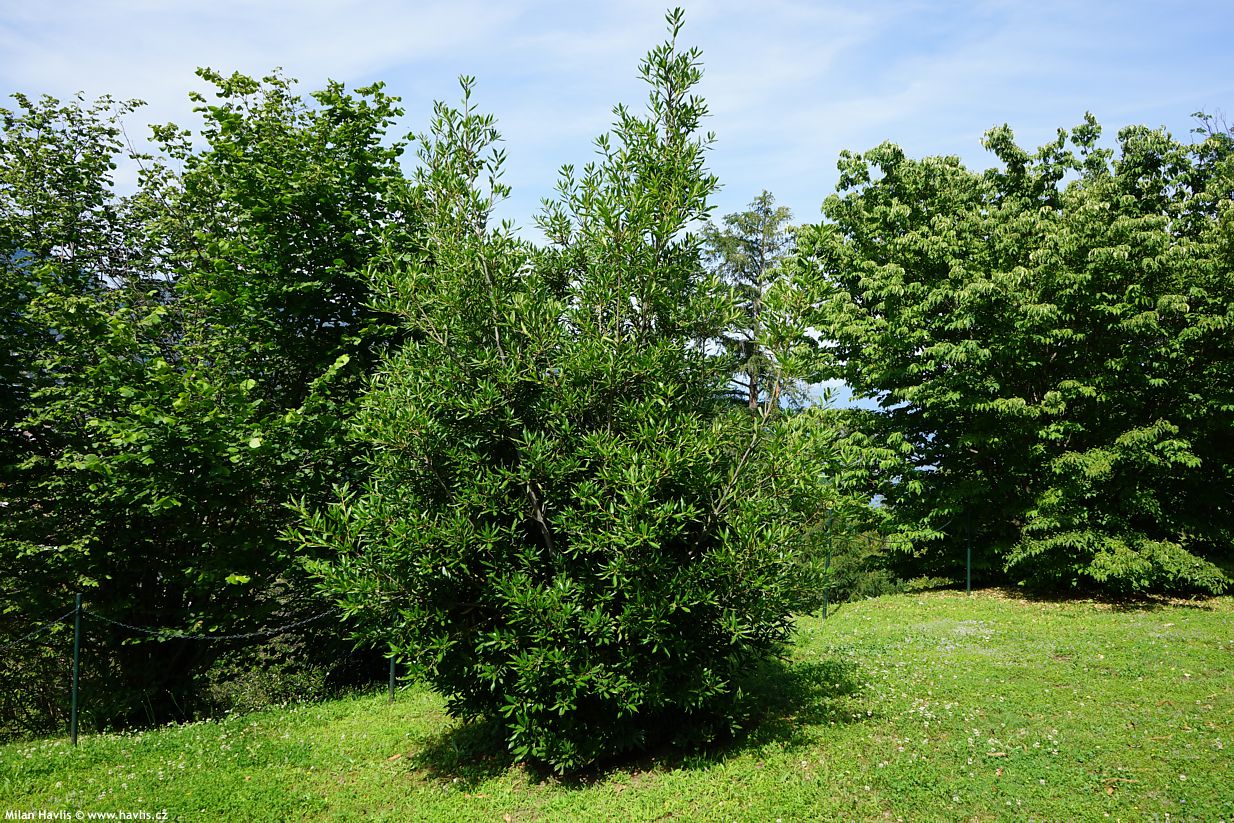
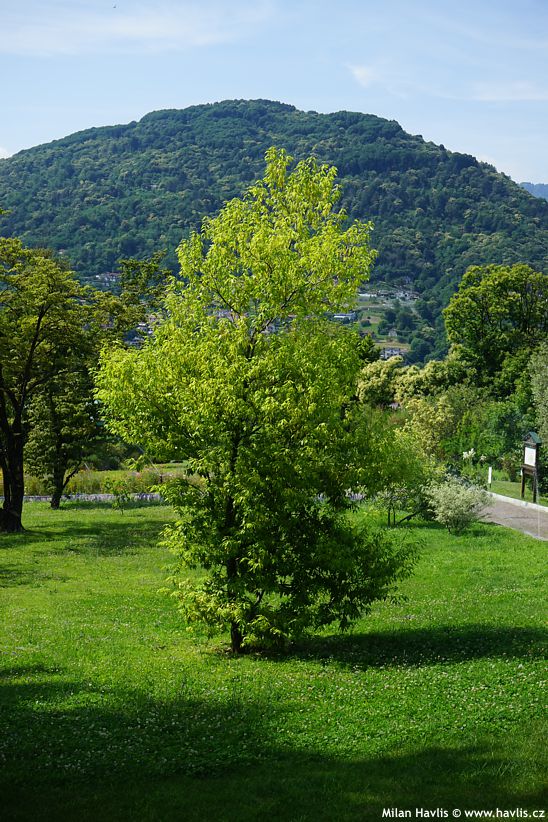
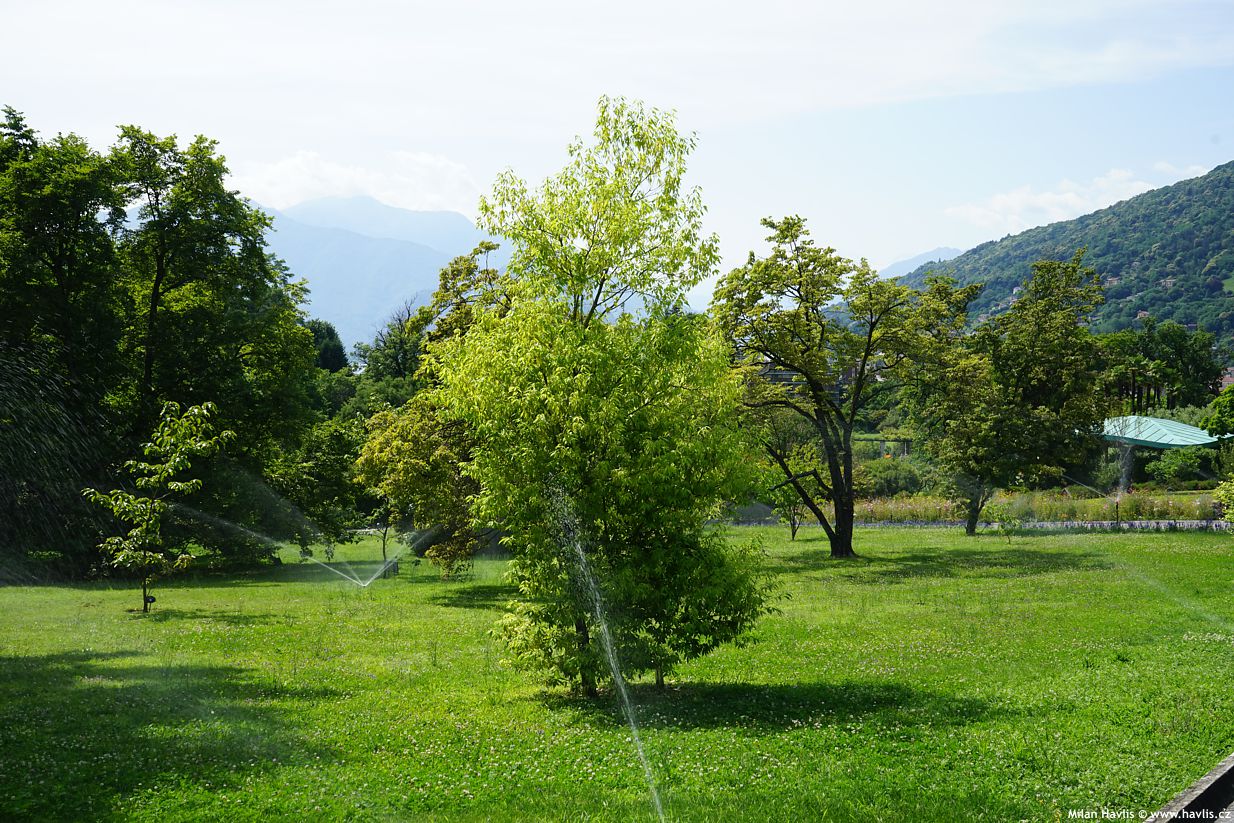
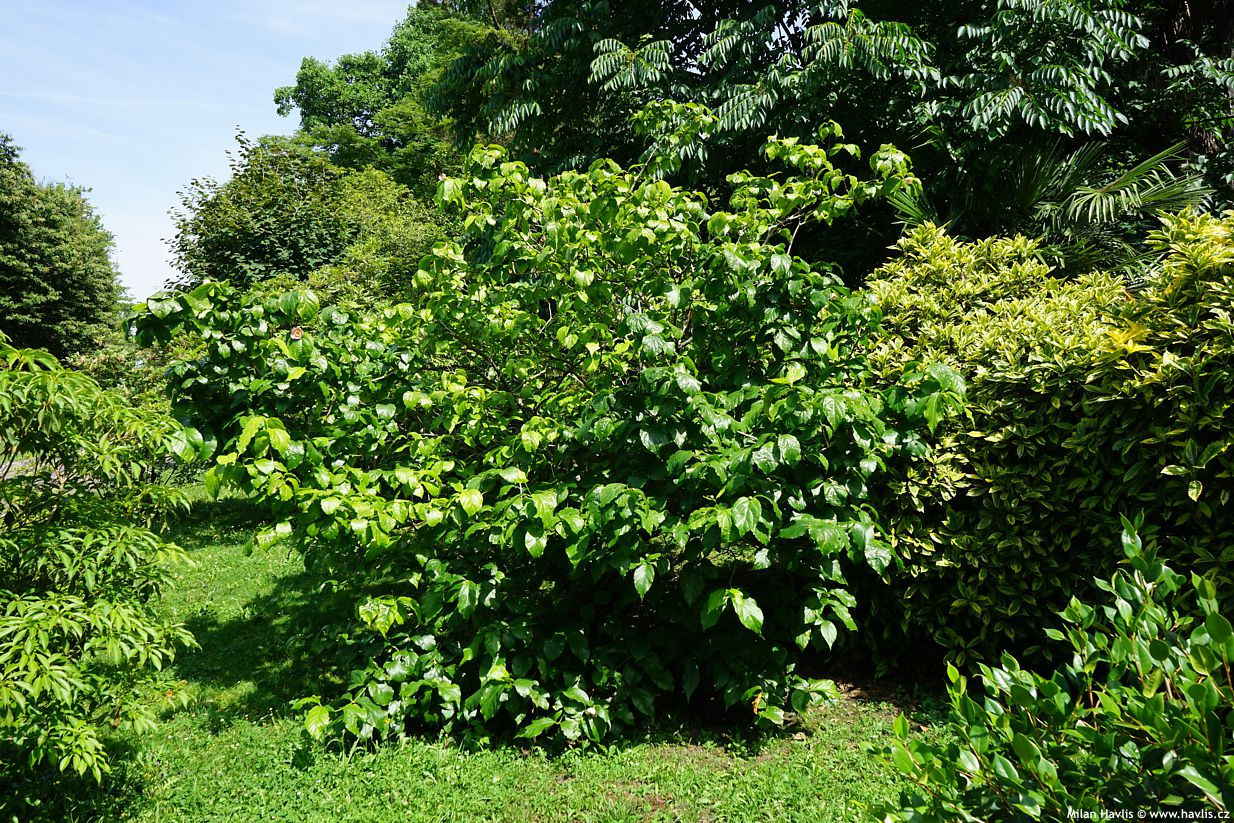
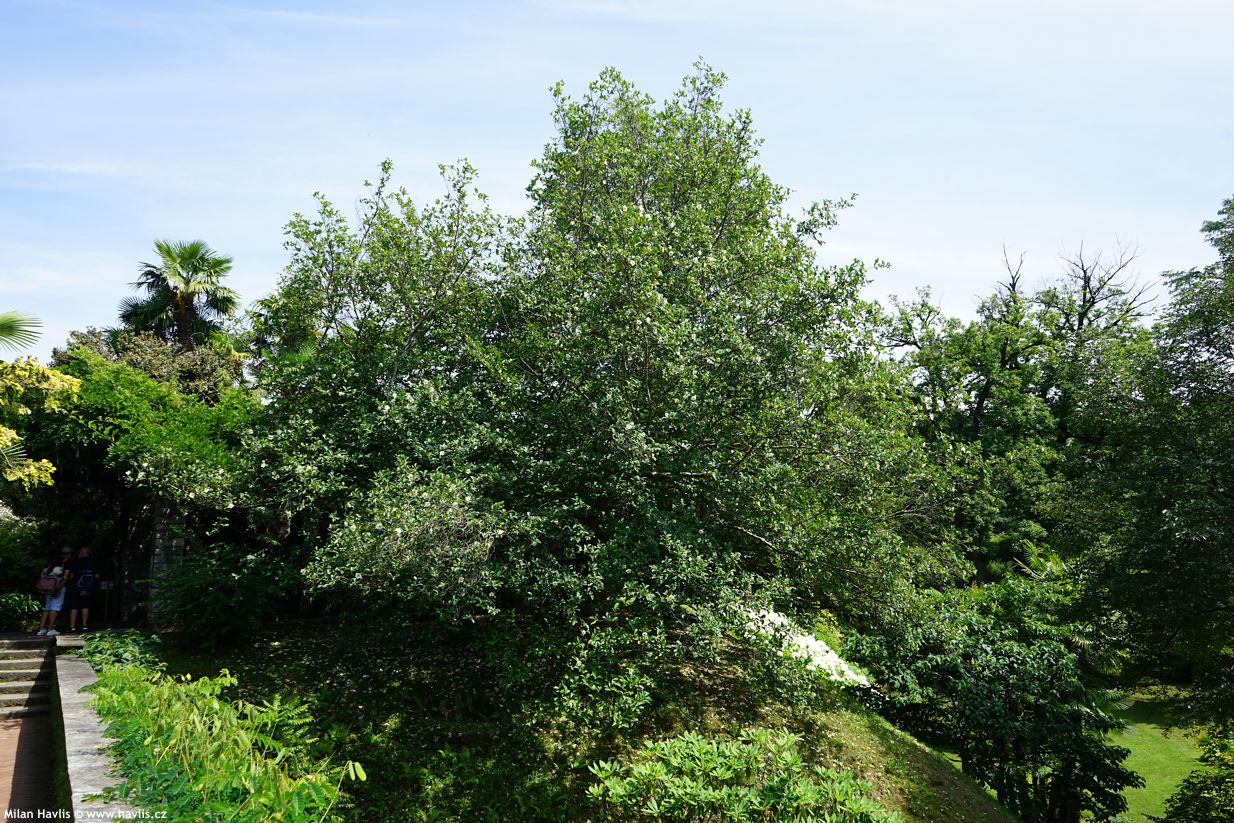
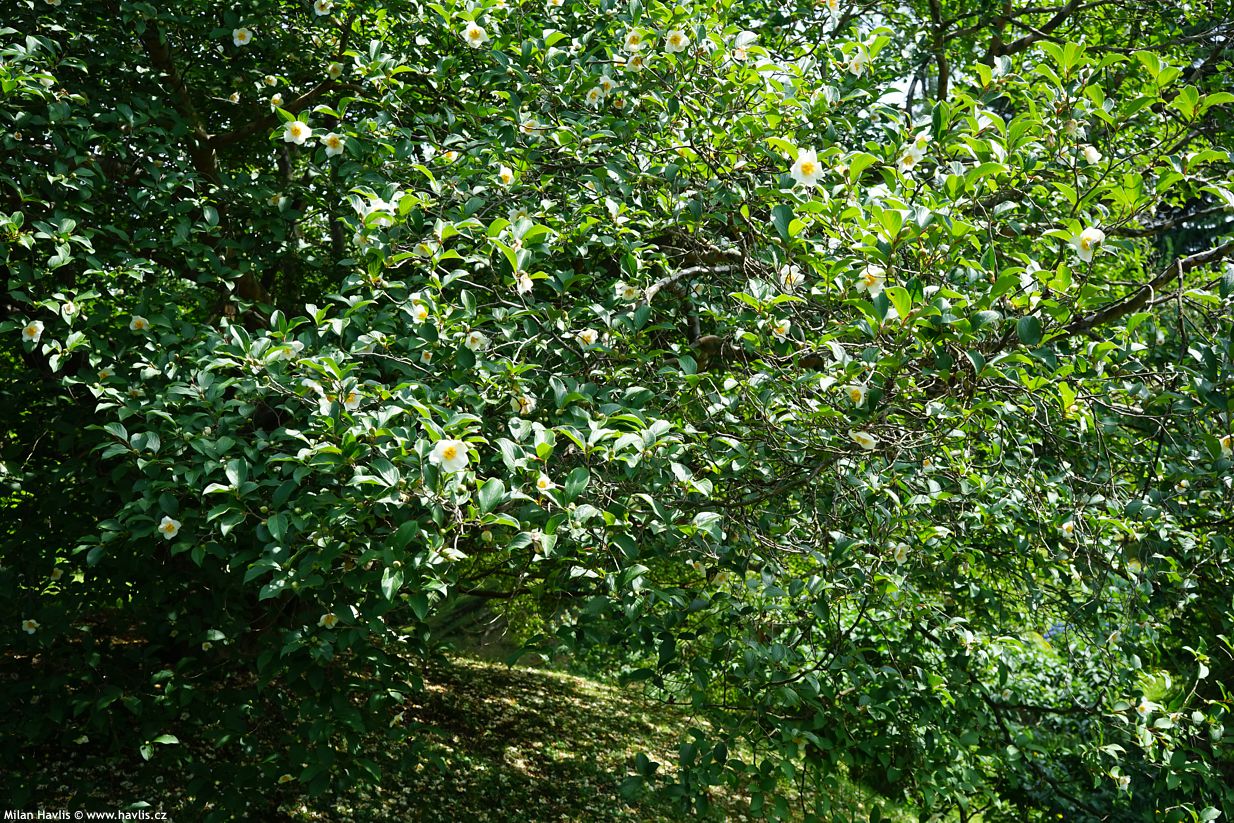
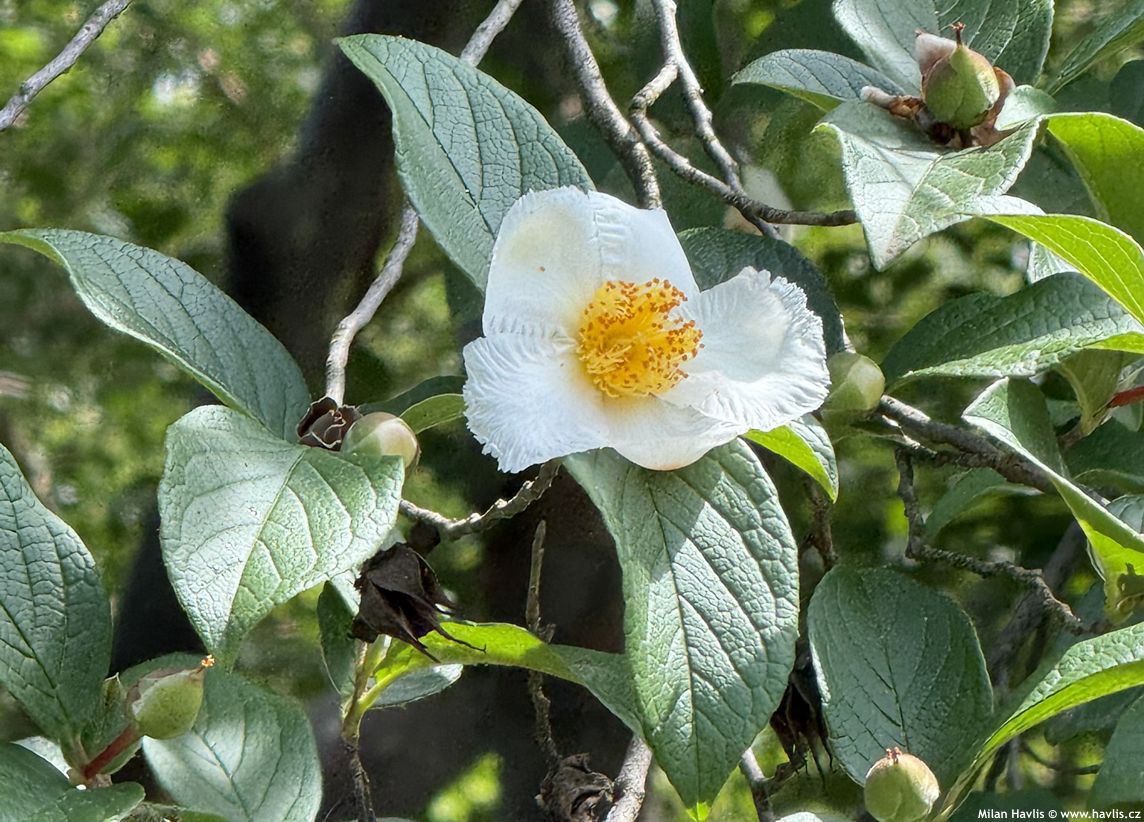
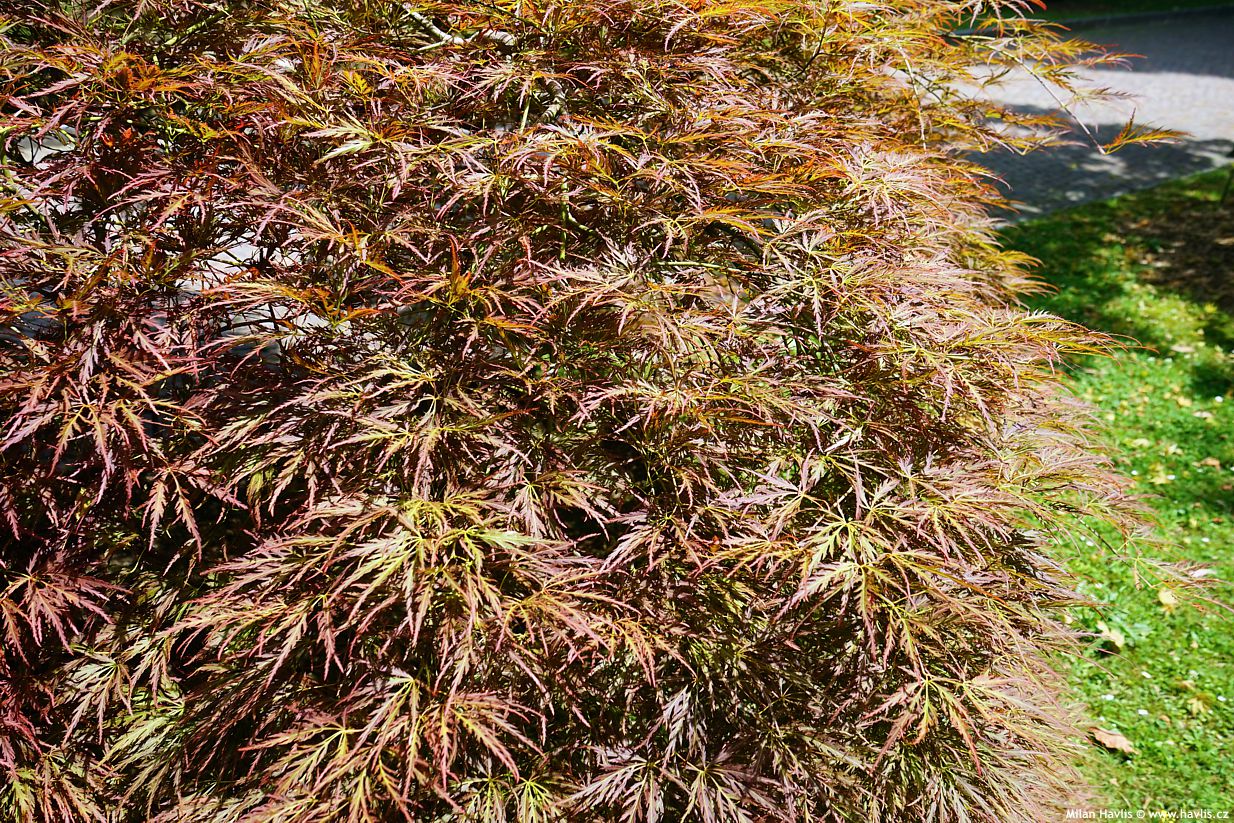
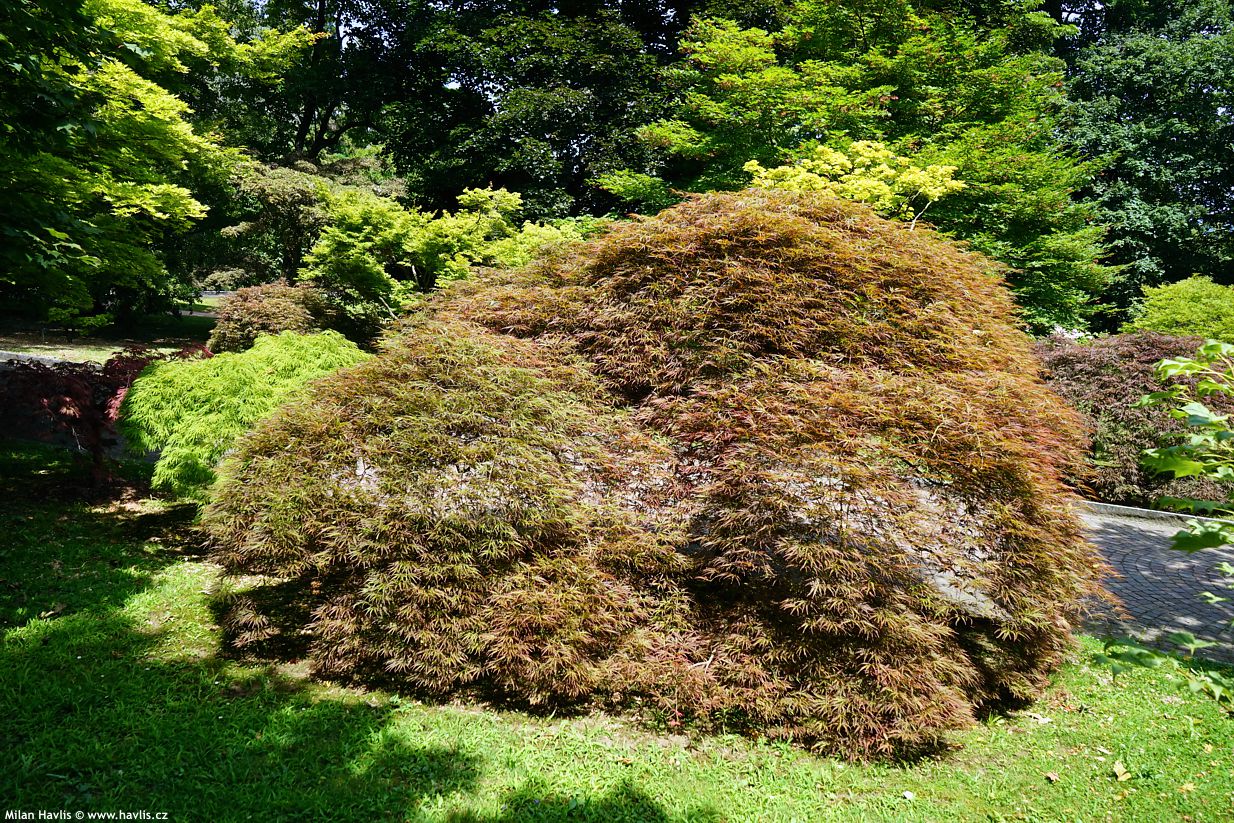
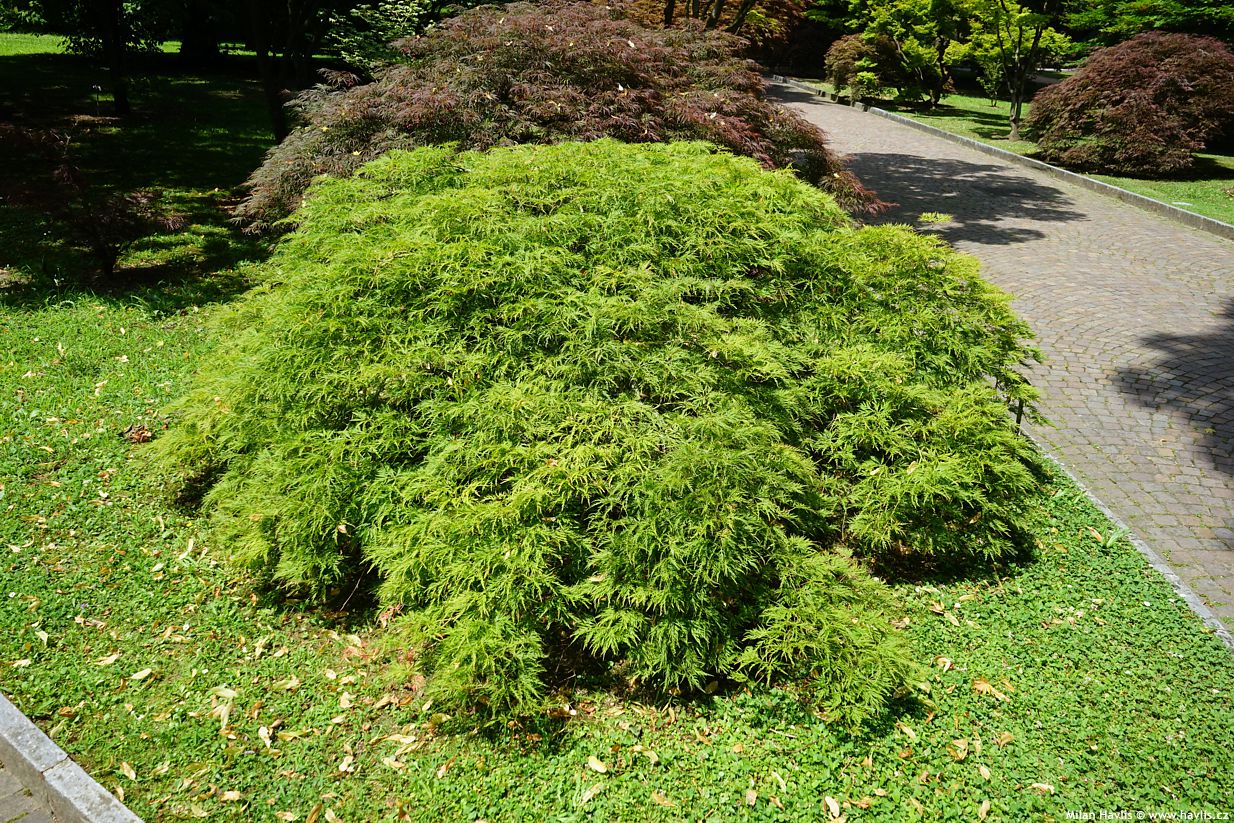
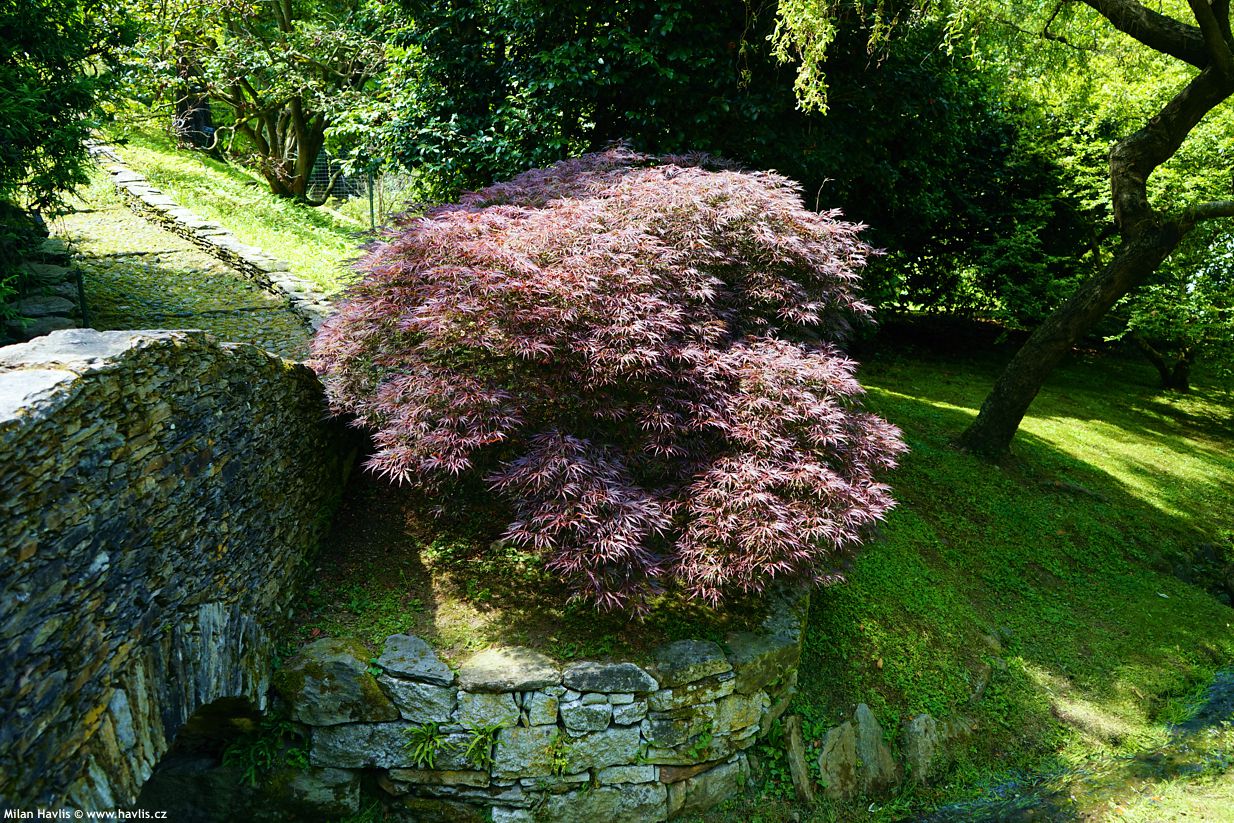
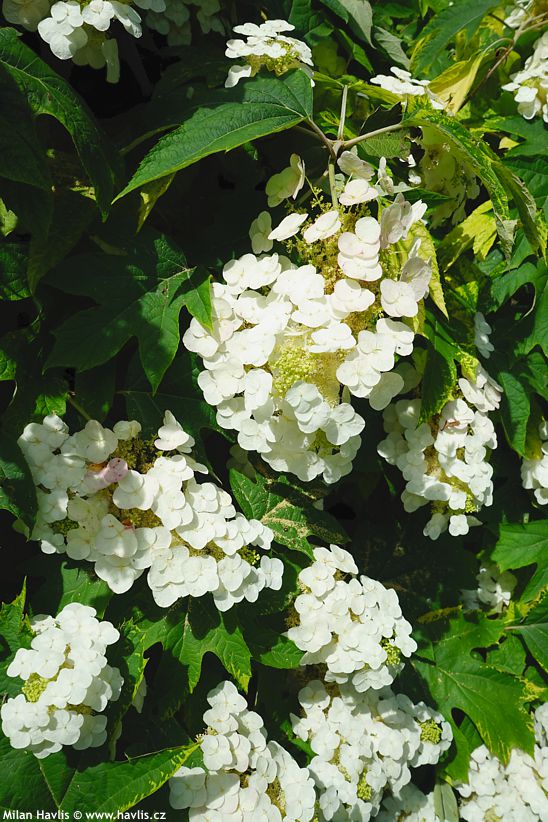
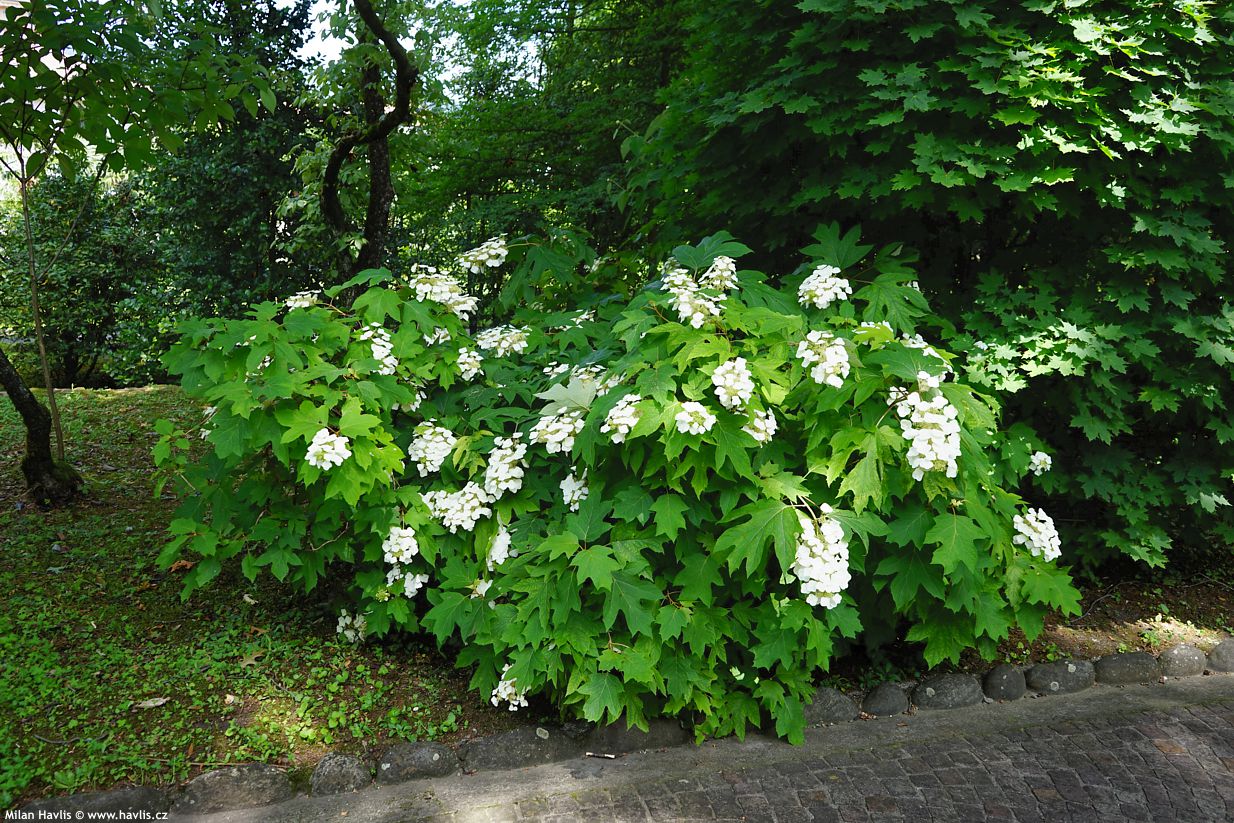
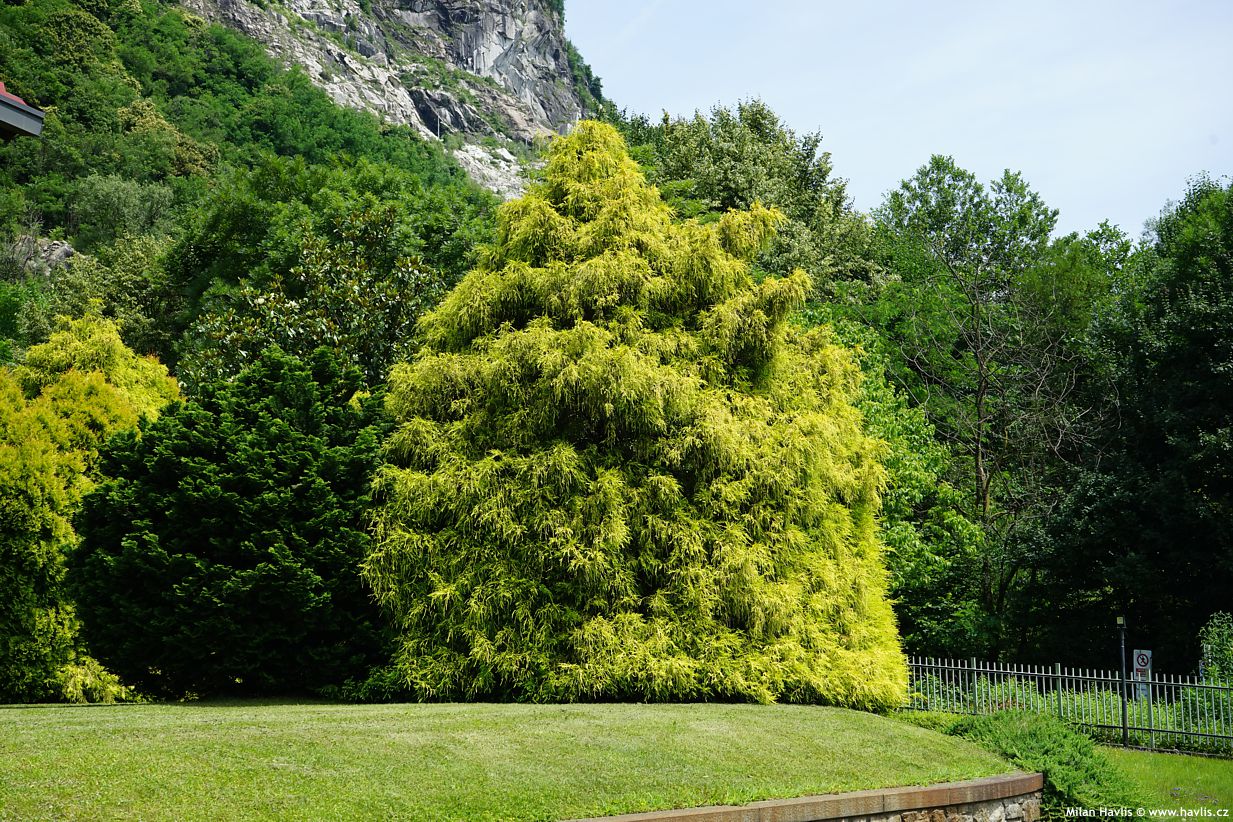
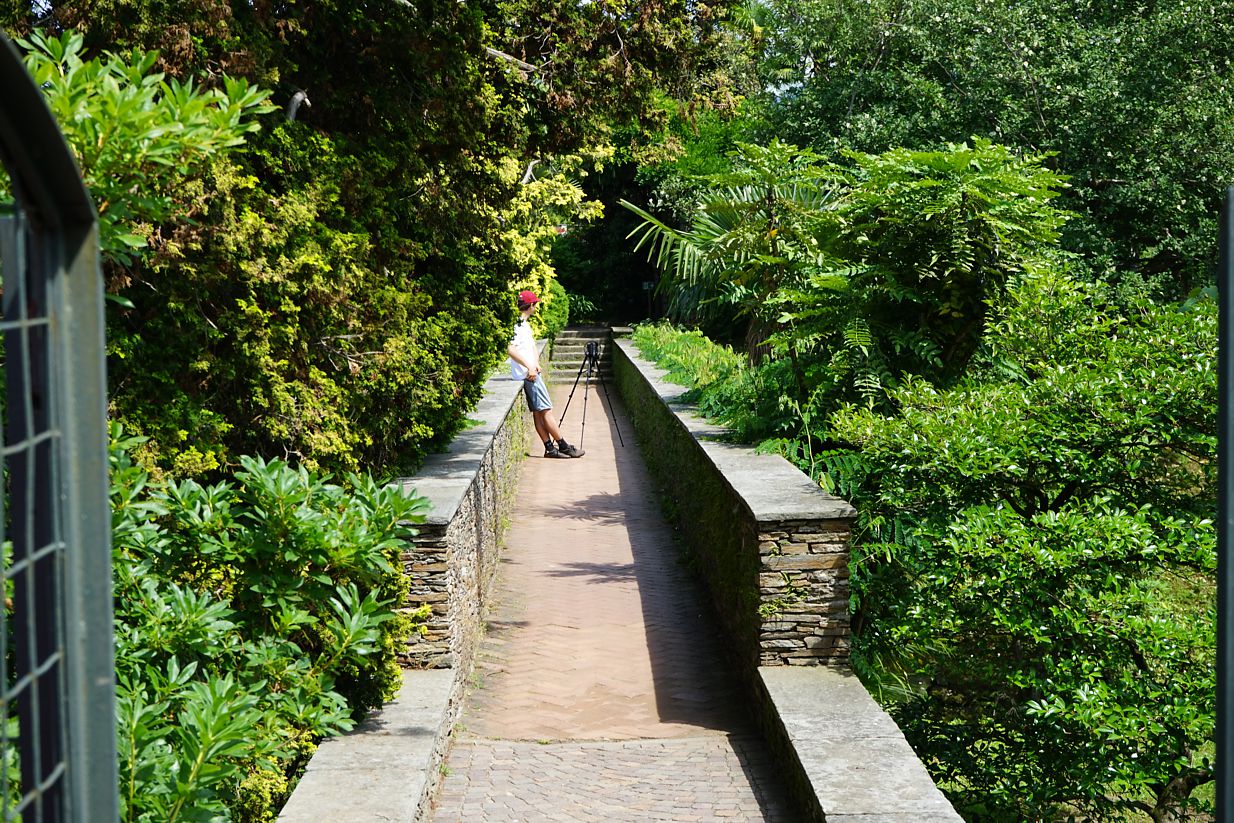
It was a truly memorable experience. The unexpected diversity of species, the plants in perfect condition, well cared for and clearly labelled, and irrigation wherever needed – which, in that heat, we were more than happy to make use of ourselves, with our shirts and shoes off 😊 So come on in and explore what I have seen. Or even better - make a trip and go see for yourself! Take these photos as an invitation and go whenever you want - there's always something going on in every part of the year. And get ready for a hike - it is quite hilly👣
Giardini Botanici di Villa Taranto - official website
.jpg)

.jpg)
.jpg)
.jpg)

PICTURE ARCHIVE 2025
PICTURE ARCHIVE 2024
PICTURE ARCHIVE 2023
PICTURE ARCHIVE 2022
PICTURE ARCHIVE 2021
PICTURE ARCHIVE 2020
PICTURE ARCHIVE 2019
PICTURE ARCHIVE 2018
PICTURE ARCHIVE 2017
PICTURE ARCHIVE 2016
PICTURE ARCHIVE 2015
PICTURE ARCHIVE 2014
PICTURE ARCHIVE 2013
PICTURE ARCHIVE 2012
PICTURE ARCHIVE 2011
PICTURE ARCHIVE 2010
PICTURE ARCHIVE 2009
PICTURE ARCHIVE 2008
PICTURE ARCHIVE 2007
PICTURE ARCHIVE 2006