












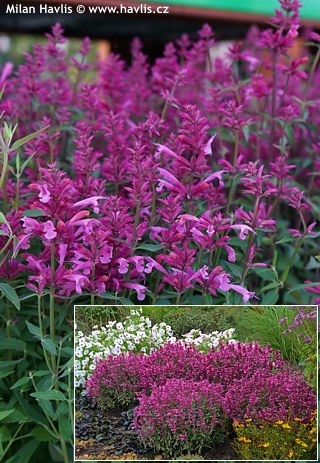
Rosie Posie is an attractive hybrid perennial hyssop of compact habit. It makes dense clumps with thin, upright stems packed with flowers. Flowers are narrowly tubular, magenta pink, and open from just a tone deeper magenta-pink calyxes. Blooming begins in late July and continues for about two month ...
pot 3L
180 Kč
added:
5.9.2026
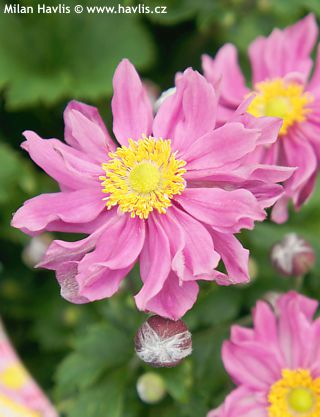
Pretty Lady Emily® is a Japanese anemone hybrid, probably the shortest of all among the Pretty Lady® series. It produces semi-double, medium to light pink flowers decorated with a small crown of showy, rich yellow anthers in the centre. Stems are only about 30-40 cm tall and even young pl ...
pot 1L
145 Kč
added:
5.9.2026
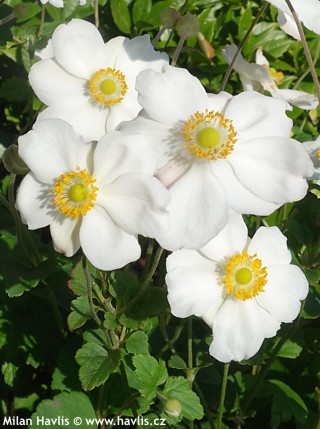
Honorine Jobert is a late variety of Japanese anemone. It produces 2-3 cm wide snow-white flowers with deep yellow centres of stamens from end August until the last warm days of autumn. The stalks are about 1 meter tall, well-branched. Basal leaves are deciduous, palmate, mid green, sharply toothed, ...
pot 2L
210 Kč
added:
5.9.2026
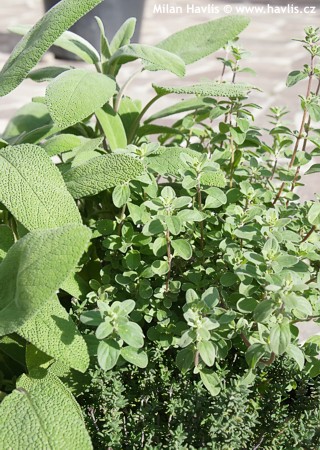
Marjoram (Origanum majorana) – a low, bushy perennial; after flowering it can be trimmed back, or for the best flavour it is often grown without allowing it to flower at all. Excellent with pulses, potato soups and traditional stuffings.
Thyme (Thymus vulgaris) – a low, slow growing woody herb th ...
BIO petržel kudrnka
79 Kč
BIO petržel hladkolistá
79 Kč
mateřídouška Creeping Red
79 Kč
added:
5.9.2026
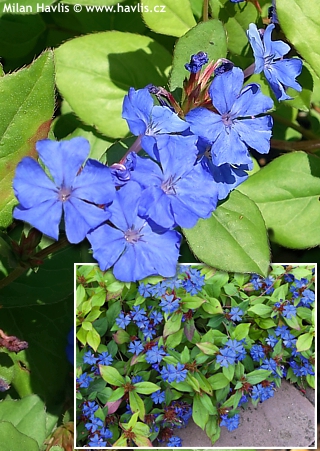
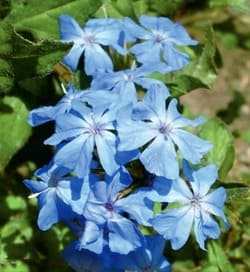
Autumn Blue is a dwarf or ground-covering variety of hardy plumbago. It bears gentian-blue, 5-petalled, 1-2 cm large flowers, borne in terminal clusters from August till the first frost. In hot summers the flowers appear early in the month, in average or cold summers from late August. Deciduous leav ...
pot 0.5L
79 Kč
added:
5.9.2026
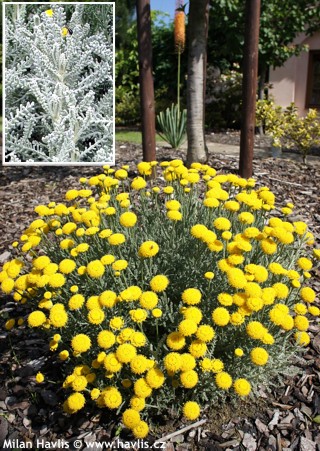
Lavender cotton is a fantastic low, mound-forming shrub with very attractive silvery blue, finely textured foliage. It is evergreen so it decorates your garden all year round. Moreover, in summer in produces masses of small, vivid yellow flowers heads on long stalks. Leaves have an interesting, spic ...
pot 1L
79 Kč
added:
5.9.2026
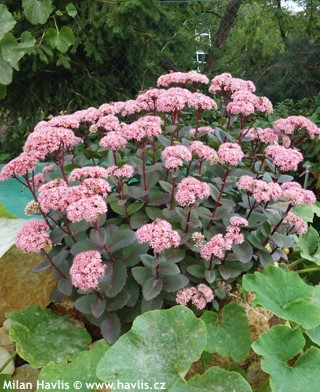
Matrona is a German variety of orpine. It is renowned for its robust habit with large, oval, light green, thick leaves with purple margins and purple stems. In late August it produces almost flat cymes of pale lilac to pink flowers with beige to light yellow centres. They continue blooming until mid ...
pot 2L
185 Kč
added:
5.9.2026
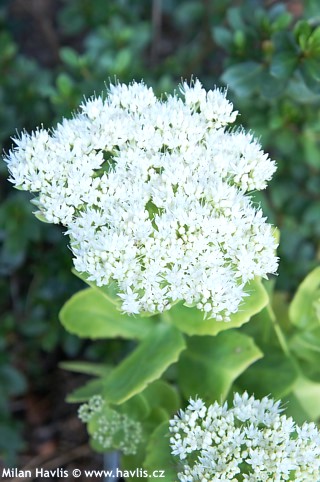
Who would have thought that a showy sedum plant can have a different flower colour other than pink? Stardust is the exception that proves the fact. It produces large corymbs filled with masses of silvery white flowers from late August until early October. Leathery leaves are oblong to oval, rather l ...
pot 2L
170 Kč
added:
5.9.2026
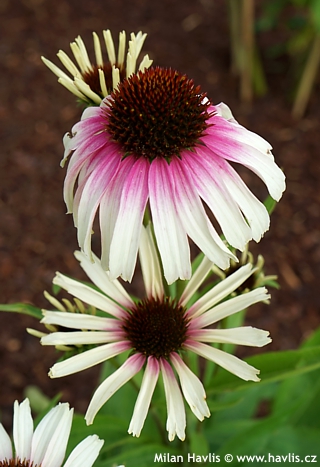
Pink Eye is a bi-coloured coneflower variety from the FOUNTAIN™ series from 2018. It makes large, fragrant flowers with long ray florets. Their first half near the cone is deep pink and the rest is pure white. Central cones (discs) are maroon brown and hide plenty of nectar for bees, butterflies, an ...
pot 1L
175 Kč
added:
5.9.2026
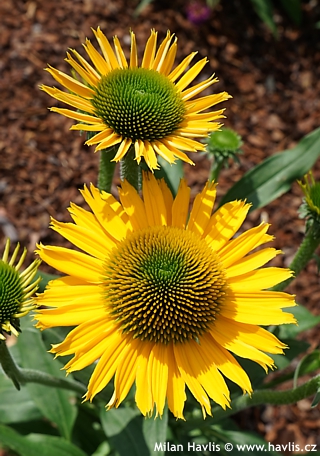
KISMET® YELLOW coneflower is considered the best yellow cultivar so far (in 2021). It produces large, fragrant flowers of rich golden yellow colour atop about 40 cm tall, strong, non-floppy stems. The central discs are large, green first, maturing to golden yellow. Blooming begins in late July (CE c ...
pot 1L
170 Kč
added:
5.9.2026

SUN MAGIC VINTAGE RED coneflower produces immensely attractive in a breathtaking mixture of several tones: pink, orange, salmon, and magenta. The result is a soft red colour you cannot pass by without a glance. The flowers are about 6-7 cm across, central discs are dark orange to mahogany brown and ...
pot 1L
170 Kč
added:
5.9.2026
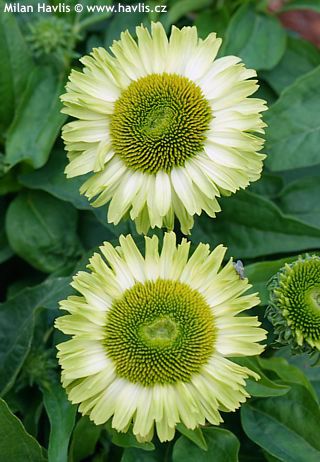
Unique and gorgeous. This is another coneflower variety from the SunSeekers series. It is called SUNSEEKERS APPLE GREEN and produces large, 8-10 cm across, single flowers with 2 or even 3 layers of daisy-like, light to medium green ray florets. The discs are massive, flattened, and hide plenty of ne ...
pot 1L
210 Kč
added:
5.9.2026
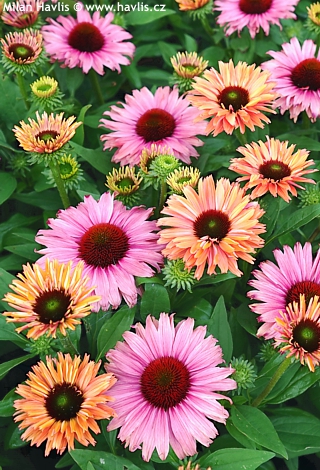
SunSeekers RAINBOW is a third baby in this breathtaking Sunseekers Ipecss- coneflower family following the success of Sunseekers Salmon and SunSeekers White Perfection. It produces extremely large, up to 12 cm wide, semi-double flowers with several layers of ray florets shaped as a pagoda of saucers ...
pot 0
210 Kč
added:
5.9.2026
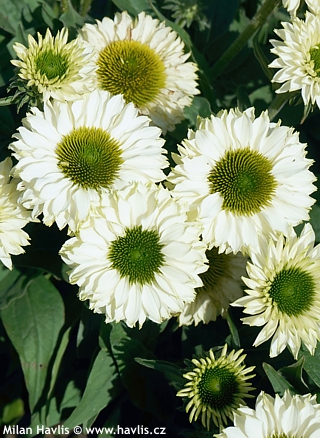
White Perfection is a sequel of the new Sunseekers Ipecss- series following the success of Sunseekers Salmon. It produces semi-double flowers with creamy white ray florets with lime green hues, and rather flat central discs whose disc florets are rich green with yellow tips as they mature. They hide ...
pot 0
210 Kč
added:
5.9.2026
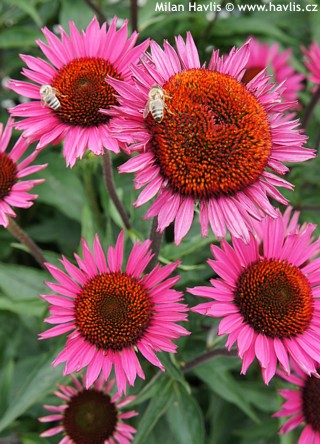
Fatal Attraction® is truly a fantastic variety of coneflower bred by Petrus Oudolf from the Netherlands, and patented in 2006. It makes very strong stems which get thicker towards the flower making it look like a microphone. The flowers are large, bright magenta purple, with deep red cones. The ...
pot 1L
170 Kč
added:
5.9.2026
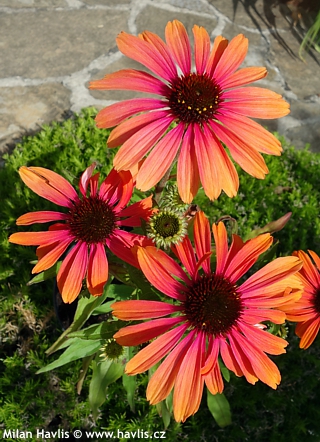
RAINBOW MARCELLA is a coneflower from the BUTTERFLY™ series offering multicoloured flowers. Their ray florets are orange from the middle towards the tips, and vibrant magenta pink towards the ruby red cones. The flowers are 12-13 cm across and appear from early July until late September atop strong, ...
pot 0
185 Kč
added:
5.9.2026
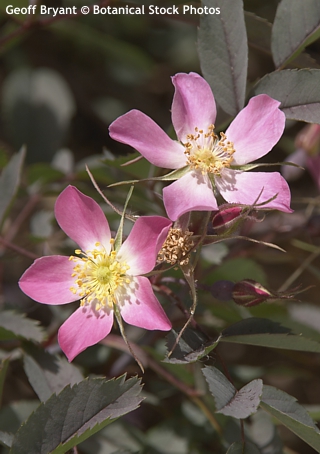
Red-leaved rose is a wild species of rose from mountainous regions of Poland, Slovakia, as well as the Alps and Carpathians. It produces numerous, single, 5-petalled flowers in June and July that are followed by vibrant red, glossy hips. They are classified as edible, though with not much flesh so t ...
height 30-50 cm
550 Kč
added:
5.9.2026
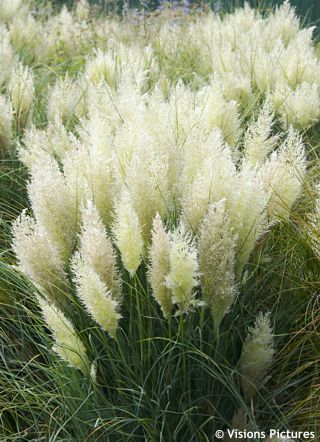
In 2012, a remarkable discovery was made when Marcel de Pater and David Bakhuijzen found a sport of Pampas grass in a field of Pumila variety at their Daylight Nursery in Boskoop, Netherlands. This new variety was even smaller than Pumila. They named it TINY PAMPA, and it was introduced to the marke ...
pot 3L
520 Kč
added:
4.9.2026
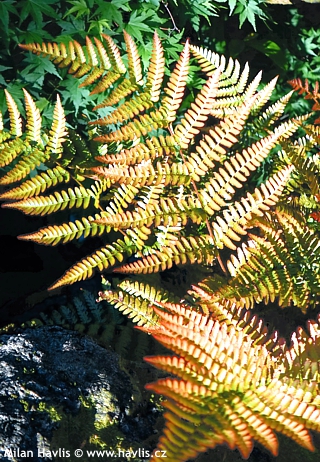
Japanese Rosy Buckler Fern (autumn fern) is an evergreen and very attractive fern species easily distinguished by brightly coloured young leaves and distinctly regular fronds. Brillance is a selection with a richer shade of golden orange to copper-red on newly emerging foliage that turns light green ...
pot 1.5L
320 Kč
added:
4.9.2026
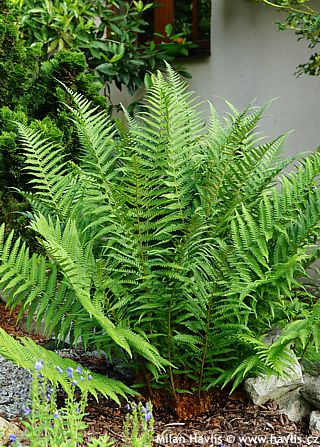
The male fern is our native species, found throughout Europe and into the subarctic parts of the Northern Hemisphere. In smaller quantities it is also present in North America and Northern Asia. Available information about the taxon is somewhat diverse which makes no sense as the plant is not variab ...
pot 10L
1220 Kč
added:
4.9.2026
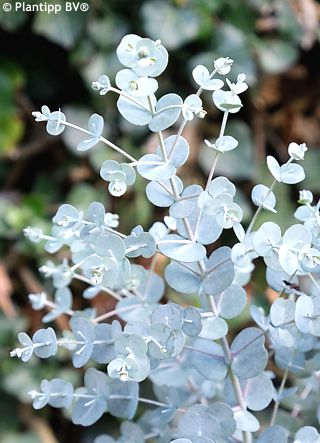
In 2006, a miracle occurred that at first looked rather ominous – in a French nursery, all seedlings of this botanical species froze except for a single plant, even though everyone was convinced of its suitability for the French climate. One eucalyptus, one pot, survived an unusually severe winter t ...
height 30-50 cm
760 Kč
height 60-80 cm
1480 Kč
added:
4.9.2026
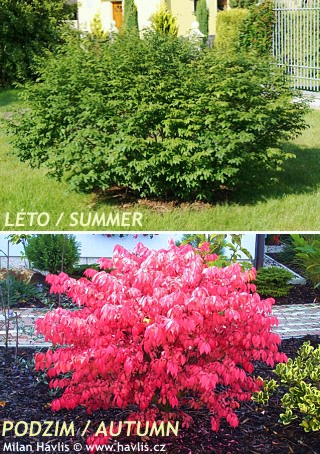
This winged euonymus belongs to deciduous shrubs and is truly an eye-catcher in every garden. Its leaves are compound like on ash. Young leaves are bright, grass green, and as the first colder days of October come, they change the colour to highly ornamental scarlet red. Even when they fall off, the ...
height 50-60 cm
920 Kč
added:
4.9.2026
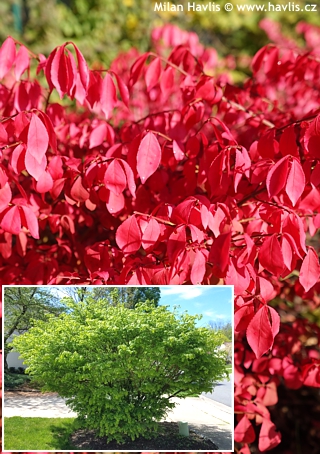
This deciduous shrub is a compact form of winged euonymus. Same as the species it is undoubtedly an eye-catcher in every garden. The branches do not have that distinct corky wings but are much denser creating a very bushy, attractive habit. Its leaves are compound like on ash. Young leaves are brigh ...
height 40-60 cm
990 Kč
added:
4.9.2026
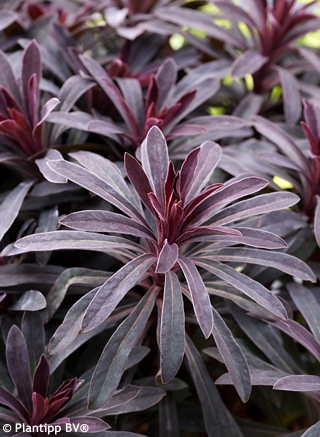
MINER’S MERLOT is undoubtedly an exquisite wood spurge variety, discovered by Keith and Jennifer Miner in California in 2015. It was a spontaneous mutation, a single seedling whose parents are probably the well-known dark-leaved form of euphorbia amygdaloides ‚Purpurea‘ (fully hardy) and euphorbia ( ...
pot 3L
395 Kč
added:
4.9.2026
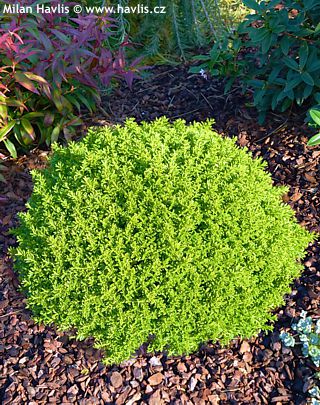
Green Globe is a true gem among hebes. This variety, though relatively new to the market, has become one of the best-selling hebes ever. Its dominant feature is a deep but yet warm green colour of tiny, scaly leaves and mounding habit. This hebe does not flower. It can be used along garden pathways ...
pot 2L
225 Kč
pot 2L
430 Kč
added:
4.9.2026
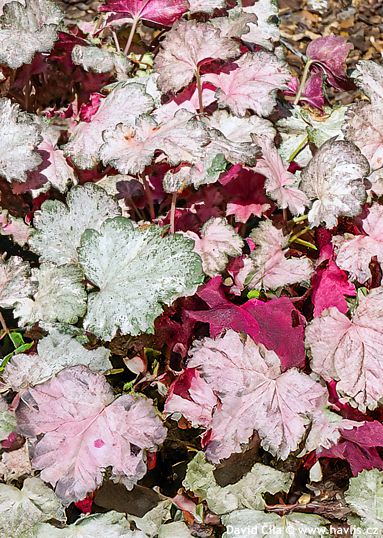
Over some twenty-odd years, coral bells have accustomed us to almost anything – chocolate‑brown foliage, lime‑green cushions and metallic sheens that shift with every change of light. Pinky Panky, however, brings something exciting that has so far been missing. This is not another “pink” ...
pot 2L
330 Kč
added:
4.9.2026
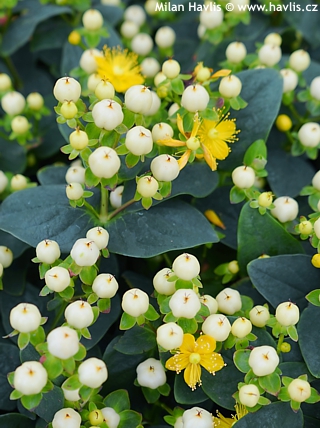
The name of this St. John’s Wort MIRACLE® BLIZZ looks like one of those many omnipresent internet acronyms. But what if it is a play on words – a combination of bliss and blizzard. Because the berries of this hypericum are snow white and combined with fresh yellow flowers they look ...
pot 2L
420 Kč
added:
4.9.2026
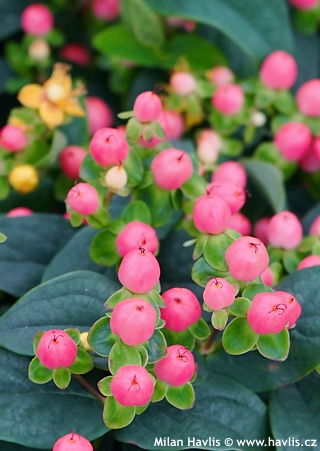
MIRACLE® BLOSSOM St. John’s Wort offers a breath-taking shade of its berries – they are soft pastel pink and follow golden yellow to almost golden orange flowers which open in several flushes from late June until late September. Its deciduous, broadly ovate leaves are dark green wit ...
pot 2L
420 Kč
added:
4.9.2026
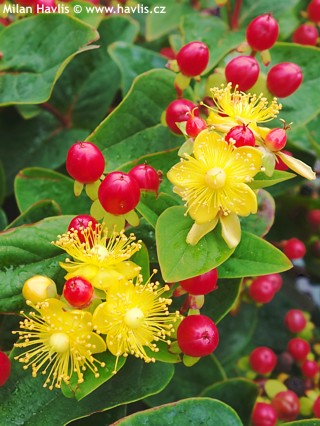
MIRACLE® ATTRACTION is rated the most attractive variety of all MIRACLE® series of St.John's wort. It has extended blooming season owing to which the plant keeps on producing flowers in the midst of numerous berries. Flowers are 2-3 cm wide, rich golden yellow, and come out from late June ...
height 20-30 cm, width 20-30 cm
420 Kč
added:
4.9.2026
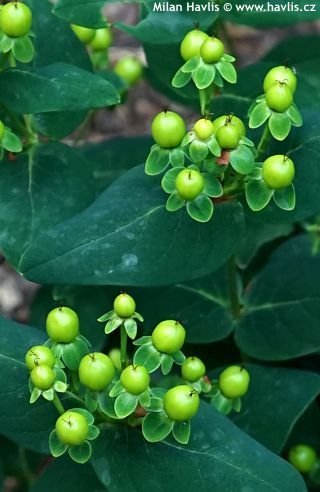
MIRACLE® PISTACHE St.John's wort offers a unique colour of its berries – they are bright pistachio green. They follow small, yellow flowers that open in several flushes from late June until late September. Its deciduous, broadly ovate leaves are dark green. The plant forms dense shrubs wi ...
pot 2L
375 Kč
pot 2L
420 Kč
pot 2L
420 Kč
added:
4.9.2026
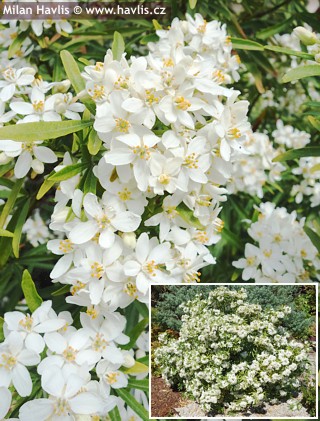
This variety called Aztec Pearl was bred by Peter Moore and introduced in 1989, when Hiller Nurseries celebrated their 125th anniversary. Its name perfectly describes this evergreen plant from the moment it begins to show flower buds. They are pearl-shaped, very light pink, and open into simple, sta ...
height 40-50 cm, width 30-40 cm
950 Kč
added:
4.9.2026
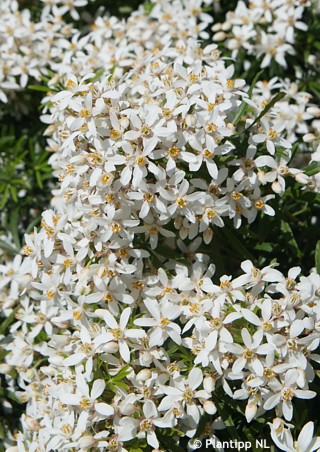
WHITE DAZZLER is a follow-up choísie to Aztec Pearl from Peter Moore, introduced in 1991. It produces masses of simple, star-shaped, pure white, and very fragrant flowers with yellow stamens in May and June. Their perfume is very similar to orange flowers hence its name Mexican orange or Mexican blo ...
pot 2L
429 Kč
height 20-30 cm
480 Kč
height 30-40 cm, width 30 cm
780 Kč
added:
4.9.2026
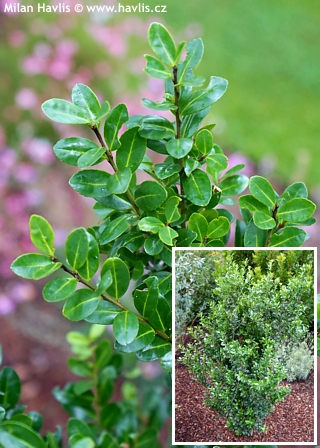
Caroline Upright or DARK STAR is a selection of Japanese holly with upright growth and deep green leaves. They are broadly elliptic. In mid spring opens a profusion of small, creamy white flowers serving plenty of bee food. It is a female variety so if pollinated by a male plant from nearby they are ...
height 60-80 cm, width 30-40 cm
895 Kč
added:
4.9.2026
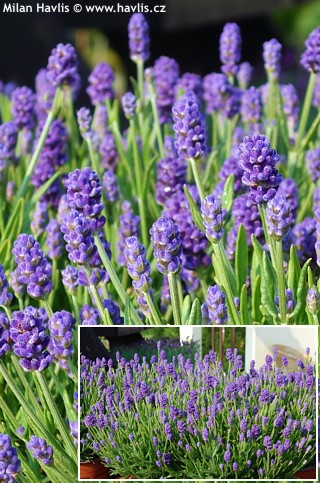
Hidcote is a very popular variety of lavender with the brightest violet-blue flowers. It forms a compact and dense clump, ideal for beds where tall and leggy perennial is not required. Evergreen leaves are narrow, silvery blue-green. You can remove the stalks with spent flowers after ...
pot 1.5L
140 Kč
pot 2L
255 Kč
pot 2L
255 Kč
added:
4.9.2026
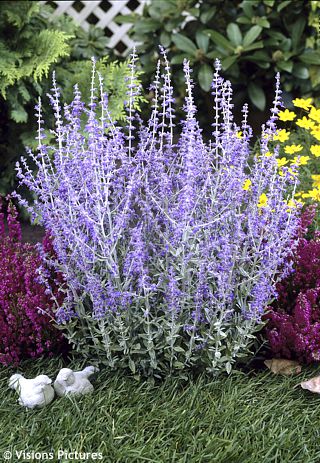
Little Spire is a smaller, more compact cultivar of Russian sage, first introduced in 1995. Its flowers resemble tiny slippers — vivid inky violet-blue in colour — and emerge from deep purple buds that begin forming as early as June. While peak blooming occurs in the second half of summer, the richl ...
pot 2L
329 Kč
pot 2L
399 Kč
added:
4.9.2026
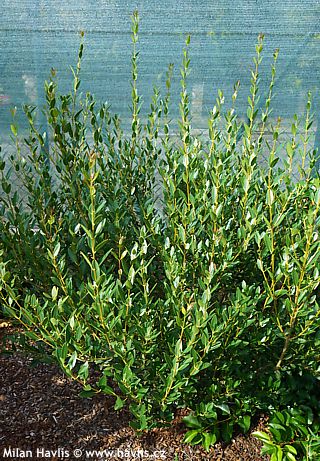
Narrow-leaved mock privet is another typical plant of so-called macchia vegetation found in dry and hot, rocky slopes of South Europe, i.e. plants which cope extremely well with long-lasting drought and are usually unattacked by wild animals. This mock privet has narrowly elliptic to lance-shaped, 4 ...
height 40-60 cm
449 Kč
height 40-60 cm
449 Kč
height 40-60 cm
570 Kč
added:
4.9.2026
.jpg)
Devil’s Dream is a German cultivar of Fraser's photinia, bred by Manfred Behrens in his nursery in Bad Zwischenahn, a town at the heart of the well‑known horticultural region of Ammerland. It is an evergreen shrub that, among the many existing cultivars, sits somewhere between the large& ...
height 100-125 cm, width 50-70 cm
4370 Kč
added:
4.9.2026
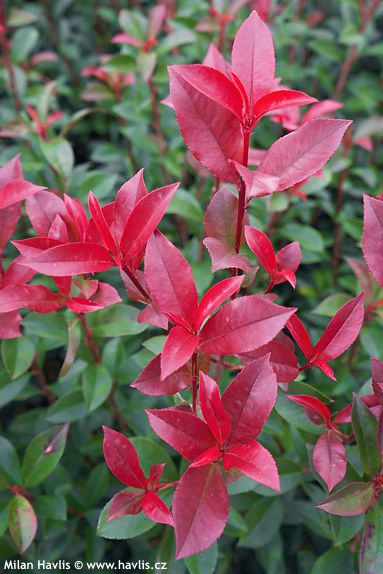
From the very moment CARRÉ ROUGE photinia hit the market, it became an overnight sensation. It originates from the hugely successful ‘Red Robin’, but offers a far more compact and denser habit, with smaller leaves that look elegant and completely smother the plant’s coat, turning the photinia into a ...
height 30-40 cm
399 Kč
height 40-60 cm
550 Kč
height 40-60 cm, width 30-50 cm
865 Kč
added:
4.9.2026
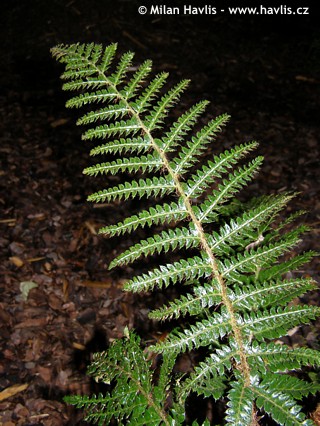
Japanese holly fern is a glossy standout among evergreen ferns. It forms regular, dense clumps with a strong architectural presence. The fronds emerge from a short, robust rhizome in a characteristic shuttlecock‑like arrangement and reach approximately 60 to 80 cm in length. They are bipinnate ...
pot 1.5L
320 Kč
added:
4.9.2026
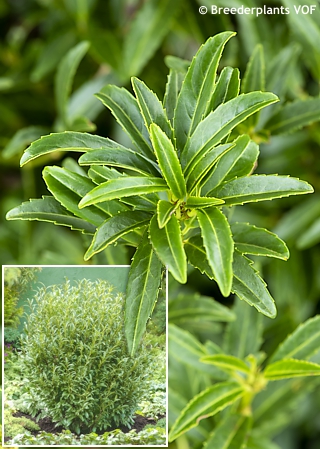
SOFIA is a Hungarian cherry laurel variety from 2020 and an attractive addition to the family of new and hardy varieties from Hungarian breeders. It was granted an EU patent 53851 in 2020, and a year before it won Gold Medal at a prestigious fair of novelties Plantarium 2019.
SOFIA is a dwarf ...
height 40-60 cm
460 Kč
height 30-40 cm, width 25-35 cm
590 Kč
height 30-40 cm, width 25-35 cm
590 Kč
added:
4.9.2026
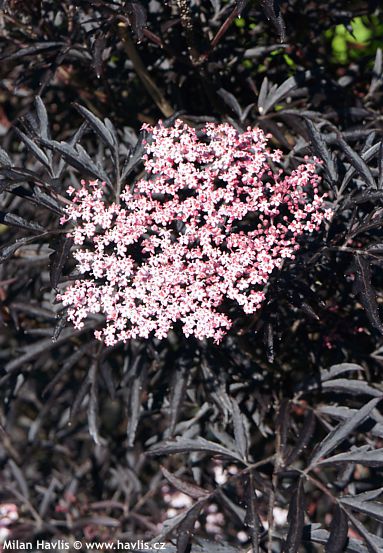
BLACK LACE elderberry blooms from May to June with abundant, almost flat panicles composed of tiny, fragrant, five-petaled flowers. They are pale pink to white and open from smoky purple buds, which intensifies the flowering colour. It blooms profusely. By the end of summer, it produces a ...
pot 2L
359 Kč
pot 2L
359 Kč
pot 5L
480 Kč
added:
4.9.2026
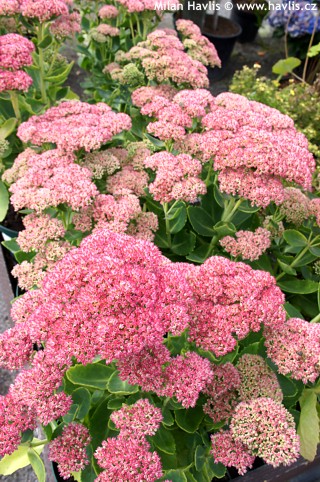
Autumn Joy is a much easier name to pronounce than its German original Herbstferude. This orpine has large, oval, light green, thick leaves. In late August it produces almost flat cymes of deep pink flowers. They continue blooming until mid autumn and even after flowering they remain attractive bri ...
pot 2L
285 Kč
added:
4.9.2026
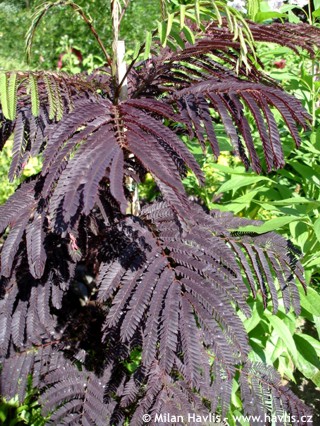
A spectacular new variety of silk tree comes from Japan and is called Summer Chocolate®. It was discovered in 1990 as a seedling in a controlled planting of Albizia julibrissin in 1990. It was patented in the USA under PP 13,822 in 2003. It is considered a rarity for lovers of exotic-looking pl ...
height of stem 200-210 cm, crown width 60-70 cm
3850 Kč
height 175-200 cm
3990 Kč
height 175-200 cm
7990 Kč
added:
4.9.2026
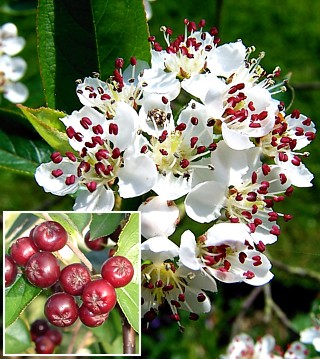
Brilliant is one of the latest varieties of purple chokeberry which is a hybrid between red and black chokeberry. So far you can find it listed under three names: a.melanocarpa, a.arbutifolia, and a. x prunifolia which is probably the most correct name. It is cultivated for several reasons, and the ...
height 60-80 cm
550 Kč
height 60-80 cm
550 Kč
added:
4.9.2026
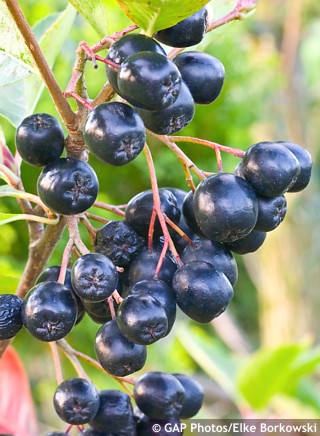
Nero is a Slovak variety of purple chokeberry with large fruit and leaves purple tinged on the reverse. The lustrous fruits are black, about twice as big as black currant berries, and are rich in vitamin C and other important microelements such as ferrum and iodine. They can be eaten fresh, in fruit ...
height 60-80 cm
595 Kč
height 60-80 cm
595 Kč
added:
4.9.2026
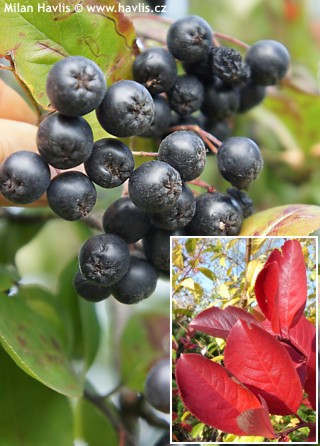
Recently, less known fruit trees and shrubs are becoming more and more popular mainly thanks to their original taste as well as positive impact on our health. Chokeberry is one of them. It is in the same rosaceae family as the service tree and its fruit is similar, too. The lustrous fruits are black ...
height of stem 160 cm
2320 Kč
added:
4.9.2026
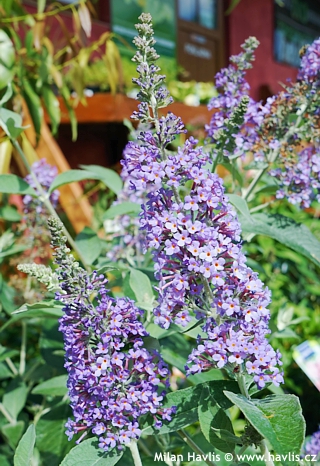
Lochinch is a hybrid butterfly bush which originated as a natural mutation in the gardens of the Lochinch Castle in Scotland around 1940. It is possibly a hybrid between the most utilized b.davidii and its Chinese relative, more tender sister b.fallowiana.
Lochinch buddleja produces about 25 cm l ...
height 40-80 cm
1320 Kč
height 40-80 cm
1320 Kč
added:
4.9.2026
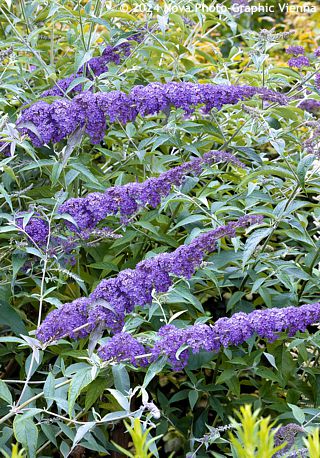
Nanho Blue is one of three varieties of butterfly bush from the small Nanho series, which also includes the varieties Nanho Purple and Nanho White. It bears lavender-violet flowers and can be easily distinguished from other varieties by its significantly narrower leaves, giving it an airy appearance ...
pot 6.5L
520 Kč
added:
4.9.2026
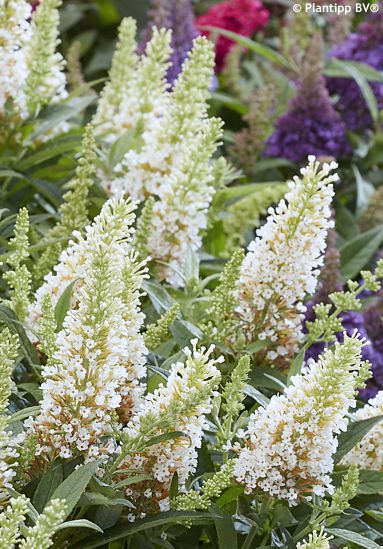
Almost every series of flowering plants includes a white version, and the same is true here, within the BUTTERFLY CANDY™ butterfly bush series, where it carries the simple name LITTLE WHITE. This dwarf buddleja forms dense, well‑branched shrubs with smaller, broadly pyramidal flower clusters o ...
pot 3L
665 Kč
pot 3L
665 Kč
pot 5L
795 Kč
added:
4.9.2026
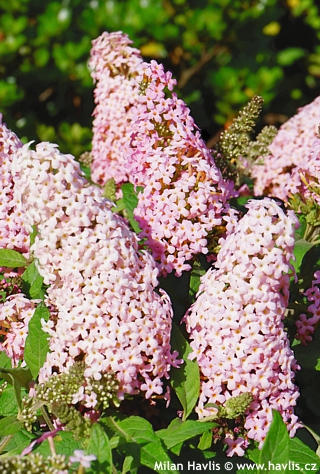
BUTTERFLY CANDY™ LITTLE PINK is a dwarf and compact buddleja producing enchanting soft pink flowers. The inflorescence is conical, slim, 10-12 cm long, and composed of small, funnel-shaped flowers. They are moderately, sweetly fragrant and bloom from late June until late September. Deciduous leaves ...
pot 2L
475 Kč
pot 3L
660 Kč
pot 3L
660 Kč
added:
4.9.2026
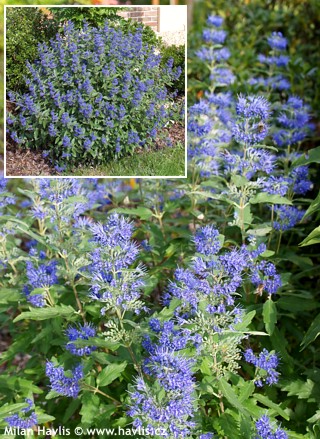
Blue Balloon bluebeard stands out at first glance. Perfectly round, almost improbably so. It is a deciduous, compact shrub with an almost spherical habit that lights up in late summer with deep blue flowers opening gradually from the bottom upwards, creating the impression of a slow rising wave ...
pot 5L
680 Kč
pot 5L
680 Kč
added:
4.9.2026
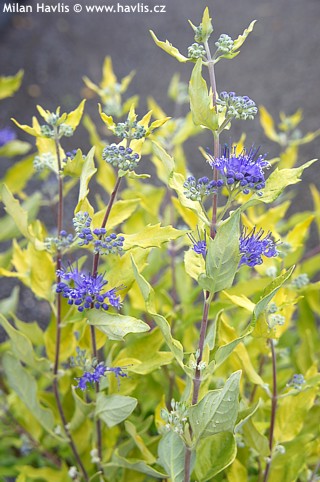
Worcester Gold is another variety of bluebeard. This one has bright yellow-green leaves. They are narrow, aromatic and silvery-green beneath. Flowers are formed in small panicles and their deep blue colour looks like sky before a storm. They attract butterflies and bumble-bees.
The flow ...
pot 5L
420 Kč
added:
4.9.2026
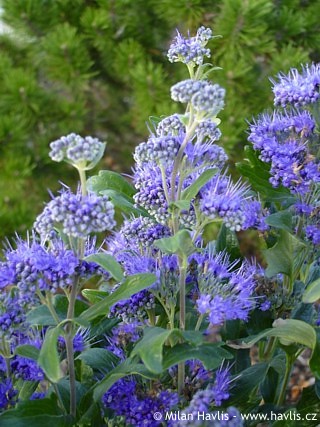
Bravo to French cultivators who come up with this new variety of bluebeard! Want to hear why we are so excited about it? Grand Bleu® is compared to its parent this one has deep green, larger leaves with silvery underneath; deeper blue and more numerous flowers; its flowering period is rath ...
pot 2.5L
359 Kč
pot 2.5L
359 Kč
added:
4.9.2026
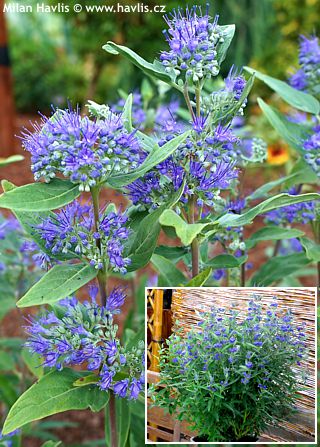
STEINTHE bluebeard boasts compact and strictly upright growth without arching side branches. In late summer it produces a profusion of dark violet-blue flowers. They are composed in cymes and are always occupied by bumble bees, butterflies and similar insects. They keep on blooming until mid autumn ...
pot 2L
430 Kč
pot 2L
430 Kč
added:
4.9.2026
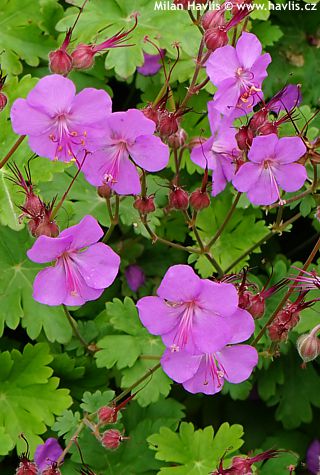
Karmina cranesbill forms low, dense, and reliable clumps that spread steadily to create ground-covering cushions about 20–30 cm tall. In late spring and early summer, masses of rosy-lilac flowers rise on slender stems above the lush green foliage, lighting up the plant. Each flower has five broa ...
pot 1.5L
175 Kč
added:
4.9.2026
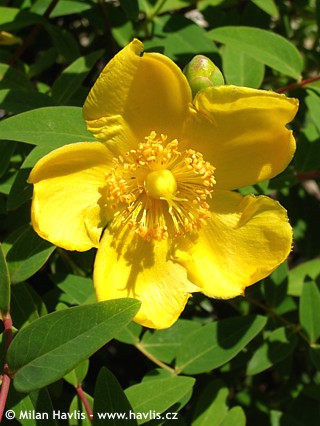
St. John’s Wort belongs to the group of folk remedy herbs. This variety called Hidcote is grown for its large, showy flowers. They are deep yellow, 6 cm across, with 5 petals. Blooming period is quite long: the main flowering season is June to early July, and then it repeats flowering at the e ...
pot 5L
440 Kč
pot 5L
470 Kč
pot 4.5L
540 Kč
added:
4.9.2026
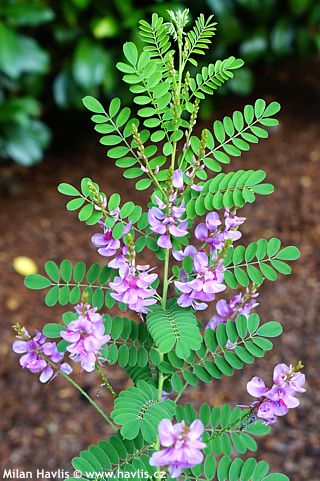
Western Himalayan indigo is a deciduous shrub native to the western Himalayas, where it grows on dry slopes and in open forests with full-day sunlight at elevations of 1500–3000 meters. It was first described in detail by Dietrich Brandis in 1874 in his botanical work Forest Flora of North-West and ...
pot 5L
630 Kč
pot 5L
630 Kč
added:
4.9.2026
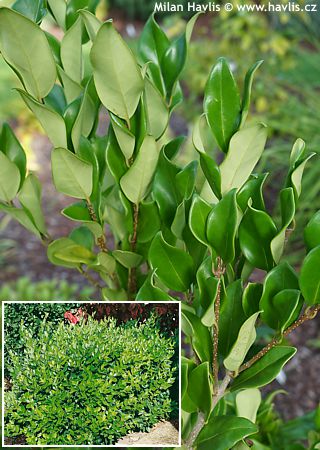
Texanum is a distinctive and easily recognisable cultivar of Japanese privet, notable at first glance for its gently undulating leaves and a fuller, more relaxed habit that is untypical for the species. The leaves are evergreen, leathery, narrowly ovate, usually 4–6 cm long, fresh green and striking ...
height 40-60 cm
399 Kč
height 50-70 cm
520 Kč
height 50-70 cm
520 Kč
added:
4.9.2026
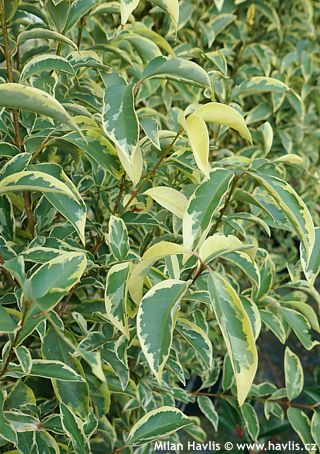
Excelsum Superbum is a highly attractive, variegated form of glossy privet. It makes large, up to 15 cm long and 6 cm wide, ovate to oval, pale dark green leaves abundantly variegated butter yellow, often extended to the midribs. Directly contradicting its botanical name they are NOT glossy, they ar ...
height 60-80 cm
550 Kč
height 80-100 cm
680 Kč
height 100-125 cm, width 30-40 cm
995 Kč
added:
4.9.2026
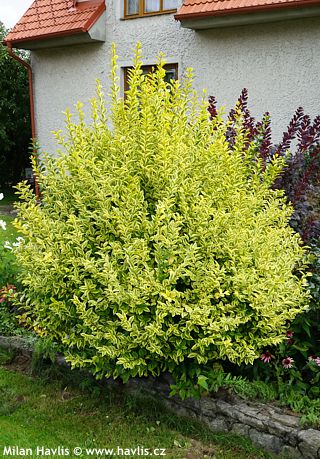
Privet is the number one popular hedging plant. Golden privet obviously brings extra features: it is evergreen or semi-evergreen, multicoloured and has larger leaves. They are glossy, ovate, 2-3 times bigger than the species (up to 6 cm long), bright golden-yellow margined at the edges grading to de ...
height 80-100 cm
560 Kč
height 80-100 cm
940 Kč
height 80-100 cm, width 30-40 cm
1140 Kč
added:
4.9.2026
