










CURRENTLY IN STOCK:
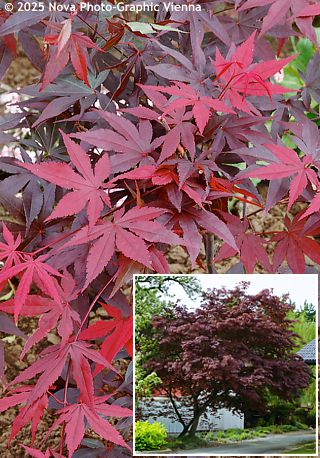
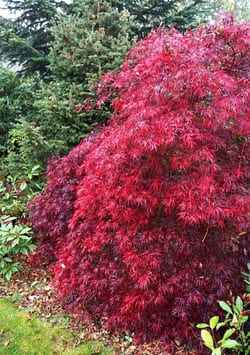
Red maple is one of the most spectacular big-sized trees suitable for large gardens, parks or city avenues. October Glory is a variety cultivated for its smaller size and fantastic autumn foliage colour. It has mid-sized leaves that are glossy and green in summer, changing to orange and red in early ...

9 - 13m

4 - 6m

full to partial sun

5 (down to -29°C)

for zone 5+6

for zone 7
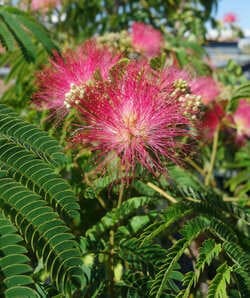
Mimosaceae plants are common and popular mainly in southern Europe for their high tolerance to drought as well as attractive and long lasting flowering. Even though they come from subtropical parts of the world there is one species hardy enough to be grown in our climate - silk tree.
Silk tree come ...

VII - IX

3 - 5m

3 - 6m

full sun

6 (down to -23°C)

for zone 5+6

for zone 7
Ambassador is a hybrid variety of large flowered ornamental onion. It makes up to 15 cm across flowers heads composed of numerous small, sterile, striking rich purple violet flowers from end May until early July. The inflorescences are very dense and similar to a.giganteum species, only flowering a ...

VI

1 - 1,3m

0,2 - 0,2m

full sun

4 (down to -34°C)

for zone 5+6

for zone 7
Gladiator is a hybrid variety of large flowered ornamental onion. It makes up to 15 cm across flowers heads composed of numerous star-shaped, rich violet flowers from early June until early July. They appear atop strong and sturdy stems that grow about 90 cm tall. Strap-shaped, basal leaves are ligh ...

VI

0,8 - 1m

0,2 - 0,2m

full sun

4 (down to -34°C)

for zone 5+6

for zone 7
Globemaster allium produces possibly the largest flower heads among all ornamental onions registered so far. They are commonly 18-20 cm across, and under ideal growing conditions with plenty of fertilizing they can reach up to 28 cm. The flower heads are composed of numerous star-shaped, lilac viole ...

VI - VII

0,6 - 0,8m

0,2 - 0,3m

full sun

4 (down to -34°C)

for zone 5+6

for zone 7
Ostara is a unique variety of ornamental onion. It is an interspecific hybrid between the low-growing species a. karataviense and purple-flowered species a. atropurpureum. The result is a beautiful variety with large, broad leaves and stems that are shorter than usual: only some 30-40 cm high. They ...

VI - VII

0,3 - 0,4m

0,2 - 0,3m

full sun

4 (down to -34°C)

for zone 5+6

for zone 7
Pinball Wizard is a hybrid variety of ornamental onion, a cross between a.macleanii and a.cristophii. It produces extremely large globes of star-shaped, violet flowers from late May until late June. The inflorescence is up to 20 cm across, and strong stems reach only about 50-60 cm. Strap-shaped, b ...

V - VI

0,5 - 0,6m

0,2 - 0,2m

full sun

5 (down to -29°C)

for zone 5+6

for zone 7
Ornamental onions, too, have their white sheep in the herd. This beauty is called Mount Everest and is a large flowered variety of Persian onion from Central Asia. It makes 12-14 cm across flower heads composed of numerous star-shaped, pure white flowers with beige stamens in June for about 3 weeks. ...

VI

0,6 - 0,8m

0,2 - 0,2m

full sun

3 (down to -40°C)

for zone 5+6

for zone 7
Saskatoon is a native Canadian species of juneberry. It is cultivated for very tasty and juicy fruit which are deep purple to blue-purple berries similar to blueberries. They are formed in short clusters and best picked when fully ripe = when it turns the deepest colour. It can be used in any way yo ...

IV - IV

1 - 3m

1 - 1,5m

full sun

1 (down to -46°C)

for zone 5+6

for zone 7
Juneberry is a large shrub cultivated mostly for its delicious and healthy fruit. It is a large deciduous shrub or a small tree.
Flowers are star-shaped, white and scented and appear in mid spring. Oval leaves are up to 8 cm long, emerge bronze and mature to green colour, turning scarlet red or dee ...

IV - V

2 - 6m

2 - 5m

full sun

4 (down to -34°C)

for zone 5+6

for zone 7
Robusta Gheri is a sought‑after selection of the monkey puzzle tree, combining greater strength with enhanced cold tolerance. Its branches are thicker, carry denser foliage and give the whole plant a more compact, muscular look, as if the tree had a little more power stored inside. The leaves ...

6 - 20m

6 - 10m

full sun

6 (down to -23°C)

for zone 5+6

for zone 7
Compacta is a strawberry tree selection found many years ago as a seedling of the species. It boasts a neat and well-behaved habit, dense branching, and improved hardiness. Its evergreen leaves are narrowly obovate, 5-7 cm long, finely serrated at margins, they emerge bronze red and remain soft gree ...

IX - V

1,5 - 3m

1 - 2m

full to partial sun

6 (down to -23°C)

for zone 5+6

for zone 7
Rubra is a common name for all forms of strawberry tree with red flowers. Only those plants which also boast other distinct features were selected and registered as individual varieties. It makes evergreen, narrowly oval to obovate, 6-10 cm long, leathery leaves with serrated margins, more conspicuo ...

X - V

2 - 4m

2 - 4m

full to partial sun

6b (down to -21°C)

for zone 5+6

for zone 7
Quercifolia is a rare, collector’s selection of strawberry tree that differs from the species in both leaf shape and growth habit. The epithet Quercifolia is common in botanical usage and means “oak‑leaved”; also here it refers to the unusual leaf form, which bears several shallow notches towa ...

XI - XII

1,5 - 4m

1,5 - 4m

full sun

6 (down to -23°C)

for zone 5+6

for zone 7
PEACE AND LOVE is a French cultivar of strawberry tree, selected by François Leverge in 2008 at his nursery Pépinière Le Verge in Brittany. The cultivar is protected under European law CPVO EU 69807 with the breeder’s name ‘Levap’ (2025). The trade name PEACE AND LOVE evokes harmony and positiv ...

X - XI

1,5 - 2m

1 - 1,5m

full to partial sun

6 (down to -23°C)

for zone 5+6

for zone 7
Rotundifolia is a rare form of strawberry tree with foliage that is way different. Unlike the species of arbutus unedo with lance-shaped leaves, Rotundifolia has short, oval to rounded leaves without a conspicuous tip. They are evergreen, leathery, irregularly notched along the entire margins, about ...

IX - XI

2 - 4m

2 - 4m

full to partial sun

6 (down to -23°C)

for zone 5+6

for zone 7
This evergreen shrub of Japanese aucuba is a commonly known favourite especially in Britain and in milder parts of humid regions of Germany and Benelux. The first specimen was brought from Japan to Europe in 1783, and has been sought after ever since for its beautifully varigated/golden-spotted leav ...

1 - 1,5m

1 - 1,5m

semi-shade to shade

6 (down to -23°C)

for zone 5+6

for zone 7
Arabesk is an attractive variety of Japanese azalea with large, deep red flowers. They come out in profusion from mid until end May. The evergreen foliage is dark green, with some burgundy red shades in autumn and winter, changing back to green before it starts flowering. This azalea grows slowly, m ...

V - V

0,4 - 0,8m

0,4 - 1m

semi-shade / partial sun

6 (down to -23°C)

for zone 5+6

for zone 7
Girard’s Fuchsia is an eye-catching Japanese azalea with vivid magenta-pink flowers. They appear quite large – 4-4,5 cm on the background of small leaves. The evergreen foliage is mid green, turning deep burgundy red in autumn and winter, changing back to green with warm days of spring. This azalea ...

V - VI

0,4 - 1m

0,4 - 1,3m

full to partial sun

6 (down to -23°C)

for zone 5+6

for zone 7
Hachmann's Rokoko is another beauty from the collection of dwarf or low growing Japanese azaleas bred by German rhodo/azalea guru Hans Hachmann. It produces medium large, about 5 cm across, semi-double flowers of rich pink colour. They open from mid May until early June on the background of small, ...

V - VI

0,3 - 0,5m

0,8 - 1,3m

semi-shade / partial sun

5b (down to -27°C)

for zone 5+6

for zone 7
Johanna is extremely popular for its deep red flowers anddark leaves. It flowers so abundantly that leaves almost disappear under the cloud of flowers. It is a slow grower forming a nice, mounding, compact shrub.
Small, ovate to rounded leaves are mid green as they emerge, turning deep burgu ...

IV - V

0,3 - 0,8m

semi-shade to shade

5 (down to -29°C)

for zone 5+6

for zone 7
Purple Splendor is an old favourite with medium-sized, bright purple flowers with burgundy blotching and wavy margins of the petals. It belongs to the Gable hybrid group which means that its flowers appear later than on other Japanese azaleas – from end May until early June. It grows moderately ...

V - VI

0,5 - 0,8m

0,5 - 1,5m

full sun to shade

5 (down to -29°C)

for zone 5+6

for zone 7
Schneeperle® is a gorgeous, pure white Japanese azalea from Hans Hachmann. Its double flowers are snow white and abundant. Individual flowers are abou 4-5 cm wide and come out from mid May until early June. It grows slowly, 10-year old plant is about 35 cm high and 55 cm wide.
Leav ...

V - VI

0,3 - 0,5m

0,5 - 1,3m

semi-shade / partial sun

5 (down to -29°C)

for zone 5+6

for zone 7
Silvester is a Kurume hybrid of Japanese azalea. It has small, pale purple-pink fowers. These hybrids are renowned for their hardines and soil adaptibility. It flowers early, from end April until mid May. Slow grower, mound-forming.
Leaves are mid to dark green, ovate, only about 2-3 cm long. In ...

IV - V

0,3 - 0,6m

0,3 - 1m

semi-shade / partial sun

5 (down to -29°C)

for zone 5+6

for zone 7
When Carolina azalea comes into bloom, it is as if the shrub has dressed itself in a ceremonial kimono – large, widely opened flowers with a rosy to salmon pink center, white edging, and purple speckling resemble painted plates overlapping in the tiered structure of the plant. Its habit is dense but ...

V - VI

0,5 - 1,5m

0,5 - 1,5m

semi-shade / partial sun

5b (down to -27°C)

for zone 5+6

for zone 7
Haru-no-sono is a hybrid Satsuki azalea, a sport of
, a beautiful, large-flowered chameleon. The flowers are a combination of white and various portions of pink and purple. Even the dots in the throat vary from yellow green to purple red. You never know how many pink, white, and pinky-white flowers ...

V - VII

0,2 - 0,4m

0,8 - 1,3m

full to partial sun

6b (down to -21°C)

for zone 5+6

for zone 7
Nuccio’s Lucky Charm is another fascinating Satsuki azalea. This hybrid bears medium-large flowers of dusky pink colour. The first buds begin to open on the first hot days of June (usually mid of the month) and continue blooming for as long as 4 weeks. It was bread by Nuccio Nursery of Souther ...

VI - VII

0,4 - 0,6m

0,4 - 1,3m

full to partial sun

6b (down to -21°C)

for zone 5+6

for zone 7
Nuccio’s Wild Cherry is one of those great Satsuki azaleas with large flowers. They are cherry red with a light burgundy red blotch. It was bread by Nuccio Nursery of Southern California wich is a leading nursery for Satsuki azaleas and camellias. The flowers appear from early June and continu ...

VI - VI

0,5 - 0,6m

0,5 - 1m

full to partial sun

6b (down to -21°C)

for zone 5+6

for zone 7
Orchidea Empress is a gorgeous name for a gorgeous azalea. It is another of late flowering hybrids, this time with bright pink, hose-in-hose flowers that appear from about mid June for 3-4 weeks. It is never the whole shrub blooming, individual buds burst out continuously one by one. It is not only ...

VI - VII

0,5 - 1m

0,5 - 1,3m

semi-shade / partial sun

6b (down to -21°C)

for zone 5+6

for zone 7
Perla del Verbano is a sensational new variety of evergreen hybrid azalea that originated in Northern Italy. It bears profusion of bright pink, double = hose in hose flowers from end June until late July. They appear continuously so you can enjoy them for as long as a month under ideal conditions. P ...

VI - VII

0,5 - 0,8m

0,5 - 1,5m

full to partial sun

6b (down to -21°C)

for zone 5+6

for zone 7
Royal Pink is a great name for a great plant. This Japanese azalea offers very large, double flowers of clear pink colour. They are 8-9 cm across and come out from mid May until early June. In late May the shrub is literally flooded by the profusion of flowers that almost completely cover the foliag ...

V - VI

0,5 - 1m

0,5 - 1,5m

semi-shade to shade

6 (down to -23°C)

for zone 5+6

for zone 7
Shoka (sometimes also misspelled as Sogha) is a hybrid Satsuki azaleawith large flowers. They are predominantly white with bright purple pink blotch, or they can come out lilac-pink with the same blotch, or they can be either colour with a stripe of the other colour. Quite picky this azalea, isnR ...

V - VII

0,3 - 0,6m

0,5 - 1,3m

full to partial sun

6b (down to -21°C)

for zone 5+6

for zone 7
If you are fond of summer-flowering hybrid azaleas then this variety can easily become a jewel in your garden. Its name is Summer Sun and it is another Satsuki azalea. Soft red flowers look very attractive on the background of deep green foliage. They open in late June or early July and continue blo ...

VII - VII

0,4 - 0,6m

0,4 - 1,3m

full to partial sun

6b (down to -21°C)

for zone 5+6

for zone 7
Verbania is a medium late hybrid azalea named after a spa town from North Italy, close to a nursery where it originated. It makes medium large, hose in hose, creamy white flowers with a very elegant, thin, salmon pink margin. They appear from about mid May for almost 3 weeks manifesting the advantag ...

V - VI

0,5 - 1m

0,5 - 1m

semi-shade / partial sun

6 (down to -23°C)

for zone 5+6

for zone 7
Culinary herbs have been an important item of almost every garden. Depending on who likes what you can find marjoram, rosemary, thyme or at least parsley in most European gardens. These plants usually come from warmer zones and therefore like plenty of sun and well-drained soil.
We offer individua ...

0,2 - 0,6m

0,2 - 0,6m

full sun

for zone 5+6

for zone 7
Ashton’s Ballet is an autumn flowering camellia from the Ashton series bred by dr. Ackerman and introduced in 1996. It is a cross between a very hardy species camellia oleifera and Shikishima variety (c. hiemalis). It produces utterly pretty, tutu-like, soft pink, semi-double to fully ...

XI - I

2 - 3m

1 - 2m

semi-shade to shade

6 (down to -23°C)

for zone 5+6

for zone 7
Ashton’s Pride is an autumn flowering camellia from the Ashton series bred by dr. Ackerman. It is a cross between a very hardy species camellia oleifera (cv. Plain Jane) and camellia sasanqua (cv. Santozaki). It produces medium large, 6-8 cm wide, soft pink, single flowers with yellow ...

IX - XI

1,5 - 2,5m

1,5 - 2,5m

semi-shade to shade

6b (down to -21°C)

for zone 5+6

for zone 7
Black Lace is an older and proved variety of hardy camellia, in fact one of the best reds available. Its is a hybrid of c.reticulata and c.williamsii and has so far withstood -20°C. Its fully double, dahlia-like flowers are rich red, and bloom from early April for 6 to 8 weeks if the plant ...

IV - V

1,5 - 3m

1,5 - 2,5m

semi-shade to shade

6 (down to -23°C)

for zone 5+6

for zone 7
Ice Follies is a spring flowering hardy camellia from dr. Ackerman that first flowered in 1984 and was registered in 1992. It is a cross between c. x williamsii ‚November Pink‘ and c. oleifera. It produces large, 10-12 cm across, semi-double flowers. They are soft pink with a bit darker pink veins. ...

IV - V

2 - 3m

1,3 - 1,5m

semi-shade to shade

6 (down to -23°C)

for zone 5+6

for zone 7
Pink Icicle is a showy, large-flowered hybrid camellia bred by dr. Ackermann from the United States National Arboretum. Its semi-double, soft pink flowers are 11 cm across, and open in April for 6-8 weeks. Leaves are evergreen, obovate, gently serrated at margins, deep green, and glossy. It grows fa ...

IV - V

1,8 - 2,5m

1,3 - 1,8m

semi-shade to shade

6b (down to -21°C)

for zone 5+6

for zone 7
Spring Festival is a fascinating hardy camellia cultivar that we have come to appreciate above all for its reliability. It elevates any evergreen planting scheme without requiring constant concern about frost hardiness. This is a spring‑flowering variety that produces an abundan ...

IV - V

1,5 - 3m

1 - 1,5m

semi-shade to shade

6 (down to -23°C)

for zone 5+6

for zone 7
Spring Frill is a spring flowering hardy camellia from dr. Ackerman that first flowered in 1985 and was registered in 1992. It is a cross between c. oleifera ‚Plain Jane‘ and c. vernalis ‚Egao‘. It produces large, 10-12 cm across, rose-like, double flowers with 34 frilled, rose-pink p ...

IV - V

2 - 3m

1,3 - 1,5m

semi-shade to shade

6 (down to -23°C)

for zone 5+6

for zone 7
Winter’s Snowman is an aptly chosen name for this profusely flowering autumn camellia from the Winter series bred by dr. Ackerman. It produces semi-double, white flowers with yellow stamens in the centre from late October for 4-6 weeks.
Leaves are evergreen, elongated to broadly elliptic, gently ...

X - XII

1,5 - 2,5m

1 - 1,5m

semi-shade to shade

6b (down to -21°C)

for zone 5+6

for zone 7
Winter’s Star is an autumn flowering camellia from the Winter series bred by dr.Ackerman in 1988. It produces stunning, large, single flowers of pure pink colour. The colour is darker as the flowers emerge, and gets paler as they mature. They have a pale, spicy fragrance, an ...

IX - XI

1,5 - 1,8m

1,5 - 2m

semi-shade to shade

6 (down to -23°C)

for zone 5+6

for zone 7
Winter’s Sunset is an autumn flowering camellia from the Winter series bred by dr. Ackerman. It is one of the very rare varieties with variegated foliage. It produces small, bright pink, single, non-fragrant flowers with numerous yellow stamens in the centre from late October for 4-6 ...

X - XI

1,5 - 2,5m

1,5 - 2m

semi-shade to shade

6b (down to -21°C)

for zone 5+6

for zone 7
Winter’s Waterlily is another hardy camellia bred by Dr Ackerman. It produces small to medium‑sized, semi‑double to anemone‑type flowers with a rich layer of inner petaloids, which resemble delicate, snow‑white to creamy white “waterlilies” floating on the surface; individual ...

XI - I

2 - 3m

1 - 2m

semi-shade to shade

6 (down to -23°C)

for zone 5+6

for zone 7
The origin of winter camellia - Camellia hiemalis is unknown, however, rather than a separate species it is believed to be a natural hybrid between spring flowering c.japonica and autumn flowering c.sasanqua. It has been crossed, selected, and propagated for such a long time that ...

XI - V

2 - 3m

1,5 - 2m

semi-shade to shade

6b (down to -21°C)

for zone 5+6

for zone 7
Showa-no-sakae is a winter camellia variety which is often classified as Camellia sasanqua. Its pretty flowers are small to mid-sized (6-8 cm), peony-like, semi-double to fully double, medium to deep pink. It begins to bloom according to the maturity of the buds and the weather conditions, usually f ...

I - XII

2 - 3m

1,5 - 2m

semi-shade to shade

6b (down to -21°C)

for zone 5+6

for zone 7
Adeyaka means Fascinating in Japanese, and the name was aptly chosen for this special Japanese camellia. It produces uniquely bell-shaped (but not nodding) flowers, 6-8 cm across when fully open, revealing multiple yellow stamens in the centre. The colour is rich velvet red, and flowers ap ...

III - V

1,5 - 3m

1,5 - 2m

semi-shade to shade

6 (down to -23°C)

for zone 5+6

for zone 7
Alba Simplex is a spring flowering hardy camellia whose origin, despite the availability of multiple historical sources, is rather uncertain. One source claims that it comes from China but does not support it with any further details. Another source says it comes from Germany, registe ...

III - IV

2 - 3m

1,5 - 2m

semi-shade to shade

6 (down to -23°C)

for zone 5+6

for zone 7
Fire and Ice, or Fire’n’Ice is a rock’n’roll among hardy Japanese camellias, and possibly the largest flowering double, red, hardy camellia so far. Its flowers are 9-10 cm across, semi-double or fully double with shorter sepals, rich red with yellow stamens in the centre. Flowers appear from ve ...

III - IV

1,5 - 3m

1,5 - 2m

semi-shade to shade

6 (down to -23°C)

for zone 5+6

for zone 7
Kimberley is another old Japanese camellia variety from early 20th century, and awarded AGM by RHS in 1934. It produces beautiful, cup-shaped, rich scarlet red blossoms with a crown of yellow stamens. Flowering begins in April and continues for 6-8 weeks. Leaves are evergreen, narrowl ...

IV - V

2,5 - 3,5m

1,3 - 1,5m

semi-shade to shade

6b (down to -21°C)

for zone 5+6

for zone 7
Hagoromo is a very old Japanese camellia variety from Japan from 17th century. After its introduction to Italy in 1886 it was renamed to Magnoliaeflora because of the similarity to star- or lotus-shaped magnolia flowers. They are semi-double, hose-in-house type, creamy white ...

III - V

1,3 - 1,5m

0,8 - 1,3m

semi-shade to shade

6b (down to -21°C)

for zone 5+6

for zone 7
Nana variety is a lot different to the species. It can be found under its second Latin name catalpa bungei. It is a small tree that can be considered dwarf as opposed to its parent. It was bred to achieve an attractive tree with exceptional foliage but of reduced size to fit even a small garden or a ...

2 - 3,5m

2 - 4m

full sun

5 (down to -29°C)

for zone 5+6

for zone 7
If you like cedars or perhaps if you are a collector or just an enthusiast don’t miss this one. It is a beautiful example of a form that is rarely seen in private gardens or arboretums.
Fastigiata is an attractive form of Atlas cedar with strictly narrow, columnar habit. Its evergreen, short need ...

4 - 8m

1 - 2m

full sun

6 (down to -23°C)

for zone 5+6

for zone 7
Fastigiata Glauca is a blue green or silvery blue version of an attractive form of Atlas cedar Fastigiata with strictly narrow, columnar habit. Its lateral branches are short and densely cover the leader. If a branch goes mad and grows too long in the unwanted direction just clip it, any time of yea ...

4 - 8m

1 - 2m

full sun

6 (down to -23°C)

for zone 5+6

for zone 7
Glauca is a very popular blue‑tinged form of the Atlas cedar. It is not a single cultivar with completely uniform characteristics, but botanically a form – a group of individuals selected from the species, which, thanks to its chameleon‑like variability in needle colour, can display a wh ...

10 - 20m

10 - 15m

full sun

5 (down to -29°C)

for zone 5+6

for zone 7
Deodar – Himalayan cedar is the most graceful of all cedars. It has strictly pyramidal habit when young, spreading branching and weeping ends. Aurea is an extremely attractive variety with golden-yellow to yellow-green needles. They are evergreen, borne in whorls of 20-30. Female cones appear ...

3 - 5m

2 - 4m

full sun

5b (down to -27°C)

for zone 5+6

for zone 7
Feelin‘ Blue is a striking Dutch introduction of Himalayan cedar, which in fact turned out to be one of the most reliable cedars we ever had. Formerly a ground-covering plant is often staked up to a bamboo stick in order to form an appearance of a classic but much smaller cedar tree with pictu ...

0,2 - 3m

0,5 - 3m

full sun

5b (down to -27°C)

for zone 5+6

for zone 7
Golden Horizon is an interesting variety of Himalayan cedar with weeping branches. The needles are evergreen, yellow-green when young and in summer, turning blue-green as they mature and in the shade. The shape of the shrub is irregular, making horizontal branches with weeping ends.
It grows slowl ...

1 - 1,5m

1 - 3m

full sun

6b (down to -21°C)

for zone 5+6

for zone 7
Japanese plum yew is still an uncommon evergreen conifer which was first popularized by Earl of Harrington in early 19th century. It is hardy for almost the whole area of Central Europe except for the coldest mountainous regions, and can take diversity of soil types. It comes from Japan and Fastigia ...

1,5 - 3m

1 - 1,5m

full sun to shade

5b (down to -27°C)

for zone 5+6

for zone 7
Merlot redbud, just the French grapevine variety of the same name, has leaves of the deepest wine red colour. They are deciduous, heart-shaped, and glossy. Compared to Forest Pansy they are a little smaller (abt. 10x13 cm), the plant is not as vigorous, and exhibits a more compact and denser habit. ...

IV - V

2 - 3m

2 - 2,3m

full sun

for zone 5+6

for zone 7
Ruby Falls is undoubtedly one of the darkest coloured little trees that will grab your attention thanks to its dark burgundy red, typically heart-shaped, approximately 8x10 cm large leaves and a weeping habit. Its crown is quite compact and the branches may soon touch the ground unless pruned on reg ...

IV - V

1 - 2m

1 - 2m

full sun

6 (down to -23°C)

for zone 5+6

for zone 7
Golden Falls® eastern redbud from 2020 simply continues a successful line of these trees with attractive foliage.
It was developed by Werner by crossing the weeping ‘Lavender Twist’® with the golden-leaved ‘Hearts of Gold’. The result is an elegant tree with a narrow, cascading habit and radiant ...

IV - V

1,5 - 2,5m

1 - 1,5m

full sun

5 (down to -29°C)

for zone 5+6

for zone 7
CAROLINA SWEETHEART™ redbud is like fireworks glowing with several colours at once. This darling was developed in cooperation with the Star Roses and Plants Nursery by Thomas G. Ranney from North Carolina State University in the USA, who is also known in our country thanks to his of wonderful ...

IV - V

2 - 4m

2 - 4m

full to partial sun

5 (down to -29°C)

for zone 5+6

for zone 7
One of the most beautiful conifers of our climate is Japanese cedar. There are many species and varieties. Globosa Nana was first discovered in 1923 in Japan, where it is called Mitama-sugi.
It is a dense, compact conifer with rounded branches. The needles are curved, inward-pointing, bright gree ...

1 - 2m

1 - 2m

full to partial sun

5b (down to -27°C)

for zone 5+6

for zone 7
Following the success Little Champion variety, Little Diamond is another dwarf Japanese cedar variety with a spherical habit. It originated in the Netherlands in 1990, and its beauty inspired the growers to train it into a gorgeous little tree with a single trunk. Since Little Diamond grows slowly, ...

1 - 2m

0,5 - 1m

full to partial sun

5 (down to -29°C)

for zone 5+6

for zone 7
The cultivar Fastigiata Aurea of the Arizona cypress is a true delicacy among conifers. It likely originated as a horticultural selection in France during the second half of the 20th century, although precise details about its development are not documented in the literature. Unlike ‘Fastigiata’, it ...

3 - 6m

1 - 2m

full sun

6 (down to -23°C)

for zone 5+6

for zone 7
The cultivar Sulphurea of the Arizona cypress was bred in France in 1963 and stands out like a sunbeam among conifers – its young shoots shine with a bright yellow hue that gradually matures into a warm chartreuse tone but never fades completely. It grows upright, with looser branching than ‘Fastigi ...

3 - 6m

2 - 3m

full sun

5 (down to -29°C)

for zone 5+6

for zone 7
Now for the cultivar Totem. The name itself suggests a plant with the character of a sculpture – and that is exactly what it is. Totem is an extremely narrow, columnar cultivar of Tuscan cypress, like a green sword thrust into the ground. It grows slowly yet steadily, holding its shape like a soldie ...

4 - 8m

0,5 - 1m

full sun

7 (down to -18°C)

for zone 5+6

for zone 7
Summer Ice is a variegated form of hybrid daphne caucasica found by Bob Tichnor of Oregon State University’s North Willamette Research and Extension Centre in Oregon, USA. The source does not say whether the plant is a mutation of unnamed hybrids or an existing variety Jim’s Pride with green foliage ...

VI - IX

0,5 - 1m

0,5 - 1m

full sun

6 (down to -23°C)

for zone 5+6

for zone 7
ETERNAL FRAGRANCE™ is a compact and dense growing variety of a hybrid daphne with long flowering period. Its small flowers are tubular, almost white inside and pale lilac pink outside. They have a strong and sweet perfume and are produced in profusion from late May until early July, and then sporadi ...

VI - X

0,5 - 1m

0,5 - 1m

full sun

5b (down to -27°C)

for zone 5+6

for zone 7
PINK FRAGRANCE™, or also marketed under its complete name SPRING PINK ETERNAL FRAGRANCE™, is a sister variety which arose from breeding its predecessor – ETERNAL FRAGRANCE™ variety. Its is a compact and dense growing hybrid daphne with long flowering period. It makes small, t ...

VI - X

0,5 - 1m

0,5 - 1m

full sun

5b (down to -27°C)

for zone 5+6

for zone 7
DELICIOUS NOUGAT® coneflower is a sister variety of DELICIOUS CANDY® bred by Marco van Noort from the Netherlands in 2016. It produces dense, compact clumps of short stems atop which open double flowers from mid July until late summer. They are creamy white with yellow-green centres. Their ...

VII - IX

0,3 - 0,5m

0,3 - 0,5m

full sun

4 (down to -34°C)

for zone 5+6

for zone 7
Delicious Candy® is one of the most fantastic purple pink coneflowers bred so far. Its semi-double, fragrant flowers appear atop 30-50 cm tall stems from early July until late September. The flowers are attractive for butterflies, bumble bees, and also bees can find a way to suck some nectar fr ...

VII - IX

0,4 - 0,5m

0,3 - 0,5m

full sun

4 (down to -34°C)

for zone 5+6

for zone 7
Eccentric® Yellow coneflower is a unique yellow follow-up to a successful red flowering variety Eccentric®. It produces large blooms with crested top and one layer of ray florets of vivid yellow colour. Flowers are about 7-8 cm across, mildly scented, and appear atop thick and strong, up t ...

VII - IX

0,5 - 0,6m

0,3 - 0,5m

full sun

4 (down to -34°C)

for zone 5+6

for zone 7
Compacta is a recent selection of Evergreen (Ebbing's) silverthorn, very probably of Italian origin (not confirmed). Unlike its mother plant - the species of Ebbing's silverthorn - it makes a compact and well-behaved shrub without overgrown twigs in one season. In fact, this sport makes quite a hand ...

IX - X

2 - 3m

1,5 - 2m

full to partial sun

6 (down to -23°C)

for zone 5+6

for zone 7
Limelight is my personal favourite among evergreen silverthorns. It has ovate, up to 10 cm long, leathery but thin leaves that are bright yellow in the middle and deep green at margins. The area between the centres and margins is light, soft green so the overall effect is 3-coloured. Newly emerging ...

2 - 3m

1 - 2m

full to partial sun

6 (down to -23°C)

for zone 5+6

for zone 7
MARYLINE® is a trade name for a striking selection of evergreen silverthorn, found by Albert Breneliére in France. It is a very bushy, upright growing, evergreen shrub with irregularly variegated leaves. They are leathery, oval to ovate, partially undulated, and glossy. The centres are very pal ...

VIII - IX

1,5 - 2m

1 - 2m

full to partial sun

6 (down to -23°C)

for zone 5+6

for zone 7
Viveleg silverthorn is a bushy, upright growing, evergreen shrub with irregularly variegated leaves. They are leathery, oval to ovate, partially undulated, and glossy. The centres are dark green, the margins are rich yellow, and the borderline between these two colours is light green but is not pres ...

IX - X

2 - 3m

1 - 2m

full to partial sun

6 (down to -23°C)

for zone 5+6

for zone 7
Viveleg silverthorn is a bushy, upright growing, evergreen shrub or small tree with irregularly variegated leaves. They are leathery, oval to ovate, partially undulated, and glossy. The centres are dark green, the margins are rich yellow, and the borderline between these two colours is light green b ...

IX - X

2 - 4m

1 - 2m

full to partial sun

6 (down to -23°C)

for zone 5+6

for zone 7
Desert candle is a perfect name for this attractive perennial. Or foxtail lily is even funnier and tells the truth, too. This plant has sturdy stems that can grow up to 1.5m tall where half of the stem is decorated with small flowers of various colours.
Cleopatra is a hybrid between eremurus olgae ...

VI - VII

1,3 - 1,5m

0,3 - 0,4m

full sun

5 (down to -29°C)

for zone 5+6

for zone 7
Rumba is hot like a Latin-American dance on a hot night. This desert candle deep orange and beautiful. Its numerous star-shaped flowers form dense spikes and open from the bottom upwards. The plants look absolutely exquisite especially in mass plantings. Flowering begins in mid June and lasts until ...

VI - VII

1,3 - 1,5m

full sun

5 (down to -29°C)

for zone 5+6

for zone 7
Solid Yellow is a sought-after desert candle variety producing truly solid yellow flowers without any other hues. Its numerous star-shaped flowers form dense spikes and open from the bottom upwards. The plants look absolutely exquisite especially in mass plantings. Flowering begins in mid June and l ...

VI - VII

1,3 - 1,5m

full sun

5 (down to -29°C)

for zone 5+6

for zone 7
Tropical Dream is a dream of many lovers of exotic plants. This desert candle variety produces about 1.5m tall stems holding numerous star-shaped flowers. They emerge almost white with prominent orange stamens but as the spike opens more flowers upwards, they change colour to pale lemon yellow which ...

VI - VII

1,3 - 1,5m

full sun

5 (down to -29°C)

for zone 5+6

for zone 7
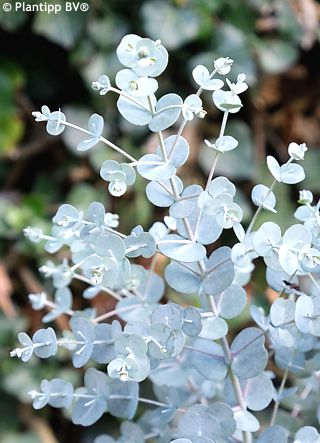
In 2006, a miracle occurred that at first looked rather ominous – in a French nursery, all seedlings of this botanical species froze except for a single plant, even though everyone was convinced of its suitability for the French climate. One eucalyptus, one pot, survived an unusually severe winter t ...

5 - 10m

2 - 4m

full to partial sun

6 (down to -23°C)

for zone 5+6

for zone 7
In 2006, a miracle occurred that at first looked rather ominous – in a French nursery, all seedlings of this botanical species froze except for a single plant, even though everyone was convinced of its suitability for the French climate. One eucalyptus, one pot, survived an unusually severe winter t ...

5 - 10m

2 - 4m

full to partial sun

6 (down to -23°C)

for zone 5+6

for zone 7
Microphyllus Aureovariegatus is a dwarf cultivar of Japanese spindle which is not only handsome but also much hardier compared to its larger-leaved relatives. Its leaves are small – about 2 cm long and half a centimetre wide – glossy, evergreen, and vividly coloured against a dark background. In the ...

0,5 - 0,8m

0,5 - 0,8m

full to partial sun

6 (down to -23°C)

for zone 5+6

for zone 7
Dawyckii varieties of common beech are very popular for their habit and leaf colours. Dawyck Purple has upright, columnar habit, its initial slow growth changes after a few years to medium-fast, never really fast. Spring leaves are striking purple, colour slightly deepens throughout the summer. Lack ...

10 - 15m

1 - 3m

full sun

4 (down to -34°C)

for zone 5+6

for zone 7
Another hardy fig that can grow and even fruit in our climate (zone 6) is called Bornholm’s Diamond (Bornholms Diamant). Its name and characteristics were derived from a Swedish variety called Bornholm bred on on island of the same name. This one is more tolerant of damp weather which makes it suita ...

1 - 2m

full sun

6b (down to -21°C)

for zone 5+6

for zone 7
Ice Crystal is a unique variety of fig tree which probably rose from spontaneous crossbreeding with ficus afghanistanica. It stands out for its beautiful, palmate, deeply lobed leaves whose margins are picturesquely carved with smaller lobes and notches, so with a little imagination you can get the ...

1 - 2m

1 - 2m

full sun

6 (down to -23°C)

for zone 5+6

for zone 7
Scarlet Tempest is a breathtaking avens variety from Scotland. It produces rich clumps of handsome foliage and sturdy stems with numerous, rich scarlet orange-red flowers already from April until early mid to late July, and then again in late summer. They are semi-double, large (3-5 cm across), and ...

IV - VII

0,3 - 0,5m

0,3 - 0,5m

full sun

5 (down to -29°C)

for zone 5+6

for zone 7
Burning Hearts is a rough oxeye variety with bright golden flowers. The ray florets are rich golden yellow with mahogany red-brown centers and are composed around small discs in one or two rows. The dramatic appearance of the plant is enhanced by the dark maroon tinge of dark green leaves and almost ...

VII - VIII

0,8 - 1,2m

0,3 - 0,5m

full sun

3 (down to -40°C)

for zone 5+6

for zone 7
Old Yella is a large-flowered hardy hibiscus from 1986. The flowers are creamy white, definitely not yellow as some manipulated internet photographs suggest, with a vibrant carmine red eye in the centre. They are huge, 23-25 cm across, and appear continuously from midsummer until the last sunny and ...

VIII - IX

0,8 - 1,3m

0,6 - 1m

full sun

5 (down to -29°C)

for zone 5+6

for zone 7
CAROUSEL® is an attractive series of several swamp mallow cultivars bred by Alain Tan of French Montauban. Pink Candy is one of its varieties and is truly as sweet as its name. The flowers are 16-18 cm across, with a deep crimson red eye in the centre producing purple pink rays running throughou ...

VIII - X

0,8 - 1m

0,5 - 1m

full sun

5b (down to -27°C)

for zone 5+6

for zone 7
CAROUSEL® is an attractive series of several swamp mallow cultivars bred by Alain Tan of French Montauban. Pink Passion makes 16-18 cm wide flowers of deep pastel pink colour. They come out from mid August until early autumn atop about 80 cm tall stems. Deciduous leaves are richer red than most ...

VIII - X

0,6 - 0,8m

0,5 - 1m

full sun

5b (down to -27°C)

for zone 5+6

for zone 7
CAROUSEL® is an attractive series of several swamp mallow cultivars bred by Alain Tan of French Montauban. Jolly Heart is a wide-eyed variety with 15-16 cm large, white flowers decorated with a Rose-of-Sharon-like, bright red eye in the centre and a few short rosy-pink rays. They come out from ...

VIII - X

0,6 - 0,8m

0,5 - 1m

full sun

5b (down to -27°C)

for zone 5+6

for zone 7
CAROUSEL® is an attractive series of several swamp mallow cultivars bred by Alain Tan of French Montauban. Red Wine makes 16-18 cm wide flowers of rich red colour. They come out from about mid August until early autumn atop strong stems 80-100 cm tall. Deciduous leaves are dark burgundy red to ...

VIII - X

0,8 - 1m

0,5 - 1m

full sun

5b (down to -27°C)

for zone 5+6

for zone 7
Cranberry Crush swamp mallow produces large, cup-shaped, rich cranberry red flowers from midsummer until early autumn. They are borne atop about one meter tall, strong, red stems, and each stem makes 14-20 flowers. Deciduous leaves are ovate to hart-shaped, dark green with wine red hues, same like t ...

VIII - IX

0,8 - 1m

0,8 - 1m

full sun

4 (down to -34°C)

for zone 5+6

for zone 7
Fantasia swamp mallow produces almost 20 cm large flowers of unique colour - it is somewhat old pastel pink with a tint of pale violet and lilac. Flowering begins in early August and lasts until early October. Deciduous leaves are maple-shaped with three wide lobes and conspicuous narrow tips. In au ...

VIII - X

1,3 - 1,8m

0,5 - 1m

full sun

4 (down to -34°C)

for zone 5+6

for zone 7
Swamp mallow and its hybrids have been sought after plants for the past few years now. They are perennials with sturdy stems that have large, tropically looking flowers. Fireball is a unique variety with large, about 15-25 cm across, clear red flowers from midsummer until early autumn. The leaves ar ...

VIII - IX

0,5 - 1m

0,5 - 1m

full sun

5 (down to -29°C)

for zone 5+6

for zone 7
Jazzberry Jam swamp mallow is a stunning variety with large flowers, up to 25 cm wide, of rich magenta pink colour and ruffled margins. They come out from mid August atop very strong, almost 1.5m tall stems that do not bend in rain. The plants produce multiples of them year after year forming a bush ...

VIII - X

1,3 - 1,5m

0,8 - 1,3m

full sun

4 (down to -34°C)

for zone 5+6

for zone 7
Swamp mallow and its hybrids have been sought after plants for the past few years now. They are perennials with sturdy stems that have large, tropically looking flowers. Kopper King is a variety with large, dinner-plate-size flowers that can be anything from 20 up to 30 cm across. They are pink and ...

VIII - IX

1 - 1,5m

0,5 - 1m

full sun

4 (down to -34°C)

for zone 5+6

for zone 7
...

VIII - X

0,8 - 1,2m

0,6 - 1m

full sun

4 (down to -34°C)

for zone 5+6

for zone 7
Robert Fleming is a rich red flowering hardy hibiscus with large, 22-24 cm across flowers from early August until early October. Leaves are green, deciduous, hydrangea-like broadly heart-shaped at the bottom of the plant, and as the plant begins to flower they change to 3-lobed with purple-red stalk ...

VIII - X

0,6 - 0,8m

0,6 - 1m

full sun

4 (down to -34°C)

for zone 5+6

for zone 7
Royal Gems (not to be mislead by Crown Jewels) is a stunning Swamp mallow variety with extremely large, rich purple pink flowers. Their size is at least 25 cm, but more often 27-28 cm across! Flowering begins early in the season, usually in early August. Deciduous leaves are irregularly heart-shaped ...

VIII - X

1 - 1,3m

0,5 - 1m

full sun

4 (down to -34°C)

for zone 5+6

for zone 7
Limelight® is a panicle type hydrangea, not a mop-head one with big leaves and large flowers heads. Well, how to explain then that this new variety has even bigger flowers? Never mind, let’s just call them XXL size. The panicles are upto 30 cm long, fat blossoms of greenish-white colour w ...

VIII - IX

1,5 - 2m

full to partial sun

4 (down to -34°C)

for zone 5+6

for zone 7
GROUNDBREAKER® is the world’s first series of groundcover panicle hydrangeas. The variety GROUNDBREAKER® BLUSH produces 15–20 cm tall panicles, composed of white‑pink blossoms whose pink shade intensifies towards late summer, yet remains rosy pink without turning red or magenta. The plants rea ...

VII - IX

0,3 - 0,4m

0,6 - 0,8m

full to partial sun

4 (down to -34°C)

for zone 5+6

for zone 7
Panicle hydrangea BOBO® is unique for its small and compact growth and incredible amount of flowers. This variety produces numerous panicles, 25-30 cm tall and about 15 cm wide, composed of sterile flowers that emerge creamy white with lime green shades in midsummer, and mature to pale pastel p ...

VII - IX

0,5 - 0,8m

0,5 - 1m

full to partial sun

3 (down to -40°C)

for zone 5+6

for zone 7
FRAISE MELBA® panicle hydrangea makes about 16 cm long and 12 cm wide panicles composed of mostly sterile (showy) flowers which emerge pale lime green and change to creamy white. However, earlier than others they turn glowing pink and purple pink as they mature during colder nights of late summ ...

VII - X

1,5 - 2m

1 - 1,5m

full to partial sun

4 (down to -34°C)

for zone 5+6

for zone 7
FRAMBOISINE® is another beautiful panicle hydrangea variety developed by French breeder Jean Renault. He is renowned for some of the finest varieties such as VANILLE FRAISE®, SUNDAE FRAISE®, FRAISE MELBA®, DIAMANTINO®, and DIAMANT ROUGE®. He crossbred FRAMBOISINE® ...

VII - X

0,8 - 1,2m

1 - 1,5m

full to partial sun

4 (down to -34°C)

for zone 5+6

for zone 7
This beautiful hydrangea belongs to Villosa group of rough-leaved hydrangeas. This unique variety is called Anthony Bullivent. Its flowers are composed in flattened corymbs, and consist of both fertile and sterile flowers. Fertile flowers in the middle are deep purple or violet, while sterile flower ...

VII - IX

1 - 2m

1 - 2m

full sun to shade

5 (down to -29°C)

for zone 5+6

for zone 7
St. John’s Wort belongs to the group of folk remedy herbs. This variety called Hidcote is grown for its large, showy flowers. They are deep yellow, 6 cm across, with 5 petals. Blooming period is quite long: the main flowering season is June to early July, and then it repeats flowering at the e ...

VI - VIII

0,5 - 1m

0,5 - 1m

full to partial sun

5 (down to -29°C)

for zone 5+6

for zone 7
Fringe tree is a very rare and beautiful small shrub or small tree. In early summer it has profusion of upto 20 cm long pendent panicles of fragrant, shiny snow-white, narrow flowers. Female plants produce bluish black berries, however, usually only male plants are sold in nurseries.
Mid to deep g ...

V - VI

1,5 - 3m

1,5 - 3m

full sun

4 (down to -34°C)

for zone 5+6

for zone 7
This variety called Aztec Pearl was bred by Peter Moore and introduced in 1989, when Hiller Nurseries celebrated their 125th anniversary. Its name perfectly describes this evergreen plant from the moment it begins to show flower buds. They are pearl-shaped, very light pink, and open into simple, sta ...

V - VI

1 - 2m

1 - 2m

full to partial sun

6 (down to -23°C)

for zone 5+6

for zone 7
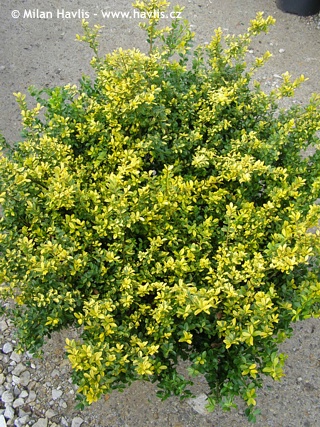
Possibly every plant is capable of creating its gold-leaved mutation. No wonder Peter Moore helped choisya with this process when crossing choisya ternata Sundance with choisya arizonica pollen. It was named GOLDFINGERS and was registered in 1998 i.e. 14 years before Hillier Nurseries introduced the ...

V

1 - 1,3m

1 - 1,5m

full sun

6 (down to -23°C)

for zone 5+6

for zone 7
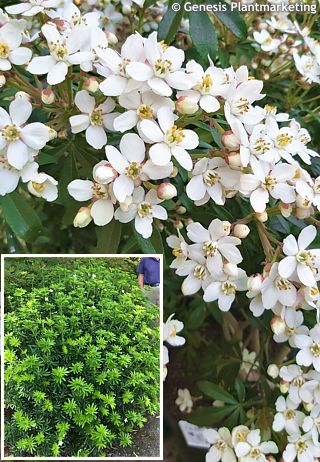
SCENTED GEM is a Mexican orange blossom variety whose name is no exaggeration: it is highly fragrant and truly a jewel. It originated as a selection of previous cultivars and was bred by Peter Catt from Liss Forest Nursery Ltd in Hampshire in England. It was first introduced at the French Salon du V ...

IV - V

1 - 1,5m

1 - 1,5m

full to partial sun

6 (down to -23°C)

for zone 5+6

for zone 7
GREENFINGERS® is a large-leaved Mexican orange variety from 2019, developed by Peter Catt from Liss Forst Nursery in Liss, Hamshire, England. It bears evergreen, softly leathery, glossy, palmate leaves divided into 7 leaflets, which have a distinct, spicy aroma when crushed, but do not use them for ...

V

1 - 2m

1 - 2m

full to partial sun

6 (down to -23°C)

for zone 5+6

for zone 7
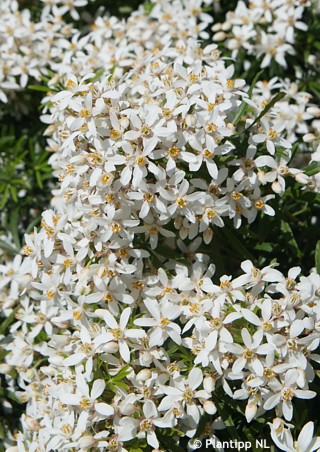
WHITE DAZZLER is a follow-up choísie to Aztec Pearl from Peter Moore, introduced in 1991. It produces masses of simple, star-shaped, pure white, and very fragrant flowers with yellow stamens in May and June. Their perfume is very similar to orange flowers hence its name Mexican orange or Mexican blo ...

V - VI

1 - 2m

1 - 1,5m

full sun

6 (down to -23°C)

for zone 5+6

for zone 7
Mary Nell is a hybrid holly from the USA, bred by Joe McDaniels in Tom Dodd Nursery in Alabama in 1962. It is a cross between large-leaved holly ilex latifolia and hybrid holly Red Delight which is a cross between ilex cornuta and ilex pernyi. Joseph C. McDaniels (1912-1982) was a renowned horticult ...

3 - 4m

1,5 - 2m

full to partial sun

6 (down to -23°C)

for zone 5+6

for zone 7
Nellie R. Stevens holly is one of the most cultivate hardy hollies worldwide simply because it is beautiful and versatile. It is a cross between English holly (ilex aquifolium) and Chinese holly (ilex cornuta). It grows relatively fast and can be trained into a gorgeous looking evergreen tree.
The ...

2 - 5m

1,5 - 2,5m

full to partial sun

6 (down to -23°C)

for zone 5+6

for zone 7
This holly seems to have identity crisis. In the book of varieties there are two names - Myrtifolia Aurea Maculata and Angustifolia Aurea Maculata. Both mean basically the same: narrow-leaved spotted gold. Well, I recon there must have been a reason then why naming them differently, supposedly there ...

1 - 1,8m

1 - 1,8m

full to partial sun

5b (down to -27°C)

for zone 5+6

for zone 7
Many people mistake Japanese holly for buxus thanks to its small, evergreen leaves. Twiggy is slightly different. Its leaves are lighter green, very soft green as they emerge and mid green in summer along deep burgundy red branches. They are also evergreen, narrowly elliptic, gently serrated at marg ...

0,3 - 0,6m

0,6 - 1,3m

full to partial sun

5b (down to -27°C)

for zone 5+6

for zone 7
Chestnut Leaf is probably the most common variety when you happen to come across a Koehne holly in Europe early 21st century. I am giving this date deliberately in case you are reading this article in 2050 or later, laughing how come that we used to be so deprived having just one Koehne holly then. ...

2 - 6m

1,5 - 3m

full to partial sun

6 (down to -23°C)

for zone 5+6

for zone 7
Blue Maid® is a female variety of blue holly. It produces abundance of tiny, white flowers in spring that are followed by attractive berries in autumn. They are bright red and glossy, and remain on the plant until the birds find them in winter. Once they do they will eat them all. In order to p ...

1,5 - 3,5m

1 - 1,8m

full to partial sun

5 (down to -29°C)

for zone 5+6

for zone 7
Little Rascal® is a beautiful new variety of blue holly, found in US nursery Monrovia in 1996 as a natural mutation of another blue holly called Blue Boy. The plant exhibits unique features, distinctly different from its parent for which it was patented under PP9,999 as ilex x “Mondo̶ ...

0,5 - 0,6m

0,5 - 1m

full to partial sun

4 (down to -34°C)

for zone 5+6

for zone 7
This torch lily originates in South Africa (Eastern Cape, KwaZulu Natal, Lesotho) where it grows in moist or even marshy areas because it is quite thirsty. In its home frost-free environment it is an evergreen perennial with semi-woody base (just like yucca), but it can be cultivated down to zone 6 ...

VII

0,6 - 1m

0,4 - 0,6m

full sun

6 (down to -23°C)

for zone 5+6

for zone 7
Curly Red is an exceptional cultivar of leucothoe and is regarded as the first known selection with markedly curly, strongly undulating leaves, giving the impression that the small shrub has just returned from a hairdresser with a perm. The leaves are evergreen, very glossy and, combined with their ...

0,3 - 0,4m

0,3 - 0,6m

full sun to shade

6 (down to -23°C)

for zone 5+6

for zone 7
BURNING LOVE® leucothoe is a keiskei species i.e. it makes narrowly lanceolate leaves with a conspicuous tip. They are evergreen, leathery, very glossy, and change colours from crimson red when they emerge to dark green when mature, and dark burgundy red from autumn till spring, when they rever ...

0,3 - 0,4m

0,3 - 0,6m

full sun to shade

5b (down to -27°C)

for zone 5+6

for zone 7
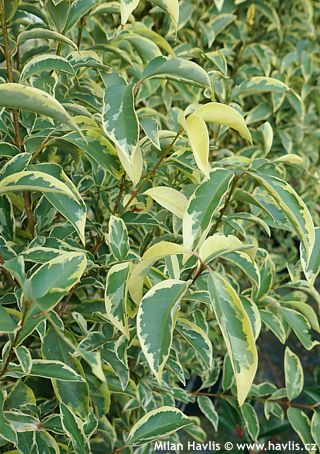
Excelsum Superbum is a highly attractive, variegated form of glossy privet. It makes large, up to 15 cm long and 6 cm wide, ovate to oval, pale dark green leaves abundantly variegated butter yellow, often extended to the midribs. Directly contradicting its botanical name they are NOT glossy, they ar ...

IX - X

2 - 5m

1 - 2m

full sun

7 (down to -18°C)

for zone 5+6

for zone 7
Gum Ball is a dwarf cultivar of sweetgum that has gained popularity for its compact size and attractive appearance without the need for pruning. Its leaves are deeply lobed, with five to seven lobes and prominent veining, turning into a spectacular mix of fiery red, orange, purple, and deep burgundy ...

1,5 - 3,5m

1,5 - 2m

full sun

5 (down to -29°C)

for zone 5+6

for zone 7
Aureomarginatum is a tulip tree variety that truly shines in spring. Its uniquely saddle-shaped, deciduous leaves emerge bright green, edged with a striking, irregular daffodil-yellow margin. It’s a spectacular sight – and one to savour – because this burst of spring colour is fleeting. As summer ar ...

VI - VII

15 - 20m

6 - 10m

full sun

5 (down to -29°C)

for zone 5+6

for zone 7
Fastigiatum is arguably the most sought-after form of tulip tree, thanks to its columnar growth habit that fits even into medium-sized gardens which is something the species, reaching up to 20 meters, can hardly claim 😊. It makes a good couple of attractive features as well as remarkably low ...

VI - VII

7 - 13m

2 - 3m

full to partial sun

5 (down to -29°C)

for zone 5+6

for zone 7
Ferruginea is a southern magnolia variety with large, 24-26 cm across, creamy white, lotus-like flowers whose fragrance attracts not only bees and other insects, but also most perfume producers and every passer-by, especially in late afternoon and early evening when it releases its rich, sweet and c ...

VI - IX

4 - 8m

3 - 5m

full sun

6 (down to -23°C)

for zone 5+6

for zone 7
Evergreen magnolias are the queens of flowering trees. We choose the most beautiful and at the same time the hardiest varieties. Goliath is a cultivar found by American botanist Albert Charles Smith (1906-1999) in former Caledonian Nurseries on British island Guernsey in 1910. The nursery no longer ...

VI - IX

3 - 8m

3 - 5m

full sun

5a (down to -29°C)

for zone 5+6

for zone 7
Goliath is bushier than the species. As you can tell by its name, something is going to be extraordinary here. True: the flowers are extremely large, often up to 30 cm wide, strongly fragrant and appear on the plant usually from June, often from late May if the end of spring is hot, and continue blo ...

V - IX

3 - 8m

3 - 4m

full sun

6 (down to -23°C)

for zone 5+6

for zone 7
Little Gem is an evergreen magnolia which is smaller in every aspect but offers more of everything. The glossy, leathery leaves are numerous, making the plant very dense. They are deep green with distinct rusty underneath. When crushed they release a fine resin perfume.
The amount of creamy white, ...

VI - X

2 - 4m

1,5 - 2,5m

full sun

6b (down to -21°C)

for zone 5+6

for zone 7
Southern magnolia Twenty Four Below is next to Edith Bogue variety one of the two hardiest evergreen magnolias known to trade. It produces large, 24-28 cm across, creamy white, lotus-like, and fragrant flowers from July until September. Their scent attracts not only bees and other insects, but also ...

VII - IX

4 - 8m

3 - 5m

full sun

5 (down to -29°C)

for zone 5+6

for zone 7
Nannetensis® is a French variety of bull bay magnolia that gained popularity at the turn of the millennium, probably thanks to internet that spread the information among plant enthusiasts, though it was first described already in 1865. It was formerly cultivated under various names co ...

VI - IX

3 - 8m

3 - 5m

full to partial sun

6 (down to -23°C)

for zone 5+6

for zone 7
ALTA® is a gorgeous southern magnolia of dense habit and narrowly columnar, very elegant shape that looks like a candle flame. From the first hot days of summer large – 20-24 cm across, creamy white, strongly sweet-scented flowers are produced singly and continuously for 2 months or a little longer ...

VII - VIII

3 - 6m

1 - 2m

full sun

6 (down to -23°C)

for zone 5+6

for zone 7
This is probably the earliest apple in our climate, of Russian origin from around 1800. Its name is different in every country, the English name is White Transparent. It produces good crops of medium-large to large fruit with greenish-yellow, soft skin and very juicy flesh that can be quite sharp fo ...

IV - V

2 - 4m

1,5 - 3m

full sun

5 (down to -29°C)

for zone 5+6

for zone 7
AMBER GLOW™ is the result of the breeding work of William A. Head, an American breeder from Seneca, S.C., who aimed to develop a variety of dawn redwood with golden leaves that could withstand the hot summer sun without scorching, even if it didn't have roots in constant moisture. He succeeded ...

3 - 7m

2 - 4m

full sun

4 (down to -34°C)

for zone 5+6

for zone 7
Giant miscanthus, or also called mammoth miscanthus is possibly the tallest of all eulalias. It is a natural hybrid between m.sinensis and m.sacchariflorus. It makes up to 4m tall, strong stems within one growing season (after 3 years of growing). They are strong and sturdy. Leaves are wide, rich gr ...

3 - 4m

1 - 1,5m

full sun

4 (down to -34°C)

for zone 5+6

for zone 7
White mulberry and its Pendula variety is one of the top popular weeping trees. No wonder – apart from its beauty it offers tasty fruit. Moreover its small size makes it an ideal specimen tree even for small gardens. Its deciduous leaves are heart-shaped, toothed at margins, up to 15 cm long, ...

2 - 3m

1 - 2m

full sun

4 (down to -34°C)

for zone 5+6

for zone 7
Plane-leaved mulberry has many admirers thanks to its almost exotic large leaves. Fruitless is a follow-up variety from Italy eliminating the only set back this tree may have when it comes to cleanliness: it is sterile (male) and does not produce fruit that would cause coloured waste under its canop ...

3 - 5m

3 - 5m

full sun

4 (down to -34°C)

for zone 5+6

for zone 7
Sasaba is a cultivar of holly osmanthus that will play with your senses if your visits to a garden centre aim at curiosities and hidden gems. Its leaves are so uniquely shaped that you may wonder for a long time whether you have ever seen anything similar. The only comparison that comes to mind is i ...

X - XI

1,5 - 2m

1,3 - 1,8m

full to partial sun

6 (down to -23°C)

for zone 5+6

for zone 7
Fortune's osmanthus is a cross between o.heterophyllus (small, very spiny leaves) and o.fragrans (large, entire leaves). It was first brought from Japan to Europe to Holland Philipp Franz von Siebold in 1856. Over the years its name has developed from osmanthus aquifolium to o.aquifolium var.latifo ...

X - XI

1,5 - 3m

1,5 - 2,5m

full to partial sun

6b (down to -21°C)

for zone 5+6

for zone 7
Tree peonies are beautiful, woody shrubs. Unlike the perennial type, these make woody branches that slowly form a low, mounding shrub.
Flowers are large, often double or full, of all possible colours – white, cream, yellow, orange, various shades of pink, purple and red, even violet. Leaves a ...

V - VI

0,5 - 1m

0,5 - 1m

full to partial sun

5 (down to -29°C)

for zone 5+6

for zone 7
Fancy a delicate, airy feel? Then you will surely fall for this selection of mock privet called rosmarinifolia. Although now rather rare in cultivation, it is by no means a newcomer. No one knows exactly who or when it was first found in the wild, but we do know that the English botanist Philip Mill ...

2 - 3m

2 - 3m

full sun

6 (down to -23°C)

for zone 5+6

for zone 7
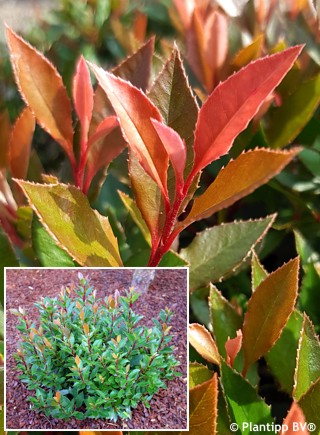
PINK CRISPY photinia is a drama at first glance. Exceedingly showy foliage reveals creamy white variegation on dark green, slightly undulated, gently serrated, and broadly oval to obovate, evergreen leaves. And the real extravaganza show kicks off when new leaves emerge. They are so intensely pink y ...

2 - 4m

1,5 - 3m

full to partial sun

6b (down to -21°C)

for zone 5+6

for zone 7
Red Robin is the very first and, it must be said, still a remarkably successful cultivar of Fraser's photinia. Twenty years after its introduction it received the AGM (Award of Garden Merit) from the Royal Horticultural Society for its resilience, beauty and reliability. It is a New Zealand selecti ...

V

2 - 5m

1 - 4m

full to partial sun

6 (down to -23°C)

for zone 5+6

for zone 7
Red Robin is the very first and, it must be said, still a remarkably successful cultivar of Fraser's photinia. Twenty years after its introduction it received the AGM (Award of Garden Merit) from the Royal Horticultural Society for its resilience, beauty and reliability. It is a New Zealand selecti ...

V

2 - 6m

2 - 5m

full to partial sun

6 (down to -23°C)

for zone 5+6

for zone 7
This photinia was originally named Cassini, a very charming name, but the commercial world insisted on a new designation: PINK MARBLE®. It must be said that it is fits – this evergreen shrub bears ovate leaves intricately threaded with white and silvery tones that turn distinctly pink towards the en ...

2 - 4m

2 - 4m

full to partial sun

6 (down to -23°C)

for zone 5+6

for zone 7
This photinia was originally named Cassini, a very charming name, but the commercial world insisted on a new designation: PINK MARBLE®. It must be said that it is fits – this evergreen shrub bears ovate leaves intricately threaded with white and silvery tones that turn distinctly pink towards the en ...

V

2 - 4m

2 - 4m

full to partial sun

6 (down to -23°C)

for zone 5+6

for zone 7
From the very moment CARRÉ ROUGE photinia hit the market, it became an overnight sensation. It originates from the hugely successful ‘Red Robin’, but offers a far more compact and denser habit, with smaller leaves that look elegant and completely smother the plant’s coat, turning the photinia into a ...

2 - 3m

1 - 2m

full to partial sun

6 (down to -23°C)

for zone 5+6

for zone 7
From the very moment CARRÉ ROUGE photinia hit the market, it became an overnight sensation. It originates from the hugely successful ‘Red Robin’, but offers a far more compact and denser habit, with slower growth and smaller leaves that look elegant and completely smother the plant’s coat, turning t ...

2 - 3m

1 - 2m

full to partial sun

6 (down to -23°C)

for zone 5+6

for zone 7
Echiniformis is a very slow growing variety of white spruce. It bears evergreen needles that are short, only about 7 mm long, they are blue-green and look great when there is a deep green background and dark brown mulch underneath. Being a dwarf plant it will fit even the smallest of gardens. 25 yea ...

0,3 - 0,6m

0,8 - 1,3m

full to partial sun

3 (down to -40°C)

for zone 5+6

for zone 7
You don’t need to be an expert or collector to fall in love at first sight with the Negishi cultivar of Japanese White Pine, although it’s true that bonsai enthusiasts seek this one out deliberately – it is a true aristocrat among dwarf forms. It bears silvery blue-green needles in bundles of five, ...

1,5 - 2,5m

1,5 - 2,5m

full sun

4 (down to -34°C)

for zone 5+6

for zone 7
Italian stone pine, often called just umbrella pine, is a long-lived conifer with fresh green, evergreen, and relatively soft needles 10-20 cm long, which grow in pairs and densely cover the branches creating an impenetrable screen. Young plants grown from seeds till the age of about ten years first ...

10 - 20m

8 - 15m

full sun

7 (down to -18°C)

for zone 5+6

for zone 7
Watereri is a small, slow-growing pine which is also commercially known under the name “Nana” – a typical name for many dwarf plants. Its needles are borne in pairs, dark green with only a hint of blue-green in summer, and more bluish in cold months of autumn and winter. It is very ...

2 - 4m

1 - 4m

full sun

2 (down to -45°C)

for zone 5+6

for zone 7
Some trees have identity crisis and scientists are trying to trace up their true origin. As these efforts often end up in argumentative sessions we tend to choose the easiest possible explanation. In the case of this London plane tree we rather believe it comes from Cenozoic platanus aceroides and w ...

5 - 30m

4 - 20m

full sun

4 (down to -34°C)

for zone 5+6

for zone 7
Alphen’s Globe has been a sought after small tree in the last decade or so since it offers beauty of its parent – plane tree - but much smaller dimensions which make it suitable even for small gardens.
Its deciduous leaves are large – 20 cm wide, glossy green, with 5 lobes. Fruits are prickly sph ...

4 - 6m

3 - 4m

full sun

5 (down to -29°C)

for zone 5+6

for zone 7
Bergeron apricot is a famous and reliable variety grown around the world. Its flowers are susceptible to frost. Self-fertile.
The fruit is rounded or oblong, mid-sized to large, orange with red blush. They ripen early: from mid-summer. They are aromatic and sweet, medium juicy, with low acid conten ...

IV - IV

3 - 5m

2 - 4m

full sun

5b (down to -27°C)

for zone 5+6

for zone 7
Hargrand is a Canadian breeding of apricots made by Richard Layne from Harrow in Ontario. It is a very hardy and tasty apricot variety from 1979. The fruit is large if thinned in late spring. It has orange skin with some red pigment spots and mature from the first week of August. The flesh is sweet, ...

IV - IV

3 - 5m

2 - 4m

full sun

5 (down to -29°C)

for zone 5+6

for zone 7
Who would not love a fresh and sweet apricot picked off in the middle of summer. Not a garden owner? No problem, dwarf apricots will live in a large pot on a balcony or patio, too. They are all self-fertile so that they don’t need a pollinator which might be a problem to find if located on a city ba ...

1 - 1,5m

0,5 - 1m

full sun

5b (down to -27°C)

for zone 5+6

for zone 7
Stella is one the best modern self-fertile varieties of sweet cherries. It comes from Canada and produces reliable crop of large, sweet, very dark red, juicy fruit from end July. Self-fertile means it does not need a pollinating partner and you can have just one tree in the garden and there will alw ...

IV - IV

2 - 2,5m

1,5 - 2m

full sun

5 (down to -29°C)

for zone 5+6

for zone 7
Sunburst is another modern variety of self-fertile sweet cherries. It produces heavy yields of large, dark red, glossy, free-stone fruit of excellent flavour – sweet and juicy. Harvest begins in late July. The fruit is significantly resistant to cracking in rainy weather.
Self-fertile means i ...

4 - 6m

3 - 5m

full sun

5 (down to -29°C)

for zone 5+6

for zone 7
Cherry laurel Novita became a sensation the very moment it hit the market – a true horticultural blockbuster. Its dark, intensely glossy leaves looked luxurious and were impossible not to fall in love with. On top of that, it grew strongly and vigorously, quickly finding its place wherever a den ...

V

3 - 6m

2 - 5m

full sun to shade

5b (down to -27°C)

for zone 5+6

for zone 7
The Northern Irish cherry laurel selection known as ‘Castlewellan’, marketed elsewhere in Europe as Marbled White, is a true treat for lovers of variegated foliage. And by reliably variegated, we really mean it: the marbled pattern that defines the plant and captivates at first glance is stable and ...

IV - V

3 - 5m

2 - 3m

full sun to shade

6 (down to -23°C)

for zone 5+6

for zone 7
BONAPARTE® is a beautiful cherry laurel cultivar with striking copper‑coloured new growth, once again personally discovered by nurseryman Adrian Straver as a continuation of his work with cherry laurels. It thus follows the highly successful cultivar ETNA®, his first major discovery from a ...

IV

2 - 4m

1 - 2m

full to partial sun

6 (down to -23°C)

for zone 5+6

for zone 7
KLEOPATRA® is a Hungarian cherry laurel variety bred by Dr. Józsa Miklos and introduced in 2007. It forms a compact, graceful shrub or a small tree with spreading branches and dark green, glossy, leathery, evergreen leaves. They emerge coppery orange just like on ETNA® variety and can be distinguish ...

1 - 2m

1 - 3m

full sun to shade

6 (down to -23°C)

for zone 5+6

for zone 7
Angustifolia is a popular cultivar of Portuguese laurel, valued for its more compact growth and narrower leaves. The foliage is evergreen, leathery and firmer than that of the species, slightly incurved, narrowly elliptic, 6–10 cm long and 1.5–3 cm wide, with a striking glossy surface. The leaves de ...

V - VI

4 - 8m

2 - 4m

full to partial sun

5b (down to -27°C)

for zone 5+6

for zone 7
Brenelia is a modern and attractive cultivar of Portuguese laurel from France, selected by Yves Brenelière in the early 21st century. It is distinguished by its larger, distinctly undulated leaves with a higher gloss. The foliage is evergreen, narrowly elliptic, typically 8–12 cm long and 2–4 c ...

V - VI

4 - 6m

3 - 4m

full to partial sun

5b (down to -27°C)

for zone 5+6

for zone 7
TICO® Portugal laurel is exceptional. It is a vigorously growing, large‑leaved form of this evergreen species, which I fell in love with the very first moment I encountered its luxurious foliage – one of the most distinctive features of this selection. The leaves are conspicuously large, thick ...

VI

2 - 6m

3 - 4m

full sun

5b (down to -27°C)

for zone 5+6

for zone 7
Bonanza is a dwarf variety of peach with excellent fruit. It has profusion of typical peach-like, bright pink flowers that are clustered along short branches in a dense plant. The leaves are mid green, semi-glossy, narrow and elongated, and not much smaller than on a classic peach tree. Extreme dens ...

IV - IV

1 - 1,5m

1 - 1,5m

full sun

5a (down to -29°C)

for zone 5+6

for zone 7
Bonfire is a spectacular new variety of dwarf ornamental peach with edible fruit. It has profusion of typical peach-like, light pink flowers that are clustered along short branches in a dense crown. The leaves are fantastic deep burgundy red and glossy, narrow and elongated, and not much smaller tha ...

IV - IV

0,5 - 1,3m

0,5 - 1,5m

full sun

5a (down to -29°C)

for zone 5+6

for zone 7
AMBER® is a dwarf peach tree developed by Chris “Floyd” Zaiger (1926-2020) who devoted all his adult life to breeding stone fruit. He set up Zaiger’s Genetics in Modesto, California, USA, where plants are bred using hand pollination rather than using DNA manipulation. As of 20 ...

IV

1 - 1,5m

1 - 1,5m

full sun

5b (down to -27°C)

for zone 5+6

for zone 7
Silver Prolific is a dwarf nectarine variety with excellent fruit. It has profusion of usual peach-like, bright pink flowers that are clustered along short branches in a dense plant. The leaves are mid green, semi-glossy, narrowly lanceolate, and not much smaller than those on any other peach tree. ...

IV - IV

1 - 1,5m

1 - 1,5m

full sun

5a (down to -29°C)

for zone 5+6

for zone 7
Just like many beautifully flowering trees or shrubs, this flowering cherry too comes from China. It even bears a name of an ancient tendai buddhist temple.
Kanzanu is a mid sized tree with double pink to magenta flowers which come out in early April and follow throughout the spring. It is probabl ...

IV - V

5 - 8m

4 - 5m

full sun

5 (down to -29°C)

for zone 5+6

for zone 7
The prunus genus contains over 400 species which are useful and beautiful at the same time. There are cherries, plums, peaches or sloes, as well as flowering Japanese cherries, cherry laurels etc. This variety received its name for the season in which it can re-flower if the end of autumn is warm. H ...

III - IV

3 - 4m

1 - 3m

full sun

4 (down to -34°C)

for zone 5+6

for zone 7
Dwarf pears
are short and slender mini trees, usually with erect branches and plenty of fruit on a small tree. They are commonly at least partially or fully self-fertile so that they don’t need a pollinator which might be a problem to find if located on a city balcony. Leaves ma suffer from ...

1 - 1,5m

0,5 - 1m

full sun

4 (down to -34°C)

for zone 5+6

for zone 7
Holm oak or holly oak (holm is an old word for holly) is native to the Mediterranean and is spread from southern parts of Italy, France, Spain and Portugal, to west Balkan and milder parts of North Africa. It used to form vast areas of evergreen forests most of which are chopped down today. It was f ...

8 - 15m

6 - 8m

full sun

6 (down to -23°C)

for zone 5+6

for zone 7
The bamboo-leaf oak is a small to medium-sized evergreen tree whose leaves resemble those of bamboo. They are narrow, elongated to lanceolate, with finely serrated edges or almost entire. New foliage emerges in attractive shades that vary from seedling to seedling and may be bronze, salmon, red, or ...

5 - 12m

4 - 6m

full sun

6 (down to -23°C)

for zone 5+6

for zone 7
EDEN ROSE® is one of the most popular rose varieties around the world. It was bred by Jacques Mouchotte from Meilland in France and introduced in 1985. It became a bestseller overnight. Originally it was named PIERRE DE RONSARD® after a French poet from the 16th century and poetry is what ...

VI - X

1 - 3,5m

0,4 - 1m

full sun

5b (down to -27°C)

for zone 5+6

for zone 7
Beauty Green belongs among compact, slow-growing Japanese umbrella pines valued primarily for the colour of their needles and an overall impression of freshness. Compared with the species and some darker forms, it appears lighter and more vibrant, without losing the characteristic dignity of the gen ...

1,5 - 3m

1 - 1,5m

full to partial sun

5 (down to -29°C)

for zone 5+6

for zone 7
If you like the smell of Japanese skimmia in the spring, then this variety is ideal for you. Fragrant Cloud will cover you in lovely, sweet lilac-like perfume. It is a luxurious, evergreen plant with small, white flowers that open from lime green flowers buds formed in fat, upright panicles the prev ...

IV - IV

0,3 - 0,8m

0,5 - 1,3m

semi-shade to shade

5b (down to -27°C)

for zone 5+6

for zone 7
In 2017 Dutch grower T.C. van Eijk comes with a gorgeous new variety of Japanese skimmia with variegated leaves. There have been a few skimmias with variegated foliage already but they are dwarf. Perosa is not and though it exhibits dense and compact growth its leaves are comparable in size with the ...

III - IV

0,3 - 0,5m

0,5 - 1m

semi-shade to shade

6 (down to -23°C)

for zone 5+6

for zone 7
Skimmia is a very nice small shrub, often used as a groundcover. It comes from Japan and the Himalayas. It needs a shady spot or a semi-shade as it loses leaf colour and suffers from sunburn in full sun. In the spring it has clusters of tiny fragrant flowers. It needs well cultivated, permeable, aci ...

IV - V

0,2 - 0,6m

0,3 - 0,8m

semi-shade to shade

5b (down to -27°C)

for zone 5+6

for zone 7
Skimmia is a small, evergreen shrub from Japan. After the year 2000 there have been a number of new varieties which are still being tested for stability of their featured characteristics. The aim is to select a plant distinctly different from the species which is why Winnie’s Dwarf skimmia has ...

III - IV

0,3 - 0,4m

0,5 - 1m

semi-shade to shade

5 (down to -29°C)

for zone 5+6

for zone 7
Feather grass comes from a country where it would definitely be called maravilloso as it comes from Mexico, Argentina, and can also be found in New Mexico and Texas in USA. Ponytails is a compact and a little shorter variety with thin, soft green foliage and about 30-40 tall stems with plume-like fl ...

VI - X

0,3 - 0,4m

0,3 - 0,4m

full sun

6 (down to -23°C)

for zone 5+6

for zone 7
This yew is a cross between taxus baccata and taxus cuspidata and is called Hillii. It is a small to medium sized shrub of very dense, columnar habit when young, opening slightly at the top with age, with lustrous, soft green needles in summer with golden yellow hues in autumn and winter. This plant ...

2 - 3,5m

0,5 - 1,5m

full sun to shade

4 (down to -34°C)

for zone 5+6

for zone 7
Winter Orange is an outstanding linden tree variety. It features rich orange colour of branches in winter, vivid yellow leaves in autumn, and bright red buds in spring. The leaves are broadly heart-shaped, mid green, deciduous. Flowers come out in July and attract bees which produce very aromatic ho ...

VI - VII

10 - 12m

4 - 6m

full sun

3 (down to -40°C)

for zone 5+6

for zone 7
Eskimo viburnum is a compact, free-flowering, densely branched shrub with a naturally rounded habit that it maintains without the need for regular pruning. Its main ornamental feature is the abundance of almost perfectly spherical flower heads composed of small, pure white flowers, which appear in e ...

V

0,5 - 1,5m

0,5 - 1,5m

full to partial sun

5 (down to -29°C)

for zone 5+6

for zone 7
Eve Price laurustinus is truly a classic today. Its evergreen leaves are up to 8 cm long, ovate, leathery but thinner than most evergreens, medium to dark green, and with conspicuous venation. In autumn it produces a profusion of highly attractive terminal cymes composed of rosy pink flower buds whi ...

XII - III

0,5 - 1,5m

0,5 - 1m

full sun to shade

6 (down to -23°C)

for zone 5+6

for zone 7


.jpg)


.jpg)


.jpg)


.jpg)


.jpg)


.jpg)


.jpg)


.jpg)
.jpg)