






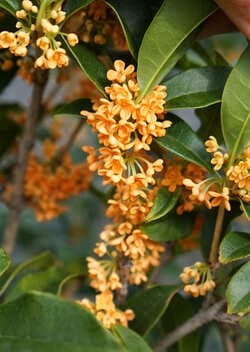






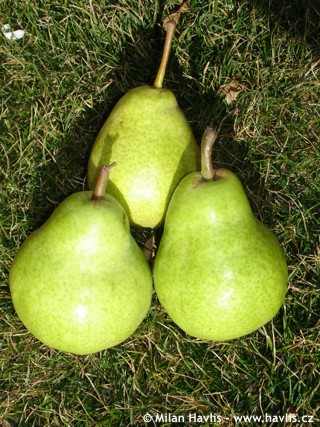
Williams is probably the most known and spread out pear in the world. Its complete name is Williams bon Chretien and comes from the UK, 18th century.
It is an early variety bearing mid-sized or large fruit with light green or yellow skin. The flesh is very juicy, aromatic, and sweet, it quickly s ...
height 175-200 cm, height of stem 90-100 cm
1880 Kč
height of stem 170-190 cm, girth 6-8 cm
3130 Kč
height of stem 170-190 cm, girth 8-10 cm
4630 Kč
added:
24.10.2026
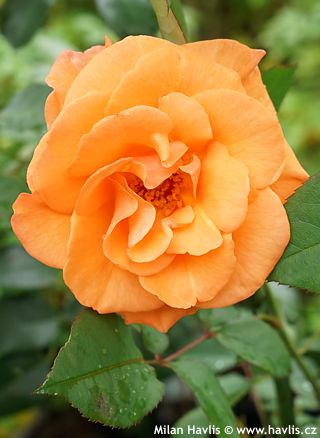
Orange Climber is an attractive climbing rose bred by Dutch company Verschuren and introduced in 1990. It produces 7-8 cm wide, semi-double flowers with slightly frilled margins. They are rich tangerine orange as they emerge and turn a strong salmon shade when they mature. Flowers appear in several ...
pot 2L
455 Kč
added:
24.10.2026
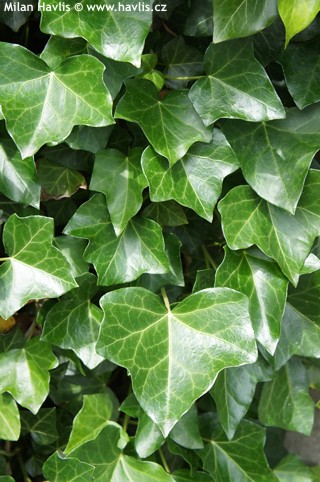
Irish ivy has large, upto 15cm long and wide 3- and 5-lobed leaves of deep green colour. It is suitable as a climbing plant for walls and fences as well as a superb groundcover. It prefers alkaline, moist, semi-fertile soil that is well drained. It is hardy to min. -29°C (USDA zone 5), however, we d ...
height 175-200 cm
795 Kč
added:
24.10.2026
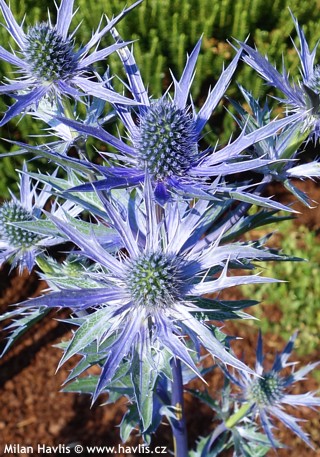
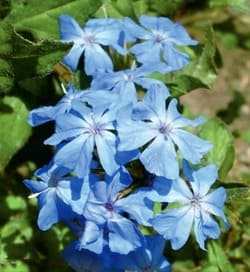
Some plants, when you search for their photos online, tend to be colour‑enhanced to the point of absurdity. Big Blue sea holly, however, needs nothing of the sort. This hybrid carries the most intense steel‑blue colour a human eye has ever seen – well, I mean eyes – I am not a Cyclops. I ...
pot 1.5L
345 Kč
added:
24.10.2026
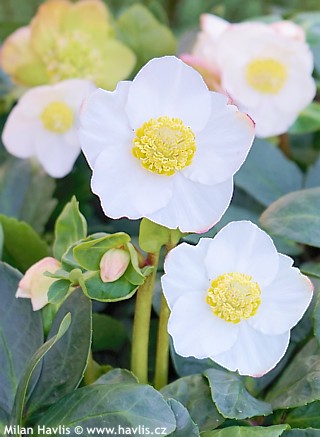
Christmas Carol hellebore is a very early variety which is able to start flowering long before Christmas, often in late October until late winter. And thanks to flowers' longevity they remain nice for about 6-8 weeks even after the stamens have fallen down. Its flowers are small to mid-sized: 4-5 c ...
pot 2L
340 Kč
added:
24.10.2026
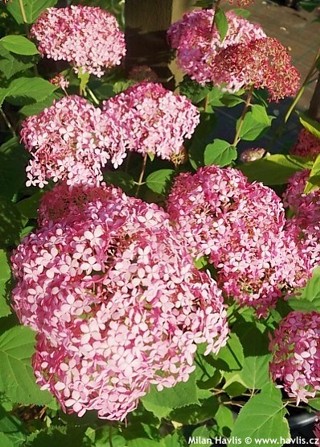
Pink Annabelle was historically the first sensation among smooth hydrangeas. It produces spherical flower heads 15–18 cm across, composed of delicate pink florets that gradually deepen from pale pink to richer shades. It usually begins flowering in mid-June, with blooms remaining attractive until th ...
pot 3L
399 Kč
height 50-80 cm, width 50-80 cm
3550 Kč
added:
24.10.2026
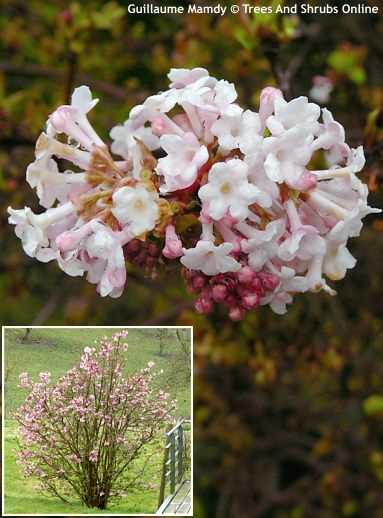
Viburnum farreri is a medium‑sized, upright shrub with an open, lightly translucent habit that stands out especially in winter, when its branches trace clear lines against the grey sky. It typically reaches two to three metres in height, and older plants develop gently arching branches and a n ...
height 50-60 cm
640 Kč
added:
24.10.2026
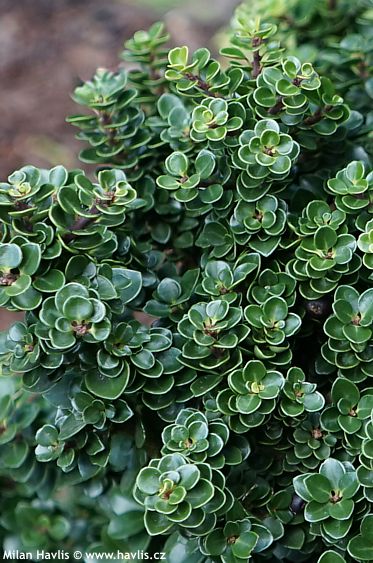
The Japanese holly Dwarf Pagoda is among the most striking dwarf forms ever bred. It originated in the USA thanks to Dr. Elwin Orton at Rutgers University in 1972 and has since earned a reputation as a collectors’ gem. It grows extremely slowly, often only a few centimeters per year, forming a dense ...
height 60-80 cm, width 30-40 cm
5950 Kč
added:
23.10.2026
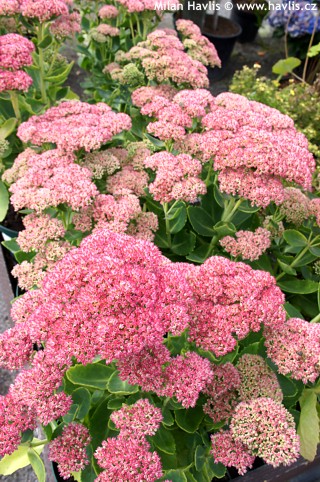
Herbstfreude is a German cultivar of orpine carrying a name that feels almost deliberately difficult to pronounce – who thought it was a good idea to invent a word with six consonants in a row. In Britain they solved it by simply translating it and calling it Autumn Joy, and the name does not lie. ‘ ...
pot 2L
285 Kč
added:
23.10.2026
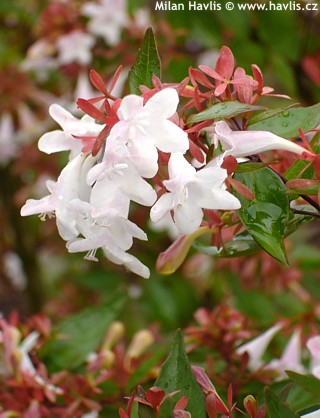
Glossy abelia is a garden hybrid between abelia chinensis and abelia uniflora, and is sometimes also called abelia rupestris. Its dominant feature is profuse flowering from late June until late autumn. Flowers are small, funnel-shaped, pure white, and decorated by pale red calyxes thanks to which th ...
height 20-30 cm, width 25-35 cm
450 Kč
height 150-175 cm
3750 Kč
added:
23.10.2026
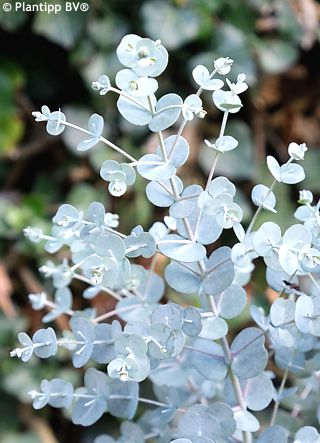
In 2006, a miracle occurred that at first looked rather ominous – in a French nursery, all seedlings of this botanical species froze except for a single plant, even though everyone was convinced of its suitability for the French climate. One eucalyptus, one pot, survived an unusually severe winter t ...
height 40-60 cm
760 Kč
height 30-50 cm, width 30-40 cm
990 Kč
height 60-80 cm
1480 Kč
added:
23.10.2026
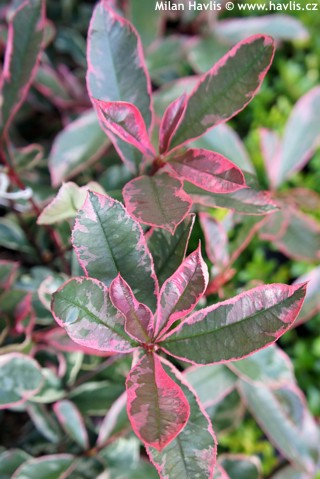
This photinia was originally named Cassini, a very charming name, but the commercial world insisted on a new designation: PINK MARBLE®. It must be said that it is fits – this evergreen shrub bears ovate leaves intricately threaded with white and silvery tones that turn distinctly pink towards the en ...
height 200-250 cm, width 80-100 cm
12400 Kč
added:
23.10.2026
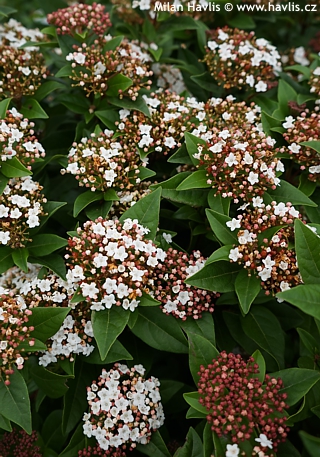
SPIRIT is compact laurustinus variety introduced by Antigone Plantvermeerdering B.V. and protected by European patent No. EU 2352 from 1997. It grows slowly into a mounding to rounded, densely branched shrub with attractive foliage and flower buds. Its evergreen leaves are up 4-6 cm long, ovate, lea ...
height 50-60 cm, width 30-40 cm
590 Kč
height 60-80 cm, width 30-40 cm
645 Kč
height 60-80 cm, width 40-50 cm
2200 Kč
added:
23.10.2026
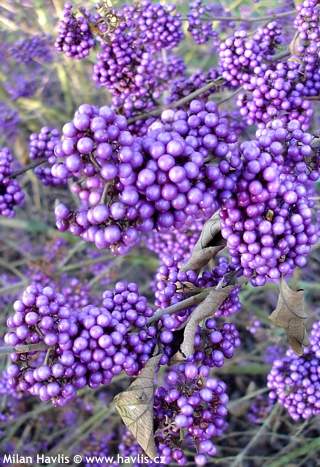
Beauty berry. Sounds like a beauty salon. The truth is the name is right because this plant, originally from China, is grown for its beautifully coloured berries.
It is a mid-sized shrub with deep green, elliptic to obovate, deciduous leaves that are bronze when young. It flowers in summer with sma ...
height 40-60 cm
755 Kč
added:
23.10.2026
.jpg)
Pea tree is a low-maintenance plant which is also often grown in very inhospitable locations because it can take almost anything: hard frost, dry soil, full sun, wind and absolute neglect.
Walker is a variety commonly grafted on short or medium-sized stems with weeping branches. Its deciduous lea ...
height of stem 90-110 cm, crown width 30-50 cm
2370 Kč
added:
23.10.2026
.jpg)
SCARLET FIRE® is a proper Japanese dogwood, not a hybrid, so a plant which flowers later than American dogwoods, on already leafed-out trees (shrubs). The flowers are in fact bracts. There are 4, rich magenta pink, oval, sharply pointed bracts, composed around a small flower head, about 13 cm across ...
height 270 cm, girth 8-10 cm
12300 Kč
added:
23.10.2026
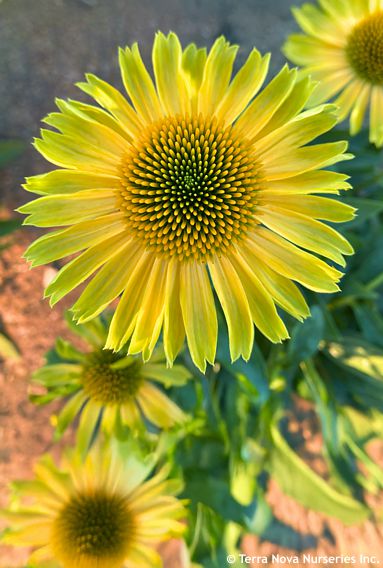
American breeder Harini Korlipara has outdone herself once again. Her coneflower PRINCESS™ CITRUS is fantastic. It carries medium‑sized blooms, 6–8 cm across, opening in a warm yellow tone, and at the height of flowering the tips of the petals shift into a soft greenish shade reminiscent of th ...
pot 1L
160 Kč
added:
23.10.2026
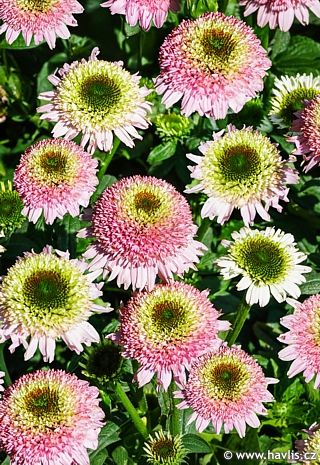
SOMBRERO™ DOUBLE PINK is a sensational hybrid coneflower introduction from 2024. It bears fully double flowers which look like a lump of raspberry flavoured whipped cream on a small pink plate, topped with pistachio cream and a bit of tangerine glacé at the very top. How delicious is this! 😊 ...
pot 2L
385 Kč
added:
23.10.2026
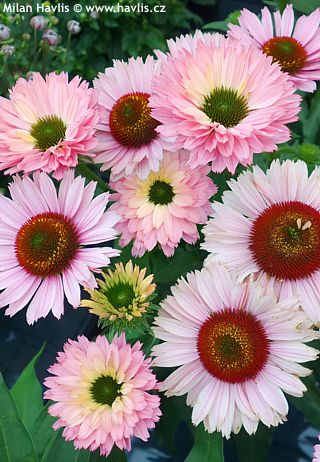
Sunseekers Salmon is truly a unique coneflower. Among the load of colours available today this one stands out like a proud princess who knows that she is being watched. Semi-double, large flowers have frayed ends and appear from July until October atop short and strong stems. Young, emerging flowers ...
pot 2L
365 Kč
added:
23.10.2026
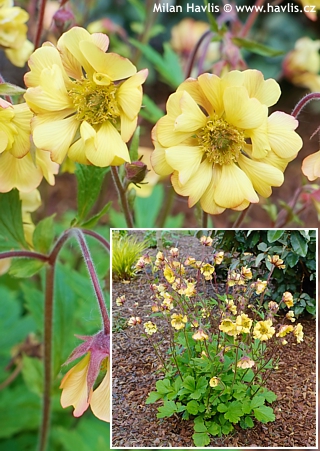
The CENSATION™ series of avens is bred by Armand Kremer from a German perennial nursery Green Globe. Yellow Fluffy is a cheerful variety with banana yellow flowers tinged salmon pink on the reverse. They are 3-4 cm wide, semi-double, and open atop 35-45 cm tall maroon stems. It begins to bloom in la ...
pot 2L
210 Kč
pot 3L
460 Kč
added:
23.10.2026
.jpg)
The most striking feature of the French crepe myrtle cultivar FUCHSIA D’ÉTÉ is its exceptionally vivid fuchsia‑pink colour, which shines across the garden in summer and brings a sense of joy and freshness. The flower panicles are large, long and dense, usually around twenty centimetres, and th ...
height 150-175 cm, width 60-100 cm
13800 Kč
added:
23.10.2026
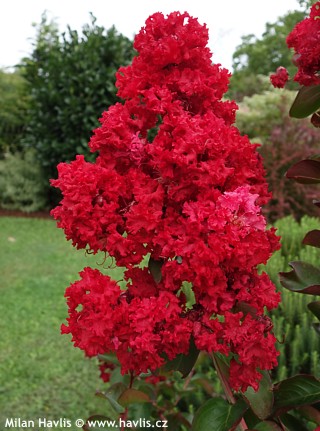
DYNAMITE® is among the reddest crape myrtle cultivars currently available and also one of the hardiest, able to withstand winters of zone 6 (down to about –23 °C). Its name was chosen aptly and with humour, reflecting the explosive red of its flowers. It belongs to the Play It Again® series, which i ...
height 150-175 cm
4960 Kč
height 200-225 cm, width 60-80 cm
19900 Kč
added:
23.10.2026
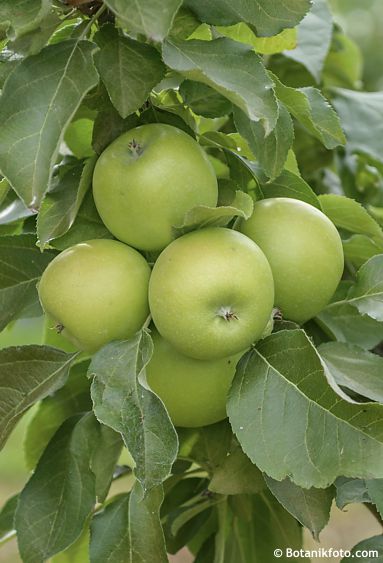
Greencats is another columnar apple variety. It bears medium-sized or large apples with rich green, glossy skin similar to Granny Smith variety. The flesh is firm and crisp, juicy, sweet and sour. The fruit is resistant to scab, canker, and powdery mildew. Greencats is a late variety can be picked f ...
height 100-125 cm
1430 Kč
added:
23.10.2026
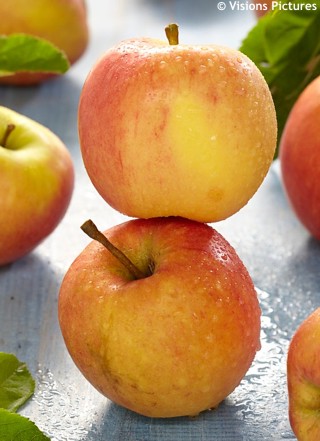
James Grieve is one of the most important British apple cultivars from the turn of the twentieth century and is still regarded as one of the finest garden apples for cooler climates. Developed near Edinburgh in Scotland, it became renowned for its exceptional combination of earliness, reliable cropp ...
height 175-200 cm, height of stem 60 cm
1920 Kč
added:
23.10.2026
.jpg)
The fruits of Princess Louise (aka ‘Marquis of Lorne’) belong among medium to large apples, broadly round in shape, with a thin and delicate skin that turns from greenish to yellow at full maturity, often with a rosy blush. The flesh is snow‑white, very fine, crisp, and juicy, with a pleasantl ...
height of stem 180-200 cm, girth 8-10 cm
4625 Kč
added:
23.10.2026
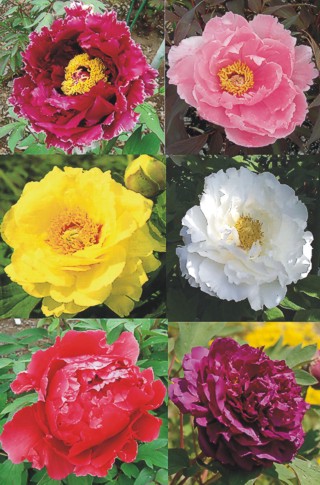
Tree peonies are beautiful, woody shrubs. Unlike the perennial type, these make woody branches that slowly form a low, mounding shrub.
Flowers are large, often double or full, of all possible colours – white, cream, yellow, orange, various shades of pink, purple and red, even violet. Leaves a ...
Rou fu rong růžová
389 Kč
Mo Run Jue Lun vínová
389 Kč
Xue ta - bílá
389 Kč
added:
23.10.2026
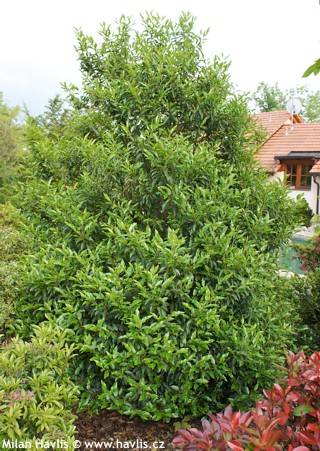
Angustifolia is a popular cultivar of Portuguese laurel, valued for its more compact growth and narrower leaves. The foliage is evergreen, leathery and firmer than that of the species, slightly incurved, narrowly elliptic, 6–10 cm long and 1.5–3 cm wide, with a striking glossy surface. The leaves de ...
height 50-70 cm
645 Kč
height 40-60 cm
835 Kč
height 80-100 cm, width 30-40 cm
995 Kč
added:
23.10.2026
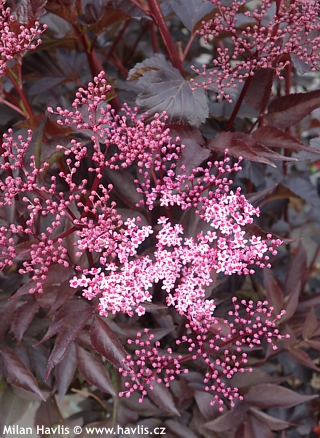
Black Beauty elder made its debut in the iconic year 2000, bringing not only a new millennium but also a long‑awaited breakthrough in foliage colour. It entered the scene like a dark film star dressed in a gown the colour of blackcurrants just before harvest, catching the light with a purplish ...
height 20-30 cm
530 Kč
added:
23.10.2026
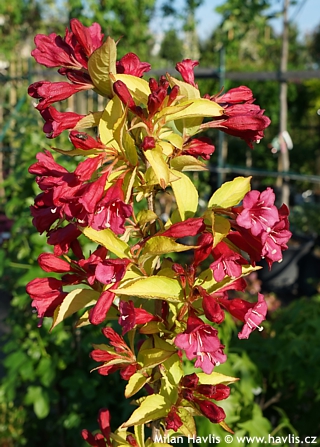
BRIANT RUBIDOR®, formerly sold as Olympiade, is a French weigela variety found in by André Briant around 1980 as a sport of Bristol Ruby weigela. It boasts vibrant red flowers on the background of glowing yellow to chartreuse foliage. Flowers appear from about mid May for 3-4 weeks with a sparc ...
height 40-60 cm
420 Kč
added:
23.10.2026
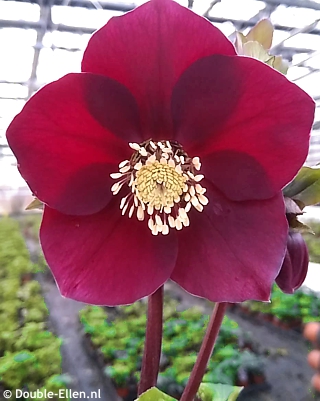
Pretty Ellen® Red hellebore makes single, burgundy red flowers decorated with a bunch of creamy beige stamens and a lime green eye around the centre. Flowers come out according to weather, mostly from February until late April atop 30-35 cm tall, upright stems. Evergreen leaves are leathery, palmate ...
pot 2L
400 Kč
pot 2.5L
425 Kč
added:
22.10.2026
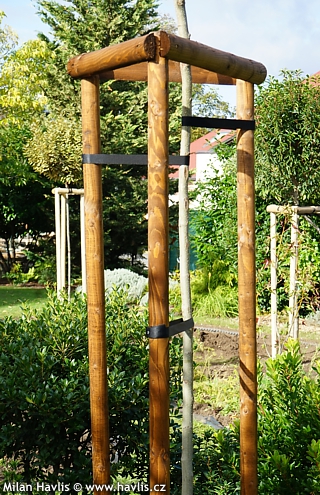
Staking will protect the trees from uprooting, breakage of newly producing roots, and development of crooked trunk shape caused by constant wind disturbance. We offer a complete set of a tree stake, large for standard trees, and small for half-standard trees which consists of:
- 3 pointed wo ...
malý - 150 cm
330 Kč
střední - 200 cm
470 Kč
velký - 250 cm
560 Kč
added:
21.10.2026
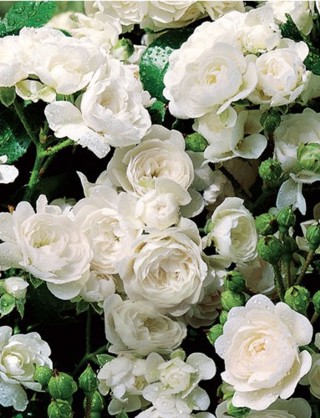
Crystal Fairy® is another sport of the Fairy group of polyantha roses coming from the original hybrid introduced in 1930´s. This one has clear white, double flowers that may gain a light pink shade when fading. Reasonably disease resistant.
Planting instructions: Prepare a hole of size 30x30 cm ...
pot 3L
585 Kč
added:
20.10.2026
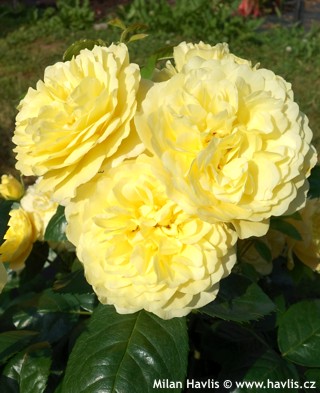
YELLOW MEILOVE® is a yellow flowering rose from the MEILOVE® series bred by Meilland in France. It exhibits bushy and compact growth, and profuse flowering from May until October, sometimes even November if the frost has not killed the flower buds. The flowers are fully double, standard yellow from ...
pot 3L
750 Kč
added:
20.10.2026
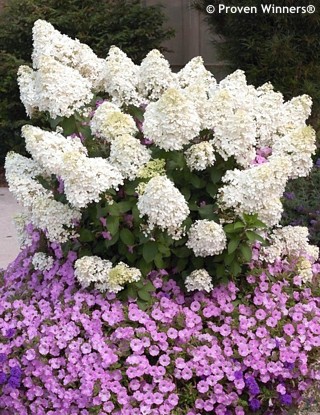
Panicle hydrangea BOBO® is unique for its small and compact growth and incredible amount of flowers. This variety produces numerous panicles, 25-30 cm tall and about 15 cm wide, composed of sterile flowers that emerge creamy white with lime green shades in midsummer, and mature to pale pastel pink i ...
pot 5L
690 Kč
pot 9L
855 Kč
pot 7.5L
860 Kč
added:
19.10.2026
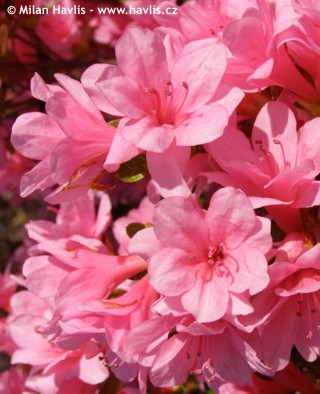
Blaauw’s Pink has attractive, salmon pink small flowers with slightly darker throat. It has irregular growth and belongs to mid-sized azalea.
Leaves are mid to dark green, ovate, only about 2-3 cm long. In semi-shade and shade they remain on the shrub throughout winter, if placed in full sun ...
height 70-80 cm, width 25-30 cm, kužel
3240 Kč
height of stem 50-60 cm
3320 Kč
added:
19.10.2026
.jpg)
Pink Truffles baptisia is a member of the Decadence® series bred by the American hybridiser Hans Hansen. It offers surprisingly long inflorescences, twenty‑five to thirty‑five centimetres in length, composed of pea‑like flowers that open from lilac‑pink buds as vivid as over& ...
pot 2.5L
385 Kč
added:
19.10.2026
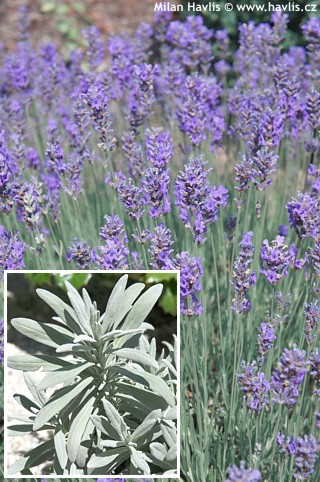
Lavender is so widespread around the world that exalting its beauty is like carrying coals to Newcastle. And for the same reason - so many plants in cultivation in different conditions there are numerous more or less conspicuous variations that usually slip away unrecognized because the produce ...
pot 1L
99 Kč
added:
19.10.2026
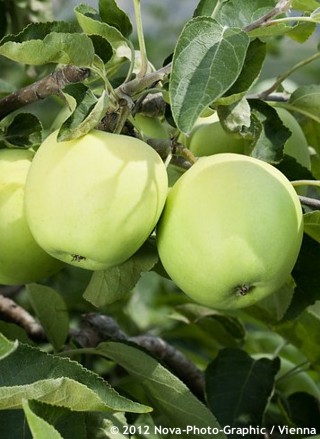
White Transparent (Weisser Klarapfel or Transparente Jaune) is one of the oldest and most dependable early-season apple cultivars, announcing the beginning of the apple harvest for generations of gardeners and orchardists. Its name derives from the remarkably pale skin which, when fully ripe, appear ...
pot 10L
1620 Kč
girth 10-12 cm
5980 Kč
added:
19.10.2026
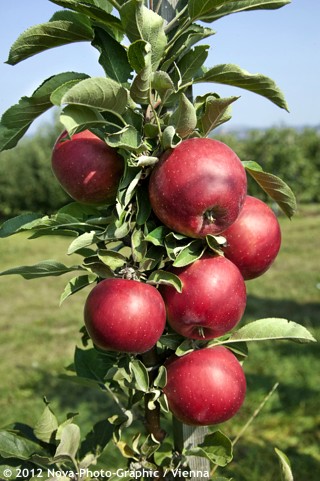
Redcats is a columnar apple variety with deep red fruit of excellent flavour. It resembles Gala variety. It is medium-sized, rounded, the flesh is firm and crisp, juicy, with a good sweet/sour balance. The fruit is resistant to scab, canker, and powdery mildew. Redcats a midseason variety can be pic ...
height 80-100 cm
1120 Kč
added:
19.10.2026
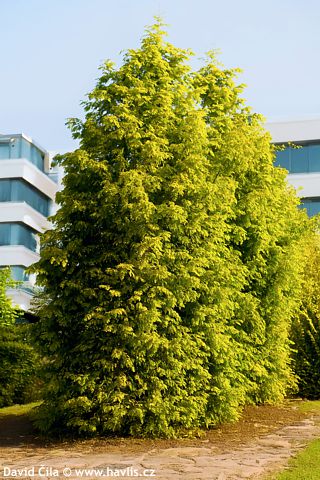
AMBER GLOW™ is the result of the breeding work of William A. Head, an American breeder from Seneca, S.C., who aimed to develop a variety of dawn redwood with golden leaves that could withstand the hot summer sun without scorching, even if it didn't have roots in constant moisture. He succeeded ...
height 80-100 cm
1590 Kč
height 200-225 cm
2250 Kč
added:
19.10.2026
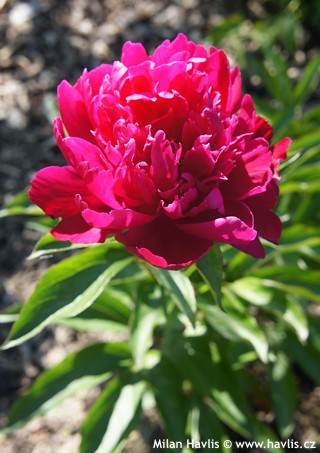
Rubra Plena is a peony variety frequently encountered in perennial gardens. It produces crimson red flowers formed in large heads with profusion of petals and yellow stamens that are only visible at the end of blooming time when the flowers open up completely. The stems are about 70 cm tall and may ...
pot 4L
630 Kč
added:
19.10.2026
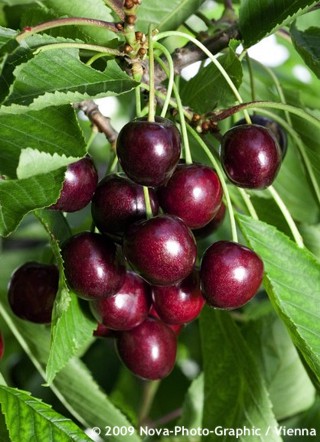
Hedelfingen is a very good variety of sweet cherry. It bears medium-sized fruit in early summer. Fruit is sweet and crunchy and partly resistant to cracking. It gains its colour about a week before it is truly mature. It needs protection from cherry-worms.
It is not self-fertile and needs a pollina ...
girth 8-10 cm
4630 Kč
height of stem 190-200 cm
5530 Kč
height of stem 180-200 cm, girth 10-12 cm
5980 Kč
added:
19.10.2026
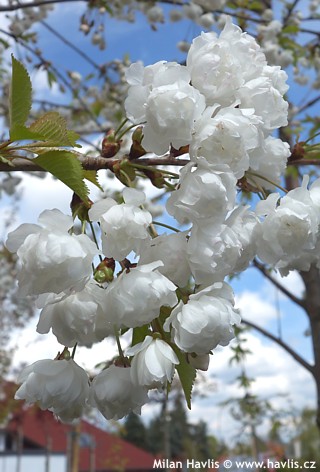
This flowering cherry originated in France already in 1700. That is a success to see that a variety so old still finds its place among new and hyper modern selections. Well done! This is a medium sized tree with stunning blossoms. They are pure white, fully double, and appear in profusion from mid A ...
height of stem Vk cm, girth 8-10 cm
3640 Kč
height of stem 210 cm, girth 10-12 cm
5220 Kč
height of stem 190-200 cm, girth 12-14 cm
5360 Kč
added:
19.10.2026
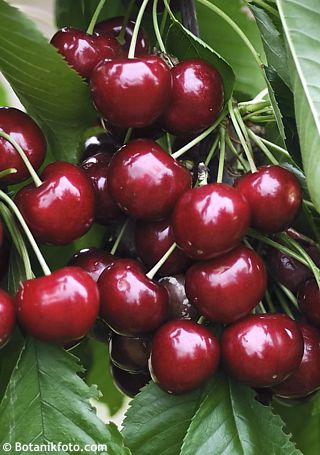
Sunburst is another modern variety of self-fertile sweet cherries. It produces heavy yields of large, dark red, glossy, free-stone fruit of excellent flavour – sweet and juicy. Harvest begins in late July. The fruit is significantly resistant to cracking in rainy weather.
Self-fertile means i ...
height 60-80 cm, height of stem 30-40 cm
890 Kč
height of stem 130-150 cm
1620 Kč
added:
19.10.2026
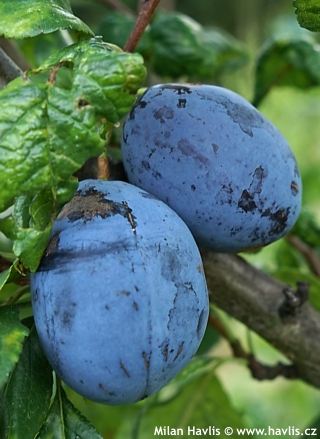
President is an amazing moyer plum variety of excellent taste and late maturity. Unlike most moyer plums such as Stanley of Jojo which can be picked up as early as in late August, you have to be more patient for President as it ripens in roughly mid September. And as it matures over almost 4 weeks y ...
pot 7.5L
720 Kč
girth 10-12 cm
5980 Kč
girth 12-14 cm
8130 Kč
added:
19.10.2026
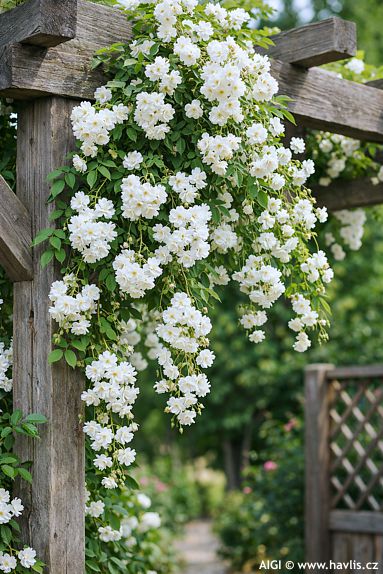
GUIRLANDE D’AMOUR is a small‑flowered climbing rose with a light, airy habit and long, flexible shoots carrying abundant clusters of small, pure‑white, semi‑double to fully double flowers measuring 3–4 cm across. The flowers are borne in large trusses and, when fully open, create t ...
pot 5L
1150 Kč
added:
19.10.2026
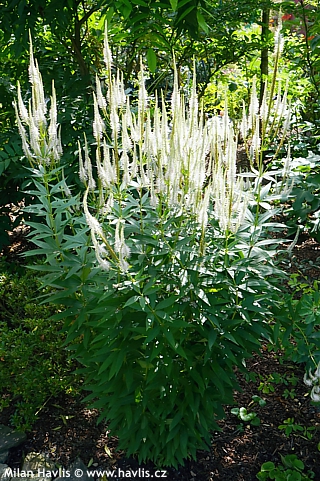
Album is a white flowering culver’s root variety boasting compact and dense habit. From midsummer until late summer appear numerous, snow-white flowers formed in spike-like inflorescence well above foliage level. The plant is much denser and compact compared to the species and its stems seldom excee ...
pot 3L
185 Kč
added:
19.10.2026
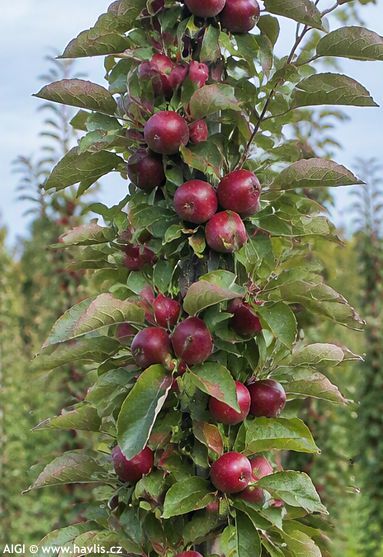
Redlane is one of the most striking columnar apple trees available today, often resembling a narrow flowering cherry in full bloom. In spring, its slender crown nearly disappears beneath a mass of deep pink blossoms, while in autumn it becomes decorated with dozens of glossy purple-red apples that l ...
height 175-200 cm
1290 Kč
added:
18.10.2026
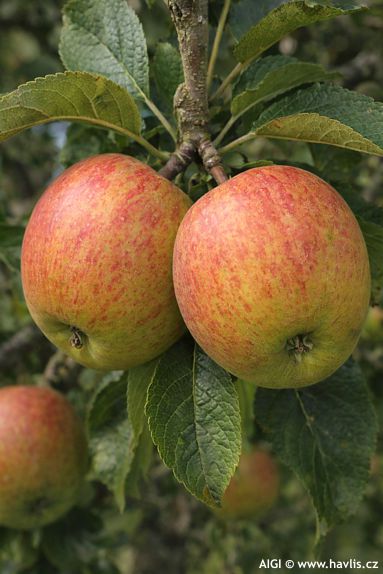
Cox’s Orange Pippin is an old mid‑late apple cultivar whose fruits are medium‑sized, orange‑yellow with fine red striping. The flesh is tender and juicy, with the unmistakable “Cox aroma” said to be recognisable even blindfolded – a blend of flowers, musk, citrus and autumn. The fl ...
height 150-175 cm
1990 Kč
added:
18.10.2026
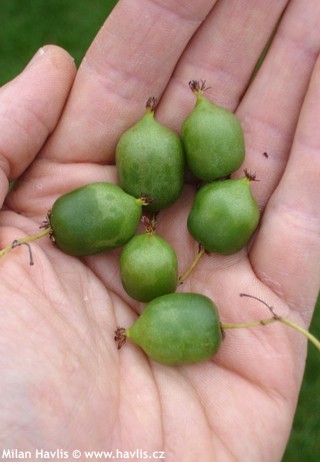
Issai is a self-fertile variety of the so-called mini-kiwi. This means that unlike the species it does not need a male and a female plant to produce fruit. Apart from tasty fruit it is a nice plant, too, with deep green leaves and scented flowers in June.
It is a vine that is less vigorous that the ...
height 20-40 cm
595 Kč
height 40-60 cm
790 Kč
added:
17.10.2026
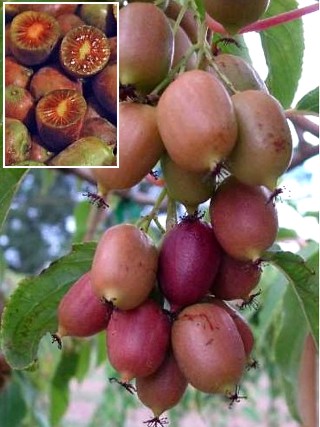
Ken’s Red is a female variety of the so-called mini-kiwi (kiwiberry). It is a vine that is less vigorous that the species. Apart from tasty fruit it is a nice plant, too, with deep green leaves and scented flowers in June.
Its fruit has smooth skin, and both skin and flesh have various shades ...
height 60-100 cm
890 Kč
added:
17.10.2026
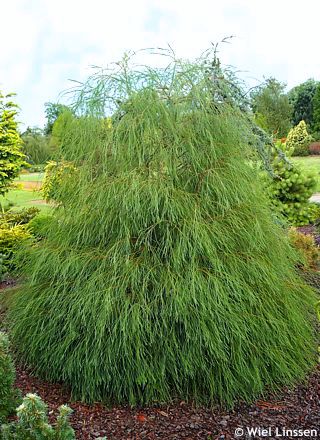
Drooping Solo is a Lawson cypress variety discovered by a Dutch conifer lover and horticulturist Wiel Linssen from Baexem. It was a seedling mutation of Imbricata Pendula, a similar variety of much taller but narrower habit. Drooping Solo forms dense shrubs of a broadly pyramidal shape with drooping ...
height 60-80 cm
1490 Kč
added:
17.10.2026
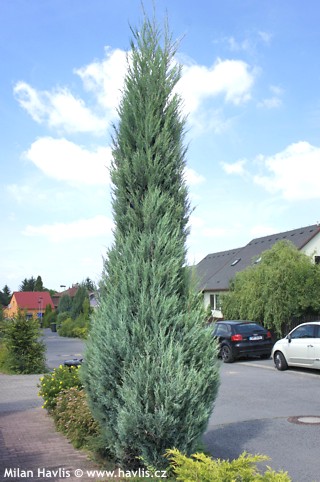
Blue Arrow juniper is as thin as a supermodel. This conifer has a truly slim, columnar habit and attractive blue-green to almost silvery blue colour. It is often compared to another juniper variety called Skyrocket against which it has a big advantage – Blue Arrow has shorter branches that do ...
height 125-150 cm
1550 Kč
added:
17.10.2026
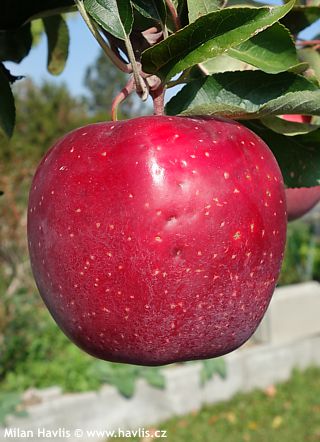
James Grieve Red is an attractive, red-fruited sport of the popular Scottish apple cultivar James Grieve, retaining all the strengths of the original variety while offering significantly improved fruit coloration. It originated as a spontaneous bud mutation discovered after the Second World War and ...
height 140-160 cm
1860 Kč
added:
17.10.2026
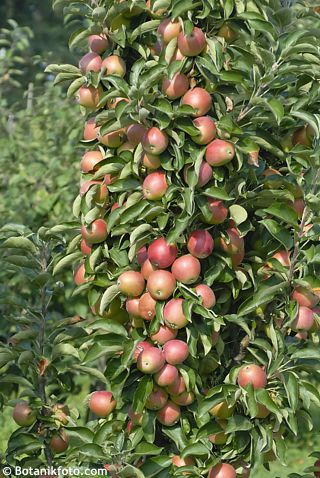
Polka belongs to the Ballerina® series and is one of the most reliable columnar apples for temperate gardens. It bears medium-sized fruit, mostly round to slightly conical, with a light green skin that develops a rosy red blush as it ripens. The flesh is pale to white, very juicy, crisp yet firm, wi ...
height 100-125 cm
1490 Kč
added:
17.10.2026
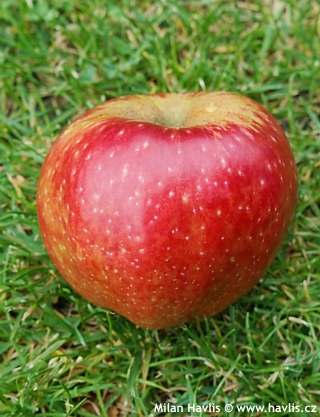
Summerred is an early apple tree variety from 1964 which originated in Canada as a self-pollination of McIntosh Red and Golden Delicious. Though both the parents are midseason apples, Summer Red produces its fruit as early as from late August in a good season. The apples are medium large, beautiful, ...
height 80-100 cm, height of stem 30-50 cm
1260 Kč
height of stem 50-60 cm, crown width 50-60 cm
1380 Kč
girth 6-8 cm
3130 Kč
added:
17.10.2026
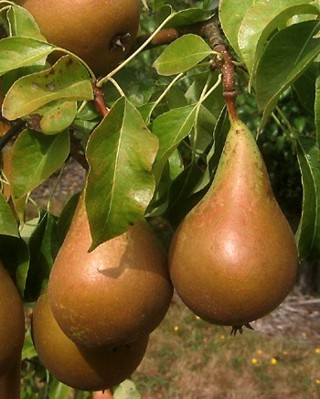
Conference is a famous pear tree from the 19th century. It was first introduced at the National British Pear Conference in 1885, hence its name. It has medium-sized fruit that is pyriform if cross-pollinated, or banana-shaped if self-pollinated.
The fruit is pale green with golden brown russet pa ...
height 100-125 cm, height of stem 60 cm, crown width 50 cm
1290 Kč
girth 8-10 cm
4630 Kč
added:
17.10.2026
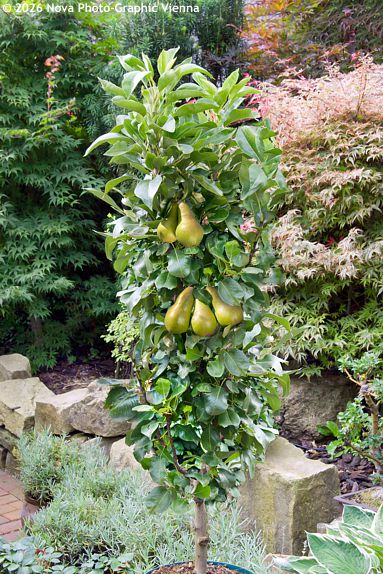
Condo
Condo is a narrowly growing, upright cultivar with a compact crown that maintains a slender shape and produces only a few side branches. The fruits are medium to large, greenish-yellow with a slight blush, juicy, sweet and aromatic, with a flavour reminiscent of Conference, from w ...
height 80-100 cm, Saphira
1550 Kč
height 150-175 cm, Decora
1590 Kč
added:
17.10.2026
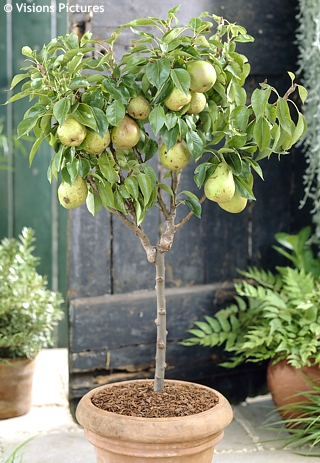
Dwarf pears
are short and slender mini trees, usually with erect branches and plenty of fruit on a small tree. They are commonly at least partially or fully self-fertile so that they don’t need a pollinator which might be a problem to find if located on a city balcony. Leaves ma suffer from rust if ...
height 60-80 cm, height of stem 30-40 cm, Garden Pearl
1880 Kč
height 100-125 cm, height of stem 40-50 cm, Garden Gem
2990 Kč
added:
17.10.2026
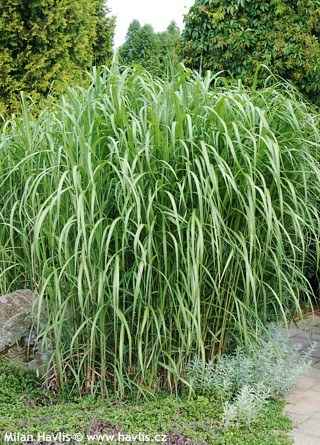
Giant miscanthus, or also called mammoth miscanthus is possibly the tallest of all eulalias. It is a natural hybrid between m.sinensis and m.sacchariflorus. It makes up to 4m tall, strong stems within one growing season (after 3 years of growing). They are strong and sturdy. Leaves are wide, rich gr ...
pot 2L
255 Kč
added:
16.10.2026
