











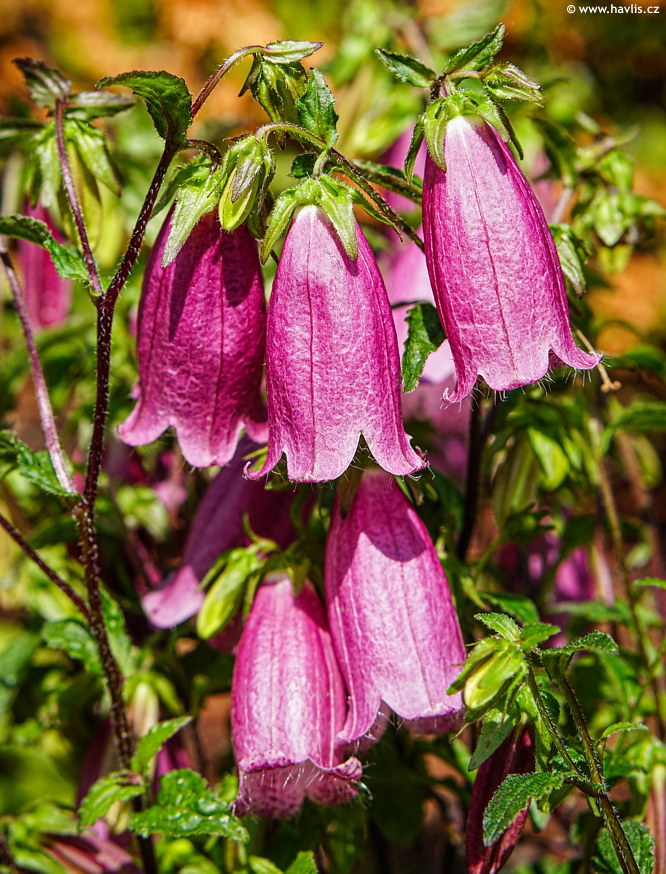
Campanula 'MARIËL RED BELLS' bellflower

 Symbivit Tric (arbuscular)
 Symbivit (arbuscular)
Campanula
The genus Campanula is one of the largest and most deeply rooted groups within the European flora. Depending on the taxonomic approach, it includes approximately 300 to 500 species, with the greatest diversity concentrated in the Mediterranean region, the Balkans, and the mountain ranges of Europe and western Asia. The genus was formally described by Carl Linnaeus (1707–1778) in 1753 in his seminal work Species Plantarum, where he already noted its remarkable variability in form and growth strategy. Bellflowers have accompanied people for centuries not only as ornamental plants, but also as part of folk symbolism, where the bell-shaped flower evoked voice, calling and protection. Genetic studies point to an ancient origin and repeated adaptations to extreme habitats, ranging from alpine screes to dry limestone slopes.
The variability and adaptability of many perennial bellflowers attracted numerous breeders who began working with their hybridisation as early as the late 19th century. Pure botanical species are undoubtedly beautiful, but they are often inconsistent in appearance and behaviour, short-lived in flower, or poorly adapted to garden conditions. For this reason, targeted breeding took place in research stations and nurseries, where a balance between natural character and reliability was sought. An important role was played by figures such as Karl Foerster (1874–1970), who in his Potsdam nursery systematically selected and crossed perennials with an emphasis on longevity and garden performance, including several groups of bellflowers. His work was continued by British growers such as Alan Bloom (1906–2005) in Bressingham, who integrated bellflowers into a modern concept of perennial planting. Breeders have therefore long focused on species such as C. portenschlagiana, C. poscharskyana and C. carpatica, originating from the Balkans and the Carpathians, which naturally combine low growth, abundant flowering and the ability to regenerate. These species were described at the turn of the 18th and 19th centuries, for example Campanula carpatica by Johann Christian Jacquin (1727–1817), and they very quickly became part of garden culture and everyday life, from rural gardens to urban courtyards.
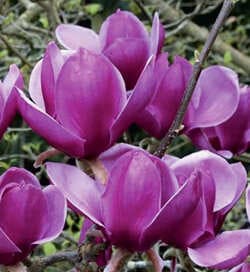
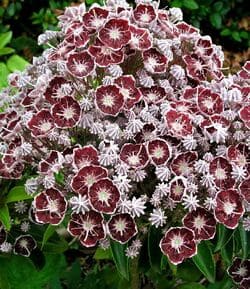
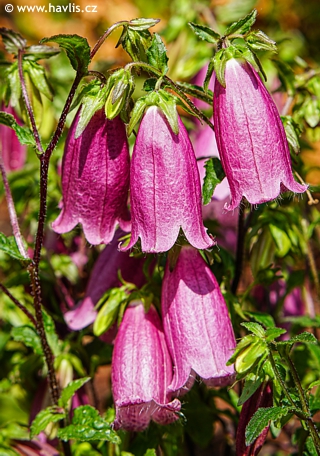
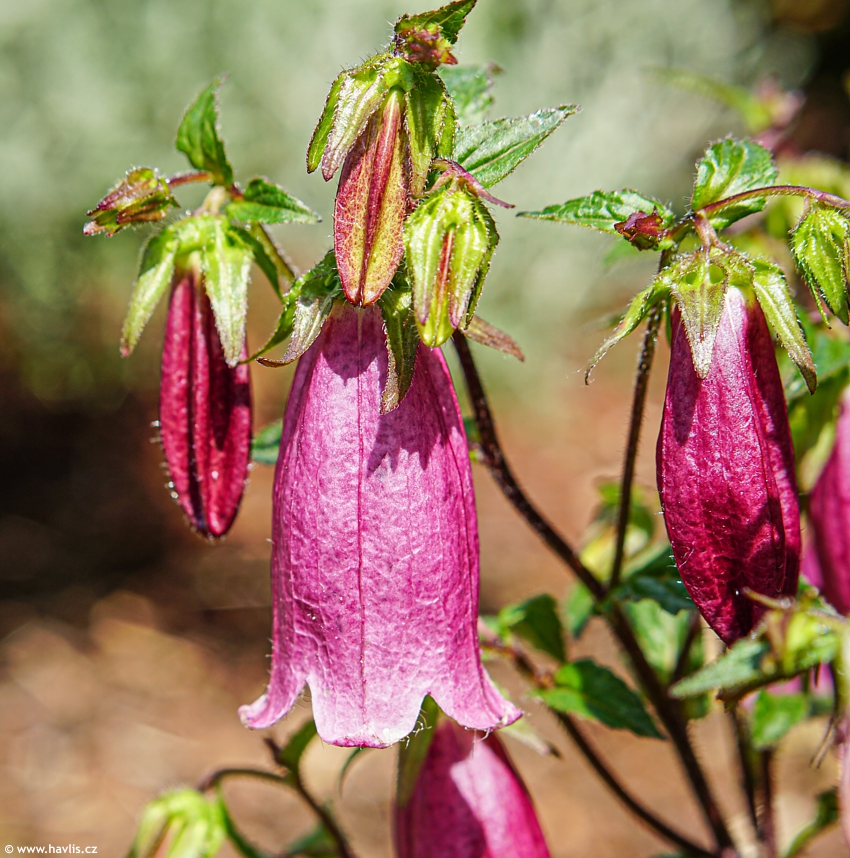
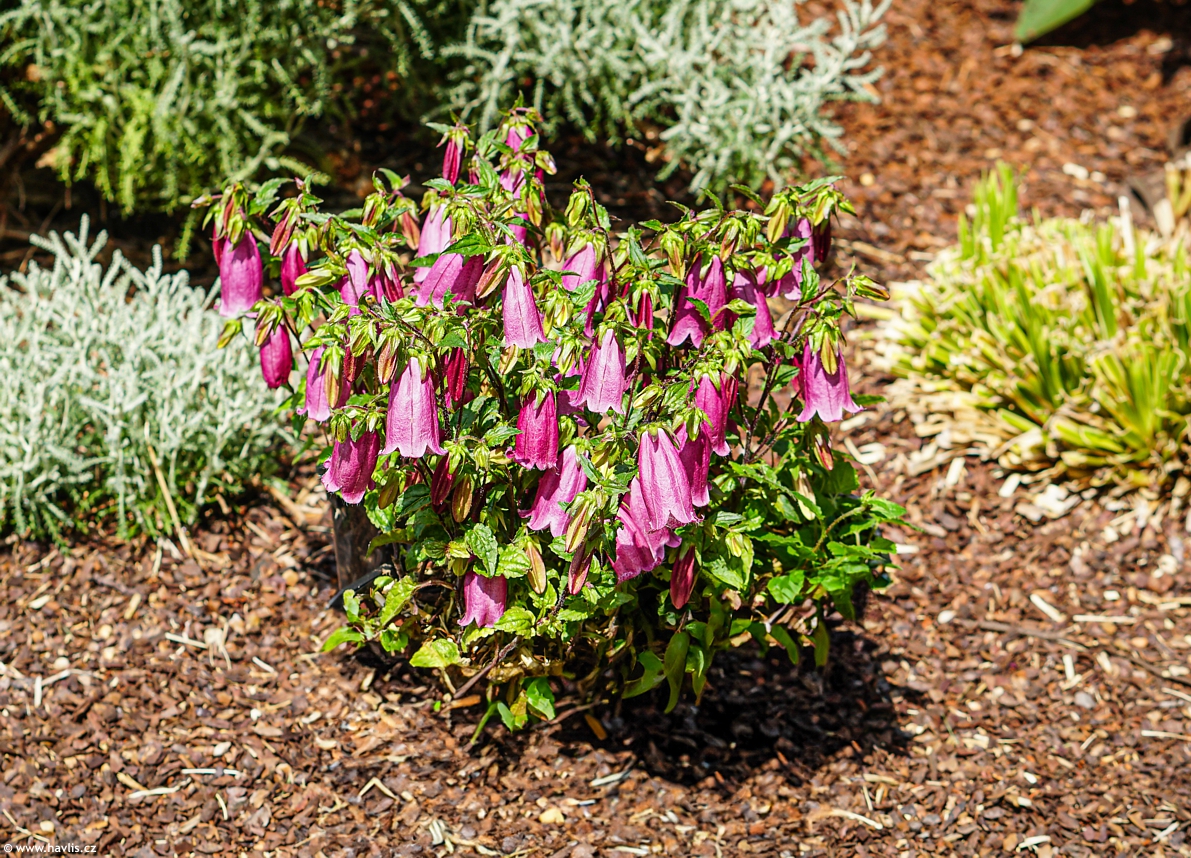
Mariël Red Bells is an exquisite nettle-leaved bellflower hybrid producing large, 3-4 cm long, chubby, campanulate flowers. They are rich magenta pink and nodding. Compared to the small leaves they look as if they did not belong there and were glued to the stems. Leaves are deciduous, small, medium green, narrowly ovate to triangular, shallowly lobed at margins. The plant is compact and rather small and does not usually exceed 30 cm in height.
Flowering begins in late May or June and as soon as the bunch starts to look unsightly, cut it 3 cm above the ground and within a month it will re-emerge into a fresh new tuft with more flowers for late summer and the last nice days of autumn.
Last update 16-06-2023
Hybrid ground-covering bellflowers prefer evenly moist but well-drained soil in full sun, although they also tolerate light shade, especially in warmer climates. For abundant and repeated flowering, they require sufficient nutrients, yet excessive fertilisation is counterproductive and leads to lush foliage at the expense of flowers. They can also be grown in outdoor ornamental containers with good drainage but without a saucer, and with regular, but not excessive, watering. They favour slightly alkaline to neutral soils. These are perennials of moderate longevity which, under good conditions, will persist in one place for many years, although the centre of the clump may gradually thin over time, a natural process rather than a sign of failure. They tolerate transplanting reasonably well if carried out outside the main flowering period and with care for their fine root system. When stems are cut, a milky sap appears, which is neither toxic nor strongly allergenic and poses no risk during normal garden work. Hybrid ground-covering bellflowers are generally healthy and resilient plants, not particularly prone to diseases or pests, provided they are not grown in waterlogged soil or overly dense plantings. Hardy to at least −29 °C (USDA zone 5a).