












.jpg)
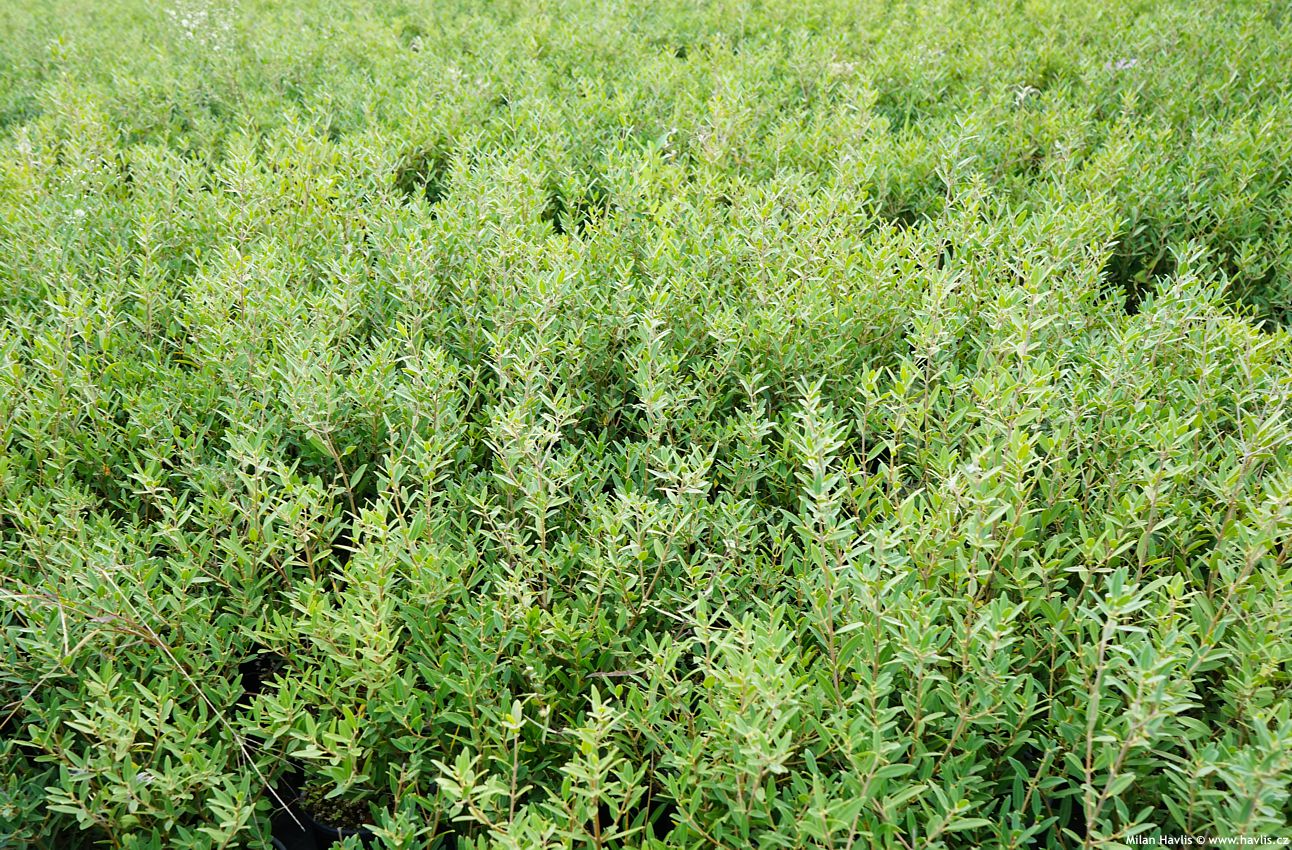

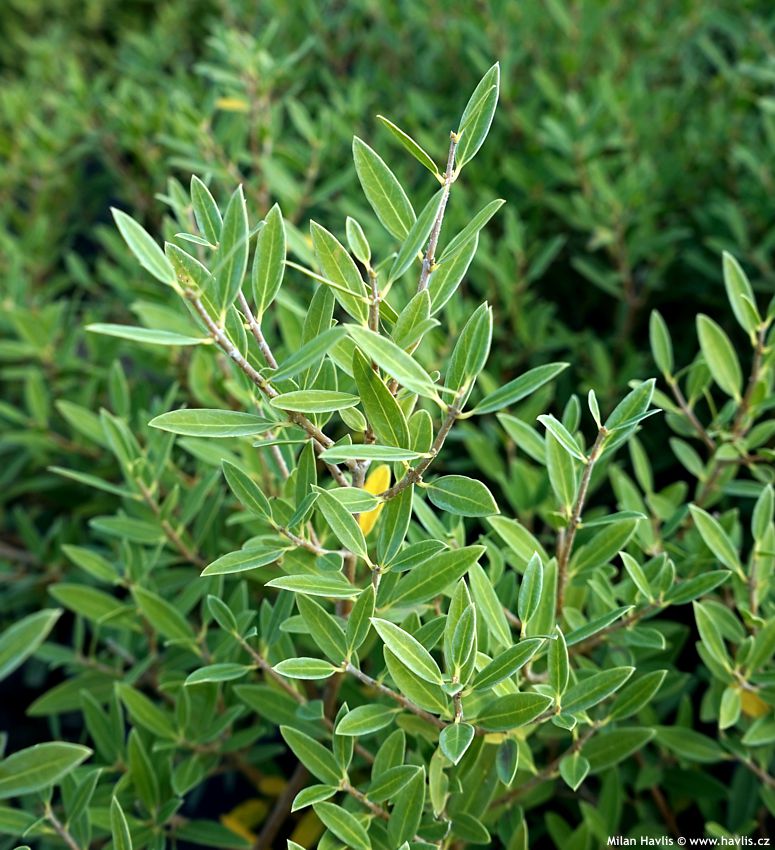
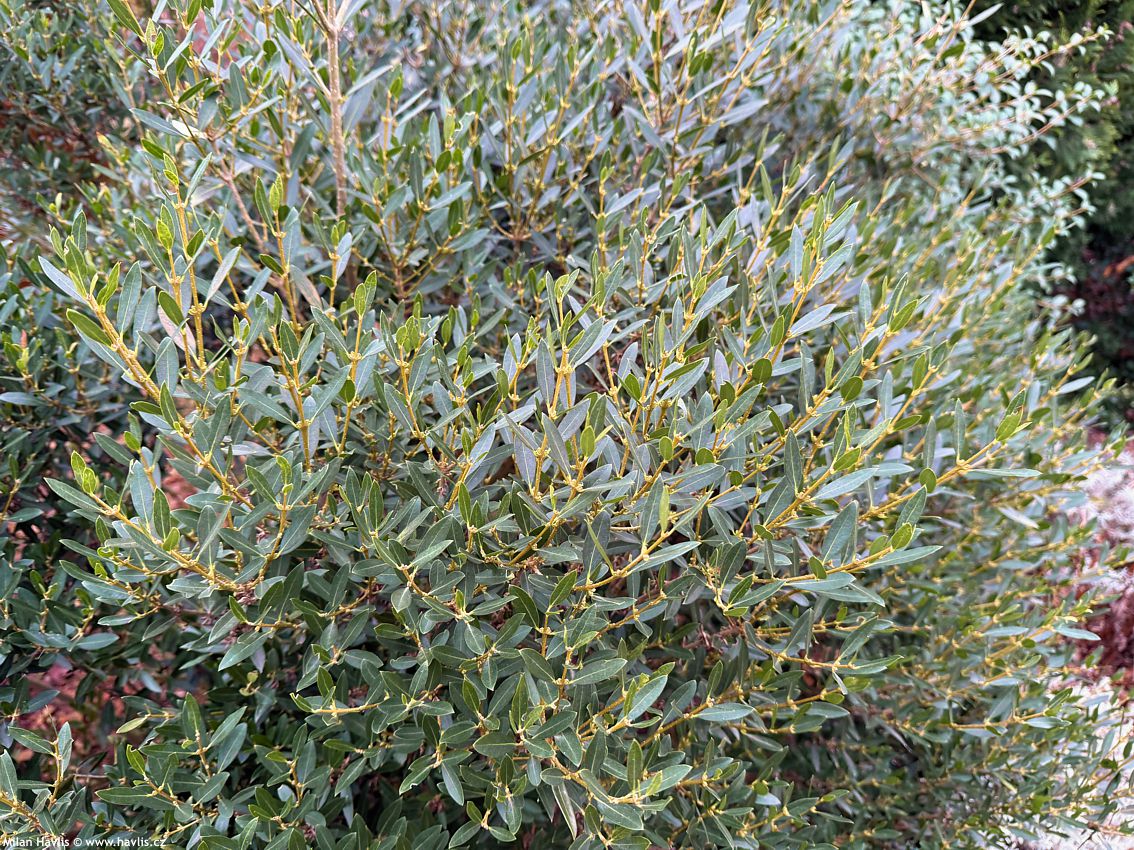
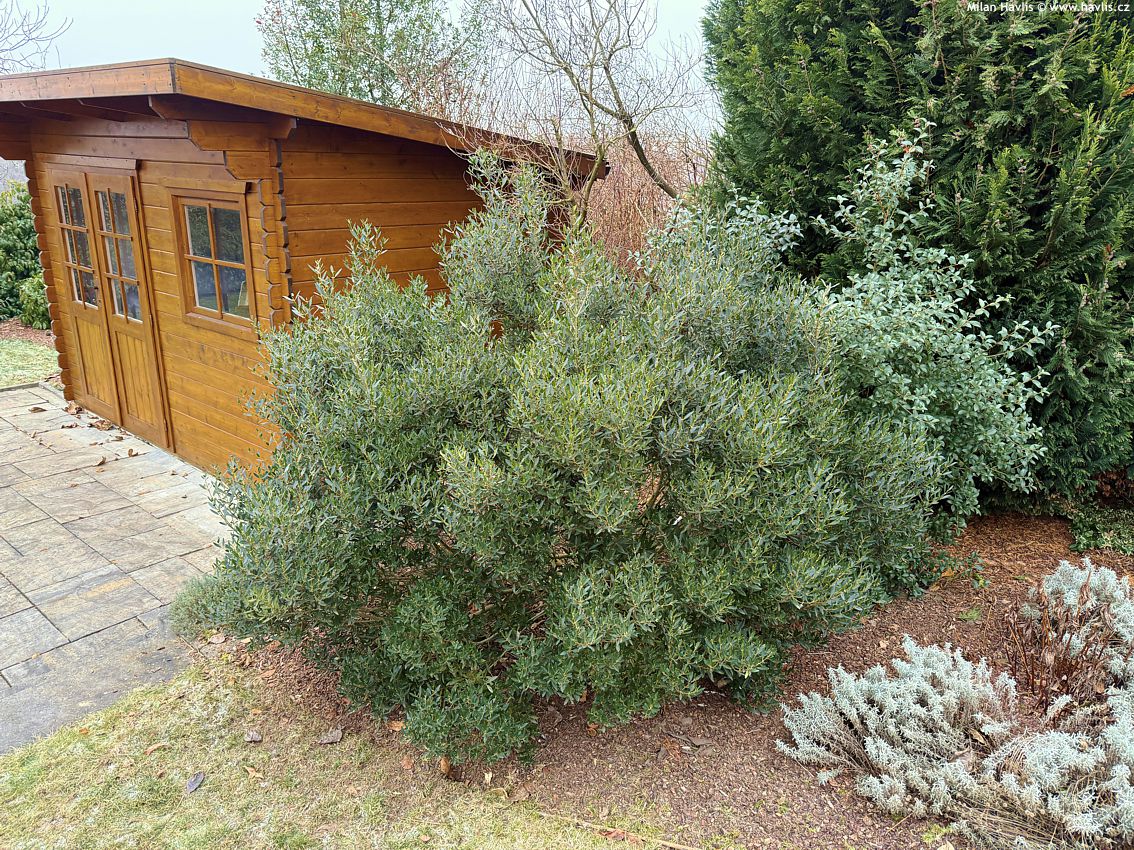
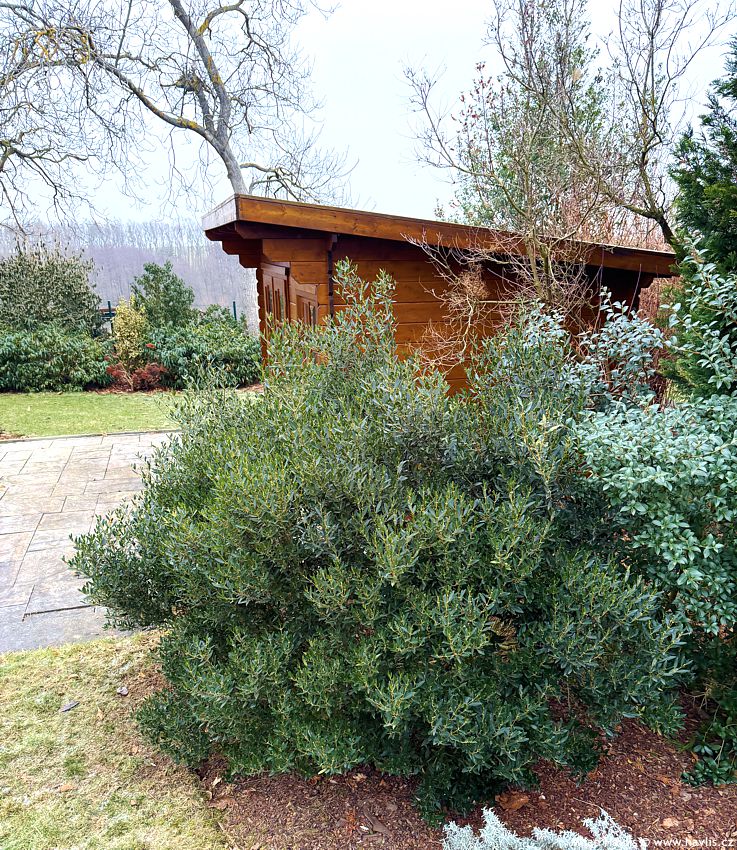
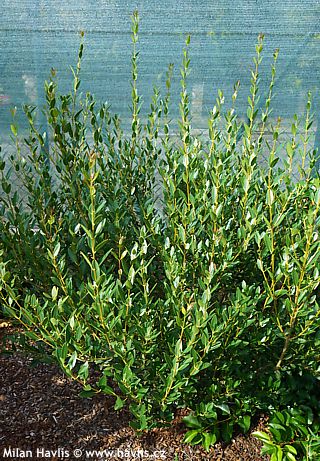
Phillyrea angustifolia 'GREEN UP' narrow-leaved mock privet

 Symbivit Tric (arbuscular)
 Symbivit (arbuscular)
Phillyrea
The genus Phillyrea, commonly known as mock privet, belongs to the olive family and includes only two species of evergreen shrubs and small trees native mainly to the Mediterranean region. It was scientifically described in 1753 by Carl Linnaeus (1707–1778) in his seminal work Species Plantarum, where he openly acknowledged that mock privets were not newly discovered plants from distant expeditions, but woody species long familiar to the European landscape and culture. The father of modern botany, as Linnaeus is often called, merely named and classified them systematically. In recent decades, this genus has once again attracted the attention of gardeners and botanists in connection with climate change. Gradually rising temperatures, later onset of winter, sharp weather fluctuations, and above all a long-term decline in rainfall are creating conditions in which some traditional woody plants are reaching the limits of their tolerance, while others, previously rather overlooked, are beginning to thrive unexpectedly. Mock privets belong among those that can cope with these changes calmly and without visible signs of stress and as a bonus they remain evergreen.
Narrow-leaved mock privet, Phillyrea angustifolia, originates from regions so dry, parched, and inhospitable that Italians jokingly say it grows where even hope no longer grows. It is a typical representative of Mediterranean maquis vegetation, a dense, predominantly evergreen plant community covering rocky slopes and coastal areas of southern Europe.
The story of its scientific name reaches deep into Greek mythology. It tells of a sea nymph named Φιλύρα (Philyra), who was so beautiful that the god Cronus fell madly in love with her. To avoid being discovered, since he already had a wife, he transformed himself into a powerful stallion and seduced her in that form. From their union was born a child who was half man and half horse – the centaur Chiron, later one of the most important figures of Greek mythology. Philyra could not have foreseen this outcome and was so overwhelmed by shame that she asked the gods to rid her of her human form. They granted her wish and since she was a beautiful nymph, they transformed her into a beautiful tree – the phillyrea. This story, passed down since antiquity, gave the genus its name and made it a symbol of perseverance, resilience, and the ability to survive even where conditions are harsh, while still retaining beauty.
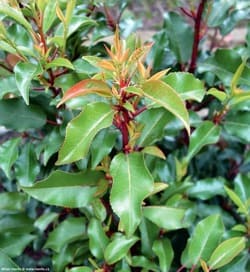
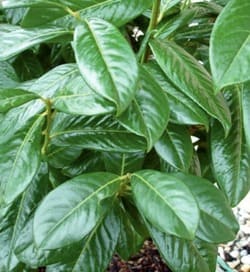
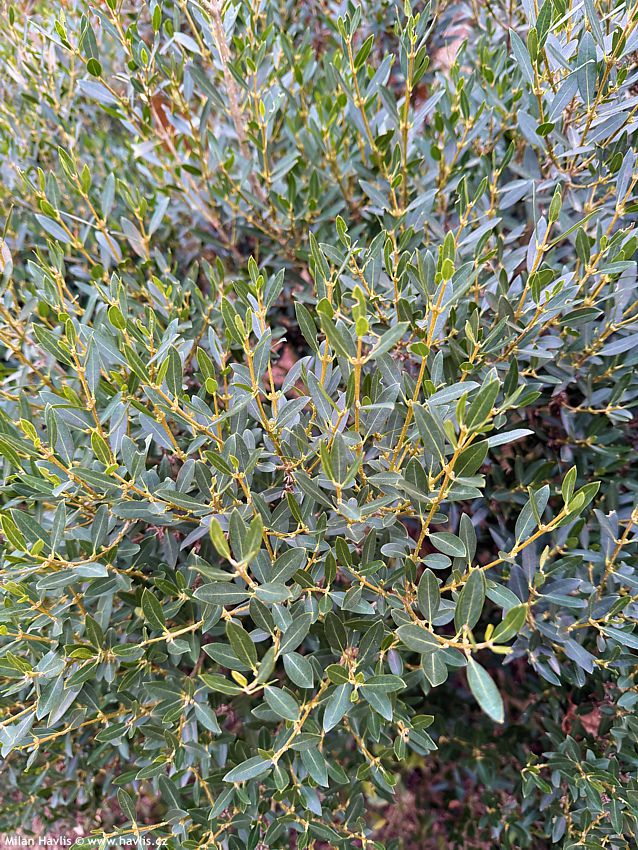
The cultivar Green Up represents narrow-leaved mock privet in its most disciplined form. At first glance it impresses with its exceptionally regular, upright, and dense growth, which appears calm, solid, and very contemporary. Compared to the botanical species, it grows more slowly and forms a compact shrub with firm, upright branches that do not tend to bend. In its overall habit, however, it retains a somewhat broader character and thus subtly imitates its broad-leaved relative, sometimes nicknamed the “broccoli tree.” The leaves are narrow, shortly lanceolate to narrowly elliptic, evergreen, distinctly tough and leathery, slightly glossy, and medium green in colour without seasonal variation. Their structure allows the plant to manage water more efficiently, especially during winter, when prolonged drought is often an overlooked problem.
‘Green Up’ maintains the appearance of a neatly shaped shrub even without intervention, yet it tolerates pruning and shaping very well. It can be used in combination with large-leaved shrubs, which it visually softens, in hedges, or as a simple evergreen filler. It is often clipped into various shapes, much like boxwood. It is not a brand-new plant, but a deliberate modern selection from a large group of variable seedlings, named and introduced after 2020 with the aim of offering a smaller mock privet with a firmer structure, greater uniformity, and better usability in the landscape, without losing the natural resilience and character of the species.
Last update 17-01-2023; 23-01-2026
Mock privet primarily requires well-drained, moderately or poor fertile soil in which the roots do not become waterlogged in winter. Heavier clay subsoil at greater depth does not bother it, provided the root collar remains dry. After planting, it is advisable to keep the soil evenly moist, but once established, watering should be significantly reduced or omitted altogether. At full strength, it can get through the entire summer relying solely on natural rainfall. It thrives best in full sun but tolerates light partial shade. Planting stronger specimens with mature wood is recommended in the borderline regions of its hardiness, as they cope better with the first winter. Proven hardiness reaches down to −24 °C (USDA zone 6). Mock privet does not suffer from diseases or pests and, in its natural habitat, is so resilient that it even survives regular wildfires, capable of resprouting from a charred stump. We are unlikely to make use of that ability here, but it gives a true sense of its toughness.

.jpg)
