










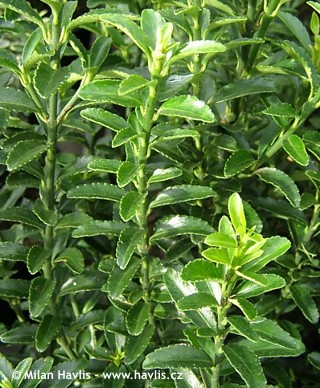
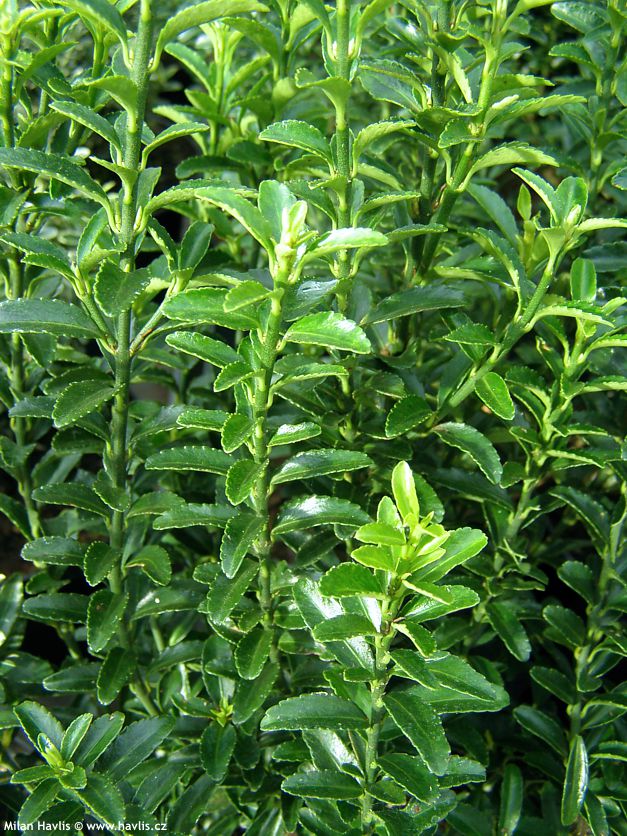
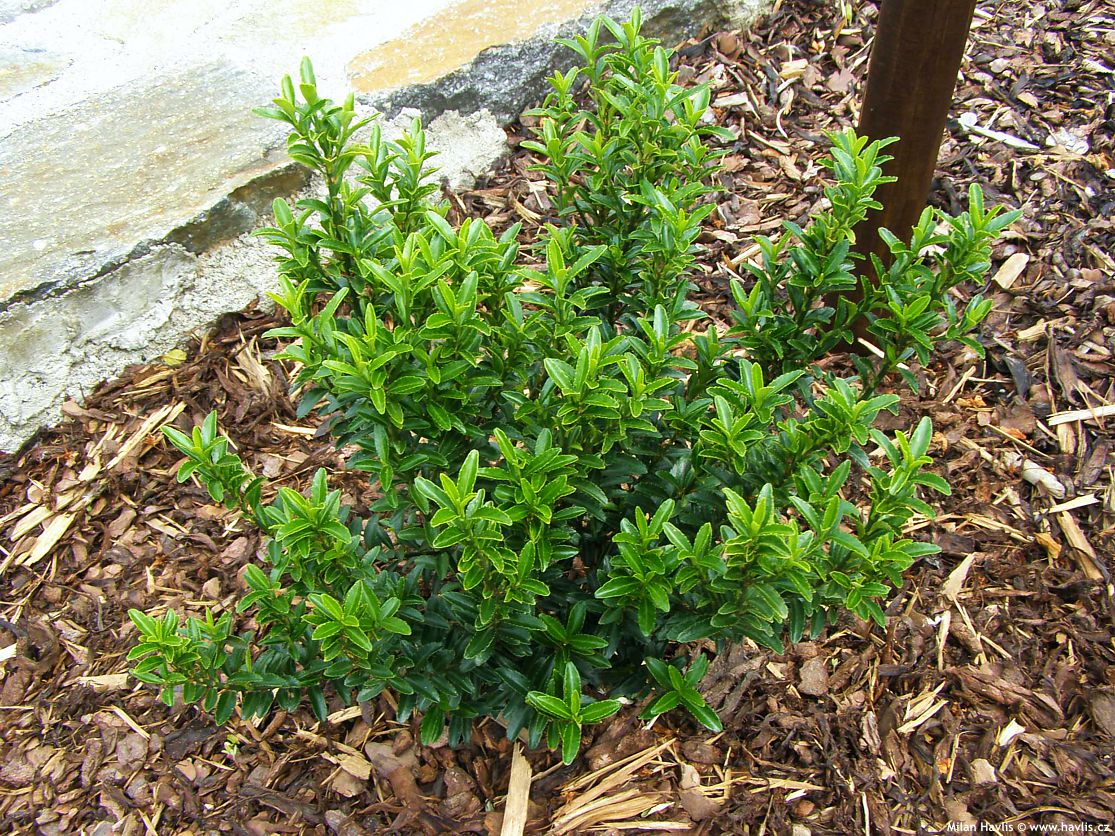
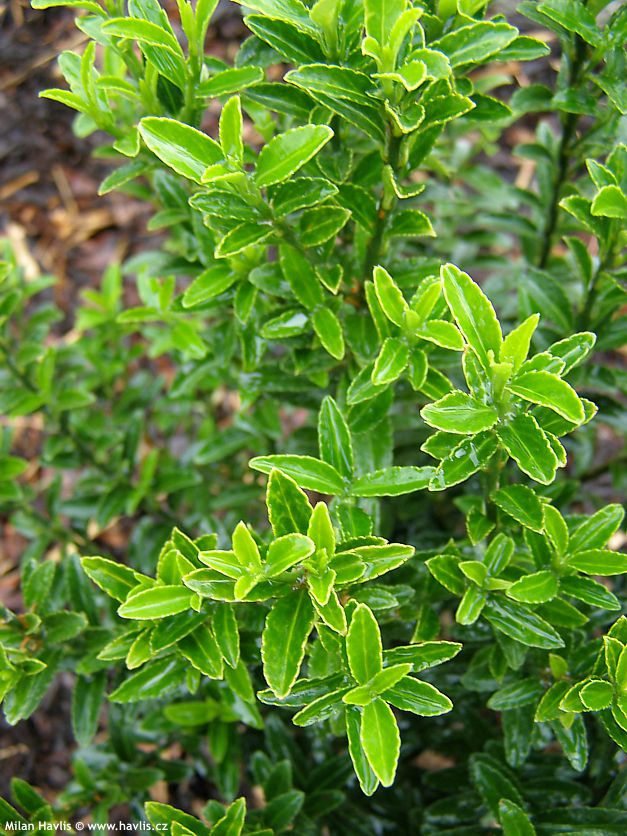
Euonymus japonicus 'MICROPHYLLUS' boxleaf euonymus, dwarf Japanese spindle


 Symbivit Tric (arbuscular)
 Symbivit (arbuscular)
Euonymus
The genus Euonymus is a botanically diverse group of woody plants that includes both deciduous and evergreen shrubs as well as small trees. In nature, it occurs mainly in the temperate zone of the Northern Hemisphere – from Europe through the Caucasus to East Asia. Some species have been introduced into subtropical regions of Southeast Asia and Australia. In gardens, the most common representatives are the European Euonymus europaeus with its striking pink fruits, the evergreen Euonymus fortunei, which creeps and climbs walls, and the evergreen Euonymus japonicus, which forms compact shrubs with glossy leaves. The genus is renowned for its adaptability to different conditions, making it a popular choice for urban greenery, hedges, and collection plantings. The wood of some species, especially those with a harder structure, was traditionally used in Asia to make fine brushes for calligraphy – valued for its strength and delicate fibrous texture.
Japanese spindle, Euonymus japonicus, is native to Japan and was introduced to Europe in the early 19th century; it reached British gardens in 1804. The species was described by Carl Peter Thunberg (1743–1828), a Swedish botanist and direct pupil of Carl Linnaeus, who studied the local flora during his stay in Japan in the 1770s, at a time when the country was almost entirely closed to Europeans. In Japan, Euonymus japonicus occurs naturally as a shrub or small tree in coastal areas, forest margins and lowland habitats, while at the same time it has been cultivated for centuries in the immediate vicinity of human settlements. It was not regarded as a plant of religious or symbolic significance, but rather as a practical evergreen woody species used as a clipped hedge, windbreak and screen around houses, roads and garden walls. For the Japanese it represented a reliable, low‑maintenance material that tolerates repeated pruning, remains green throughout the year and performs well in urban conditions. This combination of natural occurrence, long‑term cultivation and everyday usefulness explains why Japanese spindle was considered a common woody plant and why, after its introduction to Europe, it was quickly adopted in gardens, parks and street plantings, where it became the basis for the breeding of numerous cultivars.
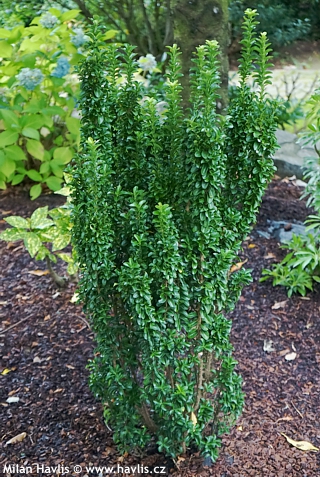
Microphyllus is a dwarf, green-leaved cultivar of Japanese spindle, distinguished by its small, firm leaves measuring approximately 2 × 0.5 cm. The foliage is glossy, deep green, evergreen, and forms a dense, compact shrub with a regular habit. The upright branches grow closely together, creating the impression of a carefully structured plant. Its growth is very slow – only around 10 cm per year – giving it the appearance of a miniature boxwood, but with a finer texture. The flowers are inconspicuous and appear in summer, though they are not of ornamental significance. As the first known small-leaved form, it was introduced to Europe by German physician and botanist Philipp Franz von Siebold (1796–1866), who worked in Japan during the first half of the 19th century. His botanical collections and descriptions helped spread this compact, green-leaved variant, which later served as the basis for variegated cultivars.
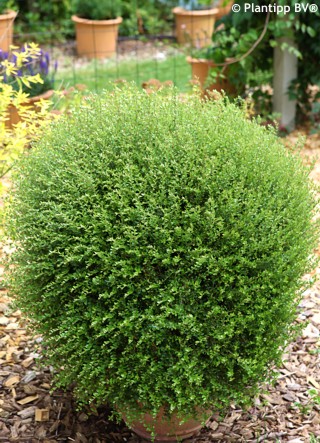
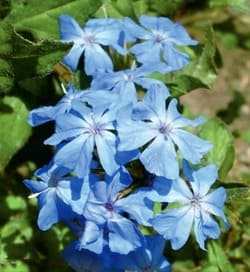
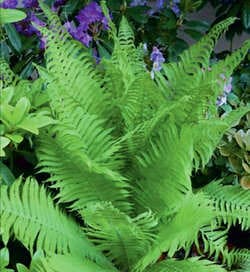
Thanks to its regular shape, fine-textured foliage, and slow growth, Microphyllus has become a popular choice for formal plantings and collector gardens. It is well suited for low hedges, bed edging, or container planting. It pairs beautifully with larger-leaved plants such as Leucothoe, Pieris, or fine-leaved Hebe cultivars. In modern gardens, it serves as a subtle green element that can be shaped into neat spheres or other geometric forms. In Japanese-style compositions, it works well as a backdrop for stones, ferns, or bonsai, where its simplicity enhances the overall harmony. Its neutral colour makes it easy to combine with compact flowering perennials without disrupting their colour scheme.
Last update 19-01-2009; 6-10-2025
Dwarf euonymus cultivars rank among the hardiest forms of Euonymus japonicus, resistant not only to frost but also to pests such as euonymus scale. They thrive best in full sun to partial shade; in deep shade, growth tends to be weak and sparse. Summer sun is well tolerated, but in winter and early spring, variegated cultivars should be placed where they are not exposed to direct sunlight all day, especially if the soil is dry and the air is windy. In such conditions, leaves may lose colour or suffer sunburn, but the plant reliably regenerates in spring. It tolerates almost any well-drained, moderately moist soil which needs some moisture even in winter. Once established, it can withstand rather substantial dry spells. If grown in containers, move them to a cool, bright room for winter, ideally around 5 °C, and during the growing season fertilize it occasionally to prevent leaf drop in the lower parts. Thanks to its slow and dense growth, it requires no pruning but can be shaped or trimmed anytime from spring to mid-summer. Hardy to –24 °C (USDA zone 6).