











Magnolia × brooklynensis 'YELLOW BIRD' Yellow Bird magnolia


 Symbivit Tric (arbuscular)
 Symbivit (arbuscular)
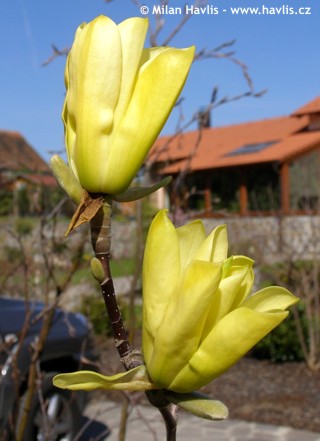
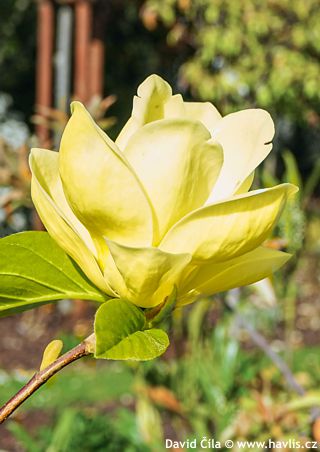
“Yellow Bird” magnolia is a cross between magnolia acuminata and magnolia brooklynensis “Evamaria” from 1967. Yet that year it was suggested the best yellow cultivar so far. Well, a lot of time has passed and these days there are a few more girls to ask that honour that we could maybe organize a wrestling match among the current best yellows.
It has deep yellow flowers with green tinges on the exterior. Closed they look like tulips. This variety belongs to the latest ones, blooming after the danger of late frosts is gone. It starts flowering as the leaves emerge, often in late May, and continues for 2-3 weeks. Flower buds are not as conspicuous as on the earlier varieties.
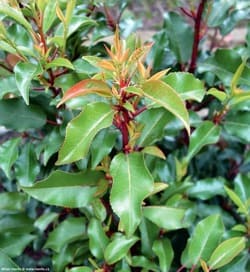
Deciduous leaves are obovate, quite sizeable, slightly glossy, fresh green from spring till autumn when they turn yellow for a short period of time and soon fall down. It grows slowly or moderately into a narrowly conical, almost columnar habit.
Magnolias are not supposed to be pruned. You can prune old shrubs if ill, or trim them to shape or to reduce size, or make an elementary cut to young plants of unsightly or unhealthy appearance. Do this as soon as possible after flowering to secure setting of flower buds for the following year. Be aware that each magnolia can respond differently to pruning.
Last update 05-01-2008; 09-02-2017
Deciduous magnolias are quite easy plants. All they need is light, well-drained, acidic soil with equal moisture throughout the year. Once established they can do with occasional drought but will not look as nice as the ones with regular watering. Just pay attention to how to plant your magnolia. First, find it a spot where it will live forever and ever. It does not like transplanting. And as it makes shallow roots reaching well over its spread stay away from disturbing the roots by digging or messing about around it. Just cover the soil with bark mulch and do not plant anything else near it after say the second year after planting onwards. You could damage the very important top roots that absorb maximum moisture and nutrients from the soil. Also avoid planting magnolia too deep. Thus you could be digging its grave. It is fully hardy, it survived our winter of -27°C with no damage whatsoever (USDA zone 5). Just make sure it is not in a too exposed windy area. We still recommend mulching it well to keep it moist in any season.